



 Basiran
In an era defined by hyper-convenience, instant gratification, and algorithmic product recommendations, the act of shopping has become largely reactive. We scroll, we click, and we settle for what the marketplace dictates. However, a growing philosophy—dubbed "self-centered shopping"—is challenging the way consumers interact with the economy. By shifting the power dynamic from the retailer to the individual, this approach promises not only higher product satisfaction but also a significant reduction in impulsive, wasteful spending.
The Core Philosophy: Redefining the Consumer Paradigm
For decades, the standard consumer experience has been "store-centered." A consumer identifies a need—a "thneed," in the parlance of Dr. Seuss—and visits a brick-and-mortar retailer or a dominant e-commerce platform. The shopper then browses the available inventory and selects the best of the provided options. In this model, the retailer defines the universe of possibility. If the store carries five types of wallets, the shopper’s choice is effectively limited to those five, regardless of whether any of them truly align with the shopper’s specific requirements.
Self-centered shopping flips this script. It posits that the consumer should act as the architect of their own needs before entering the marketplace. By defining exact specifications—materials, dimensions, utility, and aesthetic—the consumer transforms from a passive chooser into an active seeker. Instead of asking, "What can I buy from this store?" the practitioner asks, "What do I need, and where can I find the item that perfectly fulfills those needs?"
Chronology of a Shift: From Scarcity to Strategy
The roots of the traditional, store-centered model are deeply embedded in the history of retail. In the mid-20th century, physical limitations meant that consumers were largely restricted to the goods available in their immediate geographic vicinity. For those in rural or underserved areas, this was a matter of survival; one bought what was on the shelf at the local general store, or one went without.
As the retail landscape evolved through the late 20th century, the proliferation of "big box" stores created an illusion of abundance. While consumers had more choices, they were still choosing from curated selections that favored mass-market profitability over niche utility.
The turning point for the self-centered shopping movement arrived with the maturity of the internet. The digital marketplace effectively removed the geographic and inventory barriers that once constrained the individual. Today, the world’s inventory is theoretically available to anyone with a browser. This shift from physical scarcity to digital abundance is what makes self-centered shopping not just a lifestyle choice, but a viable economic strategy.
In 2019, this transition was exemplified by the quest for a functional, minimalist wallet. The traditional approach—browsing department store displays—had resulted in years of frustration with bulky, leather-heavy products that did not suit a low-cash, card-centric lifestyle. By shifting to an intentional, requirement-based search, the shopper was able to bypass the "paradox of choice" and eventually source a purpose-built solution from a specialized travel gear manufacturer. This transition represents a fundamental move away from settling for "good enough" toward procuring "perfect for me."
Supporting Data: The Psychology of Satisfaction
The effectiveness of self-centered shopping is backed by contemporary psychological research regarding decision-making and consumer satisfaction.
The Paradox of Choice
Psychologist Barry Schwartz’s "Paradox of Choice" suggests that while we believe more options make us happier, the reality is often the opposite. When faced with an overwhelming array of similar items, consumers experience "decision paralysis" and are more prone to post-purchase regret. By defining strict requirements before beginning a search, the self-centered shopper drastically narrows the field. They are not choosing between fifty items; they are searching for the one that meets their established criteria. Once that item is found, the search ends, effectively eliminating the cognitive load of comparing dozens of near-identical products.
Impulse Control and Financial Health
Data from personal finance experts suggests that impulse spending is rarely a result of necessity; it is a result of lack of direction. When a consumer walks into a store without a clear plan, they are susceptible to marketing, seasonal sales, and the dopamine hit of the "new." By contrast, the self-centered shopper operates from a list of requirements. If an item does not meet those requirements, the shopper does not buy it. This rigorous, list-based approach has been shown to reduce impulse-driven "thneed" acquisition, leading to a more streamlined and purposeful accumulation of goods.
Implications for Industry and Brand Loyalty
The rise of this shopping philosophy has profound implications for brand loyalty and the retail sector.
The Rise of the "Product Loyalist"
One of the most significant byproducts of self-centered shopping is the emergence of deep, product-specific loyalty. When a consumer spends time and effort to find the exact item that meets their needs, the resulting satisfaction creates a strong bond with that specific product. This is not brand loyalty in the sense of a marketing campaign, but rather "utility loyalty."
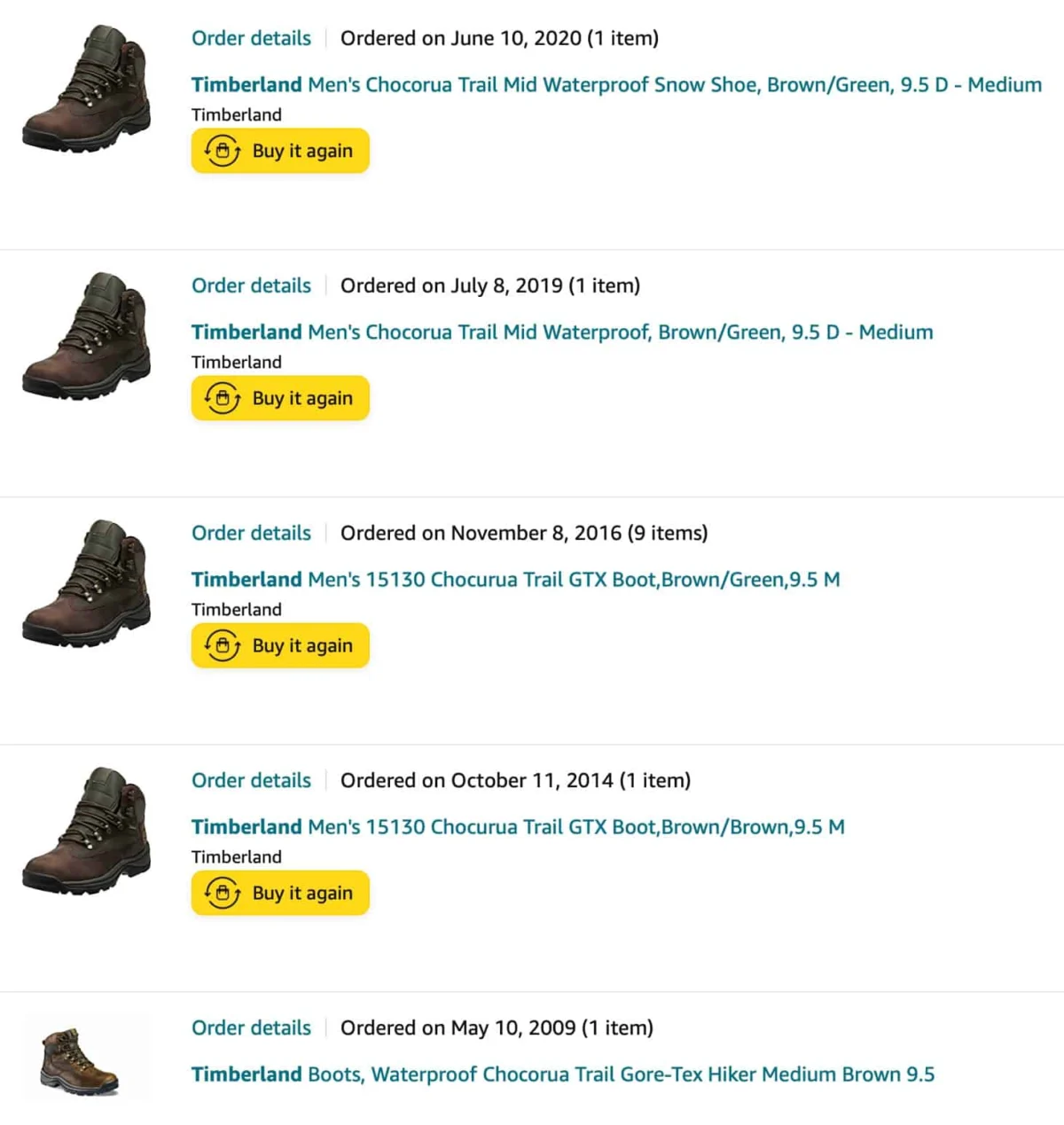
When a product works—as seen in the recurring purchase of specific, high-durability hiking boots or specialized travel bags—the consumer is unlikely to deviate. They have already done the "work" of research; why would they risk that investment on a new, unproven alternative? This fosters a cycle where companies that prioritize functional, high-quality, and niche-specific design are rewarded with long-term, repeat customers.
A Challenge to Mass-Market Retail
The implications for mass-market retailers are clear: the era of the "one-size-fits-all" inventory is facing a decline in relevance. As consumers become more adept at finding direct-to-consumer, specialized brands that align with their specific values and requirements, general retailers will struggle to maintain the loyalty of discerning shoppers. To survive, retailers may need to pivot toward providing more curated, high-value experiences or face the reality that the "general store" model is increasingly viewed as a relic of a less efficient time.
Conclusion: The Path Toward Intentional Living
Self-centered shopping is more than just a method for buying wallets or furniture; it is a declaration of agency in an economy that thrives on passivity. It requires patience, research, and a willingness to occasionally pay a premium for quality that aligns with one’s personal standards.
While critics might argue that this process is too time-consuming, proponents point out that the time saved by not shopping for replacements—and the joy derived from using tools that actually function as intended—far outweighs the initial investment of research.
Ultimately, this approach teaches us that when we stop letting the marketplace define our options, we start to define our own lives. By prioritizing quality over convenience and intent over impulse, we move toward a world of "less, but better." It is a shift that turns the mundane act of purchasing into a refined exercise in self-knowledge, ensuring that every item in our home—from our desks to our footwear—serves a genuine purpose and sparks, to borrow a phrase from Marie Kondo, true joy.
As the digital age continues to lower the barrier between the consumer and the specialized producer, the question is no longer "what is available?" but rather, "what do I truly need?" Answering that question with precision is the first, and most important, step toward a more satisfied, intentional life.

 Siti Muinah
 Reynand Wu