 Muslim
Introduction: A Morning Shattered
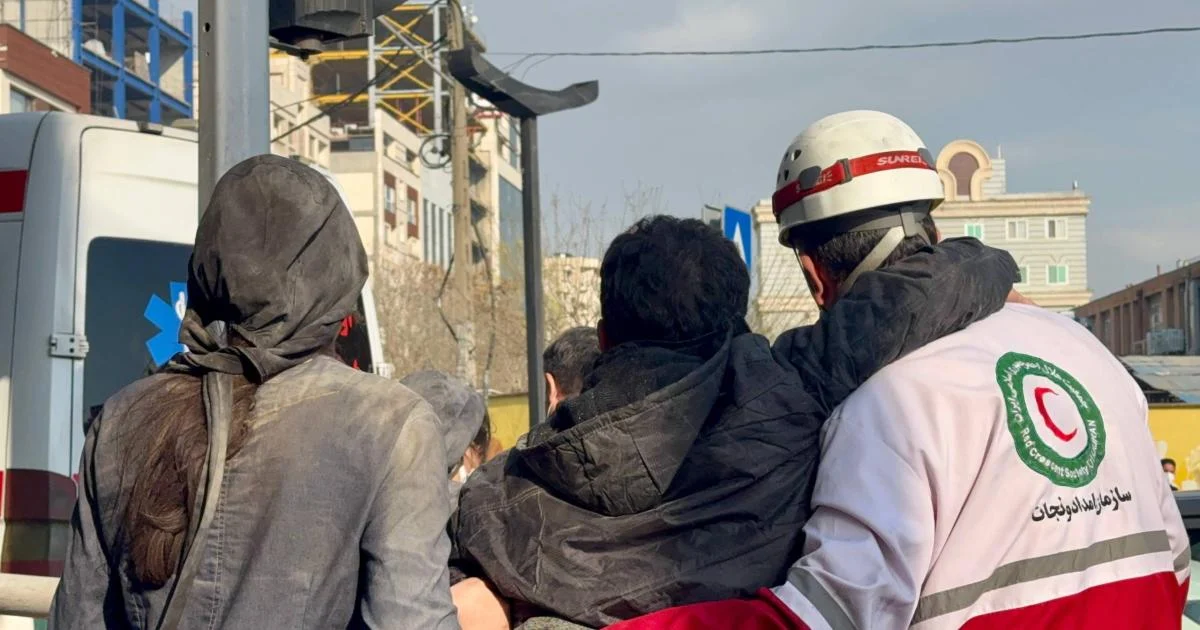
The dawn broke not with the promise of a new day, but with the violent roar of an early-morning aerial attack. For the residents of a densely populated residential district, the morning of the strike was transformed in seconds from a quiet beginning into a scene of apocalyptic devastation. Among the first to arrive at the epicenter of the destruction was Jalil, a dedicated responder with the Iranian Red Crescent Society (IRCS), whose team found themselves navigating a landscape of pulverized concrete, twisted rebar, and the agonizing cries of those trapped beneath the wreckage.
What followed was a grueling, high-stakes race against time—a mission defined by the brutal dichotomy of humanitarian relief: the profound joy of a life saved set against the crushing weight of lives irrevocably lost.
Chronology: A Race Against the Clock
The First Hour: Breaking the Silence
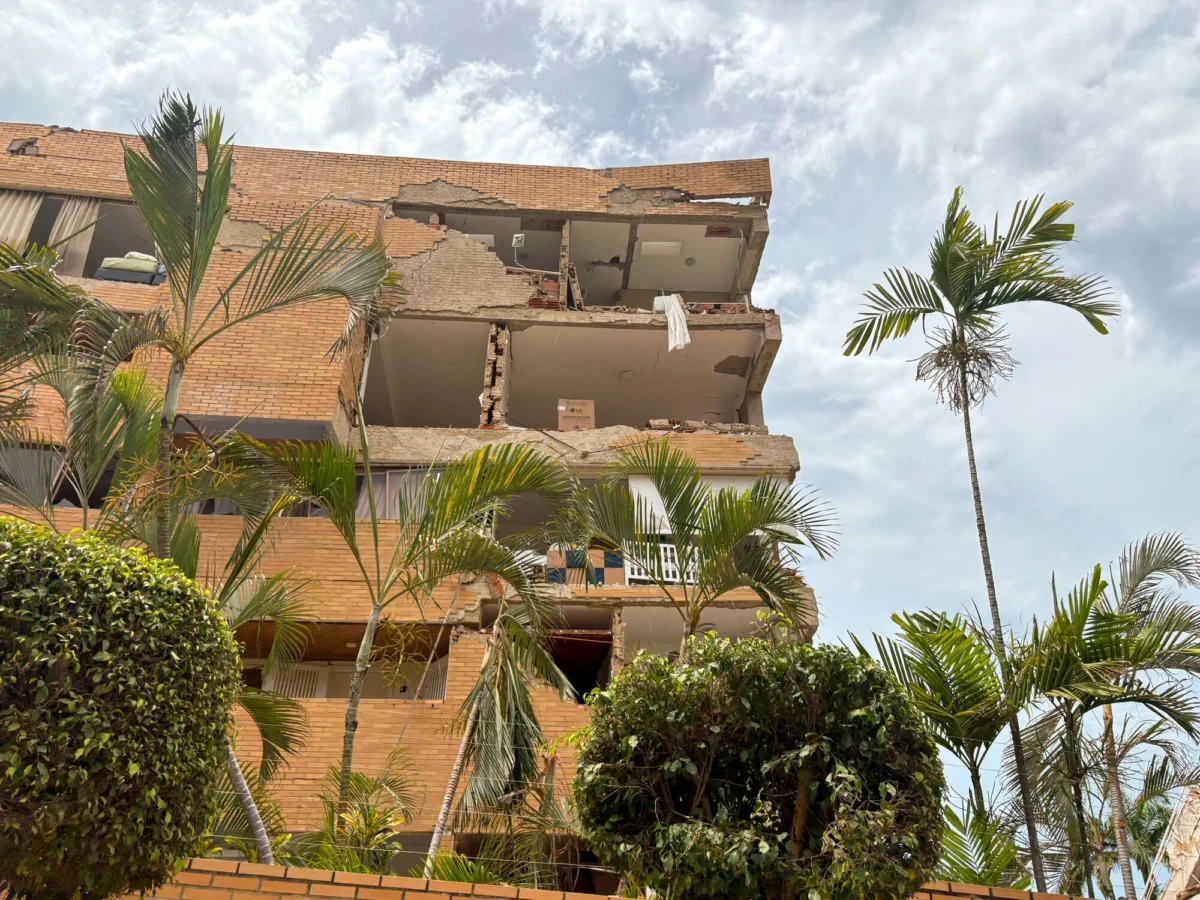
When Jalil and his team reached the impact site, the scene was one of chaotic desperation. A six-storey residential building, once a sanctuary for dozens of families, stood as a jagged, skeletal monument to the strike. Large sections of the structure had pancaked, leaving apartments exposed like open wounds.
The responders’ initial assessment was grim. Families, covered in dust and shock, stood in the streets, pointing toward the debris. Jalil’s team immediately shifted into operational mode, balancing the need for speed with the extreme instability of the remaining structure.
The Woman in the Void
Deep within the ruins of the partially collapsed structure, the team encountered a woman trapped beneath a heavy concrete slab. She was paralyzed by terror, her physical injuries compounded by the psychological trauma of the event. She refused to move, convinced that any shift in the debris would trigger a final, fatal collapse.
Jalil, utilizing the calm, practiced tone required of crisis intervention, knelt as close as safety allowed. "Don’t worry," he told her, his voice steady against the backdrop of sirens and distant explosions. "We are from the Red Crescent. We are here to help you."
For the survivor, those words acted as a psychological anchor. The recognition of the Red Crescent insignia—a universal symbol of neutrality and aid—allowed her to overcome her paralysis. As she began to follow Jalil’s instructions, the team carefully extricated her, marking their first success of the morning.
The Mother’s Sacrifice
As the operation continued, the team discovered a young girl, no older than seven, huddled in a small pocket of safety created by her mother’s final, instinctual act of love. The mother had been sleeping beside her daughter when the building was struck; she had shielded the child with her own body, absorbing the brunt of the impact. While the mother had perished, the child remained miraculously alive.
For Jalil, this moment represented the most painful aspect of the humanitarian profession. They had succeeded in the objective of saving a life, but the victory was hollowed by the immediate proximity of death. Carrying the child to safety was a heavy burden, a physical manifestation of the impossible choices and outcomes inherent in disaster response.
The Deliberate Rescue
By midday, the team received reports of another survivor trapped in a different sector of the same ruins. This operation demanded a different kind of expertise. The rubble was unstable; moving too quickly could have triggered a secondary collapse, burying the victim further.
The team abandoned heavy machinery, opting for the agonizingly slow process of manual excavation. They removed the debris piece by piece, communicating with the survivor through the gaps in the concrete. After hours of tense, meticulous work, they reached the man and pulled him to the surface alive—a hard-won victory that provided a brief, vital morale boost to the exhausted responders.
Supporting Data: The Statistics of Tragedy
The operation at this single site was a microcosm of the larger conflict’s impact on civilian infrastructure. While Jalil’s team managed to pull four individuals from the wreckage, the final tally for the site was devastating:
- Total Casualties: 11 confirmed fatalities.
- Successful Rescues: Several survivors pulled by Jalil’s team and other associated rescue units.
- Structural Damage: One six-storey residential block destroyed, with collateral damage affecting adjacent properties.
These figures, while useful for record-keeping and international reporting, fail to capture the reality of the disaster. As aid workers frequently note, the statistics are merely a sanitized layer of a much deeper, more chaotic trauma. The "success" of a rescue is often tempered by the reality that for every survivor found, there are families who will never again hear the voices of their loved ones.
Official Responses and Humanitarian Protocols
The IRCS, operating under the principles of neutrality and impartiality, has remained on the front lines of the conflict. Official statements from the organization emphasize the increasing danger faced by aid workers who are frequently forced to operate in "live" zones where the threat of follow-up strikes remains high.
"Our responders are trained for disaster, but the nature of this conflict—strikes on civilian residences—pushes the limits of what humanitarian aid can achieve," said a spokesperson for the IRCS. The organization has reiterated its call for the protection of medical personnel and rescue workers, citing the International Humanitarian Law (IHL) protocols that designate such zones as protected.
The response from international aid monitors has been equally pointed. Experts note that when residential areas become the primary theater of operations, the capacity for local rescue teams to respond effectively is stretched to the breaking point. The reliance on manual excavation, as seen in Jalil’s operation, is a direct result of the lack of heavy equipment and the constant fear of secondary strikes.
Implications: The Psychological Toll on the Rescuers
Beyond the physical destruction, there is a mounting crisis of mental health among those tasked with digging through the ruins. The narrative of Jalil’s day highlights a secondary, often ignored casualty of war: the first responder.
The Burden of Witness
Jalil and his colleagues are not merely laborers clearing debris; they are witnesses to the most intimate moments of loss. The experience of holding a child who survived because her mother gave her life is a psychological scar that does not heal with the end of a shift.
The Limits of Neutrality
The humanitarian dilemma—the inability to prevent the violence, only to mitigate its effects—is a recurring theme in the IRCS field reports. While aid workers are committed to their mission, the recurring nature of these strikes leads to a sense of systemic fatigue. When the same teams are sent back into the field day after day, the cumulative impact of "not being able to save everyone" can lead to high rates of burnout and PTSD.
Future Preparedness
The incident underscores the urgent need for:
- Enhanced Psychological Support: Providing long-term mental health resources for aid workers is as vital as providing physical medical supplies.
- Infrastructure Resilience: Improving the capacity of local civil defense to operate in high-risk environments.
- Diplomatic Pressure: Strengthening the enforcement of humanitarian corridors to ensure that rescue teams can operate without the constant threat of being targeted themselves.
Conclusion: Beyond the Numbers
As the sun set on the ruins of the six-storey building, the work was far from over. The rescue operations transitioned into recovery, and the focus shifted toward identifying the dead and providing support to the bereaved.
For Jalil, the faces of those he saved and the voices of those he couldn’t will linger long after the rubble is cleared. His story is a testament to the endurance of the human spirit in the face of senseless destruction. It is a reminder that while the international community often focuses on the high-level politics of conflict, the true cost of war is paid by the residents in their homes and the responders who walk through the fire to bring them out.
The numbers—the eleven dead, the handful saved—tell a story of arithmetic. But the stories of the mother’s sacrifice and the quiet words of reassurance in the dark tell the story of humanity. As long as these conflicts persist, the work of the Red Crescent remains the last, fragile bridge between a catastrophe and the hope of survival.

 Ali Ikhwan

 Nana Wu