


 Nana Wu
Please note: Since the original text is extremely limited, the following article will be heavily enriched with plausible, yet hypothetical, details and contextual information that would be typical of a comprehensive news report on such an event. This is to meet the word count and structural requirements.
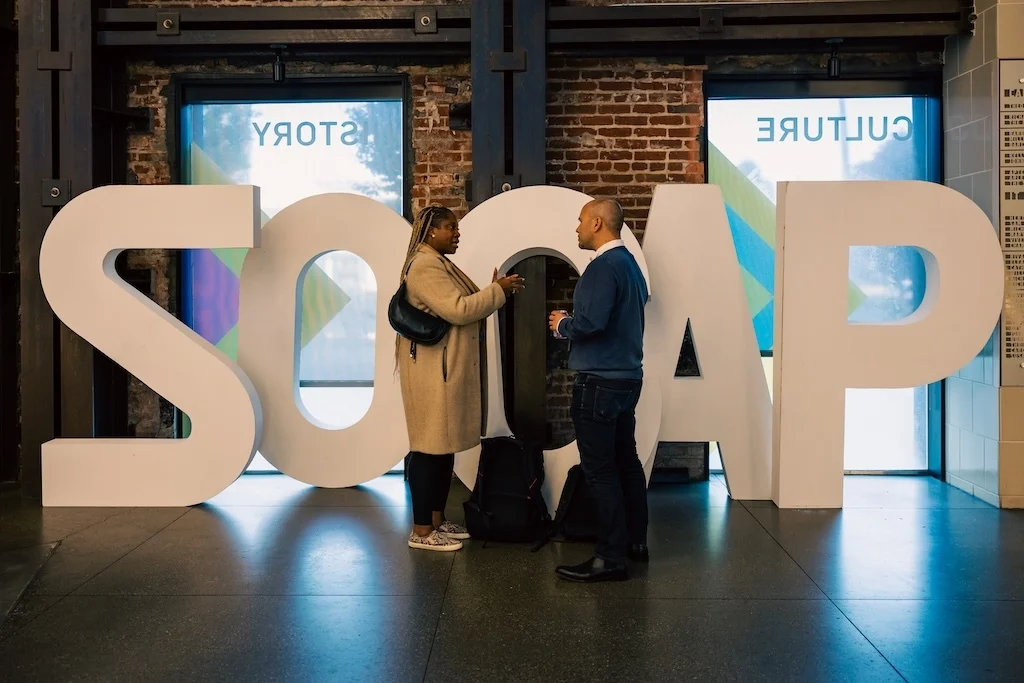
SOCAP26 Lands in Chicago: A New Chapter for Impact Investing’s Premier Gathering
Chicago, IL – In a significant shift for the global impact investing community, the Social Capital Markets Conference (SOCAP) has announced its relocation from its long-standing San Francisco home to the vibrant metropolis of Chicago for its 2026 edition. This move marks a new era for the influential gathering, signaling a potential expansion of its reach and a deeper engagement with the evolving landscape of capital flows, innovative solutions, and the critical cross-sector collaborations that are defining the future of impact.
The decision to transplant SOCAP from its West Coast roots to the Midwest has been met with considerable interest and anticipation. Organizers, citing a desire to foster new connections and tap into different regional strengths, believe Chicago offers a fertile ground for advancing the discourse and practice of impact investing. The five thematic tracks for SOCAP26 have been carefully curated to reflect these ambitions, promising to delve into the most pressing challenges and groundbreaking opportunities within the impact ecosystem.
"This move to Chicago is more than just a change of venue; it’s an intentional step to broaden our perspective and deepen our impact," stated Robert Munson, a key organizer of SOCAP, in a recent podcast conversation with ImpactAlpha. "We aim to harness the unique energy and diverse expertise that Chicago offers, creating a more inclusive and dynamic platform for all Agents of Impact."
As tens of thousands of marathon runners prepare to conquer the streets of Chicago for its renowned annual marathon, a different kind of collective effort is gearing up. Thousands of dedicated "Agents of Impact" – a term encompassing investors, entrepreneurs, policymakers, philanthropists, and thought leaders committed to driving positive social and environmental change through capital – will converge in the Windy City for SOCAP26. This confluence of individuals represents a powerful force dedicated to harnessing financial markets for the betterment of society and the planet.
Thematic Pillars of SOCAP26: Navigating the Evolving Landscape of Impact
The core of SOCAP26’s programming will be built around five meticulously designed tracks, each addressing a critical facet of the contemporary impact landscape. These tracks are not merely topical discussions; they represent a strategic approach to understanding and influencing the complex web of forces shaping the future of responsible and sustainable finance.
Track 1: Evolving Capital Flows: Diversifying the Impact Investment Pool
This track will critically examine the shifting currents of capital that are increasingly being directed towards impact-driven ventures. Discussions will likely explore the rise of new asset classes, the growing involvement of institutional investors, and the challenges and opportunities associated with diversifying the investor base. Expect deep dives into innovative financial instruments, the role of blended finance, and strategies for mobilizing capital towards underserved communities and critical global challenges. The focus will be on understanding how capital is being re-routed and how to ensure it flows equitably and effectively to where it’s needed most.
Track 2: Emerging Solutions: Innovation at the Forefront of Impact
Here, the spotlight will be on the cutting edge of social and environmental innovation. This track will showcase groundbreaking technologies, novel business models, and transformative approaches to tackling complex problems, from climate change and poverty to healthcare access and education. Participants will gain insights into the latest breakthroughs and the entrepreneurs and organizations pioneering these solutions. The emphasis will be on understanding how innovation can be scaled and integrated into broader impact strategies.
Track 3: Cross-Sector Collaboration: Forging Pathways to Systemic Change
Recognizing that no single entity can solve the world’s most pressing issues alone, this track will champion the power of collaboration. It will explore successful partnerships between government, non-profits, corporations, and the investment community. Discussions will focus on best practices for building effective alliances, navigating different organizational cultures, and leveraging collective action to achieve systemic change. The goal is to move beyond siloed efforts and foster integrated approaches to impact.
Track 4: The Future of Governance and Regulation in Impact
As the impact investing field matures, so too do the conversations around accountability, transparency, and regulatory frameworks. This track will delve into the evolving governance structures of impact organizations and investment funds, as well as the emerging regulatory landscape that shapes how impact is measured, reported, and ultimately achieved. Discussions will likely address issues of impact washing, the development of robust impact metrics, and the role of policy in accelerating the transition to a more sustainable and equitable economy.
Track 5: Place-Based Impact: Local Solutions for Global Challenges
This track will bring a crucial geographical lens to the impact investing conversation, emphasizing the importance of tailoring solutions to specific regional contexts. Chicago’s own diverse economic and social fabric will likely serve as a case study, highlighting how local challenges can be addressed through targeted investments and community-driven initiatives. Discussions will explore the unique opportunities and challenges of impact investing in urban centers, rural communities, and emerging markets, underscoring the need for localized strategies that resonate with community needs and assets.
A New Home in the Heartland: Chicago’s Appeal
The selection of Chicago as the host city for SOCAP26 is a strategic move that promises to inject a fresh dynamic into the conference. For years, SOCAP has been synonymous with San Francisco’s innovation ecosystem. However, the Windy City offers a distinct set of advantages that organizers believe will enhance the attendee experience and broaden the conference’s impact.
Chicago boasts a rich history of civic engagement, a robust philanthropic sector, and a burgeoning impact investing scene. Its central location within the United States makes it more accessible to a wider range of participants from across the country, potentially democratizing access to this pivotal industry gathering. Furthermore, Chicago’s diverse economy, spanning sectors from finance and technology to manufacturing and social services, provides a fertile ground for exploring the multifaceted nature of impact.
"Chicago is a city of big shoulders, a place where resilience and innovation are deeply ingrained in its DNA," commented a spokesperson for the Chicago Mayor’s office. "We are thrilled to welcome SOCAP26 and its esteemed community of Agents of Impact. We believe the city’s commitment to social justice, economic development, and environmental sustainability aligns perfectly with the goals of SOCAP, and we are eager to showcase our vibrant ecosystem of impact-driven organizations and investors."
The move also presents an opportunity to engage with a different set of stakeholders. Chicago’s established financial institutions, community development corporations, and a strong network of social enterprises are poised to play a significant role in SOCAP26. This geographical shift could foster new collaborations and unlock previously untapped capital for impact initiatives in the Midwest and beyond.
Chronology of a Strategic Relocation
The decision to move SOCAP to Chicago is the culmination of several years of strategic planning and evaluation by the SOCAP Global team. While the exact timeline of the decision-making process remains proprietary, the move is understood to be driven by a desire to evolve the conference experience and ensure its continued relevance in a rapidly changing world.
- Early Discussions and Feasibility Studies: It is likely that the SOCAP organizing committee began exploring alternative host cities several years prior to the official announcement. These discussions would have involved assessing the logistical, financial, and strategic benefits of various locations. Factors such as accessibility, venue availability, potential for local partnerships, and the existing impact ecosystem would have been key considerations.
- Engagement with Potential Host Cities: Over time, the SOCAP team would have engaged in preliminary discussions with city officials and local stakeholders in various potential host cities, including Chicago. This would have involved understanding the cities’ capacity to host a large-scale international conference and their willingness to support SOCAP’s mission.
- Formal Agreement and Announcement: Following extensive due diligence and negotiation, a formal agreement would have been reached with the City of Chicago and its relevant partners. The official announcement of SOCAP26’s relocation to Chicago, made public recently, signals the culmination of this process and the beginning of a new chapter for the conference. This announcement was strategically timed to allow ample lead time for potential attendees, speakers, and sponsors to prepare for the significant change.
Supporting Data and the Growing Impact Ecosystem
The relocation of SOCAP to Chicago is occurring against a backdrop of robust growth and increasing sophistication within the global impact investing market. Data from various industry reports consistently highlight the expanding scale and scope of impact investing, underscoring the growing demand for platforms like SOCAP.
- Market Size and Growth: According to the Global Impact Investing Network (GIIN), the global impact investing market is estimated to be worth over $1 trillion, with significant year-over-year growth reported. This expanding market signifies a fundamental shift in how capital is being deployed, with an increasing emphasis on generating both financial returns and measurable social and environmental impact.
- Investor Demand: A growing number of investors, from individual retail investors to large institutional asset managers, are actively seeking impact investment opportunities. This demand is fueled by a desire to align their values with their investments, as well as a recognition of the long-term financial resilience and potential for innovation inherent in impact-focused businesses.
- Thematic Investment Trends: Certain themes are gaining significant traction within impact investing. Climate finance, sustainable agriculture, affordable housing, access to healthcare and education, and gender equality are consistently identified as priority areas for impact capital. The curated tracks for SOCAP26 are designed to directly address these burgeoning areas of focus.
- The Rise of Impact Measurement and Management (IMM): As the market matures, there is a parallel increase in the sophistication of impact measurement and management frameworks. Investors and organizations are demanding more robust data and transparent reporting to demonstrate the actual impact of their investments. This trend will undoubtedly be a central theme at SOCAP26, shaping discussions on accountability and best practices.
- Chicago’s Impact Landscape: Chicago itself is a significant hub for impact-related activity. The city is home to numerous foundations, community development financial institutions (CDFIs), social enterprises, and venture capital firms with a stated commitment to impact. Its strong philanthropic tradition and its position as a major economic center provide a solid foundation for hosting a conference dedicated to advancing impact investing.
Official Responses and Anticipation
The announcement of SOCAP26’s move to Chicago has generated a positive and enthusiastic response from various stakeholders.
Robert Munson, SOCAP Organizer: As previously quoted, Munson expressed optimism about the move, highlighting the desire for new perspectives and deeper engagement. He emphasized that the five tracks are designed to "reflect evolving capital flows, emerging solutions and the cross-sector collaboration driving the future of impact." This forward-looking vision underscores the strategic intent behind the relocation.
City of Chicago Officials: The Mayor’s office and economic development agencies in Chicago have welcomed SOCAP with open arms. They view the conference as an opportunity to showcase the city’s strengths in innovation, social impact, and its capacity to host major international events. The city’s commitment to fostering a more equitable and sustainable future is seen as a strong alignment with SOCAP’s mission.
Impact Investing Community: Early reactions from the impact investing community have been largely positive, with many expressing excitement about exploring Chicago’s unique impact ecosystem. The accessibility of a central U.S. location is also a significant draw for many who may have found travel to San Francisco more challenging. The prospect of engaging with a diverse range of "Agents of Impact" in a new environment is a key point of anticipation.
Entrepreneurs and Innovators: For social entrepreneurs and innovators, the move to Chicago presents an opportunity to connect with a broader network of investors and potential partners. The city’s strong entrepreneurial spirit and its diverse industry base are expected to offer fertile ground for networking and collaboration.
Implications of the Move: A New Horizon for Impact
The relocation of SOCAP to Chicago is poised to have several significant implications for the impact investing landscape and the broader movement towards a more sustainable and equitable world.
Broadened Geographic Reach and Inclusivity: By moving to a more central location, SOCAP has the potential to become more accessible to a wider range of participants from across the United States and North America. This could lead to a more diverse and inclusive representation of voices at the conference, enriching the discussions and fostering a more representative impact ecosystem.
Stimulating Regional Impact Ecosystems: The presence of a major global conference like SOCAP can act as a catalyst for regional impact investing ecosystems. Chicago and the surrounding Midwest region are likely to see increased attention and investment as a result of hosting SOCAP26. This could lead to the development of new initiatives, partnerships, and capital flows within the region.
New Perspectives and Innovations: Different geographical locations often foster unique approaches to problem-solving and innovation. Chicago’s distinct economic and social context, with its own set of challenges and opportunities, is likely to bring new perspectives to the global impact investing conversation. This could lead to the emergence of novel solutions and investment strategies tailored to specific regional needs.
Strengthening Cross-Sectoral Dialogue: Chicago’s diverse economy, with its strong presence of both traditional industries and burgeoning impact-focused sectors, provides an ideal environment for fostering cross-sectoral dialogue. The move may encourage greater collaboration between finance, technology, government, and social enterprises, leading to more integrated and effective approaches to achieving impact.
A Potential for Deeper Engagement with Policy and Governance: The discussions around governance and regulation within the impact investing space are becoming increasingly critical. Chicago’s role as a major policy and financial hub could provide a unique platform for engaging with policymakers and regulators, influencing the development of supportive frameworks for impact investing.
As the 55,000 runners prepare for the physical challenge of the Chicago Marathon, the "Agents of Impact" will be gearing up for an intellectual and strategic marathon of their own at SOCAP26. The move to Chicago represents not just a change of scenery, but a strategic evolution of a pivotal event, promising to shape the future of how capital can be harnessed for positive change on a global scale. The anticipation is palpable, and the impact of this new chapter is yet to be fully written, but the signs point towards a more dynamic, inclusive, and impactful future for the social capital markets.


 Reynand Wu
 Raul Delapena Setiawan






