




 Ammar Sabilarrohman
You reach for a handful of crackers, a rice cake, or a "100-calorie" snack pack. Twenty minutes later, you find yourself hovering in front of the pantry again, searching for the next fix. If you feel like your willpower is failing, take a breath: the problem isn’t your character—it’s the biology of your snack choice.
Modern snacking has become a cycle of metabolic disruption. By consuming foods designed for quick energy rather than sustained fuel, we are effectively keeping our bodies in a state of constant, low-grade hunger. Breaking this "snacking loop" requires shifting our focus from calorie counting to nutrient density, specifically targeting the triad of satiety: protein, fiber, and healthy fats.
The Anatomy of the Snacking Loop: Why Fast Carbs Fail Us
To understand why we remain hungry after a snack, we must look at how the body processes food. Most conventional, ultra-processed snacks are built around "fast carbs"—highly refined starches that break down into glucose almost instantly.
When you consume these, your blood sugar spikes, triggering a surge of insulin. This gives you a brief, fleeting burst of energy. However, because the body clears that sugar from the bloodstream so rapidly, blood glucose levels eventually plummet. This "crash" is interpreted by your brain as a distress signal: We are low on fuel; find more food.
According to research published by Harvard Health, the hormonal signaling of hunger is far more complex than simple calorie intake. Protein, in particular, plays a vital role in suppressing ghrelin (the hunger hormone) and stimulating peptides that signal fullness to the brain. When you skip protein and fiber, you bypass the biological mechanisms that are supposed to tell you, "I have had enough."
Chronology of a Failed Snack
- T+0 minutes: You consume a low-fiber, refined-carb snack (e.g., pretzels).
- T+10 minutes: Blood glucose levels spike rapidly. Insulin is released to manage the flood of sugar.
- T+30 minutes: Glucose levels drop sharply below baseline.
- T+45 minutes: The brain registers the energy deficit. Ghrelin levels rise, creating a physiological demand for more calories, regardless of how much you ate earlier.
- T+60 minutes: You are back at the pantry, feeling like you "lacked the discipline" to stay full, when in reality, your body is simply responding to a lack of satiating nutrients.
Supporting Data: The Case for Protein and Fiber
The scientific consensus is clear: the composition of a meal or snack is the primary predictor of how long it will keep you satiated. A randomized controlled trial study highlights that when total calorie counts are identical, individuals who consume high-protein snacks report significantly higher levels of fullness and lower levels of "snack-seeking" behavior compared to those consuming high-carbohydrate snacks.
The Role of Protein
Protein is the "MVP" of hunger management. It has a high thermic effect, meaning it takes more energy for your body to break down, and it directly influences the satiety hormones. Incorporating just 15–20 grams of protein into a snack can completely alter your metabolic response for the next three to four hours.
The Fiber Advantage
Fiber acts as a physical buffer. By slowing down the rate of gastric emptying, fiber ensures that glucose is released into the bloodstream at a steady, manageable pace. The Harvard T.H. Chan School of Public Health notes that the average American consumes roughly half the recommended daily intake of fiber, which is a major contributor to the "mid-afternoon slump" and the subsequent urge to snack.
Official Guidelines: Building a Satiating Snack
To move away from the snacking loop, nutritionists and researchers suggest that every snack should contain at least two of the following three components: Protein, Fiber, or Healthy Fat.
High-Protein Picks
If you are consistently hungry, prioritize protein. This is the most efficient way to turn off the "hunger signal" at the source.
- Greek Yogurt: Unsweetened, high-protein, and pairs perfectly with berries.
- Hard-Boiled Eggs: A portable, nutrient-dense package of high-quality protein.
- Edamame: An excellent plant-based protein source that also provides fiber.
- Cottage Cheese: Often overlooked, it is a powerhouse of casein protein, which digests slowly and keeps you full for hours.
Fiber-Forward Options
Fiber adds volume to your snack without the calorie density, helping you feel physically "full" in the stomach.
- Chia Seed Pudding: High in soluble fiber that expands in the gut.
- Roasted Chickpeas: A crunchy, high-fiber alternative to chips that satisfies the need for texture.
- Vegetable Sticks with Hummus: The gold standard for a fiber-protein hybrid snack.
- Oats: A complex carbohydrate that provides sustained energy rather than a spike.
The "Sweet Spot": Satisfying Cravings Without the Crash
You do not have to abandon sweets to be healthy; you just need to pair them with a buffer.
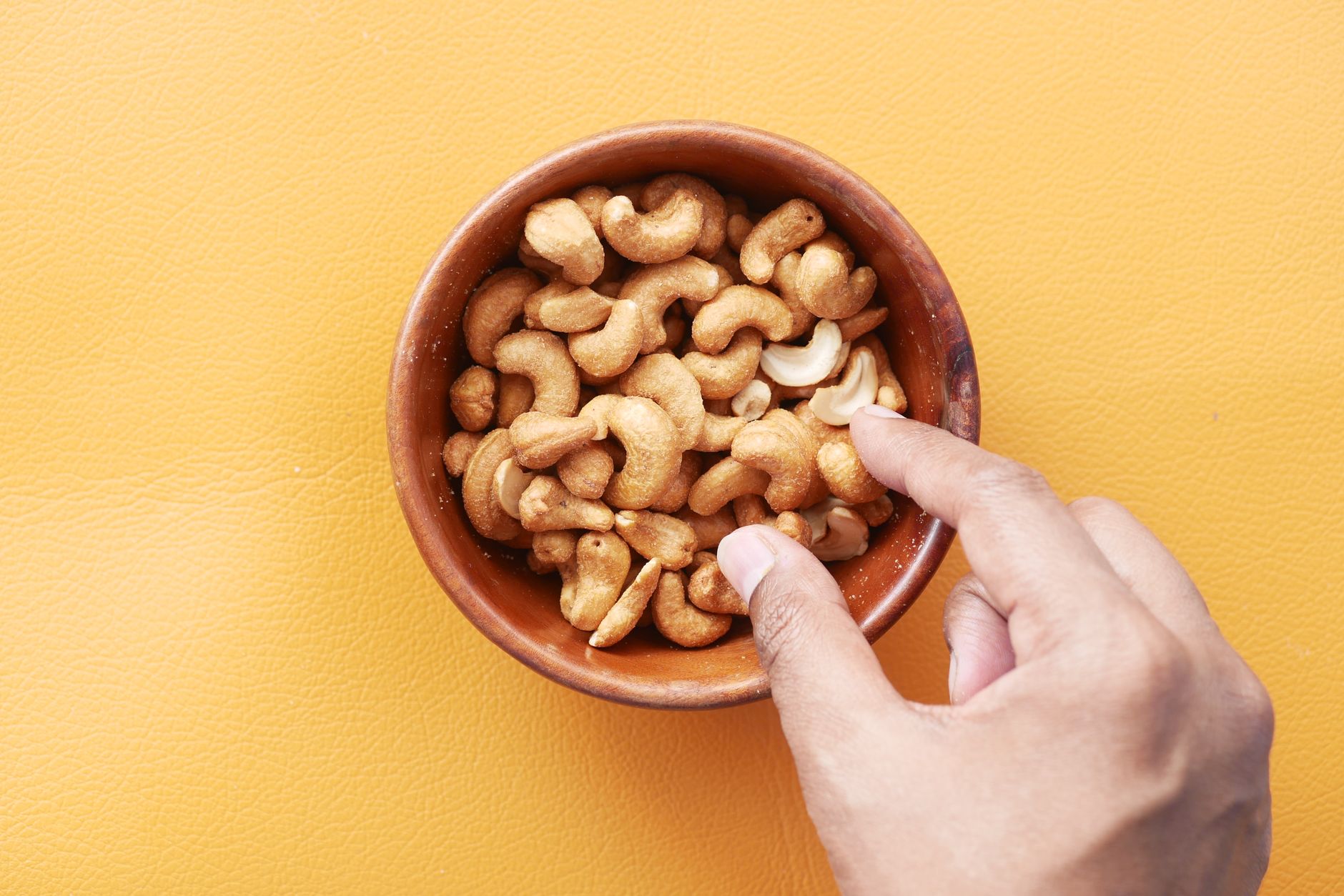
- Dark Chocolate (70% or higher) with Almonds: The fat in the almonds slows the absorption of the sugar in the chocolate.
- Apple Slices with Nut Butter: The perfect balance of natural fiber and healthy fats.
- Berries with Whipped Ricotta: Provides a creamy, indulgent texture with minimal sugar impact.
Implications: Changing the Mindset
The implication of this nutritional science is profound: Snacking should be viewed as a "mini-meal," not a distraction.
If you view a snack as a reward or a "treat," you are more likely to choose foods that offer immediate gratification (fast carbs) but long-term frustration. If you view a snack as a tool to bridge the gap between meals, you will naturally gravitate toward foods that provide sustained energy.
Behavioral Strategies for Snacking
- The "Wait and Hydrate" Rule: Thirst and hunger share the same neural pathways in the hypothalamus. If you feel the urge to snack, drink a full glass of water and wait ten minutes. If the hunger persists, it is true physiological hunger.
- Remove the "Grazing" Environment: If you keep processed snacks on the counter, you will eat them out of habit. Keep your high-protein, high-fiber snacks at eye level in the fridge or pantry.
- The Three-Option Rule: Do not overwhelm yourself with a pantry full of "healthy" options. Pick three staples—one protein-forward, one fiber-forward, and one sweet option—and keep them in rotation.
Official Responses and Expert Consensus
Health organizations like the Cleveland Clinic have consistently warned against the dangers of the "sugar-crash" cycle. Their research indicates that chronic spikes in blood glucose—caused by frequent, low-quality snacking—can lead to insulin resistance over time. By choosing snacks that minimize these spikes, you aren’t just curbing current hunger; you are protecting your long-term metabolic health.
When you replace the "infinite loop" snacks with nutrient-dense options, you will notice a change within 48 to 72 hours. The "ravenous" feeling that hits at 3:00 PM will soften, and your reliance on willpower will diminish because your body will no longer be fighting a physiological deficit.
Conclusion: The Path to Stable Energy
Ultimately, the goal of snacking is to provide just enough fuel to get you to your next balanced meal without disrupting your blood sugar or your focus. By prioritizing protein, fiber, and healthy fats, you take control of your hunger hormones rather than letting them dictate your day.
You don’t need a radical diet overhaul to see results. Start by swapping your afternoon pretzels for a handful of almonds or a serving of Greek yogurt. Once you experience the stability that comes from sustained blood sugar, the desire for the "snacking loop" will naturally fade. Stop fighting your biology, and start fueling it.


 Pevita Pearce





