



 Asro
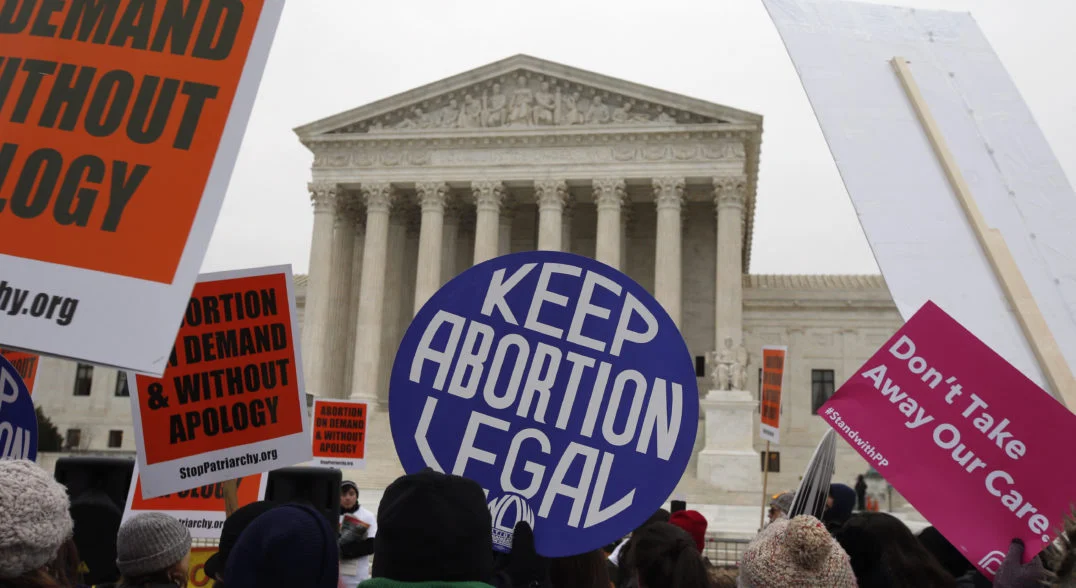
As the United States reflects on the decades following the landmark 1973 Roe v. Wade decision, the national conversation surrounding reproductive rights remains locked in a polarized stalemate. For nearly 50 years, the discourse has predominantly centered on a legal and moral binary: the constitutional rights of the individual versus the sanctity of the fetus. However, a groundbreaking longitudinal research initiative, the "Turnaway Study," has recently provided a wealth of data that shifts this perspective, suggesting that the debate must expand to include a critical, often overlooked demographic: the children already born, and those yet to be born, to individuals seeking abortion care.
The Turnaway Study: A Scientific Shift in Perspective
Conducted by Advancing New Standards in Reproductive Health (ANSIRH), the Turnaway Study represents the most comprehensive examination to date of the long-term health and socioeconomic consequences of abortion denial. For years, the study tracked individuals who sought abortions at facilities across the United States—some who were able to obtain them and others who were turned away because they were just past the gestational limit of the facility.
The final results of this study offer a sobering look at the collateral impact of restrictive reproductive policies. While anti-abortion advocates often ground their political platform in the protection of "the unborn," the empirical evidence suggests that such restrictions may inadvertently compromise the quality of life for children who are already alive and the families they belong to. By analyzing the economic stability, maternal bonding, and developmental outcomes of these families, researchers have illuminated a direct link between bodily autonomy and the prosperity of the American family unit.
A Chronology of Conflict: From Roe to the Present
The history of reproductive rights in the U.S. is a timeline of evolving legal standards and mounting political pressure.
- 1973: The Supreme Court issues its ruling in Roe v. Wade, establishing that the Due Process Clause of the Fourteenth Amendment creates a "right to privacy" that protects a pregnant individual’s liberty to choose to have an abortion.
- 1980s–1990s: The legal landscape begins to shift with the Hyde Amendment and the Planned Parenthood v. Casey decision, which allowed states to implement "undue burden" standards, leading to the first wave of mandatory waiting periods and parental consent laws.
- 2010–2018: A period of unprecedented legislative activity at the state level sees hundreds of TRAP (Targeted Regulation of Abortion Providers) laws passed, effectively shuttering dozens of clinics and creating "abortion deserts" in the South and Midwest.
- 2019–Present: With a reshaped Supreme Court, the legal protections of Roe face their most existential threat to date, as state legislatures accelerate "heartbeat bills" and other aggressive litigation aimed at overturning the foundational precedent.
Despite these near-constant attacks on clinical access, public opinion polling consistently demonstrates that a majority of Americans support the legal right to abortion. The discrepancy between the public’s desire for access and the political reality of its restriction highlights a systemic failure to address the reproductive realities of millions of Americans.
Supporting Data: The Economic Toll of Denial
One of the most compelling findings of the Turnaway Study is the correlation between abortion denial and long-term poverty. More than half of those seeking abortion care in the United States are already parents. When these individuals are denied the procedure, the economic impact is immediate and compounding.
The Cycle of Financial Instability
Research indicates that individuals denied an abortion are significantly more likely to fall below the federal poverty level within a few years of their initial request. The inability to manage family size in accordance with financial resources leads to increased household strain. When parents are forced to stretch limited budgets across an unplanned addition, the children already present in the home often suffer from a diminished quality of life. The study found that these children are more likely to live in households struggling to meet basic needs, including adequate nutrition, secure housing, and reliable transportation.
Maternal Bonding and Emotional Health
Economic hardship is rarely isolated from psychological well-being. The study noted that parents denied abortion care were more likely to report higher levels of "entrapment" or resentment compared to those who were able to access the care they sought. This, in turn, impacts the maternal-child bond. Conversely, those who were able to access abortion services were more likely to plan subsequent pregnancies at a time when they felt emotionally and financially prepared. This "intentionality" serves as a protective factor for future children, who enter environments characterized by greater stability and parental readiness.
Official Responses and Expert Analysis
Dr. Diana Greene Foster, the lead researcher of the Turnaway Study, has been instrumental in framing this data for a broader audience. Her analysis moves beyond the "women’s rights vs. fetus’s rights" dichotomy, arguing that the issue is inherently about the timing of motherhood.
"Many of us are alive today because our mothers were able to avoid carrying a prior unwanted pregnancy to term," Dr. Foster has noted. Her work emphasizes that the ability to control one’s reproductive life is a prerequisite for being an effective, present, and capable parent.
Critics of the study, often representing anti-abortion organizations, have countered by arguing that economic hardship should not justify the ending of a pregnancy. They maintain that resources should be directed toward social support for struggling families. However, proponents of reproductive justice argue that these two goals are not mutually exclusive; rather, they are interdependent. If the state truly cares about the wellbeing of children, it must support the fundamental right of parents to decide when they are capable of bringing a child into the world.
Implications for Reproductive Justice
The framework of "Reproductive Justice," a term coined by Black women, encompasses three essential human rights: the right to have children, the right to not have children, and the right to parent the children one has in safe and healthy environments. The Turnaway Study serves as a powerful validation of the third pillar.
The Myth of the "Pro-Life" Label
The movement that identifies as "pro-life" often centers its rhetoric on the sanctity of life at the moment of conception. However, the data forces a moral recalculation. If a policy results in children living in poverty, experiencing food insecurity, and enduring the stress of a parent who was forced into a role they were not prepared to inhabit, can that policy be considered "pro-life"?
True reproductive justice requires a shift in how society views the family. It demands that we stop viewing abortion as an isolated medical event and instead recognize it as a fundamental tool for family planning and socioeconomic stability. When parents have control over their reproductive futures, they are not only more successful in their own lives but are better positioned to provide for the children they already have.
The Path Forward: Policy and Advocacy
The implications of this research are clear: to improve the outcomes for the next generation of American children, the nation must protect and expand access to comprehensive reproductive health care. This includes:
- Removing Barriers: Eliminating medically unnecessary waiting periods and mandatory travel requirements that disproportionately punish low-income families.
- Expanding Economic Support: Integrating reproductive health care into a broader social safety net that recognizes that "pro-family" policy must include the right to choose the timing of pregnancy.
- Redefining the Narrative: Moving the legislative and cultural focus toward the tangible, long-term health outcomes of children and their existing siblings, rather than focusing solely on the prenatal stage.
Conclusion: A New Standard of Care
The 46th anniversary of Roe v. Wade served as a grim reminder of how precarious fundamental rights can be in the face of shifting political tides. However, the data provided by the Turnaway Study offers a beacon of evidence-based advocacy. We now know, with clinical certainty, that denying abortion care does not just affect the person seeking the procedure—it leaves a lasting, often negative mark on their existing children and their future families.
If the goal of our society is to ensure that every child is born into a situation where they are loved, supported, and provided for, then we must defend the autonomy of their parents. The ability to plan a family is not an act against life; it is an act of profound responsibility toward the lives already in our care. To be truly "pro-life" is to ensure that parents have the agency to decide when they can provide the best life possible for their children. Anything less is a failure to the very families we claim to protect.


 Muslim

 Reynand Wu