


 Iffa Jayyana
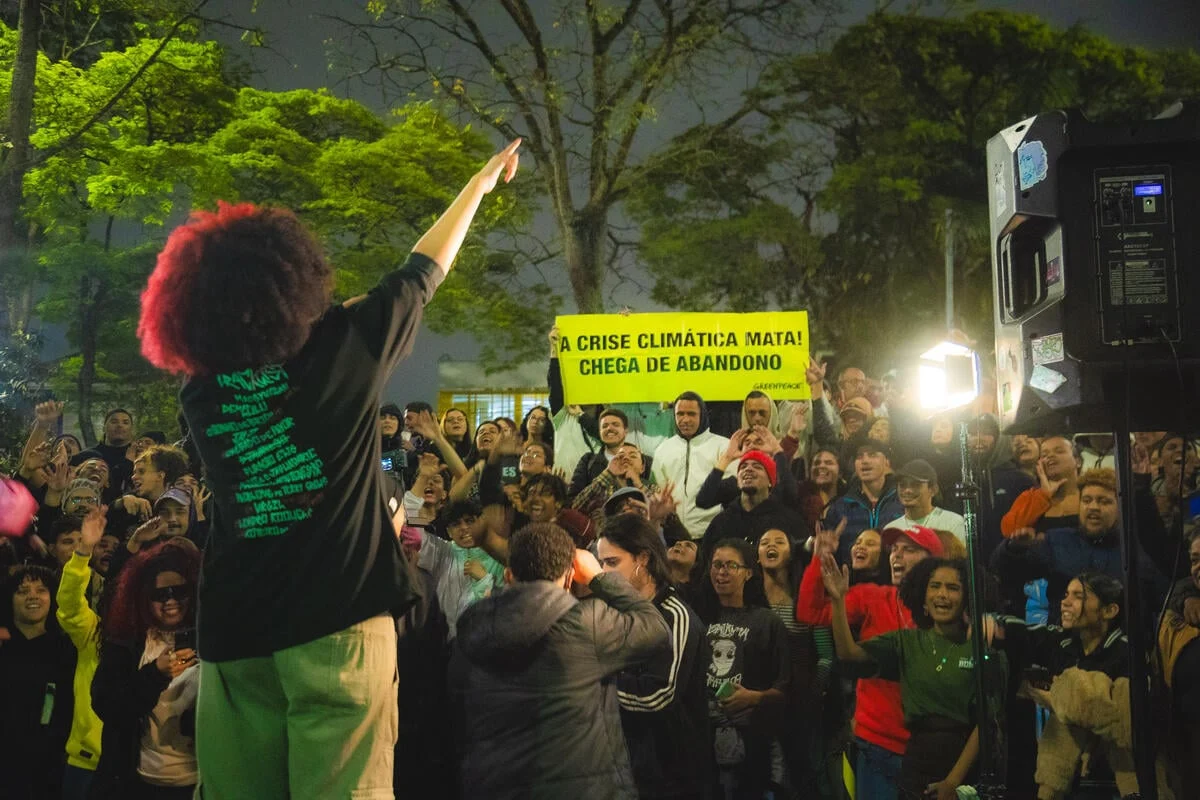
In the heart of São Paulo’s peripheral communities, where the asphalt meets the grit of daily survival, a new movement is taking shape. It isn’t happening in the hushed corridors of government ministries or the sterile meeting rooms of international summits; it is erupting on stages made of wooden pallets and spray-painted concrete. Through the initiative Corre de Quebrada (roughly translated as "The Hood Hustle"), Greenpeace Brazil has forged a transformative alliance with the nation’s vibrant hip-hop and slam poetry scenes, turning freestyle rap battles into a front line for climate advocacy.
As the climate crisis accelerates, the most marginalized populations—those living in favelas and under-resourced urban peripheries—are bearing the brunt of the fallout. By bridging the gap between artistic expression and environmental policy, Corre de Quebrada is proving that the rhythm of the streets is, in fact, the pulse of a necessary political revolution.
The Genesis of the Movement: From Batalha da Matrix to National Consciousness
The Batalha da Matrix, one of the most storied and influential MC battle circuits in Brazil, serves as the spiritual home of this project. Founded in 2013 by a collective of young MCs, graffiti artists, and skaters in the ABC region of São Paulo, the event has long been a bastion of "peripheral resistance." For the youth of these neighborhoods, the batalha is not merely entertainment; it is an exercise in lyrical combat and collective catharsis.
Recognizing the potency of these spaces, Greenpeace Brazil sought to engage with communities that were already practicing a form of localized politics through rhyme. "Batalha" is defined by the improvisational skill of MCs—a high-stakes freestyle performance evaluated by peers and judges. By integrating climate justice themes into these competitions, the project has successfully translated abstract environmental concepts into the lived experiences of those who navigate flood-prone streets and infrastructure deserts daily.
A Chronology of Resistance: Expanding the Reach
The journey of Corre de Quebrada has been marked by a deliberate, city-by-city expansion, ensuring that the movement remains rooted in local narratives.
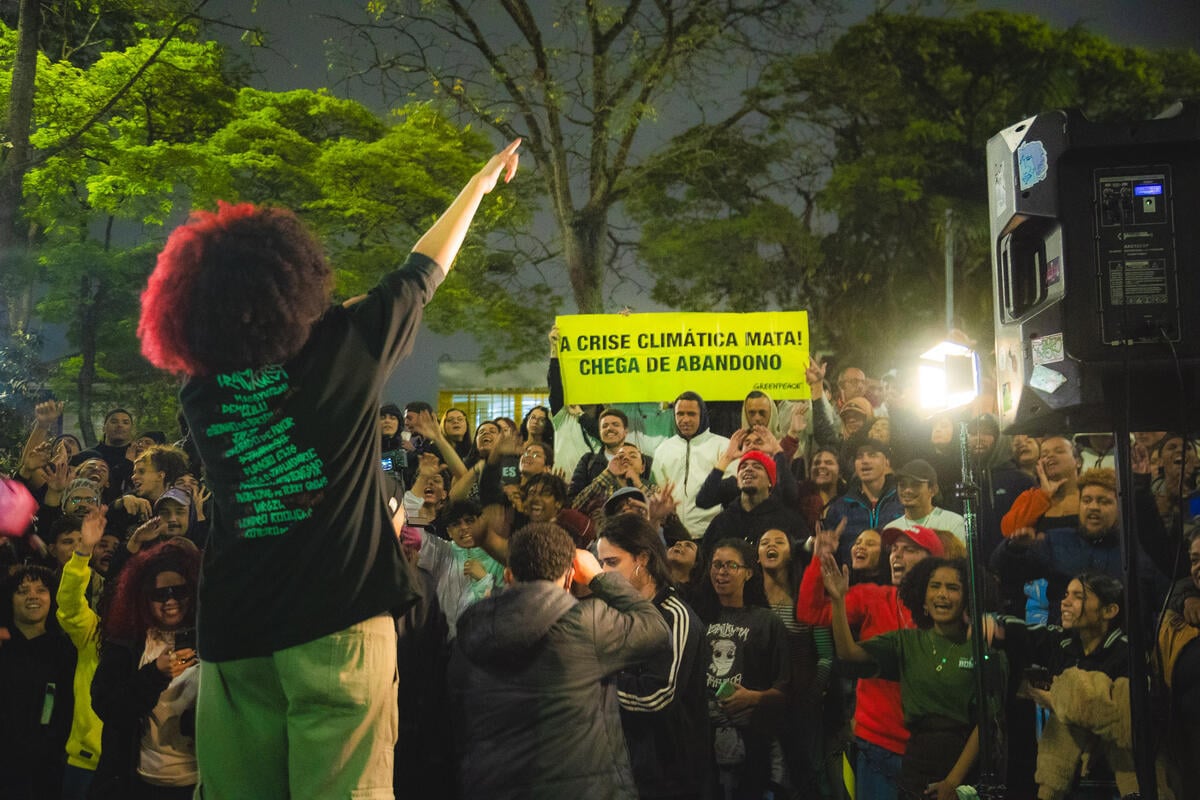
- 2023–2024: The foundational period saw Greenpeace Brazil embedding itself within the Batalha da Matrix community, moving from observation to collaborative partnership.
- 2025: The project scaled significantly, hosting rhyme battles across five major Brazilian hubs: São Bernardo do Campo, Belém (coinciding with the high-stakes atmosphere of COP30), João Pessoa, Rio de Janeiro, and Recife.
- Late 2025 – 2026: A pivotal moment occurred when the legendary Rainbow Warrior, Greenpeace’s flagship vessel, became a stage for climate justice rap battles in Rio de Janeiro. This brought the "hood" to the high seas, bridging the gap between international environmental activism and the local struggle for rights.
- October 2026: The project celebrated its one-year anniversary at the 13th anniversary of Batalha da Matrix. The event, themed "A journey back to the beginning," used circus aesthetics to reflect on the history of struggle in the peripheries, emphasizing that for the favela, "culture has always been a struggle."
Supporting Data: The Reality of the Periphery
The urgency of this initiative is grounded in cold, hard data. According to research conducted by Teto Brasil, an alarming 86% of favelas and peripheral communities faced at least one extreme climate event in 2025. These events are not isolated natural disasters; they are manifestations of a deep-seated inequality.
In these communities, the climate crisis manifests as "environmental racism." When extreme rainfall hits, it is the residents of the favelas—often living in areas with poor sanitation and lack of disaster mitigation infrastructure—who suffer the most. Their homes are flooded, their employment is threatened, and their children’s education is disrupted. The rhyme battles organized by Corre de Quebrada serve as a conduit for this reality, transforming statistics into raw, emotional narratives that demand the attention of public authorities.
Official Perspectives and Personal Testimonies
The impact of the project is perhaps best understood through the words of the artists themselves, who have transitioned from being victims of climate neglect to becoming active participants in the policy discourse.
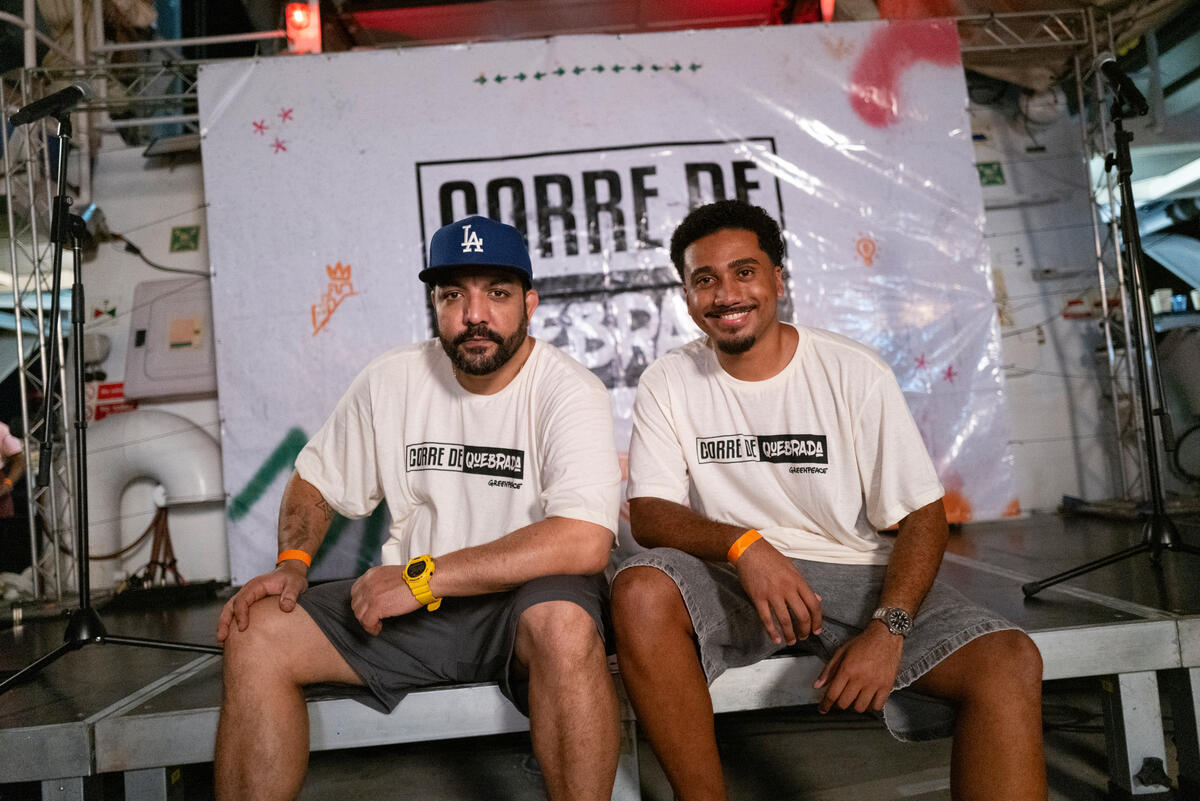
"The rhyme battle is where we organize our anger, our revolt," explains Gaio Jorge, a cultural producer and organizer for the Rio de Janeiro chapter of the project. "It is where youth show themselves to be catalysts for solutions for the place where they live."
This sentiment is echoed by MC Mileny, a three-time champion of the Brazilian Slam Championship. "I became a climate activist. I always experienced these issues, but I only associated everything I experienced to the climate agenda… after I started participating in Corre de Quebrada."

The project has fundamentally shifted the identity of its participants. For many, like MC Magrão, the realization was visceral: "I understand now that it has everything to do with what I live." By providing a framework—climate justice—to explain their daily hardships, the project has empowered these young leaders to demand rights such as basic sanitation and disaster-resilient infrastructure.
Implications: The Path Toward Inclusive Policy
The implications of Corre de Quebrada are profound for both the environmental movement and local governance. By centering the voices of those on the front lines, the project challenges the traditional, top-down approach of environmental NGOs.
Culture as the Strategy
Often, culture is treated as a "soft" or peripheral element of social movements. Corre de Quebrada flips this script. Here, culture is not a decorative add-on; it is the primary strategy for building engagement, belonging, and political literacy. By speaking the language of the community—literally and figuratively—the movement builds trust that top-down policy initiatives often fail to generate.
Beyond Statistics
The ultimate goal is to force a shift in how public authorities perceive peripheral populations. For too long, these communities have been viewed as "statistical data points"—vulnerable zones to be managed or ignored. Corre de Quebrada asserts that these residents are not merely victims; they are the architects of their own survival and the most qualified leaders for regional climate solutions.
A Network of Resistance
The project has evolved into a "living network" that refuses to be silenced. By utilizing the Rainbow Warrior as a venue and producing high-profile digital content, the initiative has successfully amplified peripheral voices on a national and international stage. The call to action is clear: the future of the climate agenda in Brazil cannot, and will not, be decided without the input of those who have been most affected by the crisis.
Conclusion: The Future is Rhymed
As Corre de Quebrada enters its second year, it stands as a testament to the power of art to catalyze social change. It has created a space where "the right to dream" is no longer in competition with the "daily struggle for survival."
The movement is a reminder that climate justice is inherently linked to social justice. To address the climate crisis, we must address the systemic barriers that prevent marginalized communities from living with dignity. By turning the microphone over to those who know the sting of environmental racism firsthand, Greenpeace Brazil and the artists of the Batalha da Matrix have launched a powerful, rhythmic, and necessary challenge to the status quo. The struggle for the climate is being fought on many fronts, but in Brazil, the most important ones are currently being won on the stage, one verse at a time.

 Basiran

 Nila Kartika Wati