 Muslim
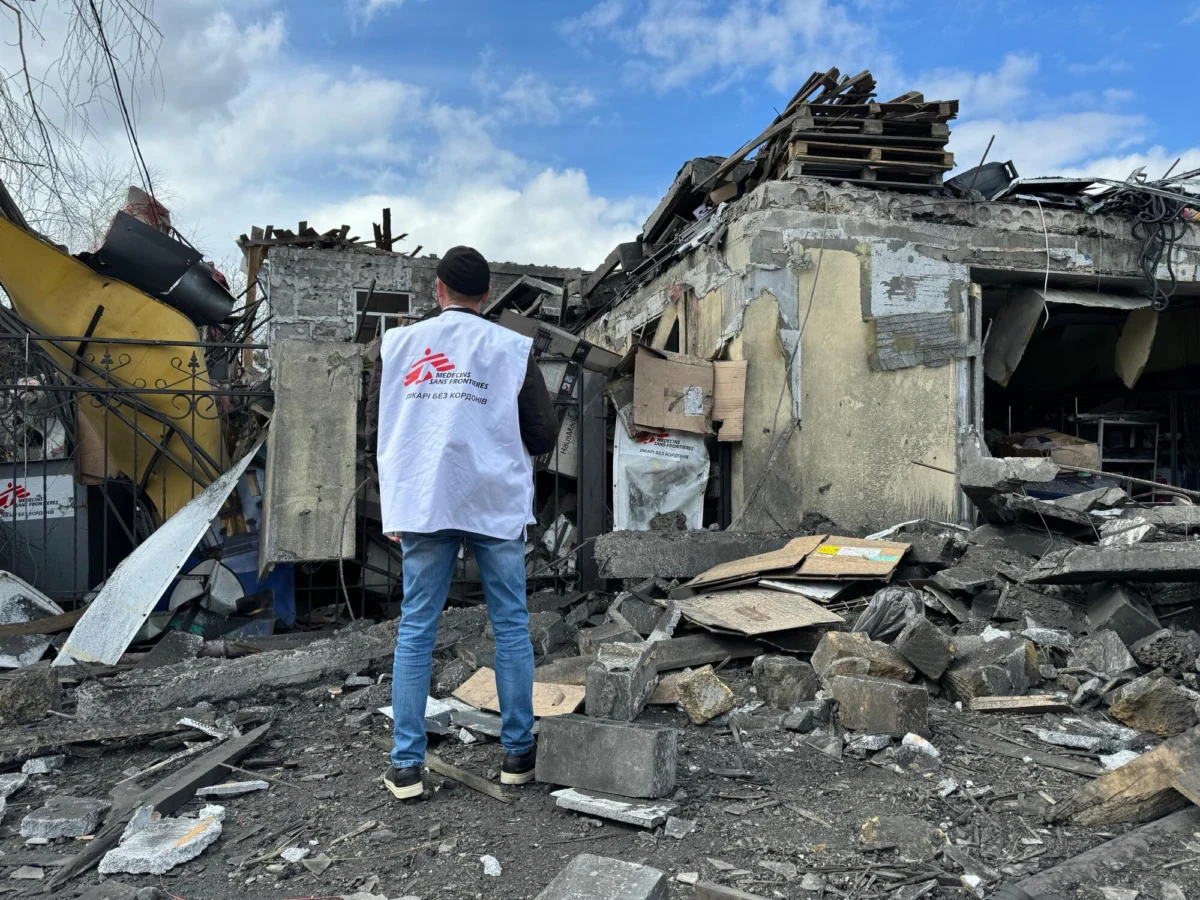
As of February 2026, the conflict in Ukraine has reached a somber four-year milestone since the full-scale invasion of February 24, 2022. What began as an escalation of a localized conflict in the Donbas region in 2014 has morphed into a protracted, nationwide struggle that has fundamentally reshaped the geopolitical and humanitarian landscape of Eastern Europe. With 15,000 lives lost and over 41,000 individuals suffering from life-altering injuries, the human cost of this war is immeasurable. Organizations like Doctors Without Borders (Médecins Sans Frontières, or MSF) have remained on the front lines, bearing witness to a health system pushed to the brink of collapse.
The Human Toll: A Landscape of Displacement and Trauma
The statistics of the conflict paint a harrowing picture of modern warfare’s impact on civilian life. According to the United Nations, nearly 10 million people—roughly a quarter of the pre-war population—have been forced to flee their homes, either crossing international borders as refugees or becoming internally displaced persons (IDPs).
As of January 2026, approximately 4.6 million people remain internally displaced within Ukraine. These individuals often find themselves in precarious living conditions, sheltering in makeshift facilities ranging from repurposed train stations and abandoned schools to sparse tent cities. The Dnipropetrovsk region has emerged as a critical humanitarian transit hub, struggling to accommodate the constant influx of families fleeing active combat zones in the east and south.
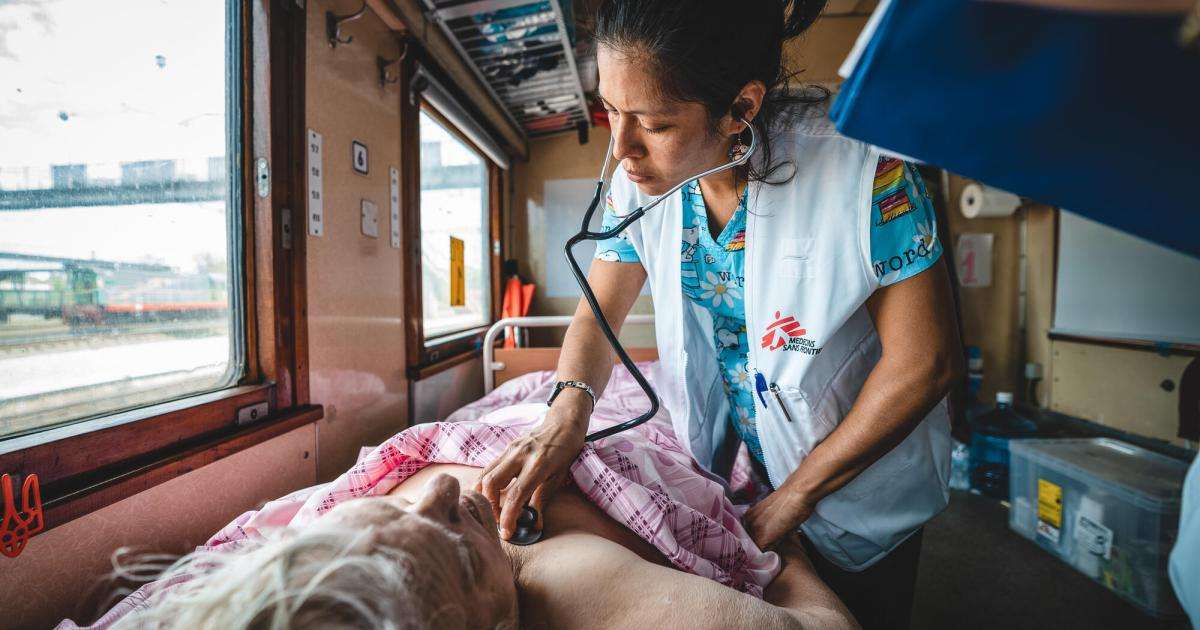
The physical trauma is compounded by the psychological devastation of living under constant shelling. As the war drags on, the prevalence of post-traumatic stress disorder (PTSD) has reached staggering levels. For the millions of Ukrainians living in these conditions, the simple act of survival—finding warmth without electricity, securing clean water, and accessing medication—has become a full-time, often dangerous, occupation.
Chronology: From Escalation to Protracted Conflict
To understand the current state of the Ukrainian health crisis, one must trace the timeline of the conflict’s evolution:
- 2014–2021: The precursor period, characterized by localized violence in the east and the initial disruption of public health services in the Donbas.
- February 2022: The full-scale invasion, which necessitated an immediate shift in humanitarian focus. MSF and other NGOs began urgent refurbishments of hospitals in Dnipro, Donetsk, and surrounding areas to handle the mass-casualty events that followed the initial bombardment.
- 2023–2024: The conflict deepened, with infrastructure—including power grids and water systems—becoming primary targets. This period saw a rise in chronic health issues, as the supply chains for essential medications for diabetes, hypertension, and TB were severed.
- 2025–2026: A period of stabilization for the front line, but one defined by "attrition medicine." The health system is now burdened with the long-term needs of war-wounded patients, including complex surgical recoveries, amputations, and the systemic rehabilitation of survivors.
Supporting Data: The Medical Burden
The data collected by field organizations highlights a health system in survival mode. Since the 2022 escalation, MSF has been a pillar of the medical response, operating with 381 staff members across key regions including Kharkiv, Donetsk, Dnipropetrovsk, Zaporizhzhia, Kherson, and Mykolaiv.

The scale of intervention is evidenced by the following figures (as of 2025):
- Outpatient Consultations: Over 370,000 sessions have been provided through mobile clinics, bridging the gap left by the destruction of local pharmacies and primary care clinics.
- Emergency Admissions: In 2025 alone, MSF teams in Kherson admitted 12,904 patients to emergency departments and conducted over 1,000 surgical procedures.
- Ambulance Referrals: Seven specialized ambulances and a heavy-duty medical transport truck facilitated 10,722 patient transfers in 2025. Notably, 60 percent of these patients were suffering from war-related injuries, highlighting the intense pressure on local facilities to clear space for new casualties.
- Mental Health: In the city of Vinnytsia, 3,580 consultations were dedicated specifically to PTSD, a testament to the long-term psychological scarring of the population.
The Disruption of Continuity: Chronic Disease and Neglect
While the immediate imagery of the war is one of shrapnel wounds and bomb blasts, the silent, slow-moving crisis involves the interruption of care for chronic diseases. Before 2022, Ukraine had made significant strides in managing its high burden of tuberculosis (TB) and HIV/AIDS.
Warfare, however, is the enemy of chronic disease management. When hospitals are damaged, electricity is cut, and supply chains for second-line TB drugs are broken, the risk of multi-drug-resistant outbreaks skyrockets. In regions like Kherson and Mykolaiv, where the historical incidence of TB is high, the collapse of screening programs has created a "medical vacuum." MSF teams have pivoted to active screening, attempting to re-establish the baseline of care that existed before the invasion, but the environment remains volatile.

Official Responses and Humanitarian Challenges
International aid agencies have faced unprecedented challenges in this theater of operations. The proximity of bombardment has forced the abandonment of six hospitals and numerous mobile clinic locations. These facilities, once refurbished and equipped by international donors to handle the surge in patients, have in some cases been destroyed or left inaccessible.
The "humanitarian space"—the neutral ground required for doctors to operate safely—is frequently compromised. As the conflict intensifies, the cost of inaction is reflected in the faces of the elderly and the disabled, who are often the last to leave frontline areas and the least able to advocate for their own medical needs.
Furthermore, the government of Ukraine, working alongside international partners, has attempted to digitize medical records and centralize the referral system to ensure that patients can receive follow-up care in western Ukraine. However, the sheer volume of patients requiring specialized physiotherapy and prosthetic fittings for amputations remains far beyond current national capacity.

Long-term Implications: A Generation of Trauma
The implications of this four-year conflict extend far beyond the immediate cessation of hostilities. The medical community is preparing for a "long tail" of requirements:
- The Rehabilitation Crisis: Tens of thousands of people require long-term physiotherapy and orthopedic care. The current infrastructure for early rehabilitation, such as the programs MSF runs in Cherkasy, must be scaled up significantly to prevent permanent disability.
- Psychological Reconstruction: The societal burden of PTSD, depression, and anxiety will require a mental health infrastructure that is currently in its infancy. Integrating mental health support into primary care will be essential to preventing a secondary crisis of domestic instability and suicide.
- The "TB Resurgence" Risk: Public health experts warn that if the disruption of TB and HIV/AIDS services continues, the region could see a surge in infectious diseases that will have cross-border implications for the entirety of Europe.
- Institutional Erosion: The systematic destruction of hospitals and medical schools has decimated the local knowledge base. Rebuilding this will require not just physical infrastructure, but a massive commitment to human capital development.
Conclusion: The Mandate to Stay
As the war enters its fifth year, the role of humanitarian organizations has shifted from "emergency response" to "sustained presence." The resilience of the Ukrainian people is mirrored by the determination of the medical staff who continue to navigate shelled corridors and blackouts to deliver care.
The story of the war in Ukraine is not merely one of geopolitical maneuvering or military strategy; it is a story of a public health system that refuses to be silenced by artillery. Whether through a life-saving ambulance transfer from the eastern front or a quiet therapy session in a Vinnytsia clinic, the effort to preserve life remains the most critical front of the conflict. The world must recognize that even if the headlines shift, the humanitarian emergency in Ukraine is far from over—it is, in many ways, only becoming more complex.

 Siti Muinah
 Ali Ikhwan