

 Asro
As the calendar turns to May, the agricultural landscape across North America undergoes a profound transformation. For the professional farmer and the dedicated homesteader alike, this month represents a critical window of opportunity. Whether you are managing acreage in the sweltering heat of the southern plains or navigating the shorter, cooler growing seasons of the northern latitudes, May serves as the definitive bridge between spring preparations and the height of the summer harvest.
Strategic planting in May requires a nuanced understanding of regional microclimates, soil conditions, and market demands. While the weather remains the primary variable in determining success, modern horticultural techniques—including the use of row covers, greenhouse propagation, and irrigation management—provide the necessary buffer to ensure that almost any crop can reach maturity, provided that day-length requirements are respected.
Main Facts: The Foundations of May Success
The overarching philosophy for May planting is a combination of necessity and opportunity. For farms targeting the summer market, the focus should remain on high-yield, high-demand crops that have historically proven successful in the specific region. However, there is also room for calculated experimentation. Incorporating an "atypical" crop—one that is not commonly grown in your specific locale—can be a transformative endeavor. The value of such an experiment often exceeds its immediate market revenue, as the knowledge gained from mastering a new variety provides long-term resilience and diversification for the farm operation.
When planning your May rotation, keep the following core principles in mind:
- Direct Sowing vs. Transplanting: Understanding which crops thrive from seed-to-soil versus those that require a nursery start is essential.
- Soil Temperature: Ensure the soil has warmed sufficiently. Many of the crops listed below are thermophilic (heat-loving) and will remain stunted or succumb to rot in cold, wet soil.
- Succession Planting: May is the time to start the first or second waves of succession planting for quick-maturing crops, ensuring a steady harvest through the late summer.
Chronology of the Season: Planning Your May Calendar
The rhythm of the farm in May is dictated by the progression of the sun and the receding threat of frost.
Early May: The Transition
In regions with shorter seasons, early May is the last call for cool-weather crops and the first moment to safely introduce frost-sensitive varieties. If you are in a climate that still experiences lingering morning chills, the focus should be on preparing beds and installing season-extenders.
Mid-May: The Primary Window
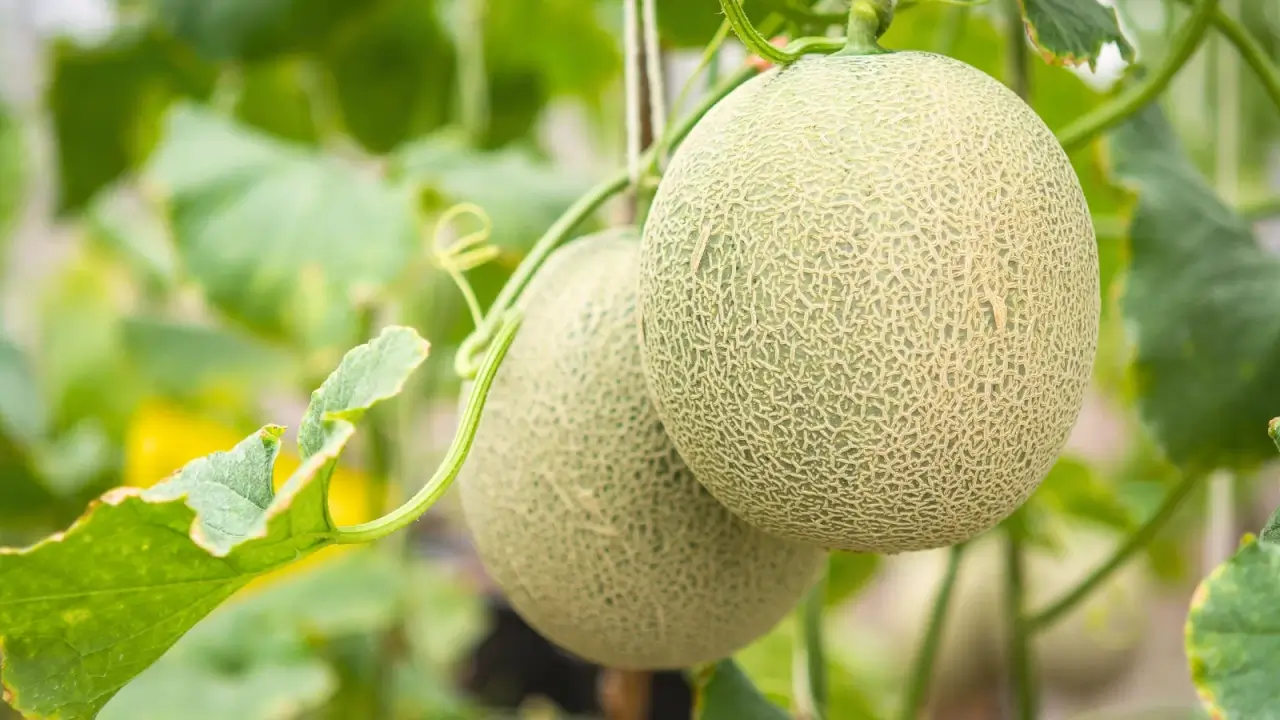
By mid-month, soil temperatures typically stabilize across most of the continent. This is the optimal time for the "Big Plant"—the insertion of heavy-feeding solanaceous crops (eggplant, peppers, tomatoes) and the expansive cucurbits (melons, squash).
Late May: Maintenance and Succession
As the month wanes, the focus shifts from planting to maintenance. This is the time for initial mulching, irrigation setup, and sowing the final successions of quick-growing legumes or late-season flowers to ensure continuous production.
Supporting Data: Key Crops for the May Harvest
To maximize your yield, it is vital to select varieties that align with your environmental constraints. Below is a detailed breakdown of essential crops for the month.
1. Melons: The Heat-Seekers
Cantaloupe, watermelon, and honeydew are the quintessence of summer. In regions with long, hot summers, these crops should be sown directly in May.
- Strategy: Melons require significant space. If growing on a trellis, ensure the structure is robust enough to support the fruit as it gains weight.
- Nutrition: Implement a weekly diluted fertilizer regimen. Consistent nitrogen and potassium levels are essential for sugar development in the fruit.
- Regional Nuance: Coastal farmers should lean toward watermelons, which thrive in sandy, saline-resistant soils. Inland, musk melons prefer richer, nutrient-dense substrates.
2. Eggplant: The Transplant Essential
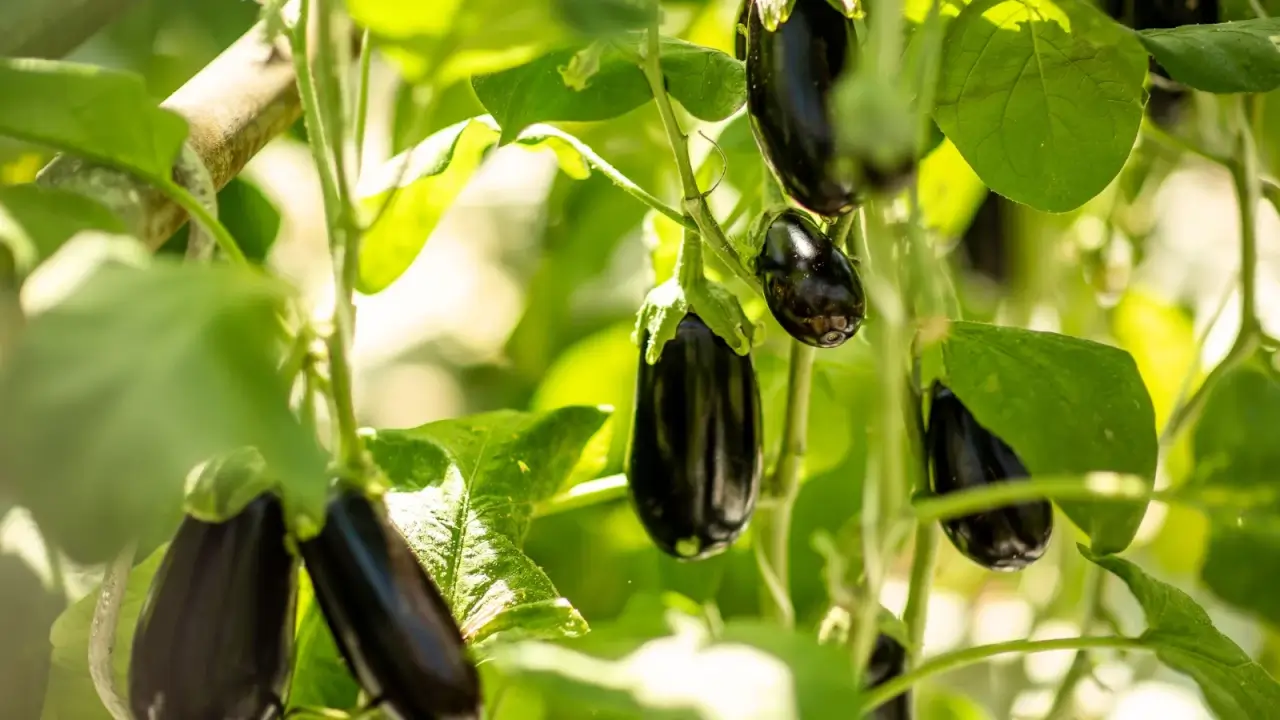
Unlike many crops on this list, eggplants almost always require transplanting for successful development. With a maturity window of at least ten weeks, May is the final chance to get these plants established to beat the late-summer cooling.
- Variety Selection: For high-volume warmth-lovers, ‘Epic’ is a industry standard. For smaller, more compact plants that still yield heavily, ‘Orient Express’ provides excellent results even in slightly cooler summers.
3. Okra: The Prolific Producer
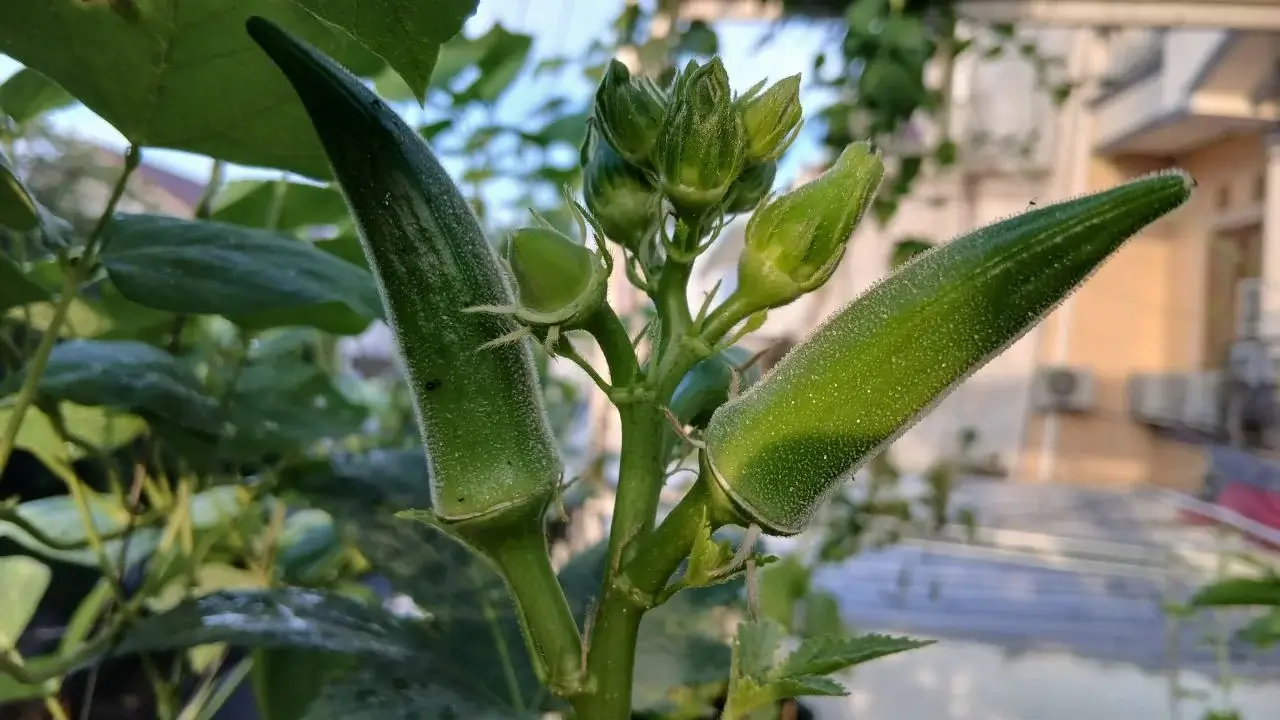
Okra is synonymous with summer heat. Its ability to produce under intense sun is unmatched.
- Market Insight: Because okra is so productive, it is a staple for the summer market stand. To avoid the labor-intensive harvest of spiny varieties, prioritize the ‘Clemson Spineless 80’ or similar cultivars. This simple selection choice significantly increases harvest speed and worker comfort.
4. Corn: The Staple
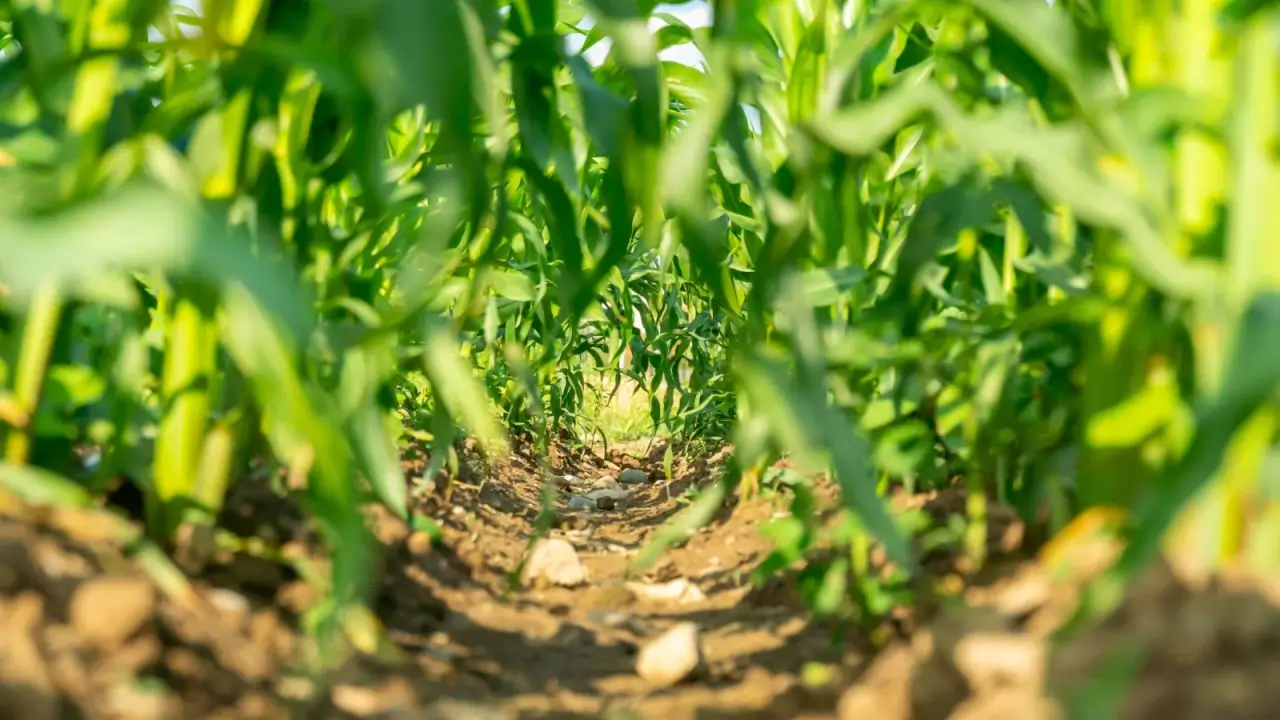
Whether you are planting sweet corn for direct sale, dent corn for processing into masa or cornmeal, or flint varieties for traditional use, corn requires at least two and a half months of frost-free weather.
- Sustainability: Consider incorporating open-pollinated, heirloom varieties to contribute to the preservation of agricultural genetic diversity.
5. Legumes: The Soil Builders
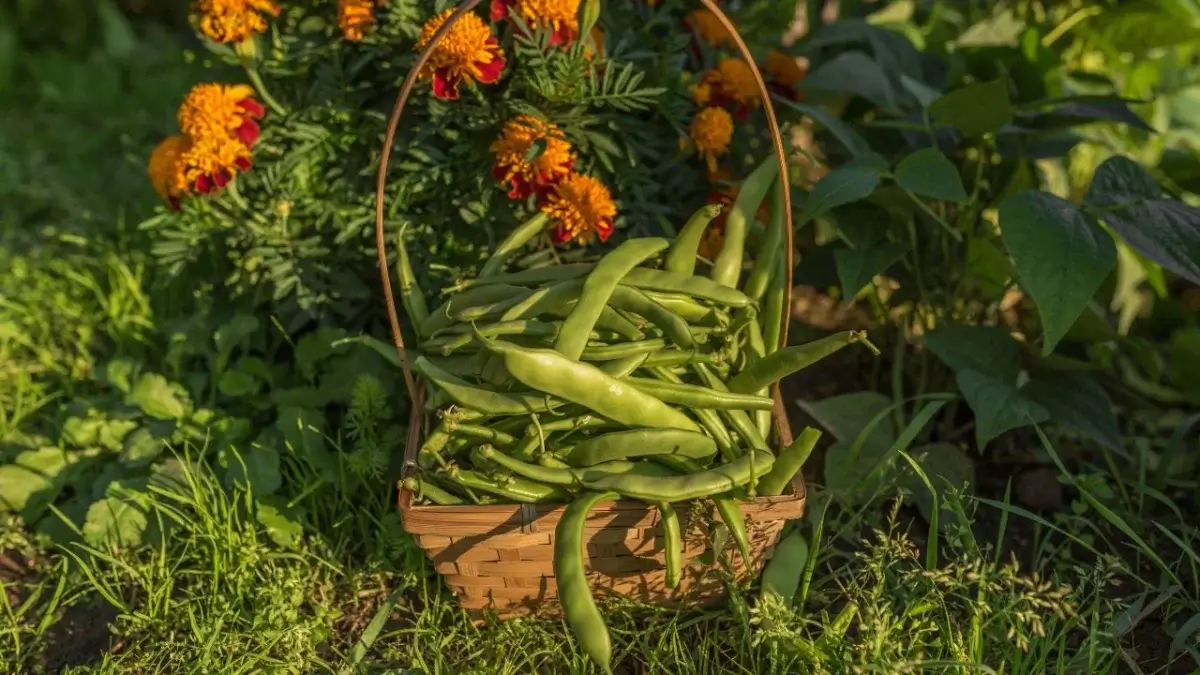
Green and shelling beans are versatile and vital.
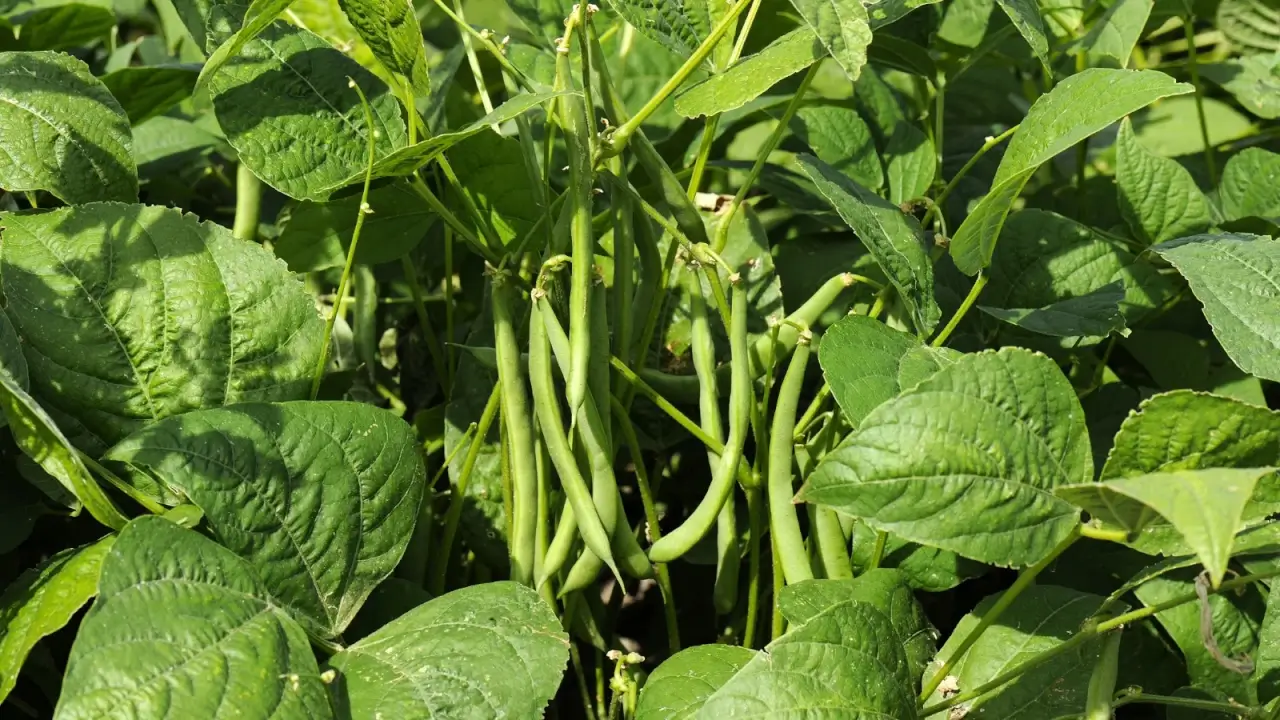
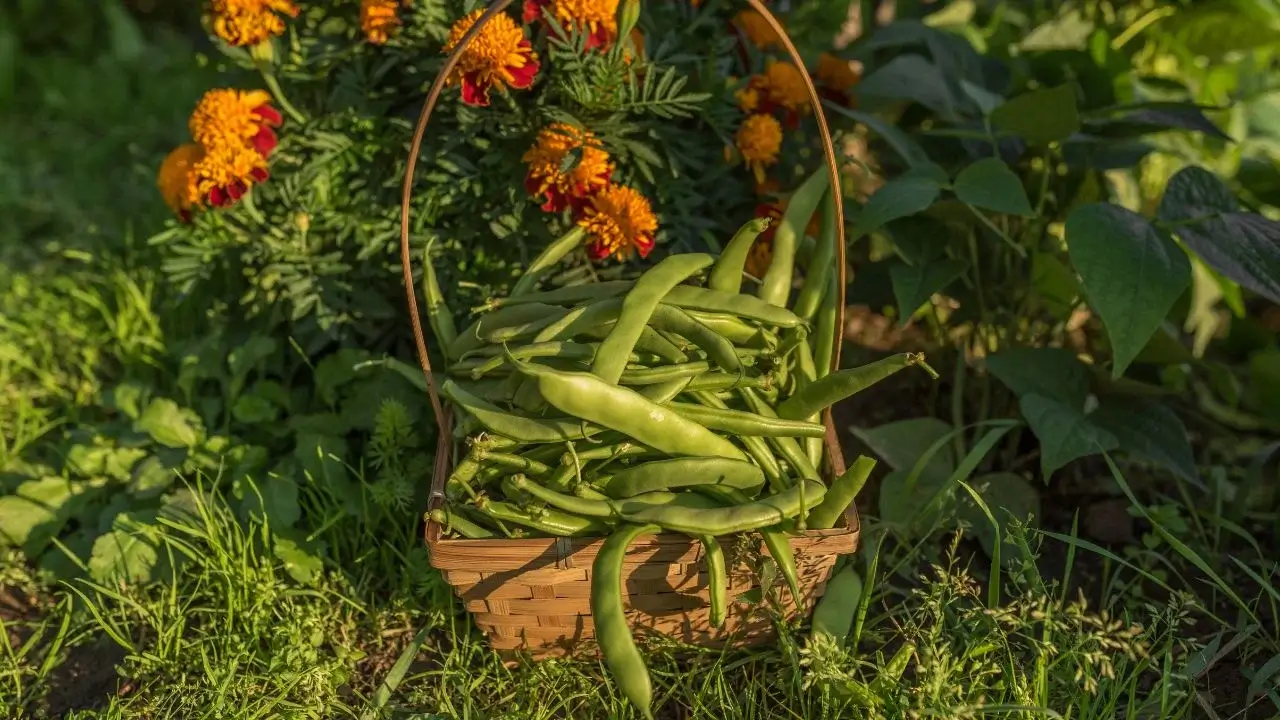
- Diversity: In cool-summer regions, fava beans are the star of May. In the arid Southwest, farmers have historically relied on tepary beans—a drought-tolerant legume that has been perfected by indigenous communities over centuries of selection for extreme heat and erratic moisture.
6. Squash and Grains
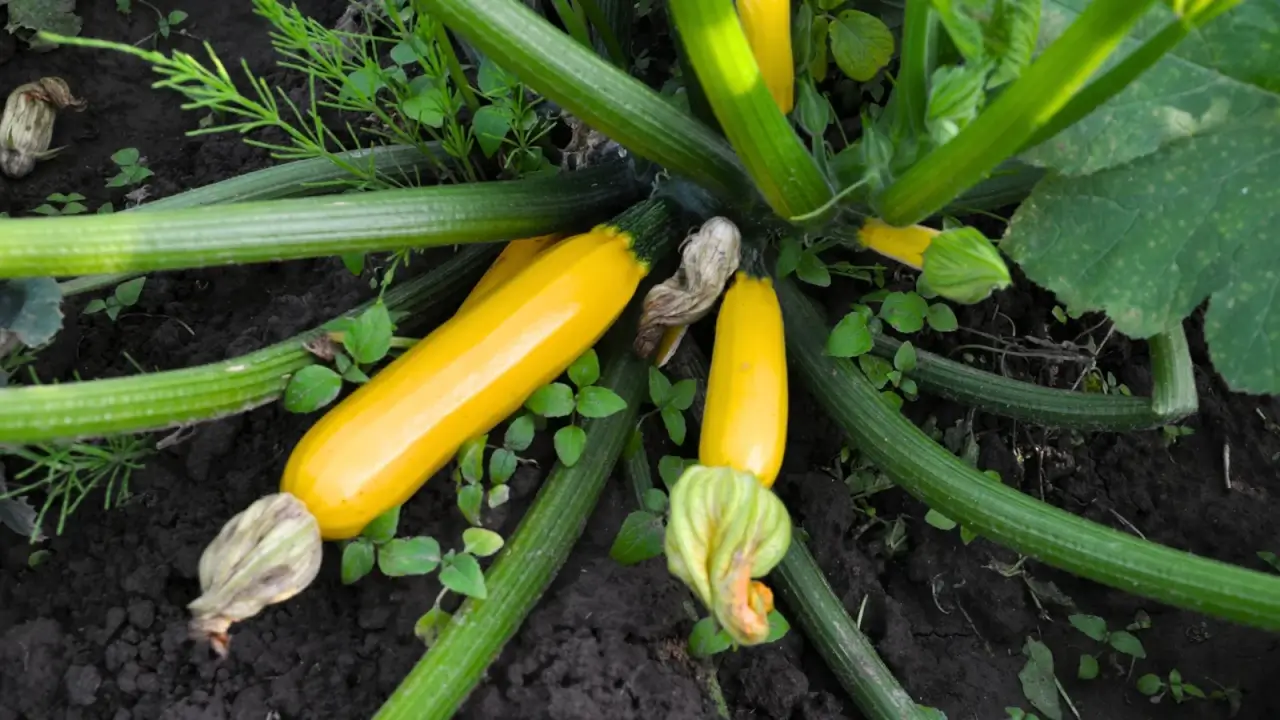
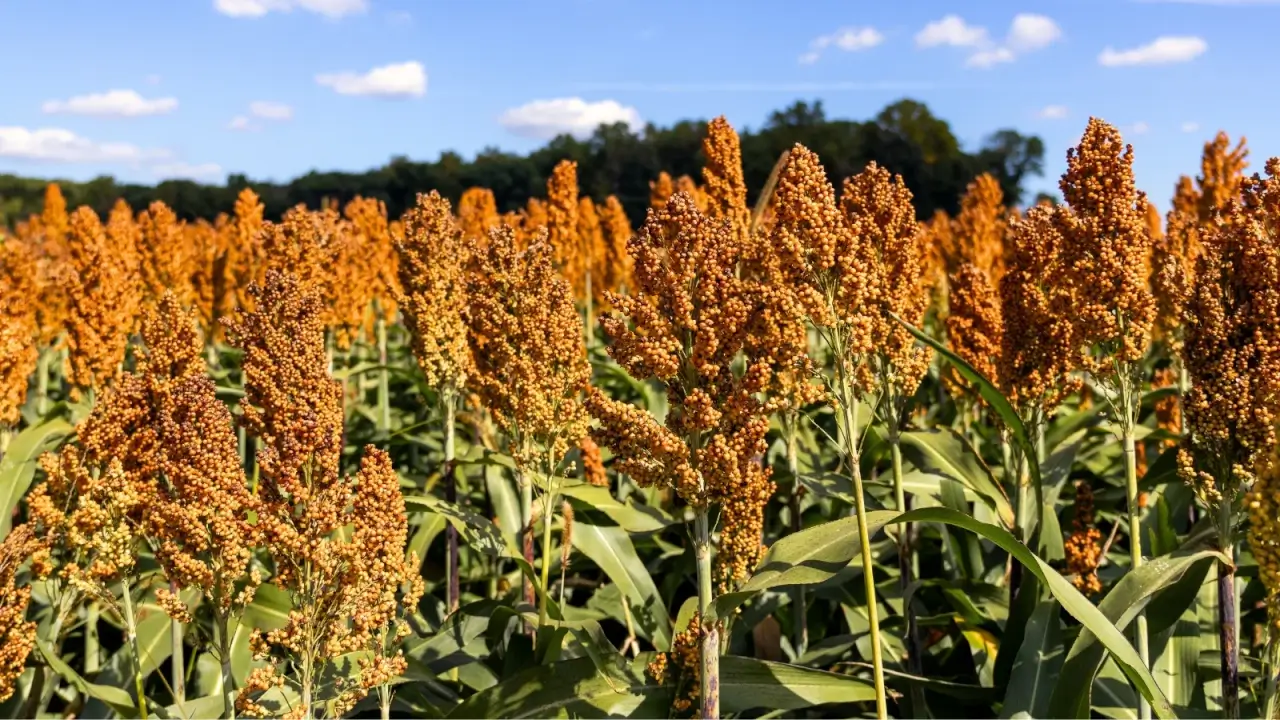
Pumpkins for autumn harvest should be in the ground now in colder regions. Meanwhile, grains like amaranth offer both aesthetic value for flower arrangements and high-protein edible leaves. Sorghum and millet remain the best choices for long, dry summers where water conservation is a priority.
Official Perspectives: The Role of Flowers in Farm Resilience
Agricultural extension services and veteran farmers emphasize that the farm should not be a monoculture. The integration of flowers is a non-negotiable component of a healthy ecosystem.
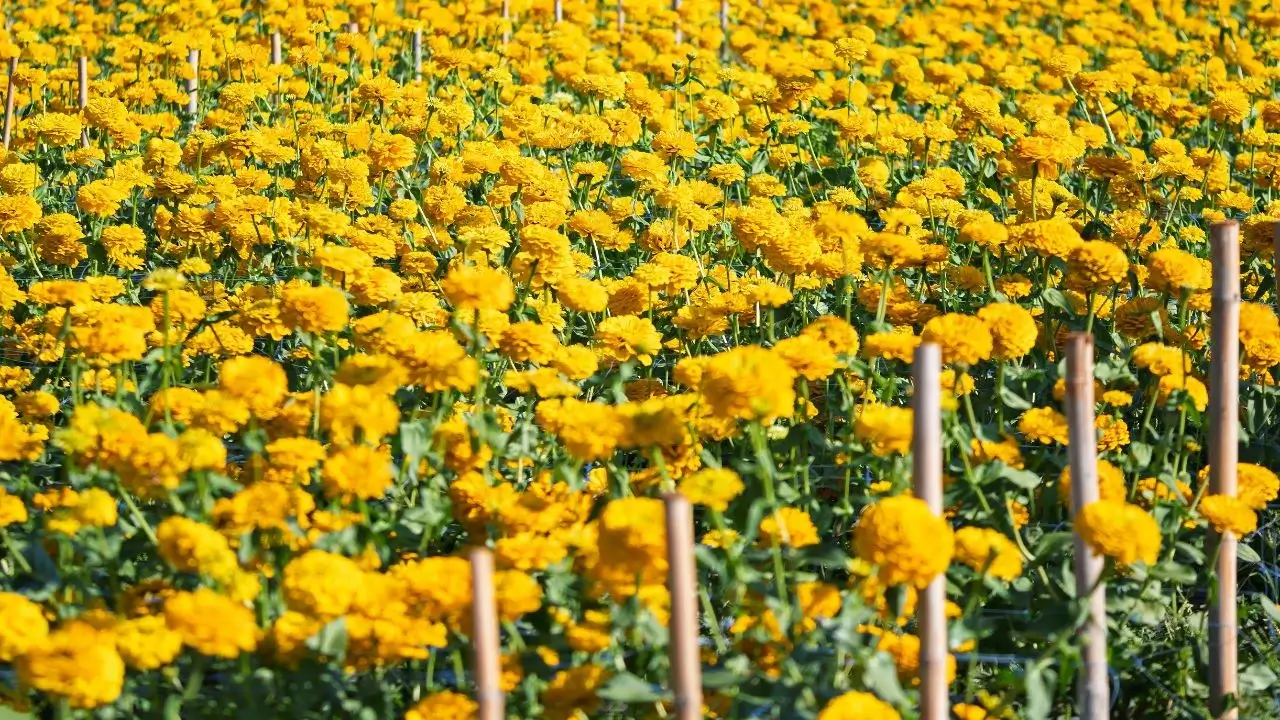
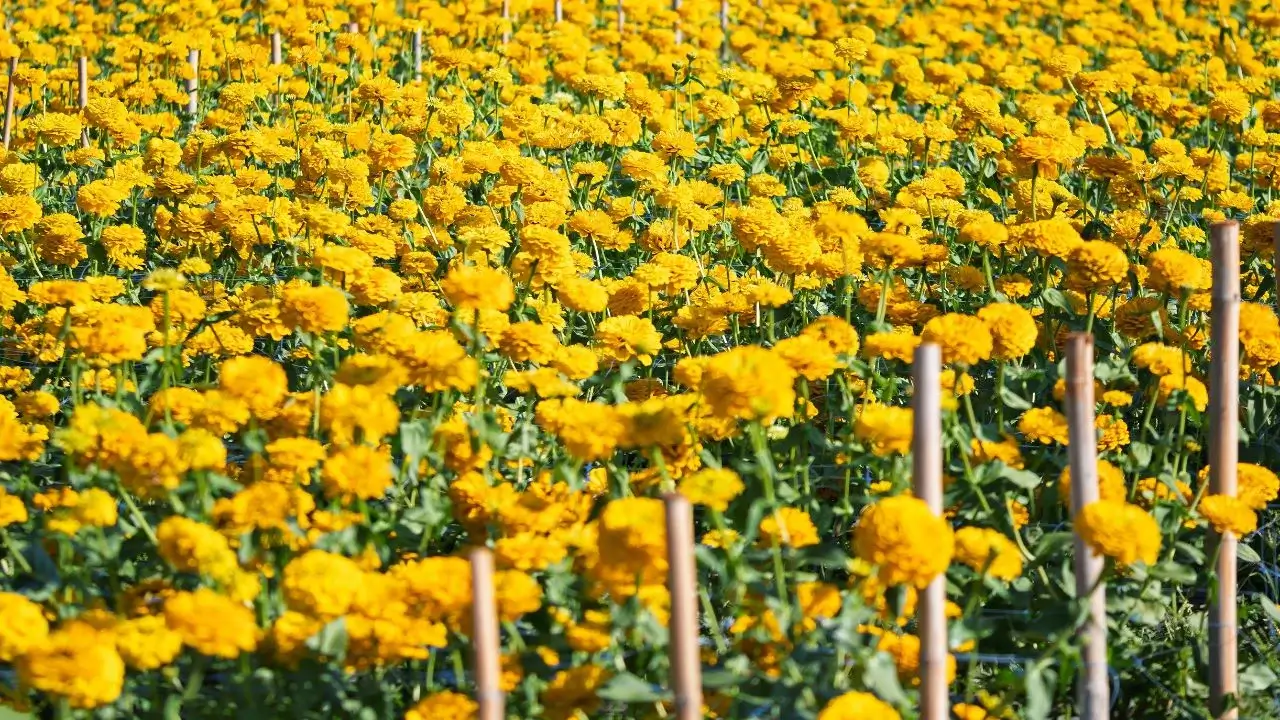
"Dahlia tubers should go in as soon as the soil is workable," advises one regional specialist. "But don’t stop there." Sunflowers, zinnias, and cosmos act as "pollinator powerhouses." By attracting beneficial insects, these flowers reduce the need for chemical pest management and increase the fruit set in adjacent rows of vegetables. Marigolds and borage provide a secondary benefit, serving as trap crops or deterrents for common garden pests, thereby stabilizing the farm’s overall health.
Implications for the Future of Farming
The decision to plant in May is more than just a seasonal task; it is a declaration of intent regarding the farm’s sustainability. As climate patterns become more volatile, the "tried and true" methods of the past are being augmented by modern research.
Economic Implications
For the commercial farmer, diversifying the crop list—perhaps by adding an atypical crop or a new variety of grain—serves as an economic hedge. If the primary crop experiences a setback due to a late frost or an early heatwave, the secondary crops often provide the necessary cushion to maintain revenue.
Environmental Implications
By choosing crops suited to the specific water and soil conditions of your land—such as selecting tepary beans in arid zones or salt-tolerant melons in coastal regions—farmers reduce their reliance on synthetic inputs. This creates a "low-input, high-output" model that is increasingly important in the face of rising costs and environmental awareness.
Conclusion: A Season of Growth
May is a month of high energy and high potential. By carefully selecting varieties, understanding the specific needs of the soil, and integrating biodiversity through flowers and legumes, farmers can build a resilient system. As you look out over your fields this month, remember that every seed placed in the ground is an investment in the future of the food system. Whether you are aiming for the local market or looking to sustain your own household, the work done in May is the foundation upon which the entire harvest rests.


 Evan Lee Salim

 Asep Darmawan