


 Ali Ikhwan
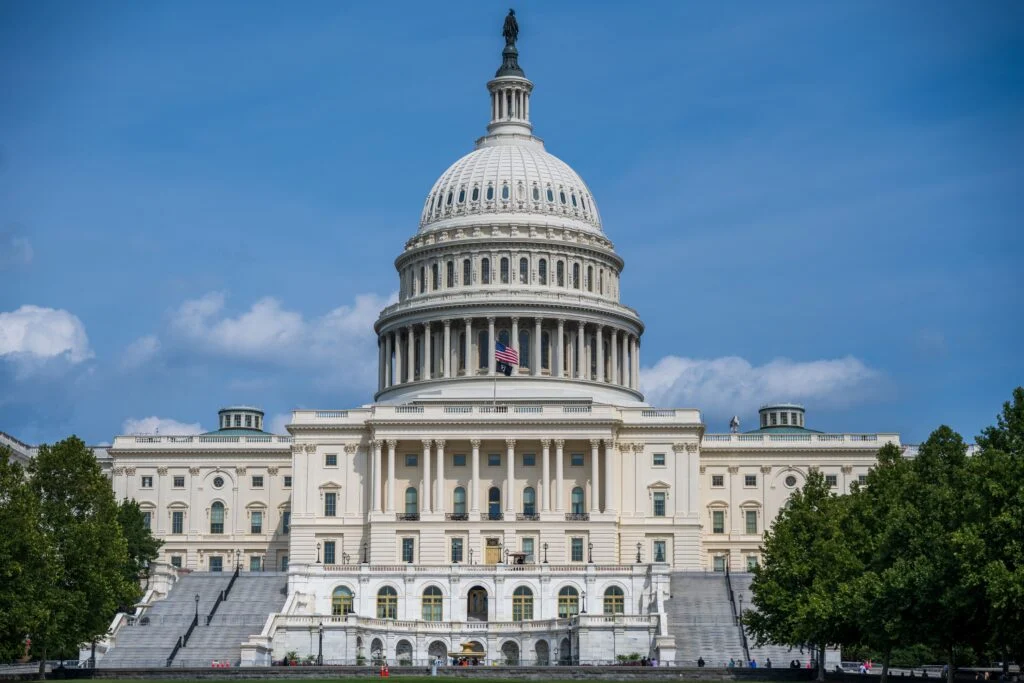
WASHINGTON – In a searing indictment of the current legislative landscape, The Leadership Conference on Civil and Human Rights released its 2026 Congressional Voting Record on October 13, 2026, marking a grim milestone in American governance. The report, which has served as the gold standard for tracking legislative commitment to equality since 1969, characterizes the 119th Congress as one of the most destructive legislative bodies in the organization’s 76-year history.
The assessment paints a bleak picture for the future of civil liberties, detailing a systematic dismantling of protections for people of color, immigrants, the LGBTQ+ community, and religious minorities. As the nation grapples with the fallout of the 119th Congress, the report serves not merely as a scorekeeper, but as a formal declaration that the foundational tenets of American democracy are currently facing an unprecedented crisis.
The Anatomy of Legislative Failure: Main Findings
The 2026 Voting Record is based on an exhaustive analysis of 24 House and 23 Senate votes cast between January 2025 and September 2026. The findings suggest a legislative body that prioritized partisan overreach and the interests of the ultra-wealthy over the civil and human rights of the general public.
According to the data, the 119th Congress functioned less as a co-equal branch of government and more as a rubber stamp for executive policies that undermined established legal precedents. The report highlights several key areas of regression:
- Erosion of Social Safety Nets: Through the passage of legislation like the so-called “Big Ugly Bill” (H.R. 1), lawmakers successfully slashed health care funding and food assistance programs.
- Administrative Overreach: The Congress largely stood by as federal agencies, including the Department of Education, the U.S. Agency for International Development, and the Consumer Financial Protection Bureau, were gutted or redirected.
- Privacy and Governance: The influence of private-sector entities—specifically Elon Musk’s Department of Government Efficiency (DOGE)—resulted in what the report calls a “simultaneous decimation of government function and violation of privacy rights.”
Chronology of a Constitutional Crisis
To understand the scope of this decline, one must look at the timeline of the 119th Congress, which began with a legislative agenda that immediately set the tone for the remainder of its term.
Early 2025: The “Big Ugly Bill”
Upon the inauguration of the current administration, the 119th Congress prioritized H.R. 1. While marketed by supporters as a fiscal correction, the bill effectively diverted public funds into tax breaks for the ultra-wealthy while simultaneously restricting the due process rights of immigrants. This early move signaled a clear preference for wealth concentration over the protection of vulnerable populations.
Mid-2025: Government Paralysis
The year 2025 was marked by some of the most protracted government shutdowns in American history. These closures were not merely bureaucratic inconveniences; they resulted in significant economic hardship, including months of lost wages for federal workers and the freezing of essential social services. Critics point to the Congress’s failure to intervene as evidence of an abandonment of their legislative responsibilities.
2026: The Systematic Dismantling
As the 119th Congress moved through its final months, the focus shifted to the structural dismantling of institutional oversight. The interaction between executive mandates and the “DOGE” initiative became a central point of contention, with the Congress appearing to abdicate its duty to regulate or question the impact of these changes on civil rights and constitutional privacy protections.
The Call for a “Third Reconstruction”
Maya Wiley, president and CEO of The Leadership Conference, did not mince words when discussing the implications of these legislative choices. She argued that the 119th Congress has effectively abandoned the progress made during the Second Reconstruction—the era of the 1960s civil rights movement—and is now actively seeking to unravel the gains of the First Reconstruction, which followed the Civil War.
“This congress will leave a permanent stain on our constitutional history,” Wiley stated during the press conference announcing the report. “They have chosen the dark past over the responsibility to brighten our shared future. The onslaught of efforts to undermine voting rights and threaten the very existence of civil rights advocacy is not just outrageous; it is a calculated retreat from the values that define our nation.”
Wiley’s call for a “Third Reconstruction” suggests a movement to re-establish the social contract, emphasizing the need for:
- Voting Rights Protections: Federal safeguards against disenfranchisement.
- Judicial Reform: The implementation of term limits for Supreme Court justices to prevent generational partisan capture.
- Economic Justice: An economy that prioritizes the needs of the working class over the interests of billionaires.
Supporting Data: The Voice of the Electorate
While the legislative record reflects a bleak reality, the fifth annual Civil Rights Monitor poll, conducted alongside the Voting Record, suggests a significant disconnect between the actions of Congress and the will of the American people.
The survey, which interviewed 1,000 likely voters between August 23 and September 6, 2026, reveals that a majority of the public is hungry for the exact opposite of what the 119th Congress delivered. Key findings include:
- Multiracial Democracy: 54% of voters support a systemic and constitutional overhaul to secure a robust, multiracial democracy, with 32% of respondents expressing strong support for such an effort.
- Policy Priorities: Voters expressed a clear preference for health care accessibility over increased spending on immigration enforcement (ICE).
- Broad Consensus: Support for these civil rights priorities transcends traditional party lines and demographic divisions, suggesting that the “culture wars” amplified in Congress are not reflective of the consensus held by the average citizen.
The disparity between the legislative record and the poll results underscores a growing crisis of representation. If the legislative body continues to ignore the expressed needs of its constituents, the potential for long-term political instability increases significantly.
Implications for the Future of American Democracy
The release of the 2026 Voting Record is a clarion call to action for civil rights advocates, activists, and the voting public. The implication is clear: the current trajectory of American governance is unsustainable if the goal is to maintain a free and equal society.
The Role of Advocacy
The Leadership Conference, a coalition of over 240 national organizations, is now pivoting to mobilize its base. By highlighting which members of Congress voted in alignment with civil rights values—158 House members and 44 senators scored above 90 percent—the report provides a roadmap for voters to identify allies in the fight for reform.
The Constitutional Test
The report posits that the nation is currently in a “constitutional test.” With the administration aggressively seeking to undermine the foundations of the 14th and 15th Amendments, the role of an active, independent Congress is more critical than ever. The failure of the 119th Congress to act as a check on executive power has accelerated the erosion of institutional trust.
A Path Forward
The path toward a “Third Reconstruction” will require significant political courage. The evidence suggests that the American people are prepared for bold change, even if their current representatives are not. Whether the electorate can successfully course-correct in the upcoming election cycles remains the central question of the decade.
As Wiley concluded, “We are committed to building what the 119th Congress attacked: an America as good as its ideals.” For now, that goal remains a vision in the face of a reality defined by legislative regression and the persistent struggle for fundamental equality.
About The Leadership Conference
The Leadership Conference on Civil and Human Rights is the nation’s oldest and largest civil and human rights coalition. Charged by its diverse membership of more than 240 national organizations, it works to promote and protect the rights of all persons in the United States. For more information, visit www.civilrights.org.


 Lina Irawan

 Neng Nana






