

 Ammar Sabilarrohman
WASHINGTON — As the 2026 midterm election season shifts into high gear, a sobering portrait of the American electorate has emerged. A new national survey, the fifth annual "Civil Rights Monitor" commissioned by The Leadership Conference on Civil and Human Rights and conducted by Brilliant Corners Research, reveals a citizenry deeply unsettled by the state of democratic institutions, the erosion of civil liberties, and the intensifying rhetoric surrounding immigration and national identity.
The data, derived from a representative sample of 1,000 likely voters surveyed between August 23 and September 6, 2026, suggests that the primary narrative of this election cycle will not just be about policy, but about the preservation of the democratic process itself.
The State of the Electorate: An Overview of Key Findings
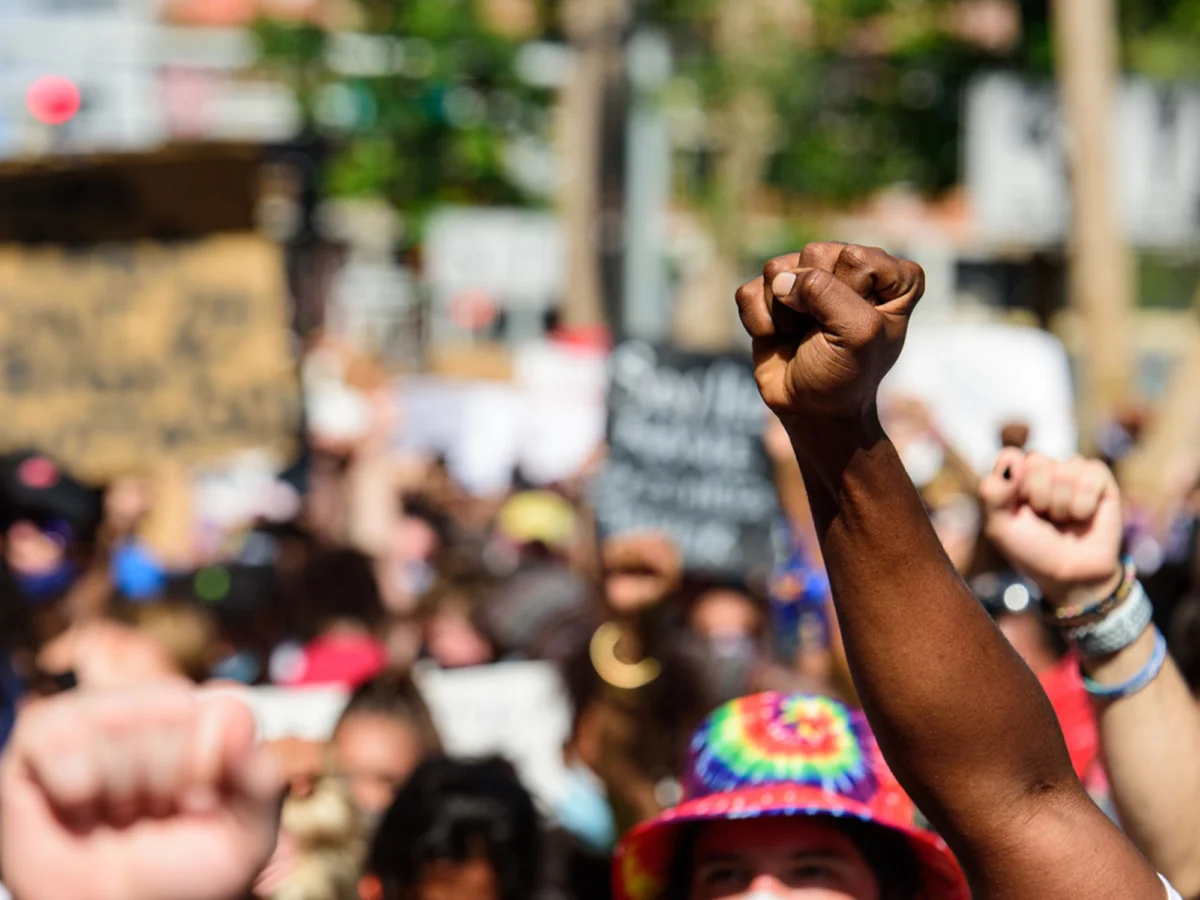
The findings underscore a nation grappling with a sense of precariousness. More than eight in ten voters (80%+) expressed profound concern that their fundamental rights and freedoms are being systematically dismantled. This anxiety is not distributed evenly; the survey highlights that Black voters, drawing on a historical awareness of disenfranchisement, report the highest levels of alarm while simultaneously demonstrating the strongest resolve to participate in the upcoming elections.
Beyond the existential dread regarding rights, the poll identifies a clear rejection of certain polarizing policy proposals. Notably, 71% of respondents explicitly oppose the diversion of funding from essential social safety nets—specifically Medicare and the Supplemental Nutrition Assistance Program (SNAP)—to finance Immigration and Customs Enforcement (ICE) operations. Furthermore, a staggering 92% of respondents affirmed that America’s diversity is a source of national strength, a finding that stands in stark contrast to the divisive campaign rhetoric often featured in contemporary political discourse.
Chronology of a Shifting Landscape
To understand the weight of these findings, one must look at the trajectory of American public opinion over the last five years.
- 2022-2023: The initial years of the Civil Rights Monitor captured a post-pandemic nation attempting to reconcile economic recovery with a widening political divide. Concerns were largely focused on inflation and healthcare access.
- 2024: The focus shifted toward the legitimacy of election administration. Trust in institutions began to wane as debates over voting access and "election integrity" dominated the airwaves.
- 2025: Anxiety began to coalesce around the intersection of technology and civil rights, with concerns rising regarding the use of AI in political disinformation campaigns.
- 2026 (The Current Context): As voters approach the midterms, the "Civil Rights Monitor" suggests the conversation has moved from hypothetical concerns about policy to acute fears regarding the "machinery of democracy"—specifically the potential for state-sponsored intimidation and the weaponization of government agencies.
Supporting Data: The Mechanics of Voter Fear
The survey provides granular detail on the specific threats that keep voters awake at night. The findings indicate that these fears are not merely partisan talking points but reflect a broader concern about the stability of the transition of power and the integrity of the ballot box.
Concerns Regarding Democratic Institutions
A majority of likely voters expressed apprehension regarding:
- Election Interference: Voters fear political leaders pressuring election officials to alter vote tallies or manipulate outcomes.
- Emergency Powers: There is significant concern regarding the potential for the federal government to invoke "states of emergency" as a pretext to halt or delay elections.
- Polling Place Intimidation: A substantial portion of the electorate fears the visible presence of immigration enforcement officers at polling locations, a prospect that respondents viewed as a clear tactic of voter suppression.
Economic and Social Priorities
When asked about the federal budget, voters displayed a clear preference for social stability over aggressive enforcement policies. The broad opposition to cutting SNAP and Medicare to fund ICE suggests that for the average American, the social safety net remains a non-negotiable priority, regardless of the political party they align with.
Official Responses: The Leadership Conference’s Stance
Maya Wiley, president and CEO of The Leadership Conference on Civil and Human Rights, issued a stark warning following the release of the data. Wiley characterized the findings as a "red alert" for the American democratic project.
"What worries voters most right now ought to worry all of us, because they are describing threats to the machinery of democracy itself," Wiley stated. "Black voters have seen this playbook before, which helps explain why they are both the most alarmed group in the electorate and are highly motivated to vote. The civil rights community will match that resolve, and we will spend this fall protecting every voter and every freedom under attack."
Wiley’s remarks highlight a critical strategic shift for advocacy groups: moving away from traditional issue-based lobbying and toward defensive litigation and voter mobilization efforts designed to fortify the ballot box against real-time interference.
The Implications: A "Third Reconstruction"
One of the more unique aspects of the 2026 survey is the inclusion of questions regarding a "Third Reconstruction." This concept, which calls for a comprehensive federal commitment to address systemic inequality, poverty, and racial injustice, has moved from the fringes of political discourse to a position of majority support.
The data indicates that voters are increasingly receptive to bold, structural reforms. The support for a Third Reconstruction suggests that the electorate is not merely looking for incremental change but is seeking a systemic "reset" that aligns American governance with its stated democratic ideals.
The Role of Diversity
The near-unanimous agreement (92%) that diversity is a strength suggests a significant disconnect between the public and some segments of the political class that thrive on "culture war" politics. This finding serves as a potential roadmap for candidates who may be looking to build a multi-racial, multi-generational coalition that focuses on shared progress rather than manufactured division.
Methodology and Reliability
The 2026 Civil Rights Monitor was conducted by Brilliant Corners Research with a rigorous scientific approach. The survey of 1,000 likely voters was supplemented by an oversample of 100 Asian American voters to ensure that the findings reflected the growing demographic complexity of the American electorate.
Professional interviewers conducted the poll via telephone between August 23 and September 6, 2026. The sample was drawn randomly from voter files and geographically stratified to ensure proportional representation. With a margin of error of +/- 3.1% at a 95% confidence interval, the survey stands as one of the most statistically robust snapshots of the American psyche available ahead of the midterms.
Conclusion: The Road Ahead
As the nation moves toward the 2026 midterms, the "Civil Rights Monitor" acts as both a mirror and a warning. It reflects a nation that is deeply, perhaps even fundamentally, anxious about the durability of its democratic framework. However, it also reveals a populace that has not lost sight of its values.
The high level of voter motivation, particularly among communities that have historically faced systemic barriers, suggests that the 2026 elections will be defined by an intense struggle between those who seek to restrict the franchise and those who believe that the future of the nation depends on the protection of every vote.
The Leadership Conference, representing over 240 national organizations, remains clear in its mission: the work of democracy is never finished. As the fall campaign concludes, the focus for civil rights advocates will remain on the ground—ensuring that the fears articulated by voters in this survey do not manifest as reality at the ballot box.
For further information regarding the survey findings or to learn more about the initiatives of The Leadership Conference on Civil and Human Rights, please visit their official website at www.civilrights.org.
About The Leadership Conference on Civil and Human Rights
The Leadership Conference on Civil and Human Rights is a coalition charged by its diverse membership of more than 240 national organizations to promote and protect the rights of all persons in the United States. The Leadership Conference works toward an America as good as its ideals, advocating for policies that promote equality, justice, and the expansion of the democratic process for every American.

 Lina Irawan
 Neng Nana






