
 Rifan Muazin
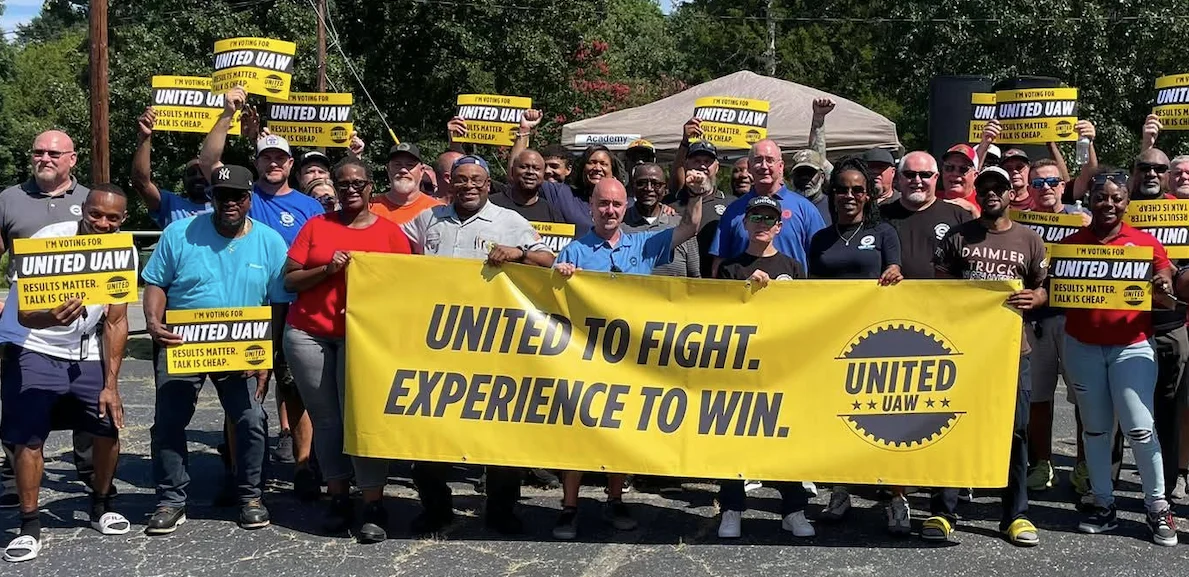
In a decisive affirmation of his combative leadership style, United Auto Workers (UAW) President Shawn Fain has secured a second four-year term, capturing 68 percent of the vote in the union’s international officer elections. The landslide victory serves as a powerful referendum on the "fighting" direction Fain has steered the 91-year-old organization since his historic rise to power.
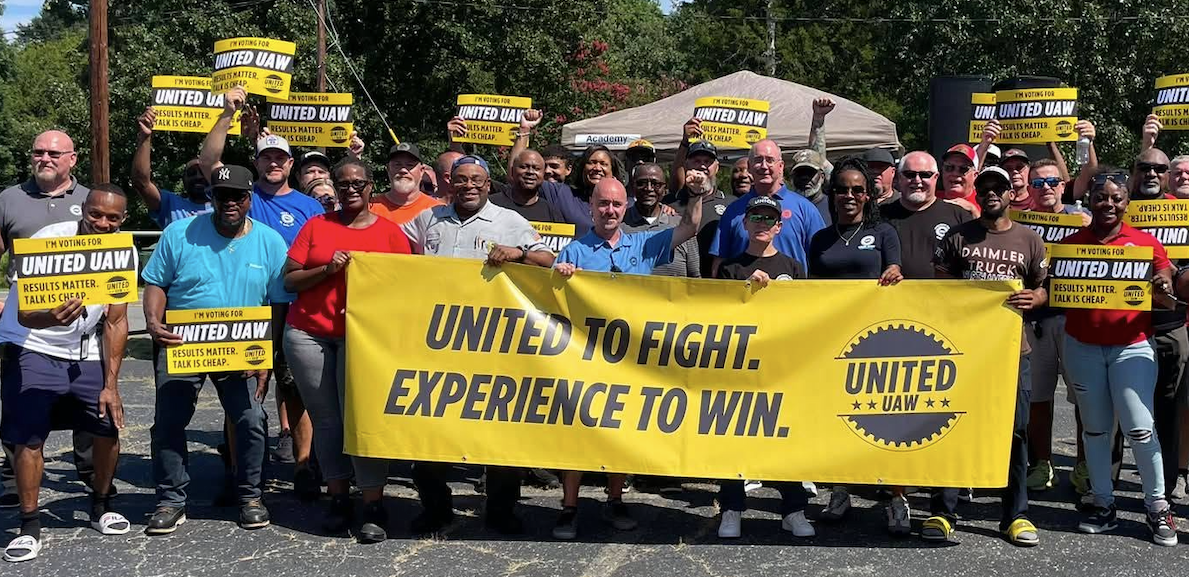
Fain, running on the "United UAW" slate, soundly defeated five challengers, with his nearest opponent—incumbent Vice President Rich Boyer—garnering only 14 percent of the vote. As ballots continue to be counted and official certification looms, the results indicate that the rank-and-file membership has prioritized the concrete gains of the 2023 “Stand-Up Strike” over the internal turbulence that has characterized the union’s executive board over the past two years.
A Historic Shift in Union Governance
This election represents only the second time in the UAW’s nearly century-long history that members have directly elected their top leadership. Following a 2021 referendum that dismantled the previous "delegate" system in favor of a one-member-one-vote process, the union has undergone a radical transformation.
The United UAW slate’s dominance was comprehensive. Brandon Campbell, running for secretary-treasurer, achieved a two-thirds majority against two rivals, including incumbent Margaret Mock. Furthermore, the slate’s candidates for the three vice-presidential slots and all contested regional director positions secured victory, effectively handing Fain control over the vast majority of the International Executive Board (IEB).
The result was a widespread rejection of the "Integrity Slate," a coalition formed by incumbent board members Rich Boyer, Margaret Mock, and Mike Booth. While these opponents attempted to frame their campaigns around reducing union dues and downsizing staff at headquarters, they failed to offer a substantive counter-proposal to Fain’s aggressive organizing and bargaining strategy.
The Chronology of a Resurgent Union
The path to this victory began in earnest with the 2023 contract negotiations against the "Big 3" automakers. By abandoning the tradition of quiet, closed-door bargaining in favor of a rolling, "Stand-Up" strike, the UAW forced unprecedented concessions from Ford, General Motors, and Stellantis.
- 2021: UAW members vote to transition to a one-member-one-vote system, setting the stage for future reform.
- 2023: Shawn Fain is elected president, ushering in a new era of aggressive contract campaigning.
- Late 2023: The UAW successfully executes the Stand-Up Strike, resulting in record-breaking contracts and the elimination of the tiered wage system.
- 2024: Momentum continues with successful contract fights at Daimler Truck and the landmark organization of Volkswagen workers in Chattanooga, Tennessee—the first successful southern assembly plant campaign in decades.
- 2026: Fain faces a re-election campaign marred by infighting on the IEB and scrutiny from a government-appointed monitor.
- Late 2026: Members return their mail-in ballots, confirming their support for Fain’s platform with a 68 percent mandate.
Supporting Data and Voter Sentiment
Despite the high stakes, voter turnout remained low, hovering near the 10 percent mark among the union’s 400,000 active members and 600,000 retirees. While some analysts predicted that younger, more progressive members in higher education and legal aid locals would act as the primary engine for Fain, the reality proved more traditional. It was the heavy manufacturing locals—the bedrock of the UAW—that secured Fain’s re-election.
The motivation for these voters was overwhelmingly pragmatic. Phone interviews with members across the country revealed a singular focus: the restoration of pensions, post-retirement health care, and protection against the encroachment of automation.
At the Ford assembly plant in Chicago, member Candyla Brown reflected the sentiment of many. "We had a good experience with the 2023 strike," she noted, citing the recent successful organization of plant nurses as proof that the International was finally putting resources where they were needed. Similarly, at Toledo Jeep, where the Stand-Up Strike began, worker Kirk Hoddinott highlighted the conversion of nearly 2,000 temporary workers into permanent status as a primary reason for his continued support of Fain, despite lingering concerns about internal union communications.
Official Responses and Internal Friction
The election was held against the backdrop of significant tension between Fain and the government-appointed monitor, Neil Barofsky. Tasked with overseeing the union’s recovery from a massive corruption scandal that saw previous leadership imprisoned, Barofsky’s office frequently clashed with the current board.
The monitor’s reports often cited Fain for alleged retaliatory actions against opponents like Boyer and Mock, while also criticizing the union’s vocal political stances, such as its late-2023 resolution calling for a ceasefire in Gaza. Fain’s supporters, however, viewed the monitor’s interference as an attempt to undermine the democratically elected leadership.
In the immediate aftermath of the election, the reform network UAW Member Action released a statement emphasizing that the results were a direct rejection of the monitor’s "turbulence." "The members chose Fain because we’re ready to fight for retirement health care and protection from A.I. layoffs in 2028," said Gary Chynoweth, vice chair of the network.
Meanwhile, the campaign of the opposition was marked by volatility. Brian Keller, a presidential candidate who finished with 7 percent of the vote, made headlines for a post-election social media outburst in which he disparaged the membership for their failure to support his platform. This lack of a coherent alternative strategy further isolated the anti-Fain faction.
Implications for the 2028 Frontier
With his second term secured, Fain faces a daunting calendar. The UAW’s current contracts with the Big 3 are set to expire on May 1, 2028. This date is already being viewed as a potential flashpoint for a broader labor mobilization.
The implications of the election results are threefold:
1. The May Day Strategy: Fain has consistently advocated for aligning contract expirations across various sectors to maximize bargaining power. The re-election signals that the membership is willing to support a "general strike" model that could extend beyond the auto industry to include broader demands, such as Medicare for All and the passage of the PRO Act.
2. The Challenge of Automation: As General Motors workers in Spring Hill, Tennessee, have noted, the transition to electric vehicle production is already resulting in job losses due to increased robotics and camera-based quality control. The 2028 negotiations will likely center on "just transition" clauses that mandate corporate accountability for job losses triggered by technological shifts.
3. Maintaining the Momentum: While the United UAW slate is firmly in control, the union still faces the "scars of decades of concessions." The bench of experienced, reform-minded leaders at the local level remains thin. The primary challenge for Fain over the next four years will be to institutionalize the "fighting" spirit by training a new generation of stewards and local officers capable of sustaining the movement beyond his presidency.
Historian Nelson Lichtenstein, author of Walter Reuther: The Most Dangerous Man in Detroit, summarized the current political climate within the union succinctly: "Fain and his slate are the only ones that have a real program for the future of the union."
As the UAW enters this next phase, the focus shifts from the ballot box back to the shop floor. For the workers at Daimler, the Big 3, and beyond, the message is clear: the union is no longer interested in the "friendly bargaining" of the past. They are preparing for a confrontation in 2028, and they have handed Shawn Fain the authority to lead it. The coming years will determine whether this renewed mandate can translate into long-term systemic change for the American labor movement.

 Muslim