


 Nana Muazin
By Anna Lee
On November 6, the landscape of contemporary Indigenous art in the United States will shift significantly with the opening of Branchline, a permanent exhibition and residency space located in the historic town of Katonah, New York. The project serves as the physical home for the Gochman Family Collection, an expansive and critically acclaimed repository of over 800 works by contemporary Native American artists. By bridging the gap between private stewardship and public accessibility, Branchline aims to redefine how Indigenous art is curated, contextualized, and experienced in the 21st century.
The Genesis of Branchline: A Vision for Stewardship
The Gochman Family Collection has long been regarded as one of the most significant private holdings of contemporary Indigenous and anti-colonial art in the world. For years, the collection has existed primarily as a resource for loans to major institutions, but the decision to establish a dedicated, permanent space in Katonah marks a pivotal transition.
The name "Branchline" is deeply intentional. It serves as a dual metaphor: physically, it references the regional rail network that links the quiet, wooded enclave of Katonah to the cultural density of Manhattan and the sprawling landscapes of Upstate New York. Conceptually, it honors the "branching" of ancestral and historical lineages—the complex, often-intertwined stories that inform the work of contemporary Native artists.
By providing a stable home for these 800+ works, the Gochman family is shifting the paradigm of art collection from passive accumulation to active, community-engaged stewardship.
Chronology: From Private Trove to Public Institution
The trajectory of the Gochman Family Collection is one of rapid growth and strategic institutional alignment. While the family began acquiring works years ago, the recent period has been marked by professionalization and a commitment to public dialogue.
- 2020–2023: The Gochman Family Collection gains international recognition as a major lender for high-profile museum exhibitions, contributing to landmark shows at the Whitney Museum of American Art, the Denver Art Museum, and the Smithsonian’s National Museum of the American Indian.
- March 2026: Laura Phipps, a veteran curator known for her deep expertise in American art, is appointed as the Director of the collection. Her appointment signaled the family’s intention to transition from private collectors to institutional curators.
- Summer 2026: Preparations begin in Katonah to renovate the site into a multi-purpose facility that includes not just gallery space, but also dedicated studio and residential facilities for visiting artists.
- November 6, 2026: The official public opening of Branchline, marking a new chapter in the accessibility of Indigenous contemporary art in the Northeast.
Thematic Focus: Beyond Anti-Colonialism
At the heart of the collection is a rigorous focus on contemporary Native perspectives. The works in the Gochman trove range from large-scale sculpture and multimedia installations to delicate textile work and digital media.
The curatorial ethos of the collection is rooted in the "anti-colonial" lens—a framework that rejects the historical imposition of "Western" aesthetics on Indigenous creators. Instead, the works at Branchline celebrate sovereignty, indigeneity, and the ongoing process of decolonization in the arts.
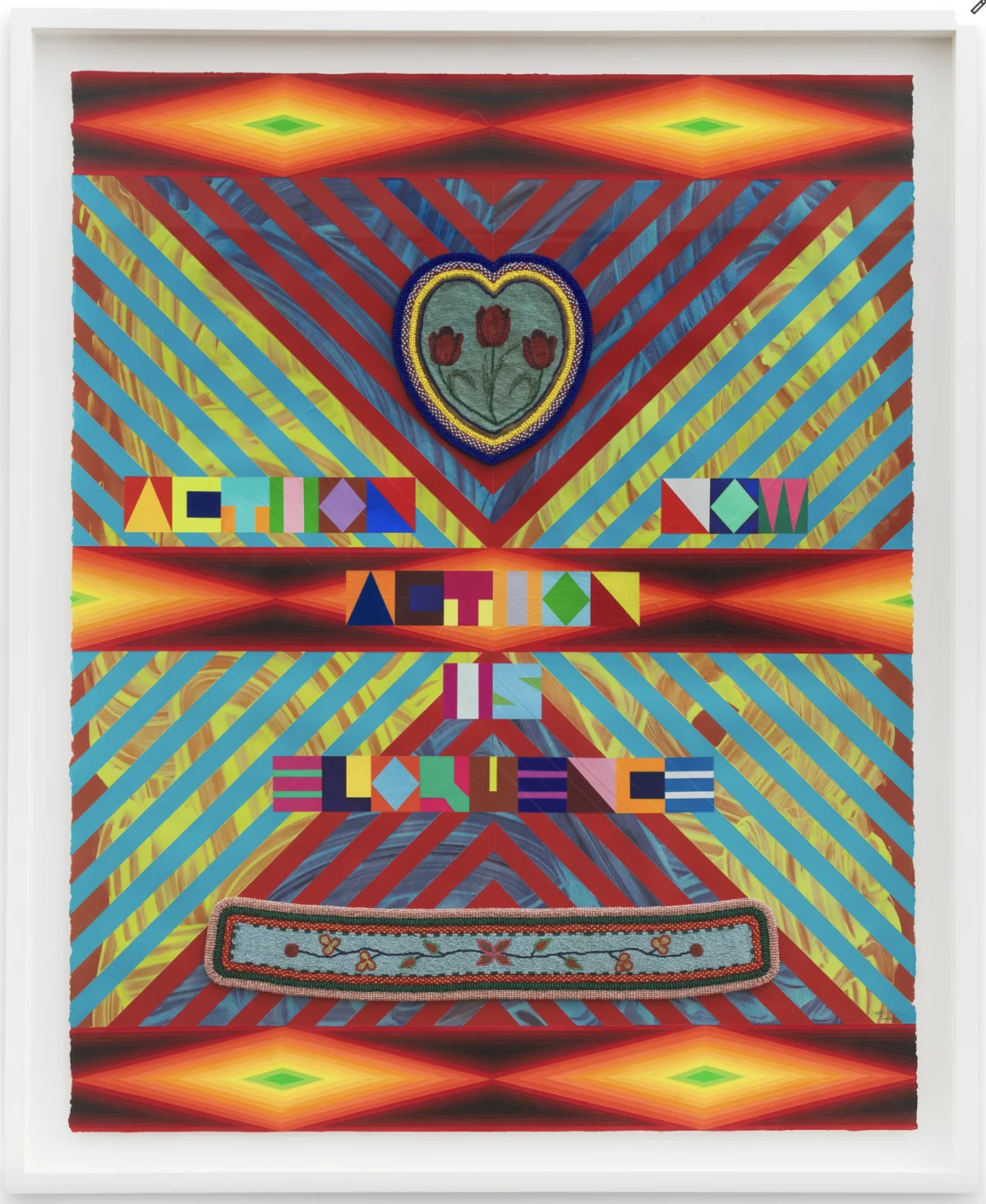
Notable pieces, such as Jeffrey Gibson’s (Mississippi Band of Choctaw and Cherokee) ACTION NOW ACTION IS ELOQUENCE (2024), exemplify the collection’s focus on the intersection of political activism and artistic expression. These works do not merely "document" Native history; they command space, challenging viewers to confront the realities of contemporary Indigenous existence in a modern, often exclusionary, art market.
Supporting Data: Why Katonah?
The choice of Katonah, New York, may seem unconventional to those accustomed to the "white cube" galleries of Chelsea or the Upper East Side. However, the location serves a functional and philosophical purpose.
Katonah offers a respite from the frenetic pace of the art market, providing a space where scholars, students, and families can engage with art at a slower, more deliberate pace. The facility includes:
- Rotating Exhibition Galleries: Designed to showcase different segments of the 800-piece collection, ensuring that the programming remains dynamic and responsive to current social and artistic discourses.
- Artist Residency Studios: A core pillar of the project, these spaces are designed to provide Indigenous artists with the time and resources to produce new work, effectively turning the institution into a site of creation, not just preservation.
- Education and Outreach: A series of planned seminars and student workshops aims to bridge the knowledge gap regarding Indigenous art history, which has been historically sidelined in traditional art education curricula.
Official Responses and Institutional Vision
The appointment of Laura Phipps as Director has been a catalyst for the project’s public-facing identity. Phipps, who has spent much of her career advocating for underrepresented voices in the art world, sees Branchline as an essential "third space."
"We imagine this as a flexible space to not only more broadly share the Collection, but to also create opportunities for varied audiences of artists, scholars, students, families, and our neighbors to spend time together," Phipps told Hyperallergic earlier this year.
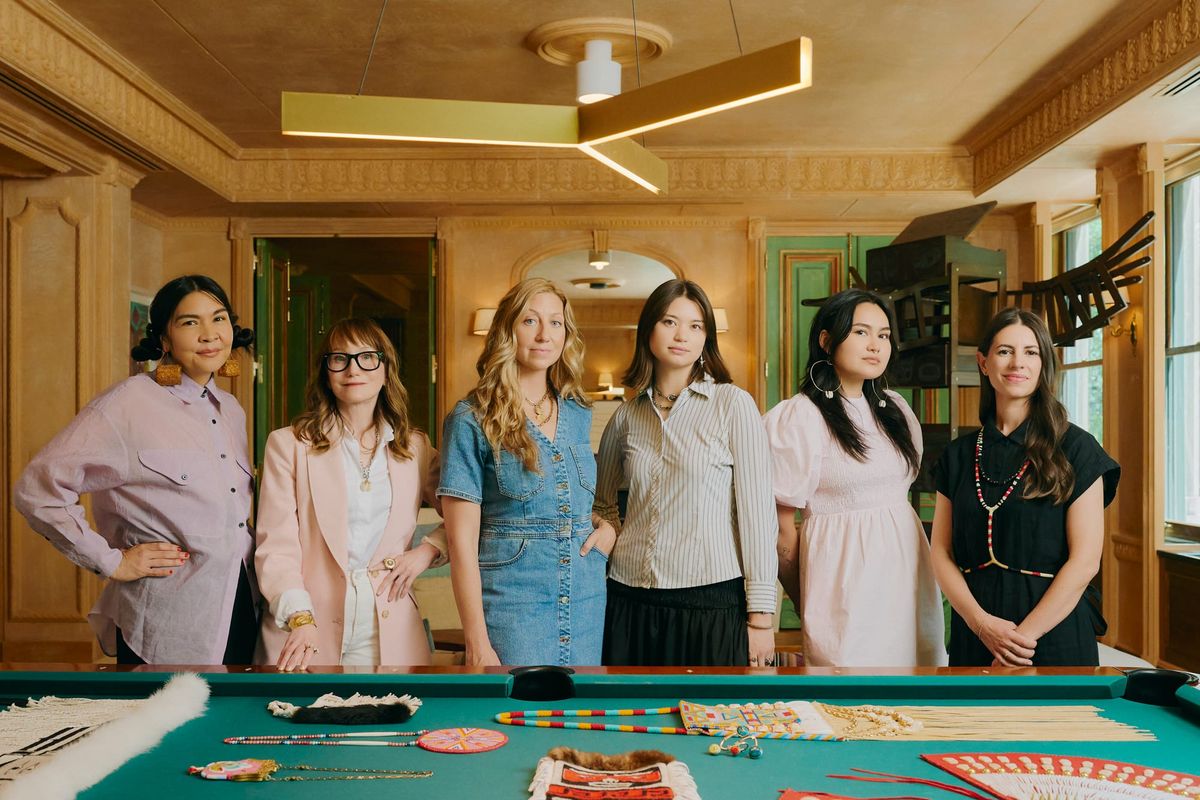
The Gochman family’s commitment to this project is reflected in the breadth of their professional team, which includes curators, archivists, and community liaisons who work in tandem to ensure that the collection is handled with cultural competency and ethical rigor. The inclusion of diverse perspectives in the management team is a response to the long-standing criticism that private collections of Indigenous art often lack Native leadership.

Implications for the Art World
The opening of Branchline arrives at a critical juncture in the global art market. For decades, Indigenous art was often siloed in ethnographic or historical museums, divorced from the "contemporary" art category. The Gochman Family Collection, by contrast, explicitly categorizes these works as contemporary art, demanding that they be held to the same standards of critical analysis and institutional support as any other major art movement.
1. Shifting the Geography of Art
By establishing a significant institution outside of a major metropolitan hub, Branchline challenges the centralization of the art world. It suggests that institutional power can be built in places that offer the space for deep contemplation and community engagement.
2. The Ethics of Private Stewardship
The model of Branchline also raises important questions about the role of private wealth in the preservation of Indigenous cultural heritage. By opening their doors to the public and providing residencies, the Gochman family is setting a high bar for what it means to be a "responsible collector." The success of this project will likely influence other private entities to consider how their holdings can serve the public good rather than remaining sequestered in private residences.
3. A New Generation of Scholars
Finally, the educational component of Branchline cannot be overstated. By creating a physical space for scholars and students to interact with the works, the collection is facilitating a new generation of research. As the art world increasingly recognizes the importance of Indigenous voices, the materials housed at Branchline will become essential touchstones for academics and critics alike.
Looking Ahead: The Future of Branchline
As the inaugural exhibition approaches on November 6, the art world is watching closely. The success of Branchline will depend on its ability to sustain its momentum and its commitment to the Indigenous communities it represents.
The project is not merely an exhibition space; it is a laboratory. It is an experiment in how to balance the private ownership of art with the public necessity of cultural access. If Branchline succeeds, it will prove that the most vital conversations in contemporary art are no longer happening in the centers of old, but in the new, thoughtfully constructed spaces that allow for radical, honest, and inclusive engagement with the stories that define our history—and our future.
For now, the team at Branchline continues its preparations, ensuring that every detail, from the climate control of the archives to the lighting of the galleries, honors the legacy and the living, breathing reality of the artists within their care. As November 6 nears, the town of Katonah prepares to become, however briefly, a focal point for the most important, necessary, and vibrant art being made today.


 Rifan Muazin

 Neng Nana





