



 Lina Irawan
The summer of 2026 will be etched into the collective memory of humanity not merely as a season of record-breaking temperatures, but as a visceral, global manifestation of the climate emergency. Across every continent, the fundamental stability of our natural systems has faltered, replaced by a relentless sequence of wildfires, catastrophic flooding, and suffocating heatwaves. This is no longer a "future scenario" whispered by scientists; it is a present-day reality that has claimed thousands of lives, displaced millions, and signaled an urgent, ringing alarm that the world has, for too long, chosen to silence.
The Global Climate Crisis: A State of Emergency
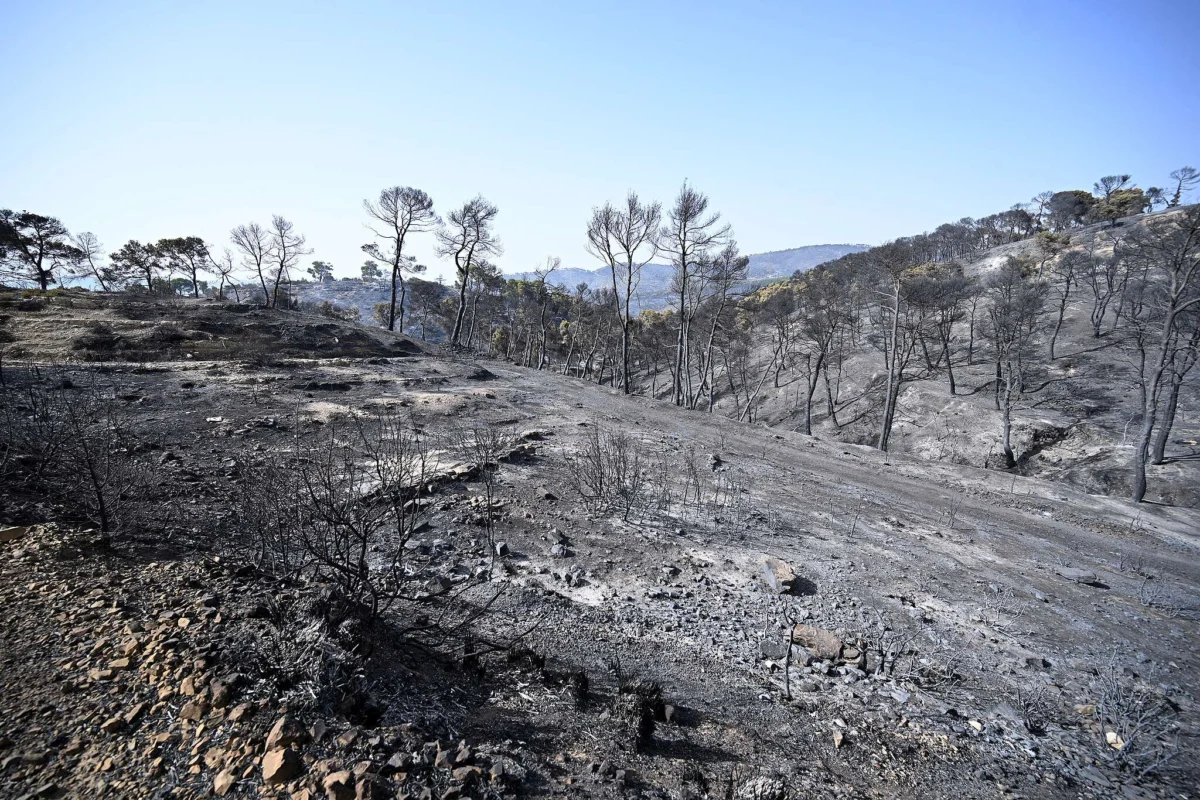
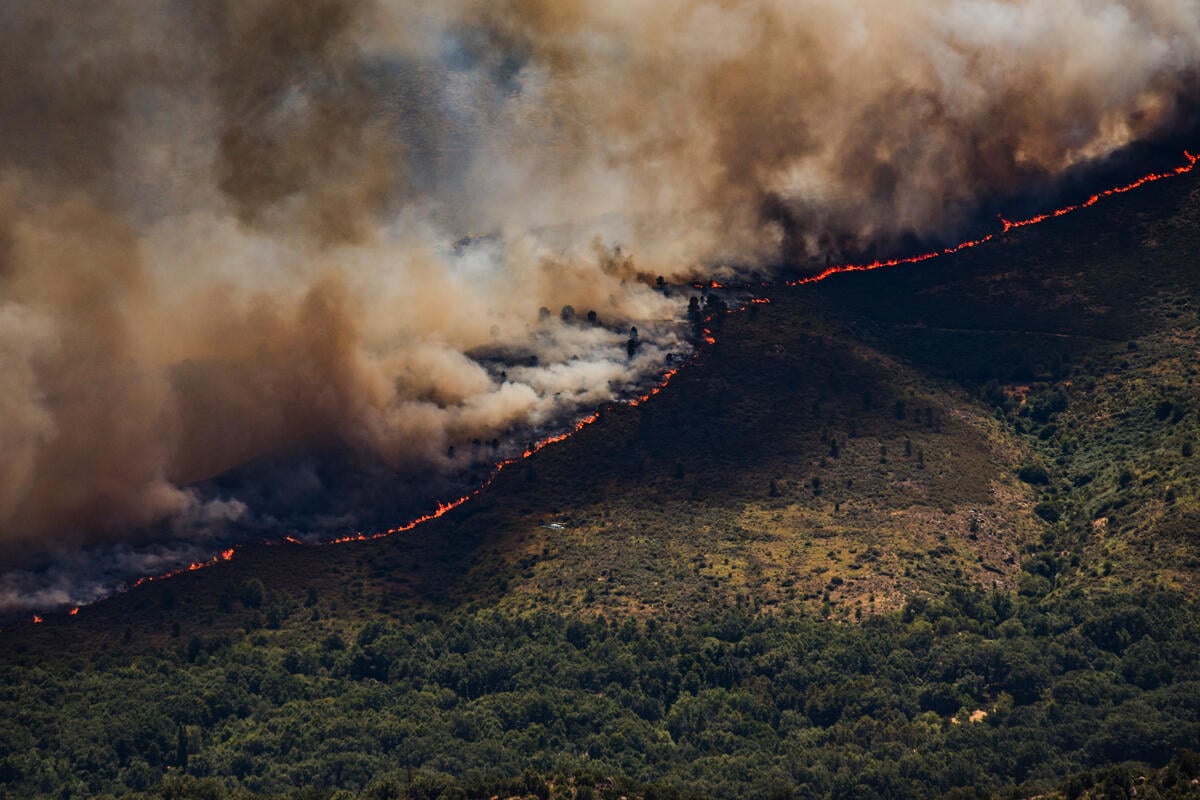
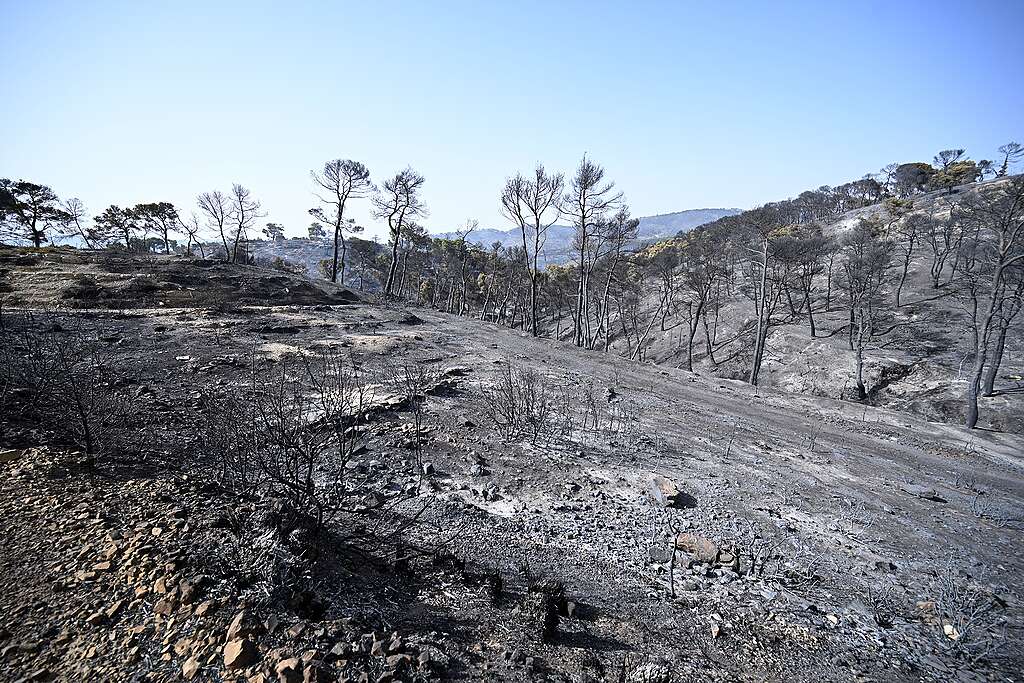
The sheer breadth of the devastation witnessed in 2026 is unprecedented. From the scorched earth of North Africa to the submerged cities of East Asia, the planet is experiencing a synchronous climate breakdown. In Spain, France, Greece, Germany, Canada, and Indonesia, forest fires have burned through millions of hectares, turning once-vibrant ecosystems into charred remnants of the climate crisis. Simultaneously, super typhoons—fueled by anomalously warm ocean temperatures—have hammered China, the Philippines, and Japan, demonstrating the violent efficacy of extreme weather patterns.
Perhaps most harrowing is the fact that these events transpired in a landscape already stressed by systemic instability, occurring even before the expected intensification of the El Niño weather phenomenon toward the end of the year. This suggests that the current level of destruction, while immense, may only be a harbinger of more catastrophic events to come.
Chronology of Destruction: A Summer of Fire and Water
The trajectory of this summer’s disasters provides a grim timeline of our environmental fragility.
June–July: The Scorched Earth
The summer began with a blistering heatwave across North Africa. Morocco faced back-to-back heatwaves, with temperatures in regions from Marrakech to Dakhla soaring between 44°C and 46°C. This extreme heat provided the perfect fuel for a series of wildfires that would soon engulf the Mediterranean basin.
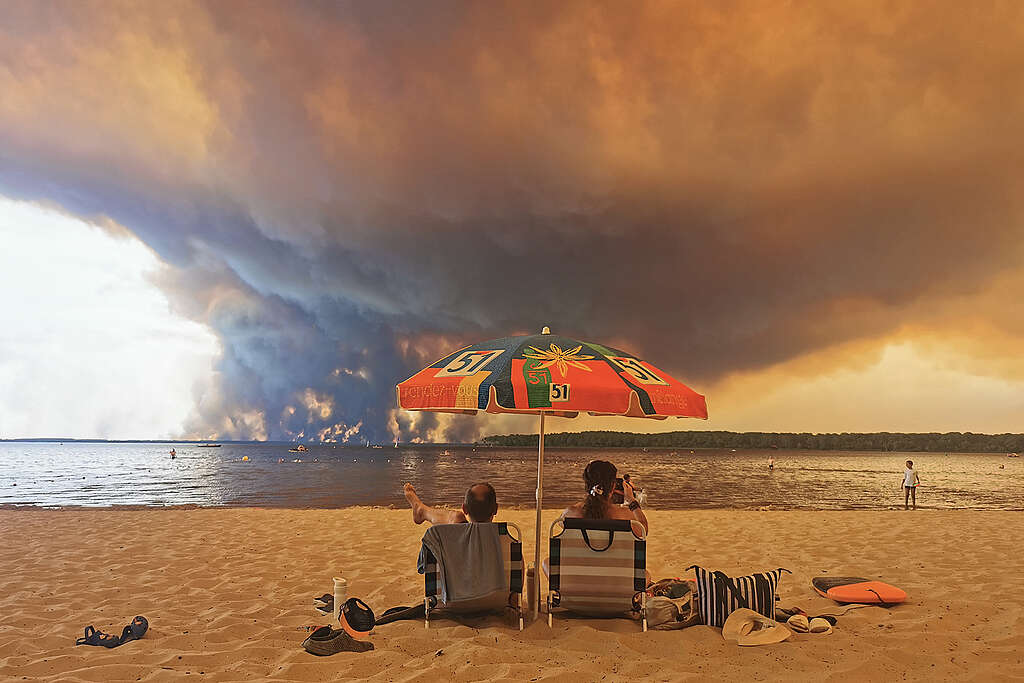
In France, the situation was particularly dire. The wildfire season was classified as the worst since 1949, with 115,000 hectares incinerated. In the Gironde region, the fires became so intense that they were visible from beach resorts, where sunbathers looked on as plumes of acrid smoke choked the sky. Across the border in Spain, the Madrid and Avila regions suffered their "worst in history," forcing the evacuation of over 60,000 residents as flames jumped containment lines.
By late July, the crisis had spread to Tunisia and Algeria. In Tunisia, at least 900 fires erupted within a 72-hour window, leaving behind ash-covered forests and desperate communities in the Kef region. Simultaneously, Algeria’s firefighting services were overwhelmed, with active blazes tearing through provinces including Bejaia, Tizi Ouzou, and Tlemcen.
August: The Deluge
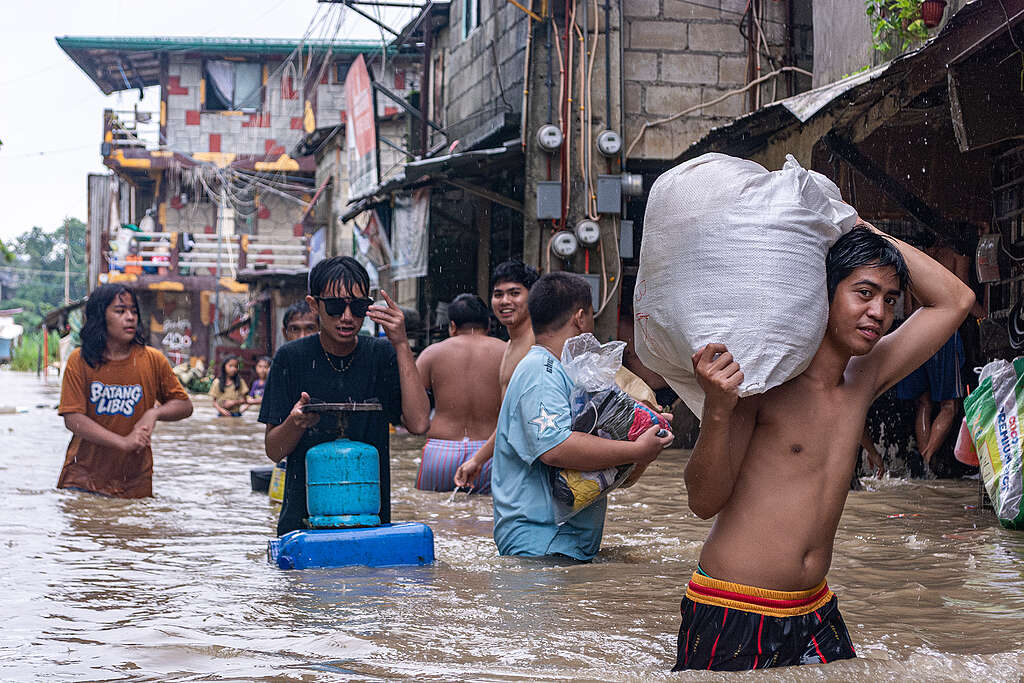
As the fires raged, the focus shifted to the massive, unprecedented floods that crippled infrastructure across Asia and the Americas. India’s Assam state bore the brunt of the monsoon, where flooding claimed 80 lives and displaced nearly 2 million people. The scene was mirrored in the Philippines, where tropical cyclones and relentless monsoon rains forced entire neighborhoods in Rizal to evacuate, their belongings carried above their heads through chest-deep water.
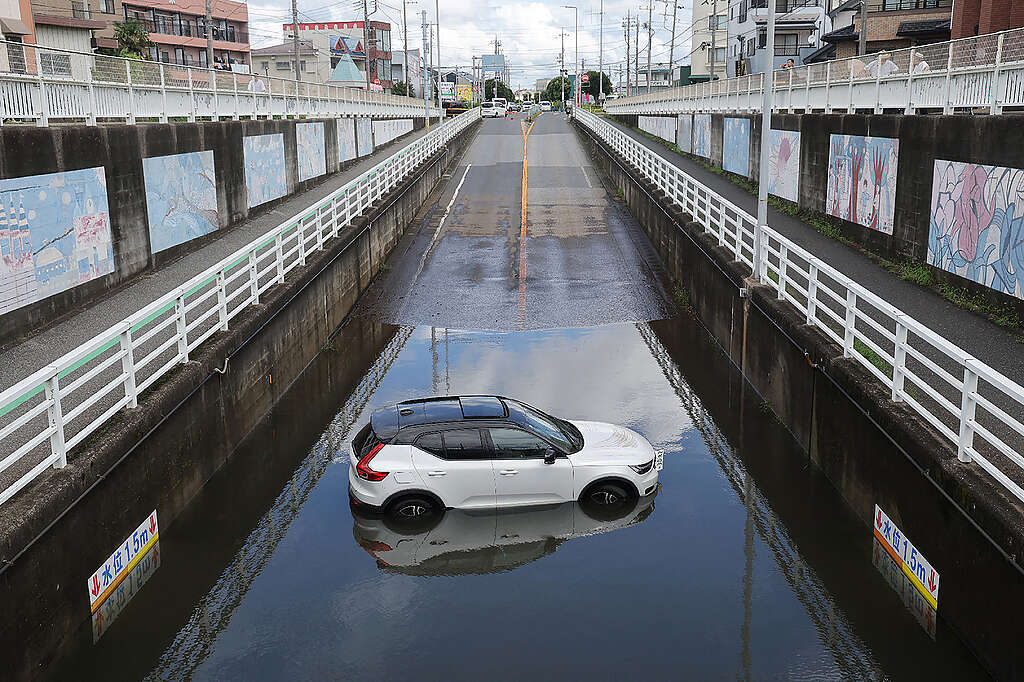
In Japan, the damage was equally severe. Unprecedented heavy rainfall led to at least 8 deaths and left thousands of travelers stranded at Narita Airport, while over 20,000 households were plunged into darkness due to grid failures in the Chiba prefecture.
Supporting Data: The Cost of Inaction
The physical destruction is quantified by statistics that are as staggering as they are depressing.
- Canada’s Wildfire Fallout: The smoke from over 100 Canadian wildfires created a public health crisis that transcended borders. By mid-July, air quality in New York City and the wider Tri-State area plummeted to "very unhealthy" levels (AQI over 201), exposing millions to fine particle pollution that aggravates heart and lung diseases.
- India’s Humanitarian Toll: The displacement of 2 million people in Assam underscores the socioeconomic fragility of the Global South. When floods destroy the foundational infrastructure of an entire region, the economic recovery period is measured in years, if not decades.
- The Mediterranean Burn: The 115,000 hectares lost in France and the 25,000 hectares in Spain highlight the catastrophic loss of biodiversity and carbon-sequestering forests, which only further accelerates the warming trend.
The Failure of Governance and the Profit Paradox
While nature is sending clear, devastating signals, the global response from political leaders remains tepid at best. The recurring critique from environmental advocates, including Greenpeace, is that many governments remain shackled to the pursuit of short-term profit at the expense of planetary survival.
There remains an uncomfortable, persistent emphasis on new oil and gas exploration—fossil fuels that directly contribute to the warming atmosphere. Furthermore, the diversion of resources toward continued global conflicts has drained the political and financial capital necessary to enact a serious, systemic transition toward renewable energy and climate adaptation.
The tendency for governments to "get distracted" by short-term political cycles, only to forget the lessons of the previous disaster, is perhaps the greatest obstacle to progress. We are currently witnessing a cycle of catastrophe followed by performative policy-making, rather than a genuine shift in economic and industrial priorities.
The Implications: A Future in Flux
The implications of these events are profound. Firstly, the "new normal" is, in fact, a rapidly worsening condition. The synergy between drought-prone regions experiencing wildfires and monsoon-prone regions experiencing record flooding suggests that the hydrological cycle is being fundamentally altered.
Secondly, the health impacts are being severely underestimated. The Canadian smoke events in North America proved that geography is no shield against climate-induced pollution. As wildfires become more frequent, we can expect a global increase in respiratory and cardiovascular illnesses, placing an unprecedented burden on public health systems.
Finally, the geopolitical landscape is shifting. Mass displacement due to climate change—what some call "climate migration"—is already becoming a reality. When 2 million people are displaced in a single region in India, the pressure on social services, neighboring regions, and international stability is immense. If governments do not address the core issue—decarbonization—the coming decades will be defined by conflict over dwindling resources, habitable land, and access to clean water.
Conclusion: Recording the Inaction
This chronicle of the 2026 climate emergency is more than a report; it is an indictment. It serves as a record of the results of combined governmental inaction and a testament to the urgency of protecting what remains of our beautiful, fragile planet.
We are currently in a race between the escalating physical manifestations of a warming world and the capacity of humanity to change its course. The fires in the Mediterranean, the floods in Asia, and the smoke-filled skies of North America are not just isolated weather events—they are the symptoms of a world failing to reconcile its economic ambitions with the physical limits of the Earth. To avoid repeating these tragedies, we must pivot from a culture of crisis management to one of radical, systemic prevention. The evidence is before us; the question remains whether we are willing to act on it.


 Nila Kartika Wati

 Dwi Wanna




