



 Reynand Wu
By Science News Desk
In the crystal-clear waters of the Caribbean, the Staghorn coral (Acropora cervicornis) once stood as a titan of the reef architecture. Today, this iconic, branching species is listed as threatened under the U.S. Endangered Species Act, struggling to survive in an ocean increasingly altered by human activity. A groundbreaking new study conducted by researchers at the Atlantic Oceanographic and Meteorological Laboratory (AOML) and the University of Miami’s Cooperative Institute for Marine and Atmospheric Sciences (CIMAS) has shed new light on why these reefs are failing—and it comes down to a lethal "double-whammy" of environmental pressures.
The research, published this spring, demonstrates that while individual corals may possess the genetic resilience to withstand isolated environmental stressors, their defenses crumble when faced with the compounded impact of nutrient pollution and disease. This discovery provides a critical roadmap for conservationists working to restore Florida’s beleaguered reef tract.
The Core Findings: When Resilience Isn’t Enough
For years, marine biologists have understood that reefs are under siege from a variety of sources: rising ocean temperatures, acidification, overfishing, and chemical runoff. However, understanding how these factors interact—a concept known as "synergistic stress"—has remained one of the most complex puzzles in marine ecology.
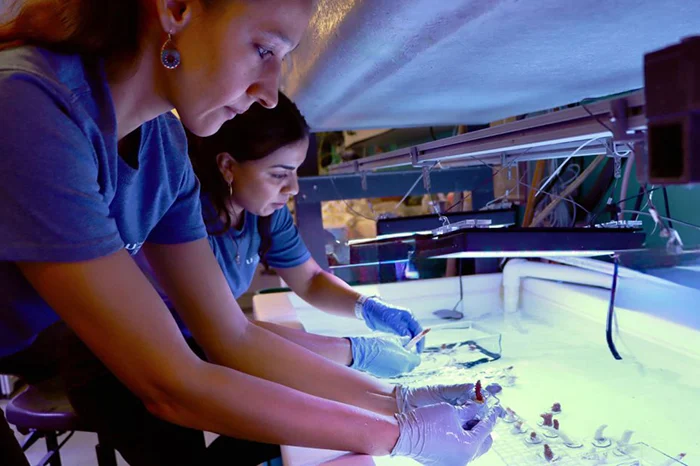
In the controlled environment of the Experimental Reef Lab, scientists isolated ten distinct genotypes of Acropora cervicornis. By selecting corals with slightly different genetic makeups, the team sought to determine if certain individuals possessed an inherent "superpower" that allowed them to cope with poor water quality.
The results were both revealing and sobering. When exposed to elevated levels of nitrogen—a common byproduct of fertilizer runoff and sewage pollution—many of the corals displayed a surprising degree of tolerance. Similarly, when challenged with disease pathogens in isolation, some genotypes showed moderate resilience. However, the study reached a critical tipping point when these stressors were combined. Under the cumulative pressure of high nutrients and disease, the biological pathways that allowed the corals to survive were overwhelmed, leading to rapid decline.
"We are seeing that these corals have a finite budget of energy," says a lead researcher on the project. "When they are forced to fight off the physiological impacts of nutrient-rich water, they lose the ability to mount an immune response against disease. They are essentially being starved of the resources needed to protect themselves."
Chronology of the Research: From Nurseries to Laboratory Tanks
The path to this discovery began months before the first tank was ever filled. The research effort was a massive collaborative undertaking involving the Florida Fish and Wildlife Conservation Commission (FWC), the Coral Restoration Foundation (CRF), and the University of Miami.
Phase 1: Selection and Sampling
Scientists traveled to three distinct coral nurseries, locations where Acropora cervicornis is actively farmed for restoration purposes. The goal was to capture a representative sample of genetic diversity. By selecting ten genotypes, the team ensured that the study wasn’t just observing one type of coral, but a range of behaviors representative of the wider wild population.
Phase 2: The Experimental Setup
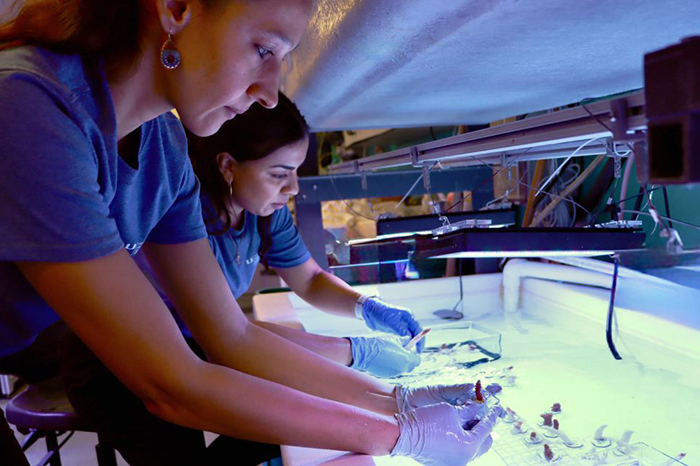
Once the samples were moved to the Experimental Reef Lab, the corals were meticulously distributed across independent tanks. This design was crucial; it allowed researchers to create a "controlled ecosystem" where nitrogen levels could be adjusted with surgical precision.
Phase 3: The Six-Week Exposure
The study spanned a six-week duration. During this time, half of the tanks were subjected to nitrogen concentrations (in the form of ammonium) that mirrored the polluted conditions found in many near-shore reef environments today. The other half acted as the control group, maintained in pristine, stable water conditions.
Phase 4: Monitoring and Data Synthesis
Throughout the six weeks, researchers monitored the corals daily. They tracked everything from tissue color and growth rates to genetic expression levels. This phase concluded with a data synthesis process that confirmed the hypothesis: the combined impact of nutrient stress and disease was significantly more destructive than the sum of its individual parts.
Supporting Data: Understanding Nutrient Dynamics
The study focused heavily on the impact of ammonium, a primary nutrient found in agricultural runoff and human waste. In the marine environment, excessive nitrogen can trigger algae blooms that choke out coral life. However, this study looked at a more insidious effect: the internal physiological stress caused by nitrogen.
- Nutrient Baseline: The researchers utilized concentrations commonly observed in Florida’s coastal waters during high-runoff events.
- The "Tipping Point": Data analysis showed that when nutrient levels exceeded a specific threshold, the coral’s symbiotic relationship with its resident algae (zooxanthellae) became unstable.
- Genotypic Variance: Not all corals reacted identically. Some genotypes demonstrated higher resilience, surviving longer in the nutrient-heavy tanks. However, when the "disease variable" was introduced, even the most resilient genotypes saw their survival rates plummet, suggesting that there is a hard limit to genetic adaptation in the face of anthropogenic pollution.
Official Responses and Conservation Strategy
The implications of this study have sent ripples through the conservation community. The NOAA-led team emphasizes that this research is not merely an academic exercise; it is a call to action for policy makers.
"If we want to save the Staghorn coral, we have to address the water quality at the source," says a spokesperson for the project. "Restoration efforts often focus on planting more coral, which is vital. But if we plant those corals into an environment that is already saturated with nitrogen, we are effectively setting them up for failure."
The Florida Fish and Wildlife Conservation Commission (FWC) has noted that this data will be integrated into their upcoming management plans. The focus will likely shift toward "targeted restoration"—identifying specific areas where nutrient runoff is low enough to give the restored corals a fighting chance. Furthermore, the Coral Restoration Foundation (CRF) is currently reviewing the study to determine if they should prioritize the "resilient" genotypes identified in the lab for future nursery outplanting.
Implications: The Future of Reef Restoration
The "multiple stressor" theory is now the leading paradigm in marine biology, and this study provides some of the most concrete evidence to date. It highlights a painful reality: we cannot solve the reef crisis with a single-issue approach.
1. The Policy Shift
If nutrient pollution is the primary "accelerant" for disease in endangered corals, then water quality legislation becomes the most effective tool for reef protection. This means stricter regulations on agricultural runoff and more aggressive upgrades to municipal wastewater treatment facilities in coastal Florida.
2. Genetic Selection for Restoration
Conservationists now have a "genetic toolkit." By knowing which genotypes are most sensitive to nutrient-disease synergies, restoration practitioners can avoid planting them in high-risk zones, instead prioritizing more robust strains for vulnerable areas.
3. A Call for Global Vigilance
While this study was specific to Acropora cervicornis in Florida, the findings are universal. Reefs worldwide are facing similar pressures. The mechanism by which pollution weakens the immune system of a coral is likely a biological constant, meaning the lessons learned here are applicable to reefs in the Pacific, the Indian Ocean, and beyond.
Conclusion: A Race Against Time
The research conducted by AOML and the University of Miami offers a sobering assessment of the challenges facing our oceans. However, it also offers a path forward. By identifying the specific mechanisms that cause coral decline, scientists have moved from a state of general concern to one of precise, actionable knowledge.
The survival of the Staghorn coral—and the complex, vibrant ecosystems that depend on it—will not be determined by luck. It will be determined by our willingness to reduce the chemical burdens we place on our coastal waters. As the researchers continue their work in the Experimental Reef Lab, the message remains clear: the corals are doing their best to survive, but they cannot do it alone. The restoration of the reef begins on the shore, in the way we manage our land, our waste, and our future.


 Nila Kartika Wati

 Dwi Wanna