



 Iffa Jayyana
In the pristine, high-ceilinged expanse of Luhring Augustine’s Chelsea gallery, a provocative challenge is issued to the viewer before they even engage with a single frame. Emblazoned on the wall is a quote by the inimitable Fran Lebowitz: “Abandon the search for Truth; settle for a good fantasy.”
This mantra serves as the thematic anchor for the gallery’s latest group exhibition, settle for a good fantasy, an evocative exploration of the medium of photography. By explicitly framing the photographic image not as a document of reality, but as an architect of desire, the exhibition invites an audience to reconsider the boundaries between the seen, the remembered, and the fabricated.
Main Facts: The Anatomy of a Mirage
The exhibition is a masterclass in visual juxtaposition. Upon entering, the visitor is immediately confronted by the intersection of high-minded theory and sensory indulgence. Adjacent to the Lebowitz quote hangs a piece by Shaun Pierson: an archival pigment print titled Untitled (Strawberry on Lace). The photograph captures a strawberry of such exaggerated, voluptuous proportions—reminiscent of the prehistoric Venus of Willendorf—that it serves as a visual punchline to the gallery’s thesis.
If photography is indeed a pursuit of truth, Pierson’s strawberry suggests that the "truth" is often a construct of our own hungers. The show continues this thread by curating works that prioritize the subjective, the erotic, and the fragmented. The exhibition space functions as a gallery of "peep show" aesthetics, where intimacy is not an invitation to know the subject, but an invitation to wonder at their distance.
Chronology: From the 1970s to the Present
To understand the trajectory of the "fantasy" in photography, one must look at the historical markers present in the show. The exhibition relies heavily on the work of Janice Guy, whose self-portraits date back to the late 1970s. By placing these vintage gelatin silver prints in conversation with contemporary works from 2026, the curators have created a dialogue across time.
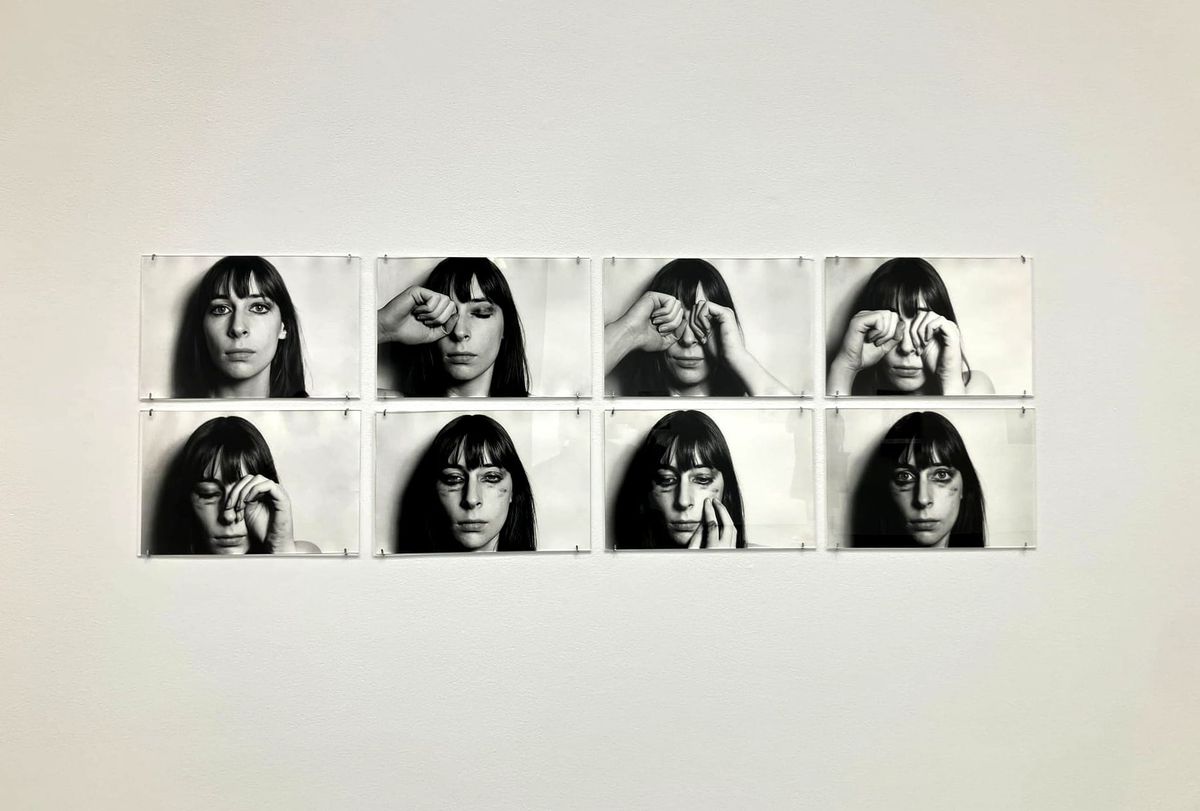
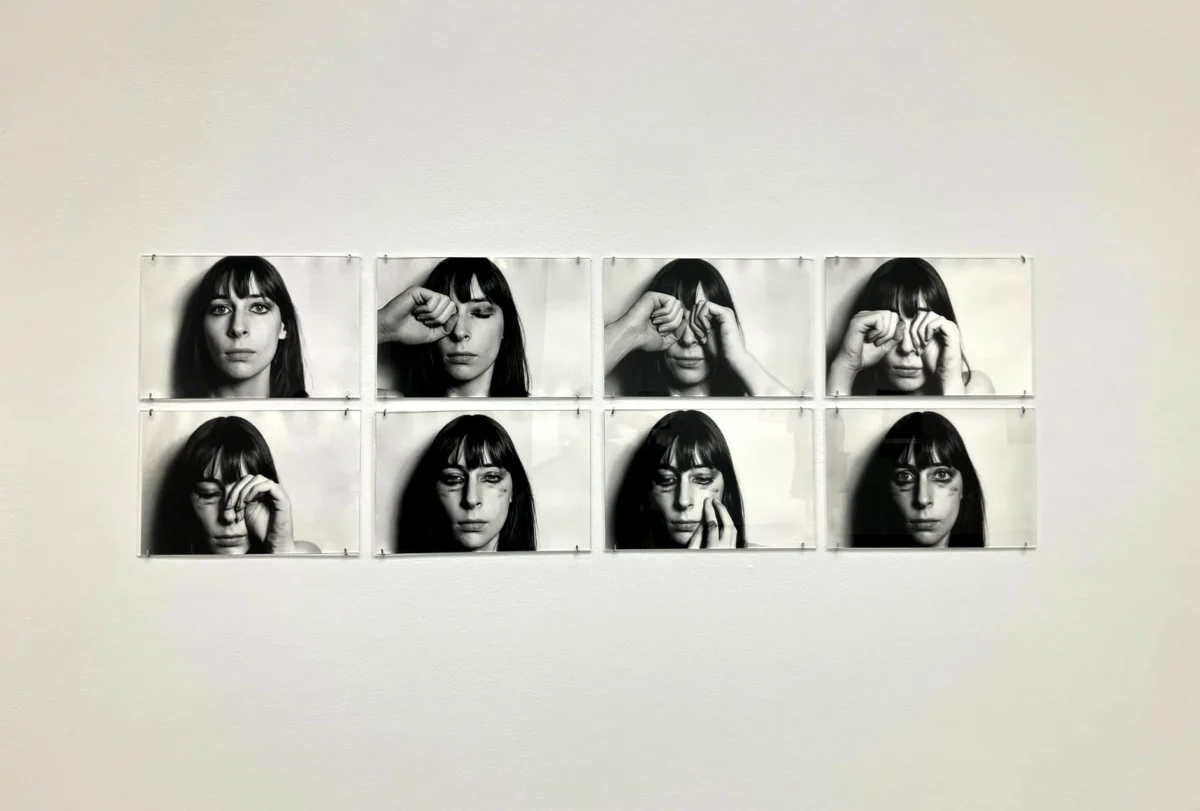
- 1977: Janice Guy captures a series of self-portraits that serve as the historical core of the exhibition. These works, displayed in grids, reflect a period when the photographic self-portrait was shifting from a record of identity to an exploration of performance.
- The Mid-Career Shift: Throughout the 1980s and 90s, the influence of these early, experimental portraitists began to permeate the fine art world, moving away from the "decisive moment" popularized by Henri Cartier-Bresson and toward the "constructed moment."
- 2026: The present day sees a resurgence in this interest. The contemporary works by Pierson, David Seider, and others utilize the digital age’s obsession with curated imagery to mirror the analog experiments of the 70s. The prints, some created specifically for this show, highlight a continuity in the way artists utilize the camera to carve out private, unreachable spaces.
Supporting Data: The Aesthetics of the Fragment
The exhibition’s power lies in its restraint. Rather than presenting grand narratives, the curators have opted for the "fragment." This choice is supported by the physical layout of the show, which emphasizes the following elements:
- The Erotic Fragment: Throughout the main gallery, the focus is on body parts—a curved back, a freckled shoulder, a sliver of a jawline. These are not portraits of whole people, but "beautiful shards" of humanity that the viewer must mentally reassemble.
- The Grid System: Janice Guy’s work exemplifies the use of the grid to fragment reality. By presenting multiple iterations of the self, she prevents the viewer from settling on a single "truth" about who she is. The repetition acts as a buffer against total intimacy.
- Materiality: The choice of archival pigment prints and silver gelatin prints emphasizes the tactile nature of photography. In an era of ephemeral digital consumption, these physical objects demand a slower, more deliberate consumption of the "fantasy."
Official Responses and Curatorial Intent
While Luhring Augustine has maintained a relatively understated presence regarding the exhibition’s "official" statement, the choice of the Lebowitz quote acts as a de facto manifesto. Curatorial notes suggest that the exhibition is a reaction against the modern, data-driven world where every photograph is expected to provide "evidence."
By stripping away the requirement for documentary accuracy, the gallery is signaling a shift toward a more romantic, albeit fractured, way of viewing art. Critics have noted that by positioning the exhibition in Chelsea, the center of the commercial art market, the gallery is making a meta-commentary on the art world itself: the industry is, after all, a massive engine of fantasy.
Implications: The Death of the Documentary
The implications of settle for a good fantasy are significant for the broader photographic community. We are currently witnessing a fatigue regarding the "truth" in imagery—a reality exacerbated by the prevalence of AI-generated content and deepfakes. When a machine can create a perfect, photorealistic lie, the artist’s role shifts.
The artists in this exhibition suggest that the future of photography does not lie in the perfection of the image, but in its ability to remain "unknowable." The "fractured peep show" mentioned by observers is a metaphor for the human condition in the digital age: we have more access to images of one another than ever before, yet we are arguably more distant.

The Role of the Viewer
The exhibition demands an active, rather than passive, viewer. By providing "shards" of information, the gallery forces the visitor to become a co-conspirator in the fantasy. We must imagine the rest of the face, the rest of the body, and the context of the scene. This creates a psychological engagement that a full-frontal, objective photograph could never achieve.
The Future of Portraiture
As portraiture moves further away from the "biographical" and toward the "atmospheric," we should expect to see more exhibitions that prioritize mood over clarity. The success of the Janice Guy pieces indicates that there is a hunger for a return to the tactile, mysterious origins of photography. The "fantasy" here is not a lie; it is a creative space where the viewer is allowed to project their own desires, fears, and interpretations onto the frame.
Conclusion: Why We Need the Fantasy
Ultimately, settle for a good fantasy is a timely reminder of why we engage with art in the first place. If we seek only "Truth," we are often met with disappointment or, worse, the mundane. If we seek "Fantasy," we are met with possibility.
As you walk through the Luhring Augustine gallery, watching the interplay of light on a silver print or observing the curve of a back, the exhibition makes a compelling case: perhaps it is better to let the mystery linger. By abandoning the rigid search for facts, we find ourselves in the presence of something far more valuable—an evocative, beautiful, and deeply personal connection to the unknown.
The exhibition is not merely a collection of photographs; it is a manifesto for the power of the imagination. In a world that is increasingly documented and analyzed, the choice to embrace the "good fantasy" is an act of rebellion. It is an assertion that the human experience is not a data point to be verified, but a story to be told, edited, and—above all—felt.


 Neng Nana
 Azzam Bilal Chamdy





