

 Raul Delapena Setiawan
AMSTERDAM/ARMENIA — As delegates gather in Armenia for the UN Biodiversity Conference (CBD COP17), a stark reality hangs over the proceedings: the world is failing its oceans. A groundbreaking report released today by Greenpeace International, titled "Well Connected," provides a damning assessment of global conservation efforts, revealing that at the current rate of progress, it would take humanity 265 years to meet the internationally agreed-upon target of protecting 30% of the world’s oceans by 2030.
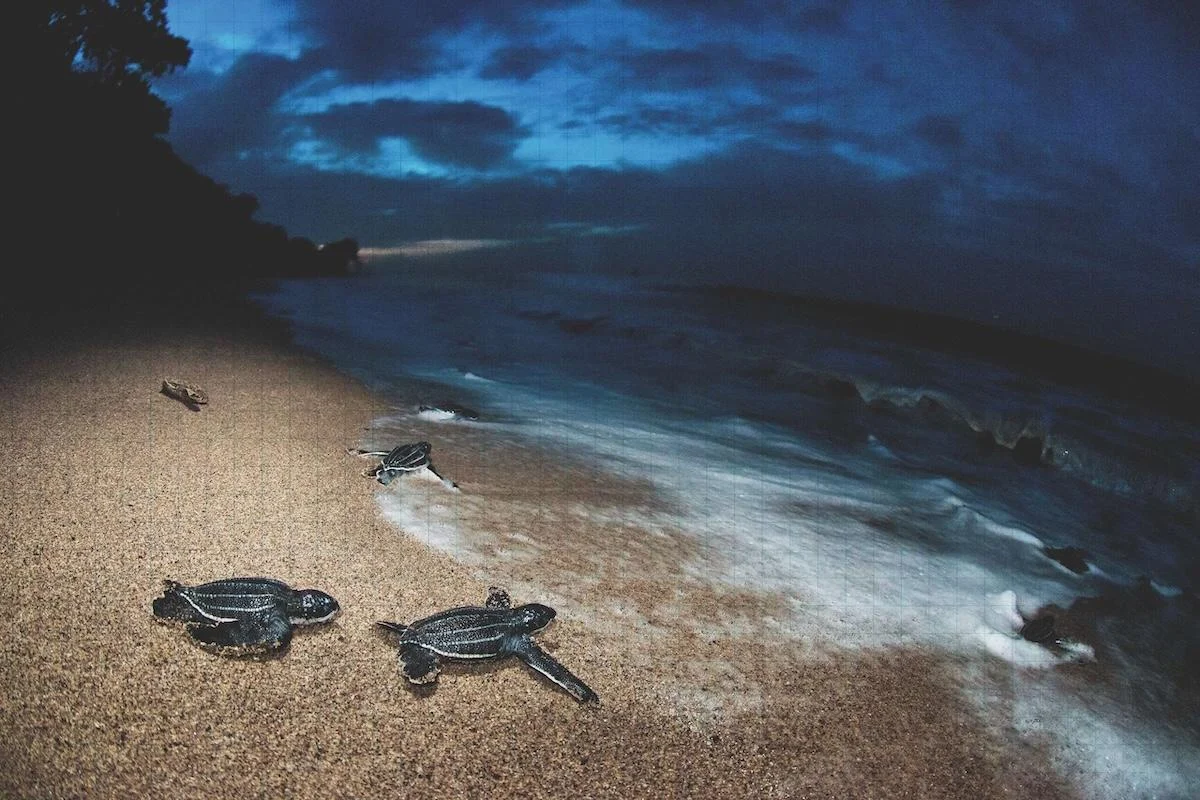
The report arrives at a critical juncture, offering a lifeline in the form of a proposed network of connected marine sanctuaries in the Atlantic High Seas. By targeting specific migratory corridors, this network could shield vulnerable species like leatherback turtles and humpback whales from the compounding threats of industrial fishing and shipping traffic, potentially reversing decades of ecological decline.
The Crisis at Sea: Main Facts and Findings
The Atlantic High Seas, international waters that belong to no single nation, have long been a "Wild West" of exploitation. While these waters are critical for global biodiversity, they remain largely ungoverned and unprotected.
Greenpeace’s report highlights that only 3.5% of the global ocean is currently fully or highly protected from human activity. The "Well Connected" proposal seeks to shift this trajectory by establishing a network covering 31% of the Atlantic High Seas. The science behind this initiative is clear: static, isolated marine protected areas (MPAs) are insufficient. Migratory species require "corridors" of safety that span thousands of miles.
Key findings from the report include:
- Protection for Migratory Routes: The proposed network would safeguard over 35% of the "danger zones" currently faced by leatherback turtles—species already classified as vulnerable on the IUCN Red List.
- Mitigating Ship Strikes: By regulating vessel traffic within these sanctuaries, the network would provide refuge for roughly 45% of high-risk humpback whale habitats in the Atlantic.
- The Industrial Fishing Toll: In 2025 alone, industrial fishing vessels spent an estimated 1.6 million hours in the Atlantic High Seas—a period equivalent to 180 years of continuous fishing activity, stripping the ecosystem of its ability to regenerate.
A Chronology of Failure and the Path to the Global Ocean Treaty
The push for ocean protection has been a long, arduous diplomatic journey. The following timeline illustrates the growing urgency of the crisis and the missed opportunities that have brought us to the current impasse.
The Decades of Neglect
For years, the high seas were treated as an inexhaustible resource. Despite warnings from marine biologists about collapsing fish stocks and the disruption of carbon sequestration cycles, international policy remained stagnant. Throughout the early 2000s, the concept of "High Seas Governance" was largely theoretical, with little enforcement power held by international bodies.
The "30×30" Commitment
In recent years, the international community rallied around the "30×30" target—the commitment to protect 30% of the world’s land and ocean by 2030. Scientists maintain this is the bare minimum required to prevent total ecosystem collapse and allow for the recovery of marine life.
The Current Stagnation (2023–2025)
Despite the high-level rhetoric at various COPs, the "Well Connected" report documents a disturbing gap between promise and practice. Governments have frequently designated "Marine Protected Areas" that exist in name only, continuing to allow destructive industrial fishing practices within their boundaries. As of today, the lack of political will has rendered most of these protections "useless" in terms of actual biodiversity conservation.
Supporting Data: Why "Well Connected" Matters
The strength of the Greenpeace proposal lies in its granular analysis of the Atlantic. The report identifies 17 specific sites that form a holistic network. These include existing MPAs that are currently under-managed and require immediate "upgrading" to full protection status, as well as new, critical areas that have previously been overlooked.
The Anatomy of an Atlantic Sanctuary
- Strategic Placement: The 17 identified sites are not chosen at random. They align with the known, documented migration routes of apex marine vertebrates.
- Stopping Industrial Fishing: The proposal mandates that these sanctuaries be "fully protected," meaning a total ban on industrial extraction. This addresses the core threat to the food web.
- Addressing the Shipping Threat: By integrating navigation protocols into the sanctuary network, the plan minimizes the risk of lethal ship strikes, which are a primary cause of mortality for large cetaceans like the humpback whale.
The report notes that in the current climate, leatherback turtles face a gauntlet of hazards. By connecting protected "nodes," the network ensures that these animals are not left vulnerable as they move between foraging grounds and breeding sites.
Official Responses: The Call for "Big, Bold Solutions"
Lukas Meus, Ocean Campaigner at Greenpeace International, did not mince words regarding the current state of international ocean policy. Speaking from the sidelines of the CBD COP17, Meus highlighted the existential threat posed by bureaucratic inertia.
"This report reveals the snail’s pace of progress governments have made to protect our ocean," Meus stated. "If they don’t act, there might not be any animals left to protect."
Meus emphasized that the responsibility lies with the delegates in Armenia. The "Well Connected" report is not merely a scientific document; it is a policy tool designed to force the hand of governments. "Having a network of connected, fully protected ocean sanctuaries would make sure that incredible migratory species are protected along their journeys, free from the threat of being killed by industrial fishing or being struck by cargo ships," he added.
The Greenpeace team is calling on governments to use the Global Ocean Treaty as the legal mechanism to ratify and enforce these 17 proposed sites. Without a binding international framework, these areas will remain vulnerable to exploitation by any state or corporate entity willing to disregard the ecological cost.
Implications: The High Cost of Inaction
The failure to establish a robust network of sanctuaries has profound implications that extend far beyond the conservation of individual species.
Biodiversity and Ecosystem Services
The ocean is the planet’s largest carbon sink. By allowing industrial fishing to continue unabated in the high seas, we are not only destroying biodiversity but also undermining the ocean’s ability to mitigate climate change. A healthy ocean is a resilient ocean; a degraded one accelerates global warming.
The Legal and Moral Imperative
The "265-year" projection for reaching the 30% goal is a scathing indictment of current global governance. If the international community continues to prioritize short-term industrial gain over long-term survival, the "30×30" goal will become a historical footnote—a reminder of a generation that saw the coming collapse and chose to look the other way.
The Way Forward
For the participants at CBD COP17, the path is clear. The "Well Connected" report provides the technical roadmap; the only missing component is the political mandate. The implication is simple: if delegates fail to adopt a network-based approach that prioritizes connectivity over isolated, ineffective zones, the damage to the Atlantic ecosystem may soon become irreversible.
As the conference in Armenia proceeds, the world is watching to see if governments will finally move from the "snail’s pace" of the last decade to the rapid, decisive action that the climate and biodiversity crises demand. The leatherback turtle, the humpback whale, and the future health of our planet depend on it.
For more information:
- The full report, "Well Connected: Protecting the Atlantic High Seas through an ocean-wide sanctuary network," is available via Greenpeace International.
- Further data on the vulnerability of the leatherback turtle can be accessed through the IUCN Red List database.
- Updates on the progress of the CBD COP17 negotiations can be followed through the official UN Biodiversity portal.


 Siti Muinah

 Nila Kartika Wati





