




 Evan Lee Salim
By Editorial Staff
In a landmark decision that has sent ripples through the national discourse on immigration enforcement, Martin Soto, a central figure in the recent wave of prisoner-led resistance at New Jersey’s Delaney Hall, was released from ICE custody on Tuesday evening. His release, mandated by U.S. District Court Judge Jamel Semper, follows an eight-month ordeal that began with an arrest while running a routine errand and escalated into a grueling battle against the systematic conditions of for-profit detention centers.
While Soto has been reunited with his wife, Gabriela, he remains under the constraints of an ankle monitor as his immigration proceedings continue. His liberation serves as a pivotal moment for immigrant rights advocates who have long argued that detention facilities operate with minimal oversight and disregard for basic human rights.
The Arrest and Initial Detention
The trajectory of Martin Soto’s case is a stark illustration of the arbitrary nature of contemporary immigration enforcement. In February, Soto was apprehended by Immigration and Customs Enforcement (ICE) agents while in the process of purchasing diapers for his 11-month-old son. This act of "abduction," as described by his wife, thrust a young family into a state of immediate crisis.
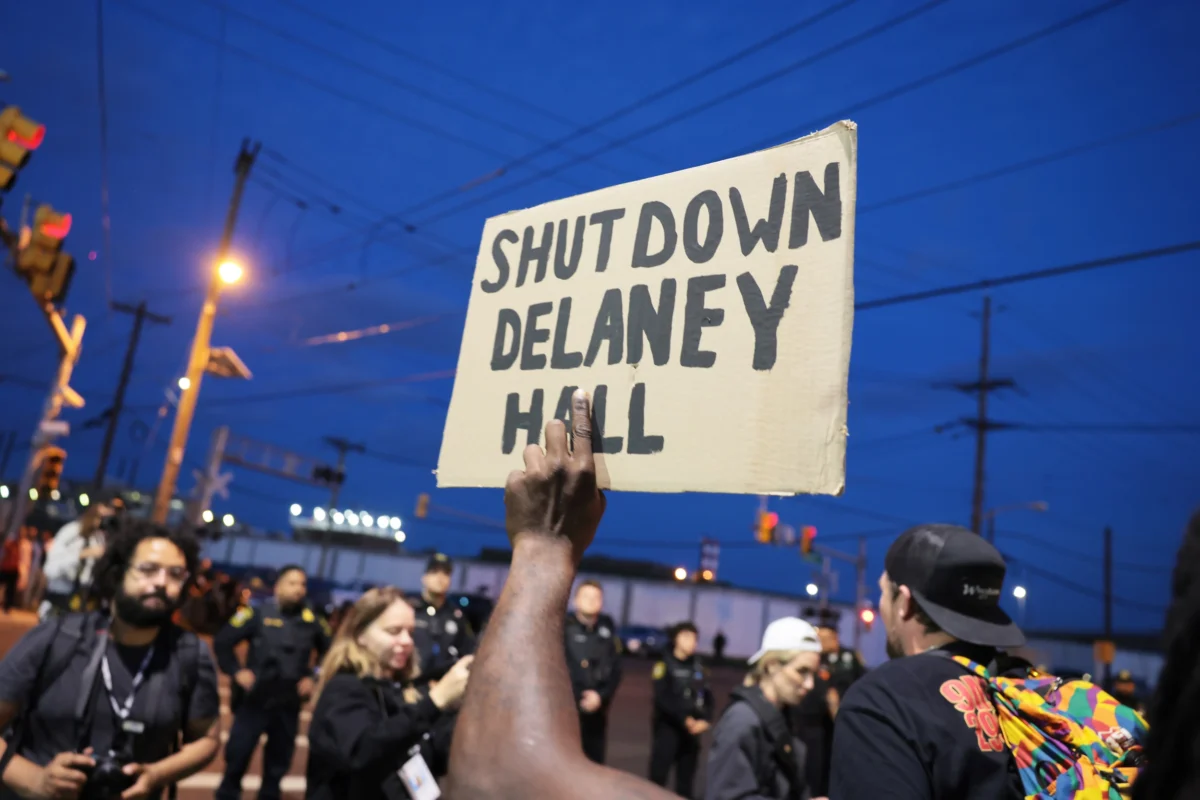
Soto was processed and moved to the Delaney Hall facility in Newark, a site operated by the private prison giant GEO Group. Since its reopening as an immigration detention center in May 2025, the facility has faced mounting scrutiny. Following the death of three immigrants within its walls, advocacy groups and legal experts have labeled the environment as hazardous, citing consistent reports of medical neglect, restricted access to legal counsel, and the coerced deportation of detainees.
Chronology of a Movement: The Delaney Hall Hunger Strike
The detention of Martin Soto quickly became a flashpoint for resistance. In May, as conditions within Delaney Hall reached a breaking point, Soto emerged as a primary organizer for a coordinated hunger strike. The protest was designed to force a reckoning regarding the "squalid" living conditions, which, according to testimony provided by his wife, included the distribution of worm-infested food.
Key Milestones in the Resistance:
- May 2026: The hunger strike commences at Delaney Hall, drawing national attention to the facility’s internal policies.
- Early June 2026: ICE agents reportedly single out Soto, questioning him directly about his wife’s public protest activities and pressuring him to suppress the movement in exchange for his freedom.
- Mid-June 2026: In a tactical move to break the strike, ICE transfers Soto from Delaney Hall to the Elizabeth Detention Center.
- June–September 2026: Soto is held in solitary confinement for four consecutive months, a period during which he was effectively cut off from his legal support and family.
- October 2026: Judge Jamel Semper rules the detention of Soto illegal, citing a combination of inhumane confinement conditions, the deterioration of Soto’s mental health, and the absence of a legal basis for his continued incarceration.
The Human Cost: A Family Under Siege
The impact of this detention extended far beyond the walls of the detention centers. Gabriela Soto became the public face of the movement, organizing protests outside the facilities and acting as a vital bridge between the men inside and the world outside. She translated the harrowing accounts of detainees, effectively bypassing the communication blocks imposed by guards who frequently cut off telephone access to silence the protest.
The psychological and physical toll on the family was devastating. During the four months that Martin spent in solitary confinement at the Elizabeth facility, Gabriela suffered a miscarriage. She attributes this tragedy to the profound, unrelenting stress caused by the state’s detention of her husband. Her public commentary throughout the ordeal has underscored the visceral, human cost of immigration policies that treat family units as collateral damage in enforcement quotas.
The Role of For-Profit Detention
The case of Martin Soto has brought renewed attention to the role of the GEO Group and the financial incentives inherent in the for-profit immigration detention system. Critics argue that when companies are paid per bed, the impetus to provide quality medical care or adequate nutrition is systematically undermined.
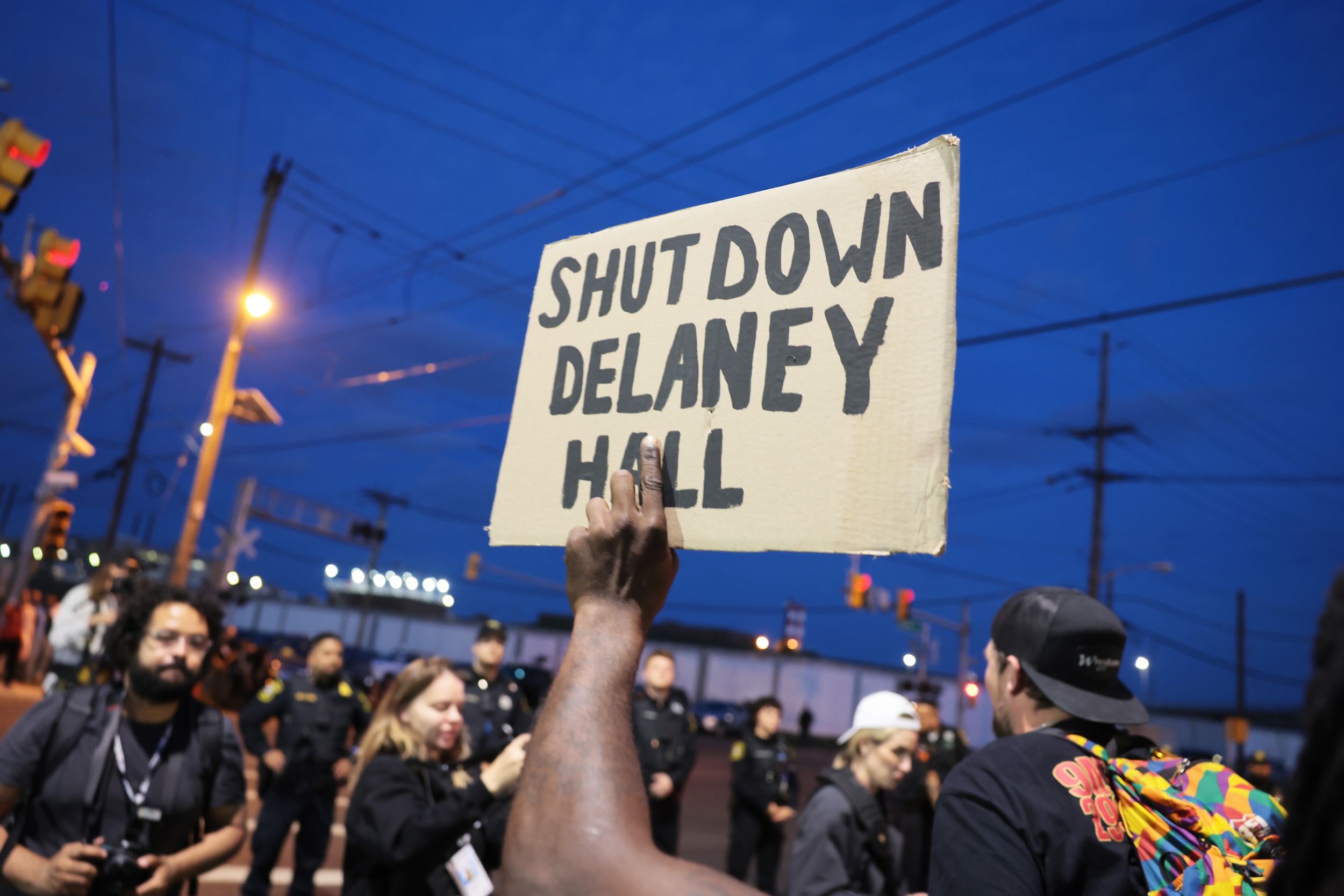
According to data compiled by advocacy organizations, more than 50 people have died in ICE custody across the United States throughout the duration of Donald Trump’s second term. The death toll at Delaney Hall specifically has become a rallying cry for activists who argue that the facility is a violation of the constitutional protections afforded to all individuals within U.S. borders, regardless of their immigration status.
Legal and Ethical Implications
Judge Semper’s ruling marks a significant victory for the defense team, which had argued that the government’s treatment of Soto—specifically the use of solitary confinement as a retaliatory measure for exercising his right to protest—violated his due process rights.
Legal Precedent and Oversight
The ruling highlights a growing tension between federal judicial oversight and the executive branch’s enforcement practices. By citing "deteriorating mental health" as a factor for release, the court has signaled that it may be willing to scrutinize the physical and psychological toll of administrative detention.
However, the legal battle is far from over. The use of ankle monitors remains a point of contention for civil rights groups, who view them as a form of "digital incarceration" that continues to restrict the freedom of individuals who have not been convicted of crimes.
Reflections on the Future
In the wake of his release, Martin and Gabriela Soto have expressed gratitude for the coalition of activists, lawyers, and community members who sustained the pressure on ICE. For Gabriela, the struggle has been transformative.
"These months have been very, very difficult," she stated in a press interview following the release. "Not only did I lose our home, not only did I lose our child, but this experience made me stronger to keep fighting for the reunification of our family."
The release of Martin Soto is unlikely to end the protests in New Jersey. The movement he helped build has evolved into a broader coalition demanding the closure of for-profit detention centers and an end to the criminalization of immigrant families. As the country looks toward the future of its immigration system, the case of the Sotos stands as a grim reminder of the power imbalance between the state and the individual—and the persistent, courageous effort required to challenge it.
While the government maintains that its detention practices are necessary for the enforcement of immigration law, the court’s intervention in this instance serves as a check on the unchecked authority that has defined this period of detention policy. Whether this ruling will lead to a broader systemic shift remains to be seen, but for the Soto family, the immediate goal of reunion has been achieved. The fight, they insist, is far from over.


 Muslim
 Rifan Muazin






