

 Raul Delapena Setiawan
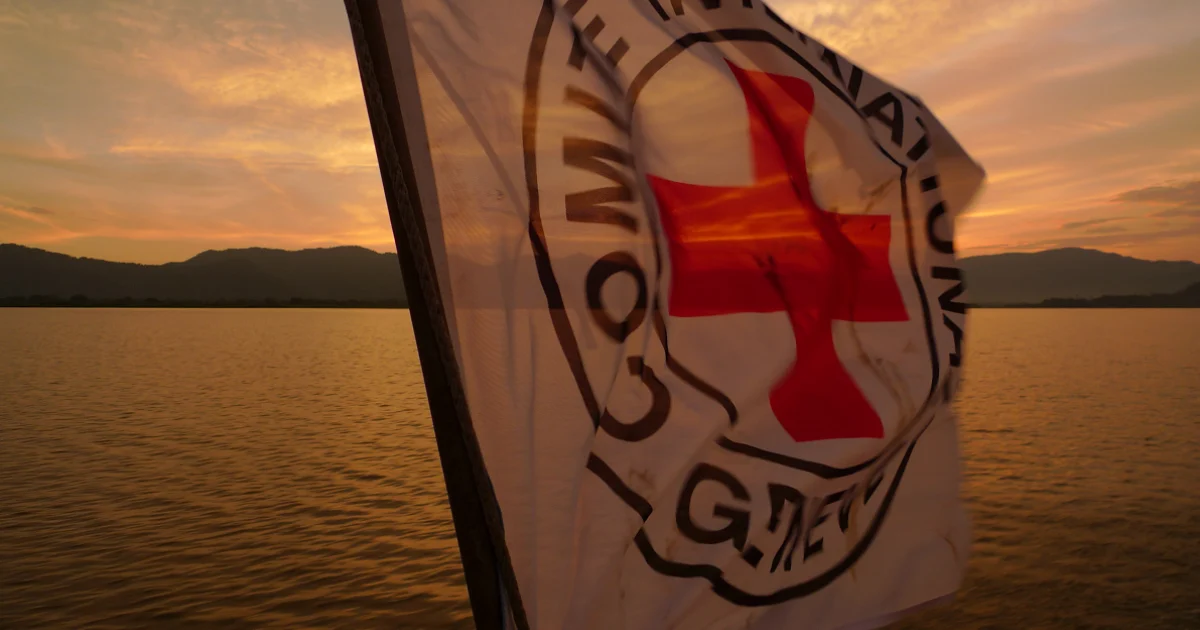
GENEVA – The International Committee of the Red Cross (ICRC) has issued a stark, urgent warning regarding the rapidly deteriorating humanitarian situation across the Middle East. As military operations intensify, the organization’s president, Mirjana Spoljaric, has decried the "unacceptable price" being paid by non-combatants, calling for immediate de-escalation to prevent a regional collapse of essential services and the further loss of innocent lives.
The Human Toll: A Regional Crisis
The current state of hostilities has transcended localized borders, creating a ripple effect of suffering that spans from the Arabian Peninsula to the Levant. In a formal statement released from the ICRC’s headquarters in Geneva, Spoljaric emphasized that the recent surge in violence, including strikes within Saudi Arabia and sustained military actions in Yemen, represents a grave departure from the protections guaranteed under international humanitarian law.
"The deaths, injuries, and destruction witnessed in recent days are yet another harrowing example of the devastating toll that hostilities are taking on civilians," Spoljaric stated. "In Yemen, the scale of death, displacement, and damage to civilian infrastructure—specifically in urban centers like Aden and Sana’a—is mounting at an alarming rate."
The ICRC, which has operated in conflict zones since 1863, notes that the destruction is not merely collateral damage but a systematic erosion of the systems that allow communities to survive. When airports, ports, and electrical grids are targeted, the long-term impact on the civilian population is catastrophic, often lasting far longer than the kinetic phase of the conflict itself.
Chronology of Escalation: A Pattern of Fragility
The current escalation is not an isolated event but the latest in a series of volatile developments that have characterized the region’s security landscape over the past several months.
- Early Phase: Increased maritime and aerial activity in the Red Sea corridor began to signal a shift in the conflict’s geography, placing vital supply lines for humanitarian aid at risk.
- Mid-Period: Reports of cross-border strikes increased in frequency, moving from peripheral engagement to the targeting of infrastructure in proximity to civilian population centers.
- Current State: The intensification of hostilities has reached a critical threshold, with the ICRC documenting a marked increase in civilian casualties and the destruction of essential public facilities. The targeting of transit hubs—ports and airports—has exacerbated an already precarious food and medical security situation, particularly in Yemen, where a significant portion of the population relies on imported aid to stave off famine.
Supporting Data: The Anatomy of Suffering
The ICRC’s assessment is grounded in field reports that paint a grim picture of the realities on the ground. The organization points to several key areas of concern:
1. Infrastructure Degradation
The destruction of "civilian objects" is prohibited under the Geneva Conventions. However, the current conflict has seen a pattern of strikes on dual-use infrastructure. Ports are not merely military logistical points; they are the lifelines for humanitarian corridors. When a port is incapacitated, the immediate consequence is a spike in the cost of basic commodities and a halt to the delivery of life-saving medical supplies.
2. Displacement Trends
As the intensity of shelling and airstrikes increases, the displaced population continues to swell. Families are being forced to abandon their homes with little to no preparation, leading to a secondary crisis: the collapse of makeshift shelter systems. In many parts of the region, these displaced individuals are congregating in areas that are increasingly vulnerable to military operations, creating a cycle of forced movement and trauma.
3. Medical System Collapse
The ICRC notes that hospitals and clinics, which should be sanctuaries, are increasingly unable to function. Power outages caused by strikes on energy grids, combined with a lack of fuel for hospital generators, have forced many facilities to turn away patients or operate under extreme, life-threatening conditions.
Official Responses and the Duty to Distinguish
The ICRC’s intervention serves as a formal reminder to all parties to the conflict of their obligations under international humanitarian law (IHL). The core tenets of IHL—distinction, proportionality, and precaution—are the benchmarks by which the legality of military conduct is measured.
"Parties to conflict must, at all times, distinguish between civilians, civilian objects, and military targets," the ICRC stated. "Strikes on ports, airports, and essential infrastructure risk severe consequences for communities who rely on them."
The ICRC maintains a policy of confidential dialogue with armed forces and authorities on all sides. This strategy, developed over 160 years, allows the organization to negotiate access to detainees and influence the behavior of combatants in ways that public condemnation sometimes cannot. However, the increasing frequency of public statements suggests that the ICRC views the current situation as having reached a point where traditional, private diplomacy is no longer sufficient to halt the harm being inflicted on civilians.
The Implications: A Disaster in the Making
The potential for a further intensification of hostilities represents an existential threat to tens of millions of people. The Middle East, already struggling with the aftermath of prolonged conflicts, is uniquely vulnerable to a wider regional war.
The Macroeconomic Impact
Beyond the immediate humanitarian tragedy, the regional economy is facing a period of unprecedented instability. Disruptions to trade routes and the destruction of physical infrastructure threaten to set back regional development by decades. Investors are retreating, and the cost of insurance for shipping and trade in the region is skyrocketing, ensuring that even if the fighting stops tomorrow, the economic recovery will be a generational challenge.
The Humanitarian Outlook
If the trend of attacking civilian infrastructure continues, the ICRC warns of a "domino effect." The failure of one sector—such as energy—inevitably leads to the failure of others, including water sanitation and healthcare. This creates a public health crisis that is often more lethal than the direct effects of warfare. Without a concerted, international effort to de-escalate, the region faces the prospect of widespread, preventable mortality on a scale not seen in recent years.
Conclusion: A Call to Action
The statement from President Spoljaric is a clarion call to the international community. The ICRC emphasizes that protecting civilians is not an optional aspect of military strategy; it is a legal and moral imperative.
As the ICRC continues its work—delivering life-saving aid, reconnecting families separated by war, and advocating for the humane treatment of those held in detention—it remains the neutral arbiter of the laws of war. However, the organization makes it clear that its efforts, and those of its Red Cross and Red Crescent partners, are only effective if the warring parties commit to a baseline of restraint.
"Urgent efforts must be made to de-escalate and protect civilians from further harm," the ICRC concluded. For the millions of people caught in the crossfire, the time for diplomatic maneuvering has passed; the time for tangible action to preserve human life is now.
About the International Committee of the Red Cross (ICRC)
The ICRC is an independent, neutral organization ensuring humanitarian protection and assistance for victims of armed conflict and other situations of violence. It takes action in response to emergencies and at the same time promotes respect for international humanitarian law and its implementation in national law.
Contact Information:
- Hachem Osseiran (ICRC Geneva): +41 22 748 9674 | [email protected]
- ICRC Press Office (Geneva): +41 22 730 34 43 | [email protected]

 Reynand Wu
 Layla Zulfa