



 Reynand Wu
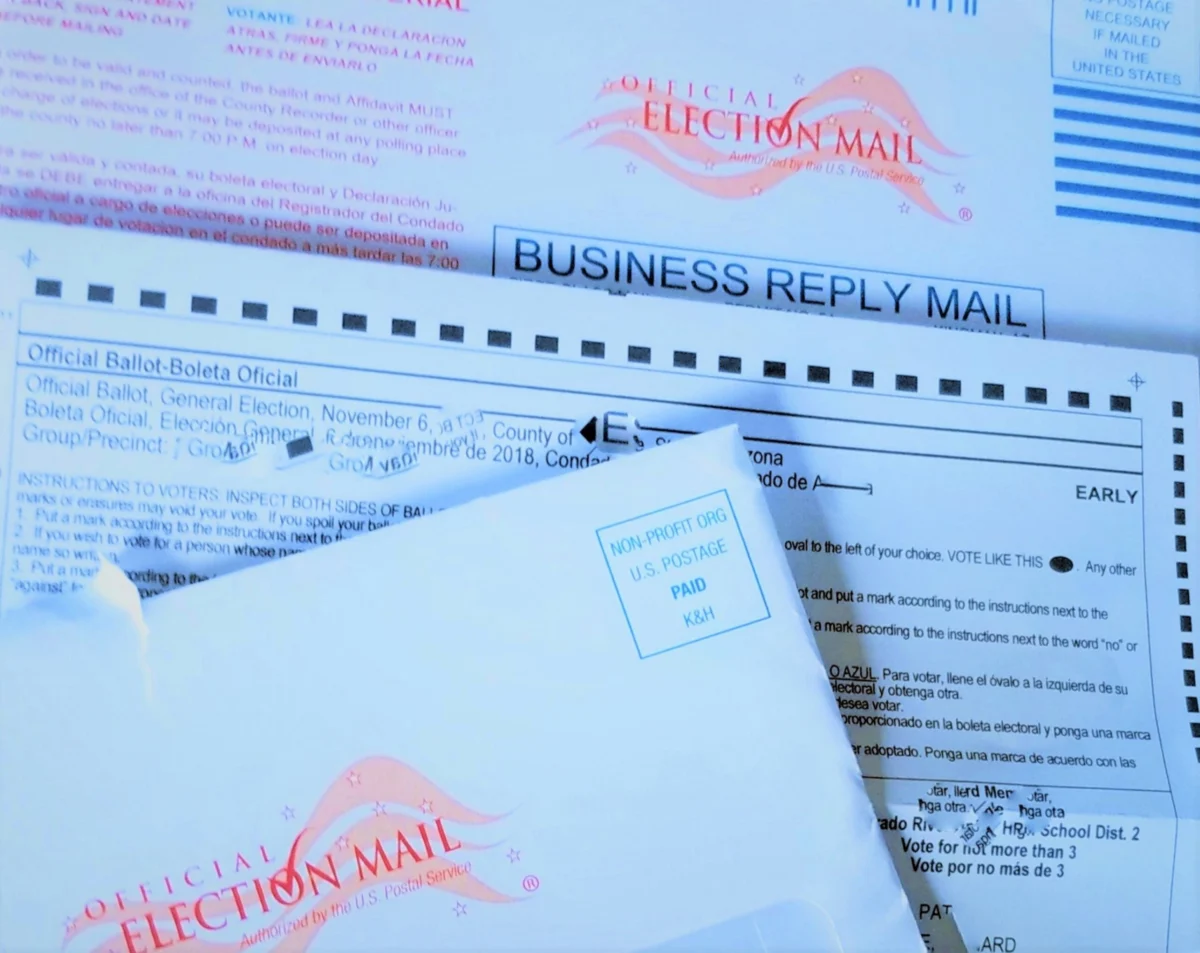
WASHINGTON, D.C. — As primary election ballots are cast across Rhode Island today, a quiet but significant segment of the population remains conspicuously absent from the polls. While the state prides itself on a history of democratic expansion, nearly 1,600 Rhode Islanders are currently barred from the democratic process due to their status as incarcerated individuals.
This exclusion highlights a persistent tension in American governance: the line between civic participation as a fundamental right and its status as a conditional privilege lost upon conviction. According to the latest data from The Sentencing Project, roughly 4 million Americans across the United States remain disenfranchised due to felony convictions. In Rhode Island, that number stands at 1,595 residents—representing approximately 0.19% of the state’s total population. As the nation grapples with questions of criminal justice reform, advocates are pushing for Rhode Island to move beyond its previous reforms and join a handful of states in guaranteeing the right to vote for all citizens, regardless of their incarceration status.
The Evolution of Voting Rights: A Chronological Overview
To understand the current debate, one must examine the arc of Rhode Island’s legislative history. For much of the 20th century, the state maintained strict disenfranchisement policies. However, the early 2000s marked a turning point in how the Ocean State viewed the relationship between citizenship and the carceral system.
- Pre-2006: Rhode Island, like many states, maintained a system where felony convictions often resulted in the permanent loss of voting rights, or required arduous, individual clemency processes to restore them.
- 2006: The Constitutional Amendment: In a landmark move, Rhode Island voters approved a constitutional amendment that automatically restored voting rights to individuals with felony convictions immediately upon their release from prison. This effectively eliminated the "civil death" that once plagued former inmates, signaling a shift toward prioritizing reintegration over permanent exclusion.
- 2006–2024: The Stagnation of Reform: While the 2006 amendment was heralded as a progressive victory, the momentum stalled. For nearly two decades, the focus remained on post-release restoration, leaving the population behind bars entirely sidelined from the democratic process.
- The Present Day: As of 2024, the conversation has shifted. Advocates are no longer satisfied with "re-enfranchisement upon release." They are now pushing for a model of universal suffrage that mirror the policies of states like Maine and Vermont, where incarceration does not strip a citizen of their constitutional right to vote.
Supporting Data: The Scope of Disenfranchisement
The data provided by The Sentencing Project paints a stark picture of the national landscape. While Rhode Island’s disenfranchisement rate of 0.19% is relatively low compared to states with more punitive regimes, the raw number of 1,595 individuals represents a cohort of citizens whose voices are effectively silenced in every local, state, and federal election.
The implications of this data extend beyond mere numbers. When a specific demographic is systematically removed from the electoral rolls, the policy interests of that group are often ignored by elected officials. Because incarcerated individuals cannot vote, they hold no leverage over the representatives who set the budgets for correctional facilities, dictate sentencing guidelines, or manage parole systems.
Furthermore, the data suggests that disenfranchisement disproportionately affects marginalized communities. Because of systemic disparities in policing and prosecution, the populations most likely to be incarcerated are also those whose interests are most frequently neglected in state legislatures. By barring these individuals from the ballot box, the state ensures that the very people most affected by criminal justice policy have the least influence over it.
Voices for Change: Official Responses and Advocacy
The push for universal suffrage is being led by a coalition of organizations, most notably The Sentencing Project and the Rhode Island Freedom Collective. These groups argue that the current policy is an incomplete solution that fails to address the foundational nature of democratic rights.
Bob Libal, Senior Campaign Strategist for The Sentencing Project, emphasized that the 2006 reforms, while commendable, were only a partial victory. "Rhode Island has shown how expanding voting rights strengthens our democracy," Libal noted. "Voting rights are not fully restored, however, if people who are incarcerated still don’t have a voice in the laws that shape our lives and communities. Every Rhode Islander deserves to participate in the democratic process, regardless of where they live."
This sentiment is echoed by those on the ground in Rhode Island. Kyle Campbell, co-founder of the Rhode Island Freedom Collective, views the current exclusion as a failure to fulfill the state’s democratic promise. "As we reflect on this milestone year for voting restoration in Rhode Island, we must remember that the state has already demonstrated that voting rights can be restored," Campbell stated. "The next step is to ensure that the promise of democracy extends to all Rhode Islanders—including those who are currently incarcerated—to truly fulfill the promise of democracy."
The arguments from these advocates are rooted in the belief that voting is not a reward for "good behavior" or a privilege to be earned, but a fundamental aspect of citizenship that should be protected even under the constraints of the justice system.
Implications: Civic Engagement and Community Safety
Critics of universal suffrage for incarcerated individuals often cite the "punitive" nature of prison as a justification for disenfranchisement. However, proponents argue that the current system is counterproductive to the very goals of the justice system: rehabilitation and successful reentry.
Research suggests that there is a clear, positive correlation between civic engagement and recidivism. When individuals are encouraged to maintain a connection to their community, their likelihood of returning to the justice system decreases. By denying the vote to those in prison, the state essentially severs their tie to the democratic society they are expected to rejoin upon release.
"Restoring voting has been shown to encourage civic engagement, promote successful reentry upon release, and reduce recidivism, thereby improving community safety," advocates argue. By treating the incarcerated as members of the body politic rather than outsiders, the state can foster a sense of responsibility and investment in the collective well-being of Rhode Island.
Furthermore, there is a symbolic implication. If the goal of the penal system is to prepare individuals for a return to society, then active participation in the democratic process should be a cornerstone of that preparation. Allowing incarcerated people to vote would require correctional facilities to provide educational materials, candidate information, and the logistical means to cast a ballot, all of which would contribute to a more informed and engaged citizenry.
Conclusion: The Path Forward
Twenty years after the landmark 2006 amendment, Rhode Island stands at a crossroads. It has proven its ability to lead on issues of voter restoration, but the work remains unfinished. The question now facing lawmakers is whether the state has the political courage to extend the franchise to its most isolated citizens.
As the state moves forward, the pressure to examine the barriers that prevent residents from participating in elections will only intensify. The movement is gaining traction not just as a matter of civil rights, but as a matter of public policy effectiveness. By integrating the voices of the incarcerated into the democratic process, Rhode Island could set a new national standard, reinforcing the idea that democracy is at its strongest when it is truly inclusive.
The promise of democracy is not a static goal; it is a continuous process of expansion. For the 1,595 Rhode Islanders currently excluded from the polls, that promise remains unfulfilled. Whether the state will take the next step toward true universal suffrage is a question that will undoubtedly dominate the next chapter of Rhode Island’s political discourse.
About the Rhode Island Freedom Collective
The RI Freedom Collective is a grassroots organization dedicated to creating a robust network supporting Formerly Incarcerated Persons (FIPs). They are committed to influencing policy change and elevating the voices of people currently incarcerated and their families, both within Rhode Island and across the national stage. For more information, visit www.rifreedomcollective.org.
About The Sentencing Project
The Sentencing Project is a national non-profit organization that advocates for effective and humane responses to crime. They work to minimize the imprisonment and criminalization of youth and adults by promoting racial, ethnic, economic, and gender justice in the American legal system. For more information, visit www.sentencingproject.org.

 Raul Delapena Setiawan
 Pevita Pearce






