




 Siti Muinah
By Iffat Khan
October 11, 2026
For Ayesha,* a fifth-grade student in the South West State of Somalia, the school desk she occupied was not merely a piece of furniture—it was her sanctuary. However, as she approached adolescence, that sanctuary was slated to be replaced by a life she had not chosen. At an age defined by textbooks, play, and budding friendships, Ayesha was informed that her formal education was coming to an abrupt end. Her future had been decided: she was to be married to a man significantly older than herself.
Ayesha’s story is a harrowing reality for millions of girls worldwide. International Day of the Girl Child, observed annually on October 11, serves as a poignant reminder of the systemic barriers—poverty, discriminatory cultural norms, and household burdens—that cut short the dreams of young girls. Yet, Ayesha’s narrative also serves as a beacon of hope, demonstrating that when a community unites, the trajectory of a girl’s life can be rewritten.
The Invisible Crisis: Child Marriage and Education
Every three seconds, a girl is married somewhere in the world. This statistic is more than a metric of social inequality; it is a profound violation of human rights that robs millions of their potential. According to UNICEF and the UN Population Fund (UNFPA), an estimated 12 million adolescent girls are married annually. Currently, there are approximately 640 million women and girls alive today who were married before their 18th birthday.
The consequences are devastating and multi-generational. When a child is forced into marriage, her education is almost invariably cut short. She is thrust into the role of a domestic laborer, expected to manage household chores, child-rearing, and the expectations of a spouse, often at the cost of her physical health. Adolescent pregnancy—a common byproduct of child marriage—poses severe, life-threatening risks to both the young mother and her infant. Furthermore, these girls are statistically more likely to experience domestic violence, further entrenching them in cycles of poverty and subjugation.
Chronology of a Transformation: The Power of Peer Intervention
Ayesha’s escape from this fate was not a miracle; it was the result of a concerted, grassroots effort. When her friends—members of a school-based girls’ club—learned of the impending marriage, they did not remain silent.
- Identification: The peer group recognized the danger to their friend’s future and safety.
- Engagement: They initiated a courageous dialogue with Ayesha’s parents. Rather than using confrontation, they focused on the value of education and the long-term economic and social benefits of allowing a girl to finish her studies.
- Outcome: Their persistence and maturity convinced the parents to call off the marriage.
- Resumption: Ayesha returned to her classroom, continuing her education alongside her peers.
This intervention illustrates a crucial lesson: building schools is not enough. To truly transform the lives of girls, we must change the cultural fabric of the villages and towns they inhabit.
Supporting Data: Why Community Engagement Works
The evidence supporting community-based interventions is overwhelming. In Somalia, the UK-funded Somali Girls’ Education Promotion Programme (SOMGEP) demonstrated that targeted community work yields measurable shifts in behavior. By the end of the project, parental support for girls’ education rose from 76% to 88% in targeted areas, compared to a marginal increase in non-targeted communities.
Key Metrics of Success:
- Academic Completion: Six years post-program, participants in the Somali project saw primary completion rates jump by 23.5 percentage points.
- Delayed Marriage: Participants in these programs married, on average, 1.4 years later than their non-participant peers.
- Shift in Beliefs: While 30.7% of non-participants believed violence against women was acceptable in certain circumstances, that figure dropped to just 13.5% among those who participated in the program.
- Empowerment: In CARE’s Adolescent Girls’ Education in Somalia (AGES) project, the percentage of girls who viewed marriage as their only future option plummeted from 20% to just 1%.
Case Studies in Resilience: From India to Ethiopia
The movement to empower girls is global, manifesting through diverse, locally adapted programs like the Udaan and SOAR (Strengthening Opportunities for Adolescent Resilience) models.
The Transformation of Sanjita and Asmita (India/Nepal Border)
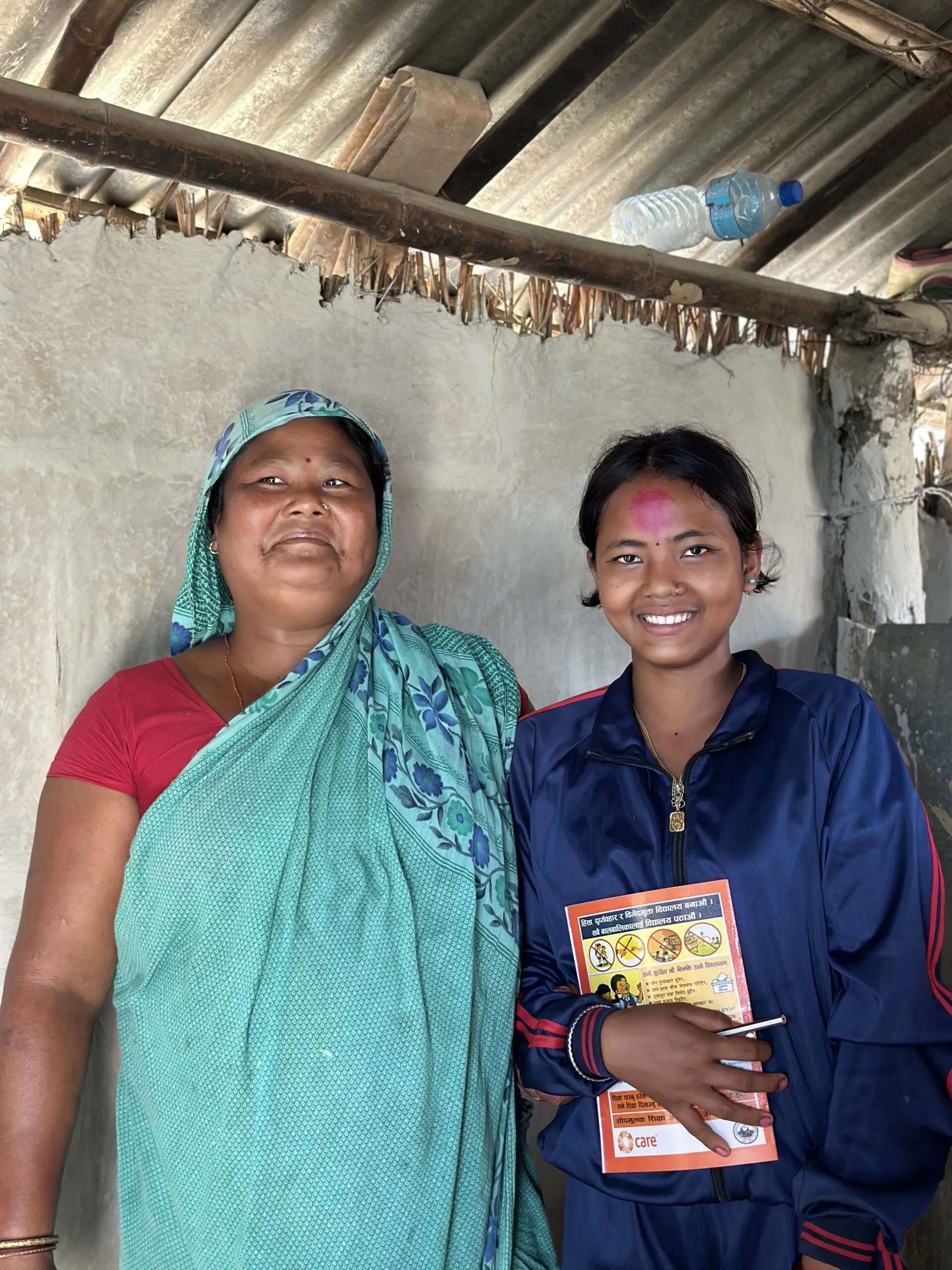
Sanjita, a mother, once believed that her daughter, Asmita, was better suited for manual labor and household chores than for school. Financial hardship had forced Asmita to drop out in the third grade. However, through the Udaan program, Sanjita witnessed her daughter’s renewed passion for learning.
"Earlier, I did not realize the importance of educating daughters," Sanjita reflects. "Now I understand that supporting even one girl to continue her education can bring positive changes to the family and community." Today, Sanjita serves as a vocal advocate for girls’ rights, championing the idea that daughters deserve the same educational investment as sons.
Nitu’s Ascent (Nepal)
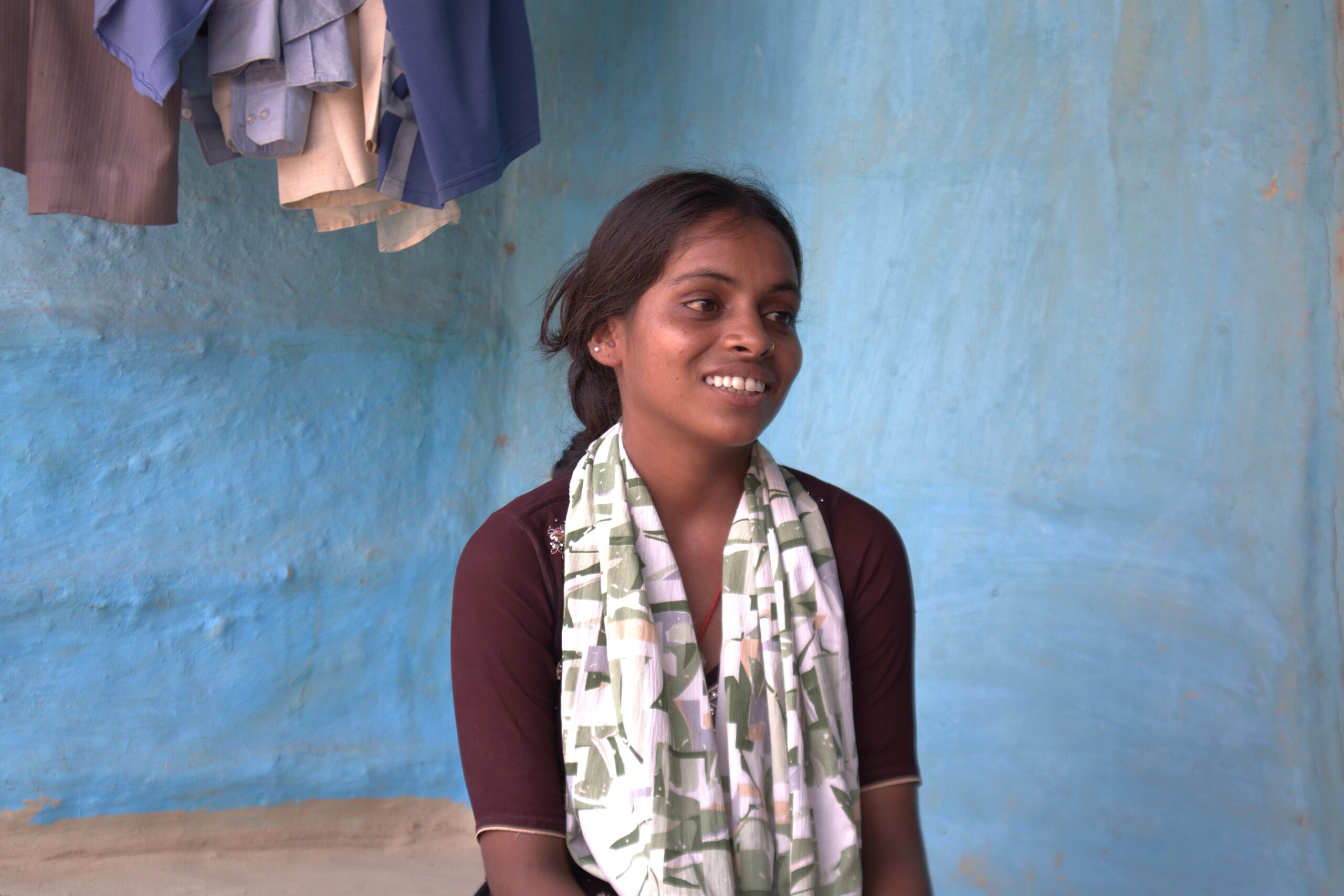
Nitu, an 18-year-old in Nepal, faced a community where few girls reached secondary school. After dropping out in the second grade, her prospects were dim. Through the SOAR program, Nitu not only returned to school but reached the 10th grade—one of only four girls in her area to do so. She utilized the negotiation skills learned through the program to overcome her father’s initial resistance, proving that these initiatives provide girls with the tools to navigate their own familial landscapes.
Hamidi’s Journey (Ethiopia)
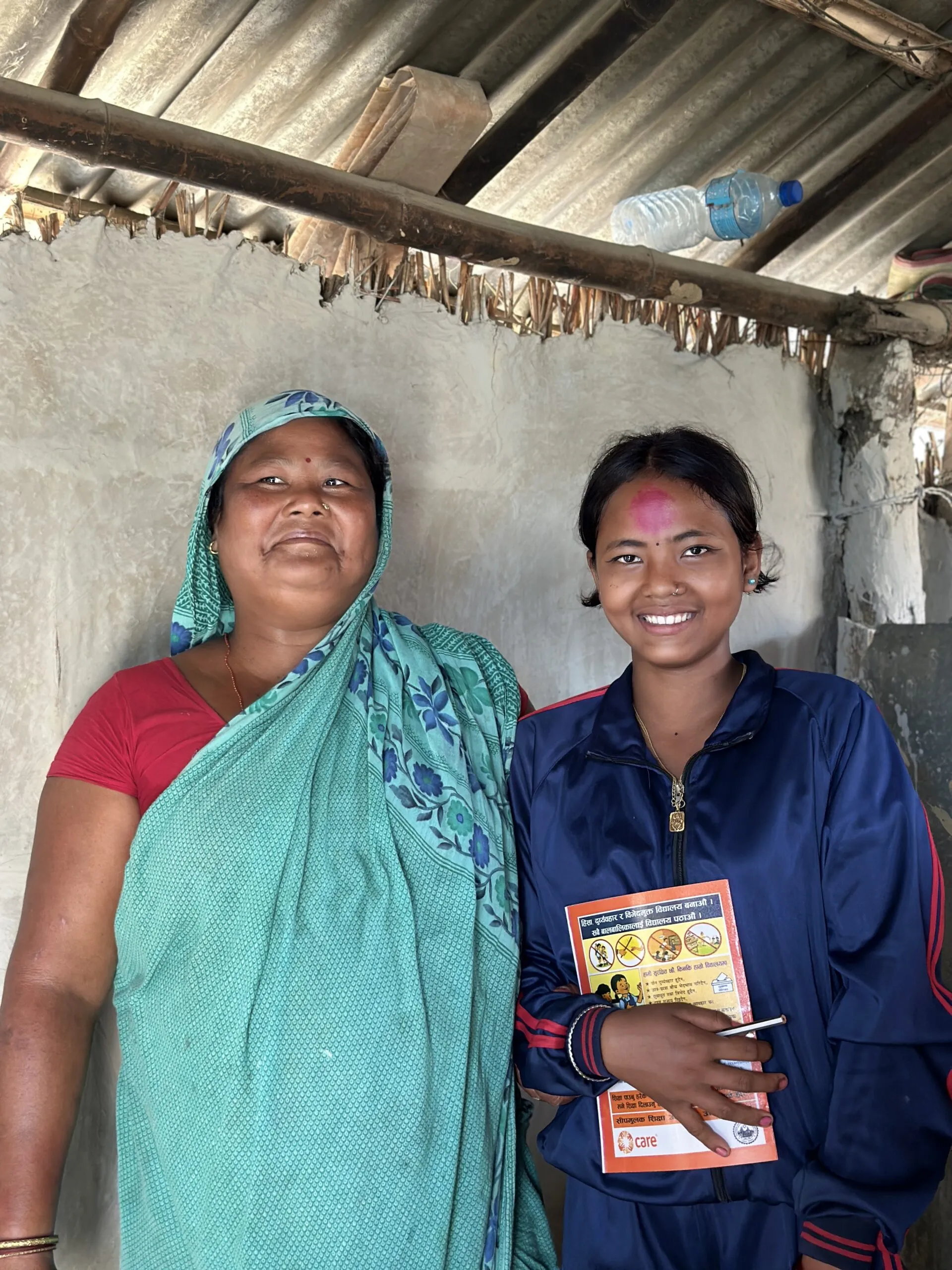
In Ethiopia, Hamidi, who lost her father at age six, spent her childhood as a caregiver for her grandmother. The SOAR program provided her with the accelerated learning necessary to catch up. "My peers are now in seventh grade," she notes. "By the will of Allah, I will be in fourth grade next year. This program is truly life-changing."
Economic Implications: Beyond the Classroom
A major barrier to girls’ education is the perception of it as a "poor investment." Families struggling to survive often prioritize immediate labor over long-term education. To address this, organizations like CARE have integrated vocational training into their programs.
In Tanzania, a participant named Asia learned to produce and sell soap through a SOAR project. This skill provided her with an independent income and essential business management experience. By linking education to economic viability, these programs prove that an educated girl is not just a student—she is a future entrepreneur, leader, and economic pillar for her community.
Official Responses and Strategic Implications
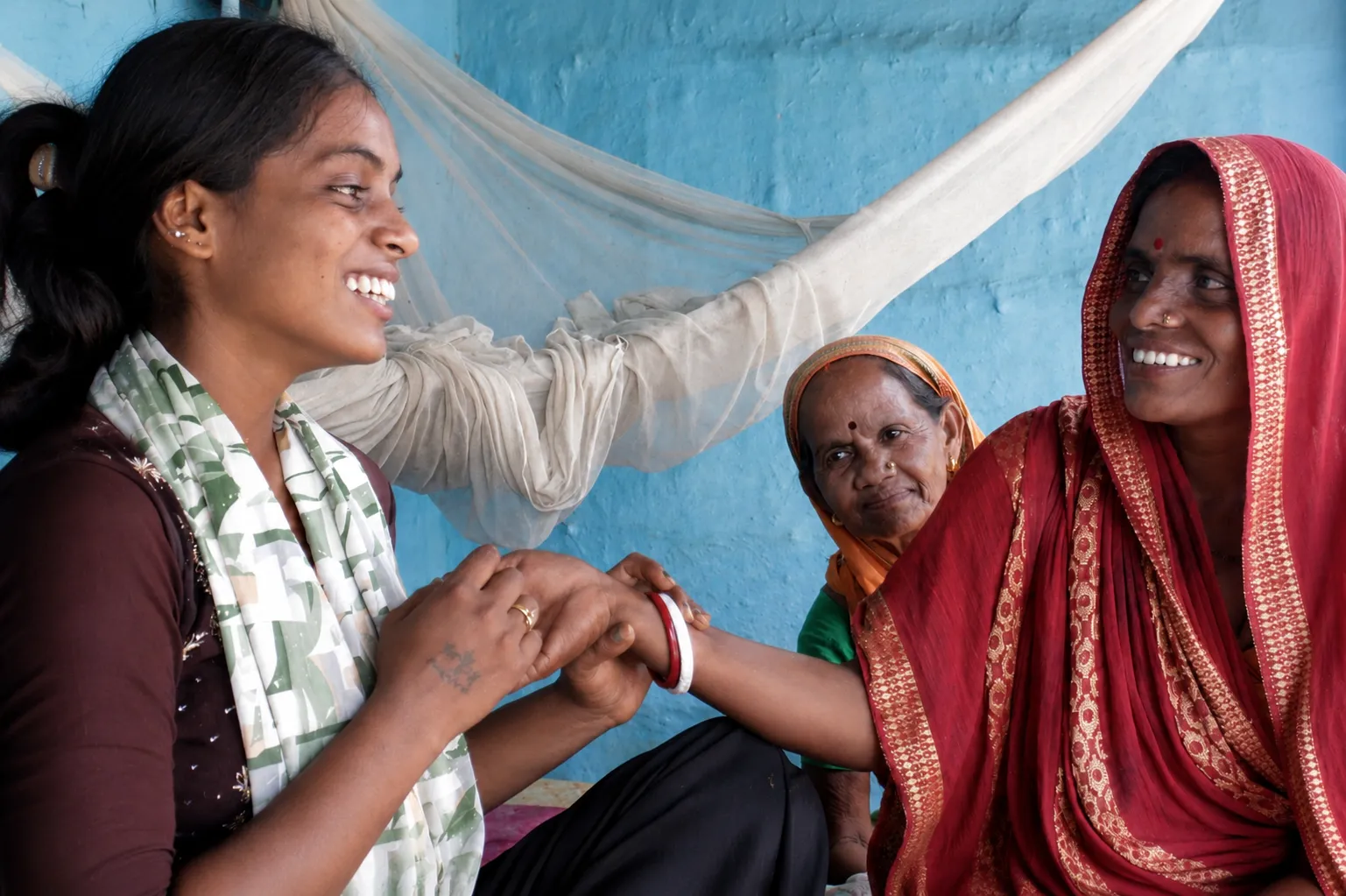
Experts emphasize that the "Girls’ Club" model—safe spaces where adolescent girls can connect, mentor one another, and develop leadership skills—is vital. A review of 44 such programs found that nearly half significantly improved the participants’ self-esteem and ability to assert their rights.
The Girls’ Empowerment Forums (GEFs) in Somalia stand as a testament to this, with club members being 12.5 times more likely to remain in school than their peers. These forums facilitated a 15-percentage-point increase in literacy and a 16-percentage-point increase in numeracy.
The Path Forward
As we reflect on the International Day of the Girl Child, the implications for global policy are clear:
- Accelerated Learning: Formal systems must adopt flexible, non-formal, and community-based models to catch those who have fallen through the cracks.
- Community-Wide Advocacy: Policies must target the "gatekeepers"—parents, elders, and local leaders—to dismantle the cultural norms that favor child marriage.
- Economic Integration: Linking education to vocational training ensures that families see the tangible value of keeping girls in school.
- Safe Spaces: Continued funding for girls’ empowerment forums is essential to foster the confidence necessary for girls to advocate for their own futures.
The data is unequivocal: when girls are supported by their families, schools, and peers, they stay in school longer, marry later, and command greater control over their destinies. Ayesha, Nitu, Sanjita, and Asia are not just success stories; they are the architects of a future where no girl’s potential is sacrificed to the expectations of the past.
Name changed for security reasons.
Citations:
- Consilient (2022) Somali Girls’ Education Promotion Project – Transition: Endline Evaluation Report, pg. 240.
- CARE (2024) AGES Quarterly Monitoring Survey, May 2024, pg. 26.
- Infosutra (2026). Udaan Longitudinal Study.
- CARE (2026). Final Report AEP Ethiopia, p. 1.
- Consilient (2023), AGES Second Midline Evaluation, pg. 140.


 Reynand Wu
 Jia Lissa






