



 Muslim
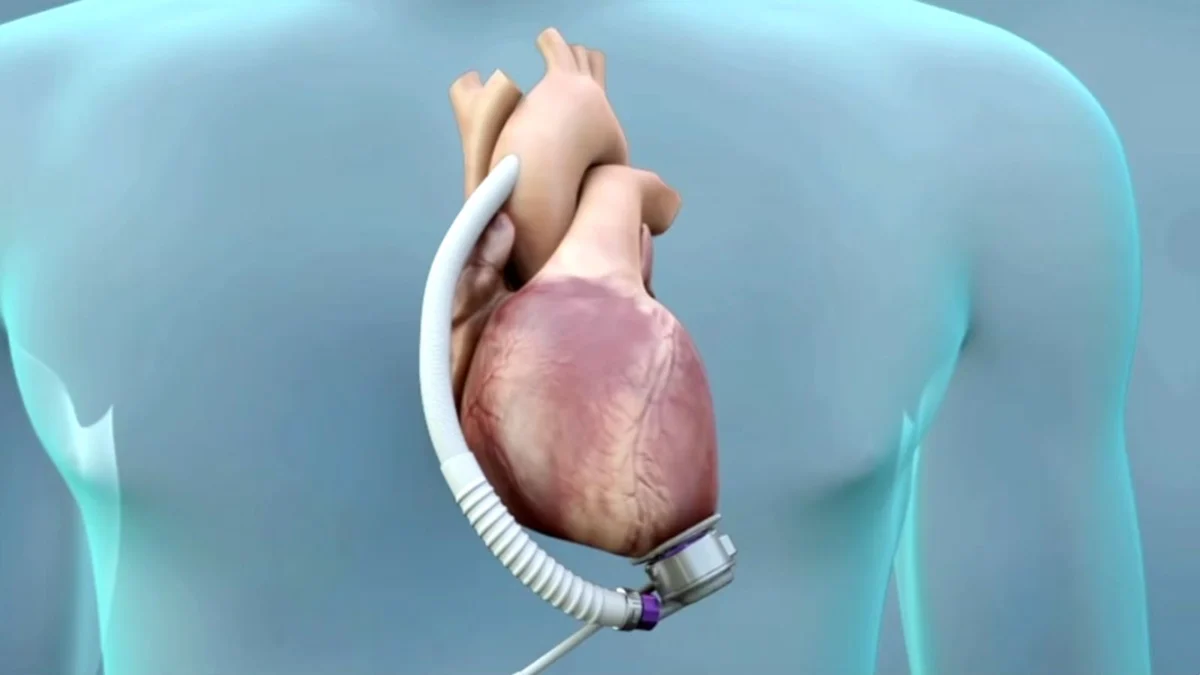
For decades, the primary concern surrounding Left Ventricular Assist Devices (LVADs) has been the specter of stroke. As mechanical circulatory support has evolved from primitive pumps to the sophisticated, magnetically levitated HeartMate 3, clinicians have watched stroke rates decline. However, a new, comprehensive analysis of the U.S. INTERMACS database suggests that by focusing almost exclusively on stroke, the medical community may be overlooking a broad, equally lethal category of neurological complications that threaten patient survival.
A recent study published in JACC: Heart Failure argues that "nonstroke" neurologic adverse events (NAEs)—including encephalopathy, seizures, and transient ischemic attacks—are just as significant as strokes when evaluating the safety and prognosis of modern LVAD therapy.
The Scope of the Problem: Defining the "Nonstroke" Category
Led by Omar Saeed, MD, MSc, of the Montefiore Medical Center at the Albert Einstein College of Medicine, the research team analyzed data from nearly 12,000 patients who received the HeartMate 3 device between 2017 and 2023. Over a median follow-up period of 1.4 years, the study found an 8% incidence of stroke and an 8% incidence of nonstroke NAEs.
The clinical outcomes were stark. Two-year survival rates stood at 45% for patients who experienced a stroke, compared to 56% for those who suffered a nonstroke neurologic event. While both figures are significantly lower than those for patients who experienced no neurologic complications, the data confirms that nonstroke events are far from benign.
The category of "nonstroke NAEs" is broad and clinically heterogeneous. It encompasses:
- Structural CNS Injury: Subarachnoid hemorrhage (SAH), subdural hemorrhage (SDH), and hypoxic-ischemic injury.
- Neurological Dysfunction without structural CNS damage: Encephalopathy, delirium, and seizures.
- Covert CNS injury: Issues detected via neuroimaging that might not present with immediate, obvious focal symptoms.
Chronology of Clinical Evolution: From HeartMate II to III
To understand the current state of LVAD safety, one must look at the evolution of the technology. The transition from the HeartMate II to the magnetically levitated HeartMate 3 represented a paradigm shift in mechanical support. In the landmark MOMENTUM 3 trial, the HeartMate 3 demonstrated a clear superiority in reducing stroke rates compared to its predecessor.
Historically, stroke in LVAD patients was largely attributed to thromboembolism—clots forming in the device or elsewhere and traveling to the brain—along with pre-existing cerebrovascular disease and blood pressure dysregulation. Because stroke was the "headline" complication, it became the primary metric for device success.
However, as the device-related risks have plummeted, the patient-related risks have become more prominent. The recent JACC: Heart Failure study suggests that while we have largely solved the "device" side of the equation, we are now left with a population of patients who are inherently sicker, often entering the operating room in states of advanced cardiogenic shock.
Supporting Data: Predictors of Mortality
The study identified specific, high-risk profiles that correlate with poorer outcomes following a neurological event.
Predictors of Mortality After Stroke
- Advanced age
- Pre-LVAD implantation of an implantable cardioverter-defibrillator (ICD)
- Elevated pre-LVAD blood urea nitrogen (BUN) levels
- Pre-LVAD reliance on dialysis
Predictors of Mortality After Nonstroke NAEs
- Higher pre-LVAD Body Mass Index (BMI)
- Higher pre-LVAD serum creatinine levels
- Greater pre-LVAD International Normalized Ratio (INR)
- Lower pre-LVAD albumin levels
These markers suggest that mortality following a neurological event is often a reflection of the patient’s systemic physiological "reserve" prior to surgery. Patients who are already suffering from multi-organ dysfunction—evidenced by kidney stress, nutritional deficits (albumin), and clotting abnormalities—are far less likely to recover from the secondary insult of an NAE.
Expert Commentary: The Debate Over Nomenclature
The findings have sparked a robust debate among experts regarding how these events are classified and adjudicated in clinical trials.
Sung-Min Cho, DO, MHS, of Johns Hopkins University School of Medicine, notes that neurological assessments must be broadened. "Altered mental status and encephalopathy may warrant clinicians’ attention both to possible brain injury and to the systemic illness that may be causing it," Cho explained. He cautions, however, against over-simplifying the data, noting that labeling subarachnoid hemorrhages and delirium under the same "nonstroke" umbrella may obscure the underlying pathology.
Mandeep Mehra, MD, MSc, of Brigham and Women’s Hospital, offered a more critical take on the current categorization. "Seventy percent of these events are encephalopathy, delirium, seizures, or TIA. None of them were adjudicated, and in a very sick postoperative patient, they are often a consequence of sepsis or multi-organ failure rather than a device-related brain injury," Mehra warned. He argues that by "lumping" these heterogeneous events together, researchers risk diluting the data, making it difficult to distinguish between events caused by the device and events caused by the patient’s critical illness.
Implications for Future Practice and Policy
The study concludes that "nonstroke" NAEs should be given comparable weight to strokes when evaluating the safety of durable LVADs. This proposed change in nomenclature could have significant implications for how device manufacturers design future clinical trials and how the FDA approves new technologies.
1. Re-evaluating "Modifiable" Risks
The researchers identified two key areas that correlated with higher NAE rates: pre-LVAD Extracorporeal Membrane Oxygenation (ECMO) and concomitant surgery (procedures performed at the same time as the LVAD implant). While these appear to be "modifiable" targets, experts are cautious. As Dr. Mehra points out, patients are on ECMO because they are in life-threatening shock; it is a marker of severity, not a surgical choice. Avoiding ECMO is often not a clinical option.
2. A Shift Toward Systemic Management
The data suggests that the focus of care should shift from solely monitoring the device to aggressive management of the patient’s systemic health. Careful thrombus screening, blood pressure optimization, and early, proactive neurological screening in the intensive care unit are essential for patients who arrive for surgery in a state of high physiological distress.
3. The Need for Rigorous Adjudication
The most significant takeaway for the research community is the need for rigorous, adjudicated endpoints. If future trials are to truly measure the safety of mechanical circulatory support, they must distinguish between device-attributable injuries and systemic complications secondary to heart failure. Without this level of granular detail, the medical community remains blind to whether a patient’s neurological decline is an inevitable consequence of their illness or a preventable failure of the device.
Conclusion
The era of the magnetically levitated LVAD has undeniably improved patient outcomes, moving the field past the most glaring risks of the past. Yet, as this new research demonstrates, the challenge has simply shifted its shape. By acknowledging the heavy impact of "nonstroke" neurologic events, the medical community can move toward a more holistic model of care—one that recognizes the patient not just as a recipient of a mechanical pump, but as a complex, vulnerable individual whose survival depends on the management of systemic risks long before, and long after, the pump is turned on.
As Dr. Saeed and his colleagues conclude, "stroke and nonstroke NAEs should be given comparable weight with universal nomenclature." For the next generation of heart failure patients, this change in perspective could be the difference between a successful bridge to recovery and a tragic, silent neurological decline.


 Lina Hope