



 Basiran
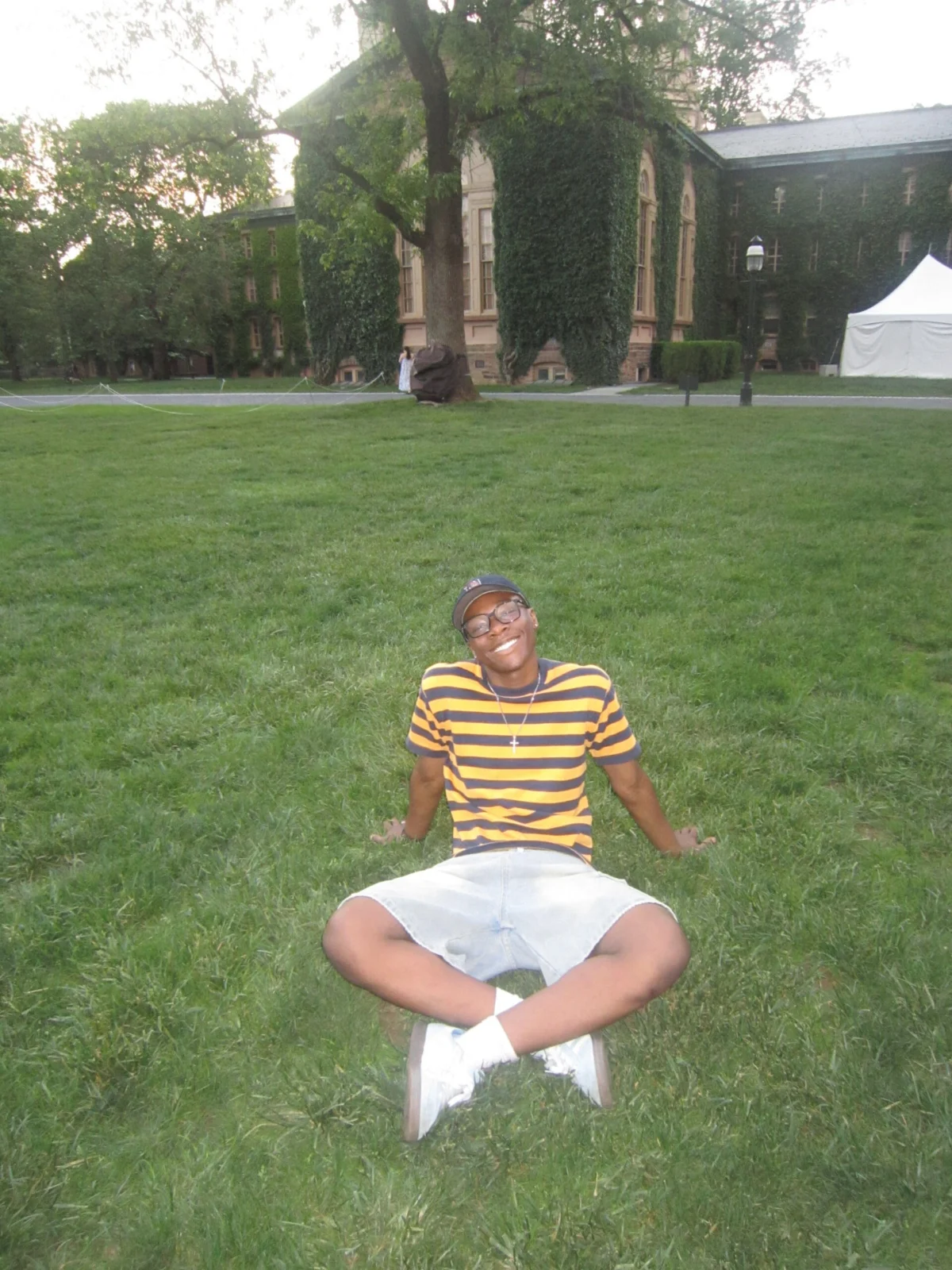
Every summer, Benetech—a nonprofit dedicated to leveraging technology for social good—welcomes a select cohort of students through the prestigious Princeton Internships in Civic Service (PICS) program. This year, the team was joined by Kweku Akese, a student whose personal journey with advocacy and disability awareness brought a unique, resonant voice to Benetech’s marketing and communications department.
Akese’s tenure at Benetech was more than a professional internship; it was a continuation of a lifelong mission to dismantle the "silence" that often surrounds invisible disabilities. As he reflects on his time with the organization, his story offers a profound look at how personal experience shapes professional impact and why the future of education depends on radical, inclusive accessibility.
Main Facts: A Convergence of Advocacy and Tech
The partnership between Benetech and the PICS program serves as a bridge between academic theory and real-world social impact. For Akese, this was the natural next step in a journey that began long before he arrived at Benetech’s virtual doorstep.
Akese’s core motivation for joining the team was rooted in his personal experience with sickle cell disease—a genetic condition that causes chronic pain and fatigue, often obscured by its "invisible" nature. Driven by the frustration of seeing a lack of public discourse and educational resources surrounding the condition, Akese authored the children’s book Amira’s Amazing Day. His goal was simple but ambitious: to demystify the disease for young readers and foster an early understanding of disability.
At Benetech, Akese applied this same philosophy to his work. He discovered that the organization’s mission—to reconfigure a learning system that was never originally built for students with disabilities—aligned perfectly with his own objective: ensuring that the educational landscape is not just accessible, but inclusive of the lived realities of those it serves.
Chronology: From Personal Advocacy to Institutional Impact
The Formative Years
Akese’s path to advocacy was forged through personal struggle. Throughout his elementary, middle, and high school years, he navigated a learning system that often failed to account for the unique needs of students with chronic health conditions. These early experiences served as the catalyst for his advocacy; he realized that if he did not speak up, the systemic silence would continue to alienate others.
The Authorial Shift
In high school, realizing that the stigma and lack of awareness regarding sickle cell disease were detrimental to his peers, Akese took the initiative to write Amira’s Amazing Day. This project was his first foray into "speaking into the silence," proving to him that storytelling is a powerful tool for social change.
The Benetech Summer
Upon joining Benetech this summer, Akese transitioned from independent advocacy to collaborative, organizational efforts. His role within the marketing and communications team allowed him to translate his passion for storytelling into the digital space. Over the course of the summer, his focus shifted from broad awareness to the technical nuances of accessibility, learning how to implement alt-text, color contrast, and design hierarchies to ensure that every piece of communication was as inclusive as the mission itself.
Supporting Data: The Digital Divide and Accessibility
The urgency of Akese’s work is underscored by the current state of educational technology. According to data from the National Center for Education Statistics, students with disabilities continue to face significant disparities in academic outcomes, often due to a lack of accessible instructional materials.
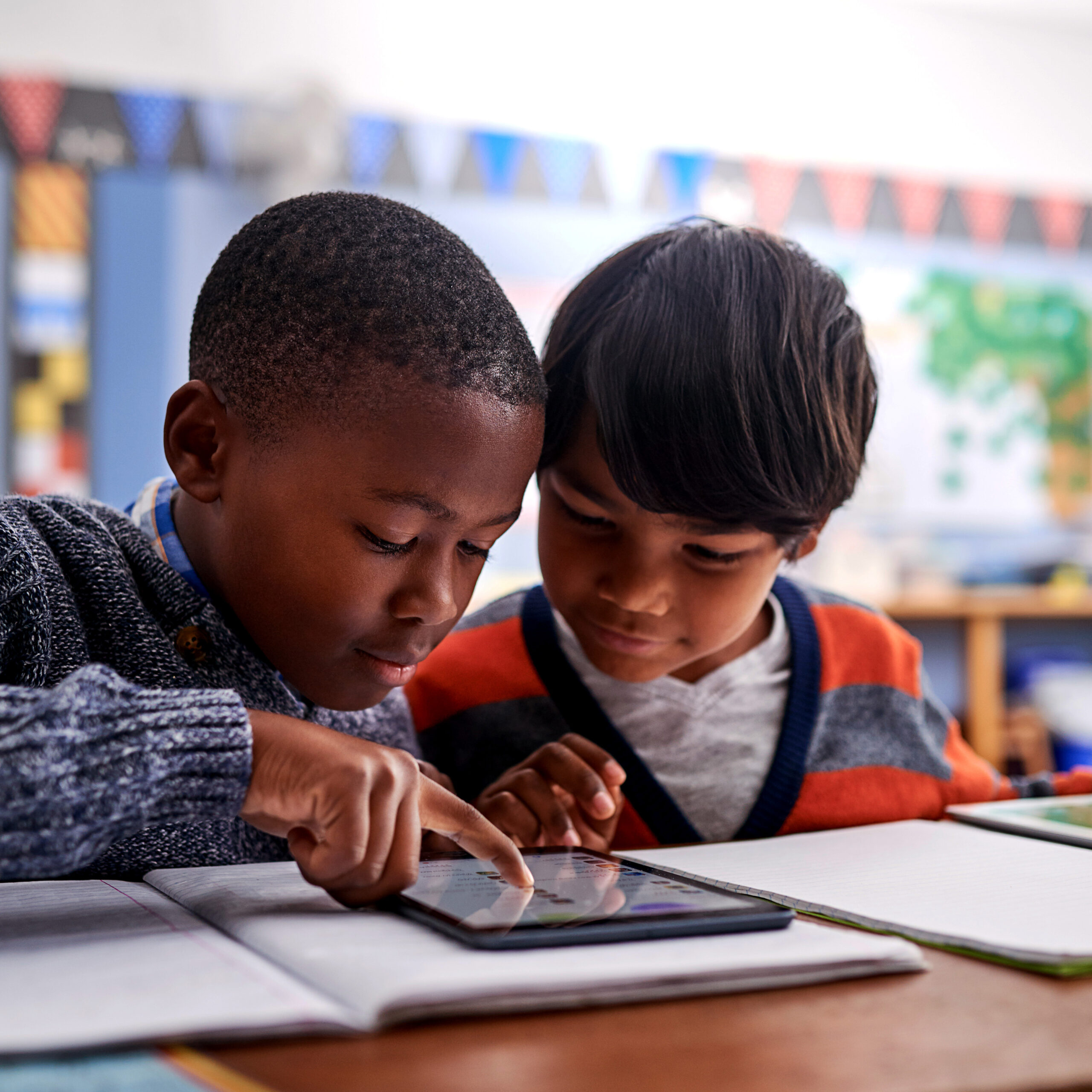
- The Accessibility Gap: Many educational platforms still lack basic features such as screen reader compatibility, adjustable font sizes, and captioning, which are essential for students with low vision or neurodivergent learning needs.
- The Role of Tools: Platforms like Benetech’s Bookshare serve as critical lifelines, providing millions of accessible ebooks to students with dyslexia, blindness, and other print disabilities.
- The Human Element: Research suggests that when technology is built in consultation with the community it serves, user retention and academic efficacy improve by nearly 40%. This is the "lived experience" model that Akese championed during his internship.
Official Responses and Cultural Insights
One of the most striking takeaways from Akese’s reflection is the internal culture at Benetech. Often, corporate or nonprofit environments can feel siloed, yet Akese noted a profound sense of "calm and receptiveness" during company-wide meetings.
"I didn’t think online meetings with the full group would be as down to earth as they were," Akese remarked. "I immediately felt like I could participate, make jokes, and be comfortable around a group of people I hadn’t even met in person."
This culture of openness is not accidental. For an organization like Benetech, the work is about meeting people where they are. Akese observed that the most "eye-opening" aspect of his internship was realizing that many Benetech employees are, themselves, members of the communities the organization serves. This internal diversity ensures that the products developed are not just theoretically sound but practically effective.
Implications: The Future of Inclusive Technology
Akese’s internship concludes with a clear call to action: the field of educational technology must adopt a greater sense of urgency. He argues that education is a fundamental right, and the systems built on that promise have a moral obligation to ensure that tools are available to all students—regardless of their physical or cognitive ability.
Redefining Design
Akese’s experience as a "COVID painter" provided him with a unique perspective on graphic design. However, his work at Benetech forced him to abandon purely aesthetic choices in favor of functional, inclusive design. He now views every digital asset through the lens of accessibility:
- Visual Equity: Are color shades high-contrast for users with low vision?
- Technological Inclusion: Is the alt-text comprehensive enough for screen readers?
- Universal Design: Is the layout readable for those with cognitive processing challenges?
A Cycle of Purpose
Perhaps the most powerful implication of Akese’s journey is his perspective on his own struggle. He views his past difficulties as the very tools he now uses to help others navigate the modern school system. "Every hard year I spent trying to make a system see me is a year I now spend trying to make that same system see someone else," he stated.
Conclusion: A Lasting Legacy
As Akese moves forward from his internship, he carries with him the realization that true advocacy is a continuous process of evolution. He has successfully transitioned from a student looking for answers to a young professional contributing to the solutions.
Benetech’s commitment to the PICS program and the mentorship of students like Kweku Akese reinforces a vital truth: the future of social impact lies in the hands of the next generation—a generation that has lived the challenges of current systems and possesses the ingenuity to reconfigure them. As Akese noted, "If I hadn’t struggled the way I did… I wouldn’t have the tools to help learners navigate similar positions now."
For the students who will follow in his footsteps, the lesson is clear: your voice, your struggle, and your specific experiences are not obstacles to your career—they are the foundation of your contribution to a more accessible world. The silence is being broken, one story, one graphic, and one line of code at a time.

 Suro Senen
 Reynand Wu






