

 Ali Ikhwan
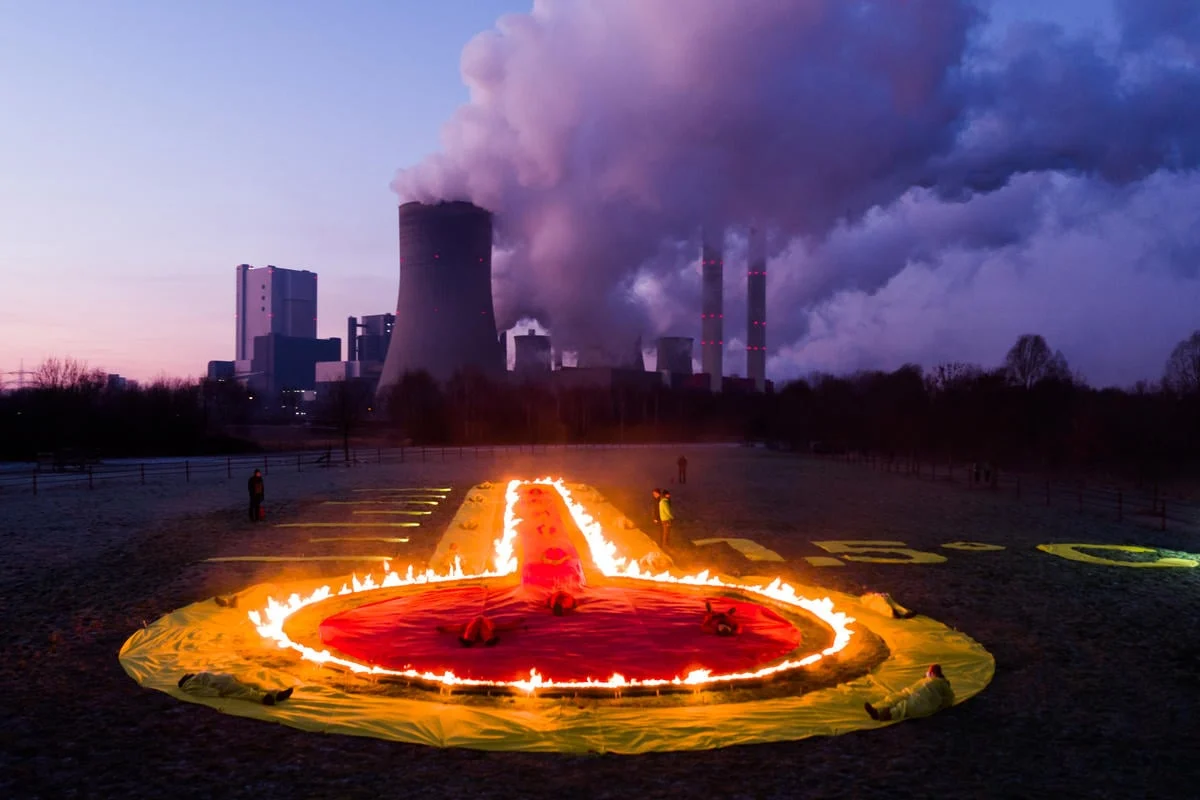
AMSTERDAM – A high-stakes diplomatic deadlock at the 65th Plenary Session of the Intergovernmental Panel on Climate Change (IPCC) has ignited fresh alarm among environmental advocates and climate scientists. With delegates failing to reach a consensus on the timeline for the Seventh Assessment Report (AR7), the window of opportunity to align the world’s most authoritative climate science with the 2028 Global Stocktake (GST2) is rapidly narrowing.
For climate policy experts, the failure in Addis Ababa represents more than just a bureaucratic hiccup; it is viewed as a dangerous erosion of the scientific foundation required to steer global climate policy at a moment when the planet is breaching critical temperature thresholds.
The Core Conflict: A Timeline in Peril
The IPCC, the United Nations body responsible for assessing the science related to climate change, is currently in the midst of defining its next major reporting cycle. The Seventh Assessment Report (AR7) is intended to provide the comprehensive data necessary for nations to measure their progress under the Paris Agreement.
However, the 65th Plenary Session, held last week in Ethiopia, concluded without a decision on the delivery schedule for the three crucial Working Group contributions—which cover the physical science basis, impacts and adaptation, and mitigation. This meeting marks the sixth time since the beginning of 2024 that member states have found themselves in a stalemate.
The suspension of the plenary session has left the global climate community in a state of suspended animation. While IPCC Chair Jim Skea has indicated that deliberations will resume at the "earliest opportunity," the lack of a finalized roadmap for AR7 suggests that the reports may not be ready in time to inform the second Global Stocktake (GST2) in 2028.
A Chronology of the Deadlock
The current impasse is the culmination of nearly a year of complex negotiations. To understand the gravity of the situation, one must look at the recent sequence of events:
- Early 2024: Initial discussions regarding the scope and timeline of the AR7 cycle commence. Member states begin to diverge on how to balance the need for rapid, policy-relevant science with the logistical realities of such a massive undertaking.
- Mid-2024: Following several informal sessions, disagreements over regional representation and the burden of the assessment process begin to surface, creating friction between the Global North and the Global South.
- September 2024: Tensions rise as the deadline for a formal decision on the reporting schedule approaches. Several attempts to find a compromise on the timeline for the three working groups fail to gain majority support.
- October 2026 (65th Plenary Session): The Addis Ababa meeting is billed as the definitive venue for resolution. After days of intense debate, the plenary is suspended without a consensus, leaving the AR7 schedule officially "pending."
This series of failures has prompted Greenpeace International and other observers to issue urgent warnings. The inability to finalize a timeline is not merely a procedural issue; it is a signal that the political will required to support and act upon climate science is currently fracturing under the weight of competing national interests.
The Role of the IPCC in Global Governance
The IPCC’s assessments are widely considered the "gold standard" of climate information. Their authority stems from a rigorous, multi-stage process involving thousands of independent scientists, exhaustive peer reviews of existing literature, and the final endorsement of the panel’s member states.
Why Timing Matters
The Global Stocktake (GST) is the primary mechanism under the Paris Agreement to "take stock" of collective progress toward achieving the purpose of the agreement and its long-term goals. The first GST concluded in 2023, setting the stage for more ambitious national climate plans. The second GST, scheduled for 2028, is intended to be a watershed moment for mid-term progress.
If the AR7 reports—specifically the volumes concerning mitigation pathways and adaptation strategies—are not published and digested by governments well before the 2028 deadline, the stocktake will effectively be conducted in a scientific vacuum. Without the latest data on emission trajectories and the efficacy of current climate policies, the ability of nations to correct their course will be significantly diminished.
Perspectives from the Frontline: Greenpeace’s Stance
Greenpeace International has been vocal in its criticism of the current stalemate. Jasper Inventor, Deputy Programme Director at the organization, did not mince words regarding the implications of the delay.
"This is another deeply frustrating setback in efforts to have the best and latest climate science available for governments at the next global stocktake," Inventor stated. "With rising emissions and escalating climate impacts, governments should be clearing the path for stronger action, not putting roadblocks in the way. It’s critical that they have the AR7 reports at their disposal to measure collective progress and accelerate action."
The Equity and Representation Debate
A recurring theme in the negotiations is the need for greater equity and better representation for the Global South within the IPCC process. Tracy Carty, Climate Politics Expert at Greenpeace, acknowledged these legitimate concerns but cautioned against using them as a reason to delay the broader scientific mandate.
"While concerns about equity and Global South representation must be addressed in this assessment cycle and beyond, missing the Paris Agreement’s global stocktake would compromise the very tool meant to keep the world on track and increase ambition," Carty explained. "Delaying the science that communities who are already bearing the brunt of the climate crisis need will not address legitimate concerns around equity and representation."
Carty emphasized that the existing science already paints a stark picture: "The existing science leaves no room for doubt that current action falls dangerously short, especially on phasing out fossil fuels, the primary driver of climate breakdown. A delayed IPCC assessment must not cost us critical time needed for urgent scaled-up global action."
Implications: A World at 1.5°C
The urgency of this situation is underscored by the current state of the global climate. The world is already grappling with the consequences of a 1.5°C overshoot in global temperatures. Every month that passes without a clear, updated roadmap from the IPCC is a month where the window to limit the most catastrophic impacts of climate change closes slightly further.
The Risk of Policy Inertia
When international bodies like the IPCC stumble, the ripple effects are felt across national legislatures. Climate policy is inherently difficult to pass; it requires a strong scientific mandate to overcome domestic political opposition. By failing to provide the next set of assessment reports on time, the IPCC risks stripping policymakers of the ammunition they need to convince their respective governments to phase out coal, oil, and gas.
Furthermore, a delay in the AR7 cycle may lead to a loss of momentum. The climate movement relies on the "rhythm" of these reports to mobilize public opinion and pressure leaders. If the scientific timeline drifts, the political momentum generated by the last stocktake could dissipate, making the 2028 negotiations significantly more difficult.
Looking Ahead: Can the IPCC Reclaim the Path?
The suspension of the 65th Plenary is not the end of the road, but it is a major warning light. To recover, the IPCC must move quickly to address the underlying disagreements that have paralyzed its decision-making.
Observers suggest that the path forward requires a two-pronged approach:
- Administrative Reform: Streamlining the plenary process to ensure that minority objections do not result in total gridlock, while still maintaining the panel’s commitment to consensus.
- Political Commitment: National governments must prioritize the IPCC’s mandate over short-term political disputes. The scientific community is ready to do the work; it is now up to the member states to provide the funding and the clear directives necessary to finish the AR7 cycle on time.
As the world looks toward 2028, the stakes could not be higher. The IPCC has served as the bedrock of global climate cooperation for decades. Whether it can maintain that role in the face of this unprecedented administrative impasse remains to be seen. What is certain, however, is that the climate will not wait for the bureaucracy to resolve its differences. The science is clear—the politics, unfortunately, remain in flux.


 Nila Kartika Wati

 Dwi Wanna




