



 Lina Hope
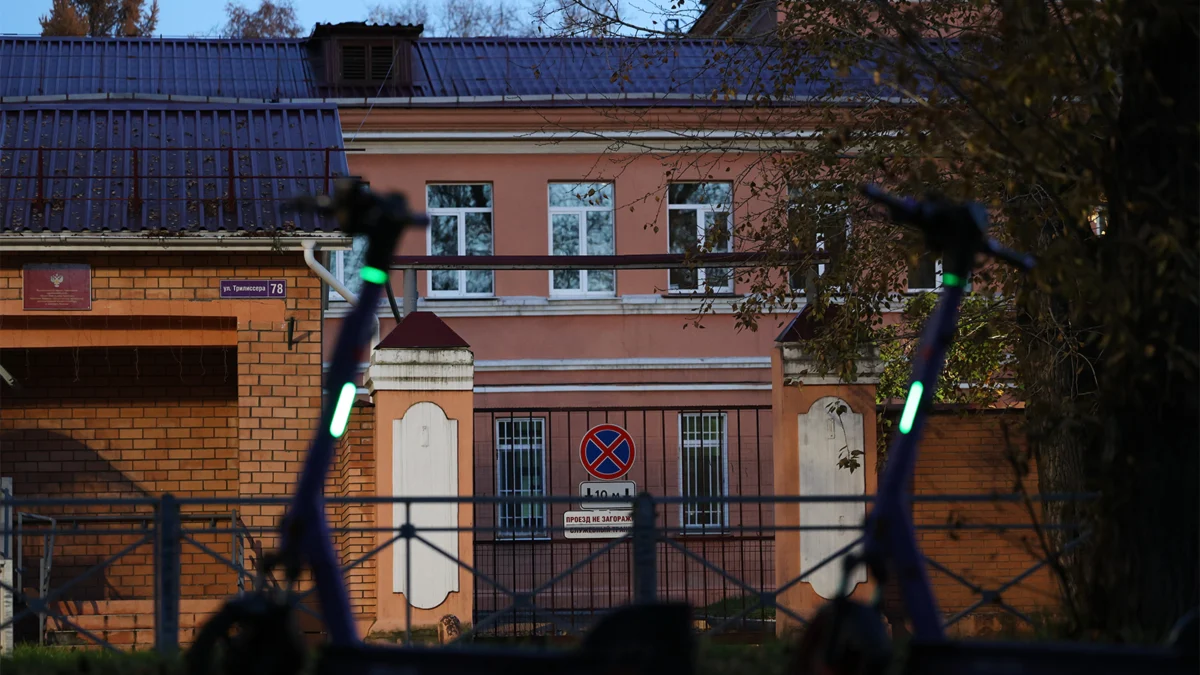
GENEVA/MOSCOW — The international medical community remains on high alert as the World Health Organization (WHO) continues its investigation into the sudden and mysterious death of a laboratory worker in Russia earlier this month. The incident, which occurred at a facility specialized in the study of high-consequence pathogens—including Yersinia pestis, the bacterium responsible for the plague—has sparked global concern, rumors of secondary infections, and a diplomatic push for transparency.
Despite extensive diagnostic efforts by Russian health authorities, the cause of death remains officially classified as undetermined. As the WHO intensifies its inquiry, the case highlights the inherent risks associated with high-containment laboratories and the fragile nature of global pathogen surveillance in an era of heightened geopolitical tension.
The Incident: A Life Cut Short
On early October 2026, news emerged regarding the death of a young researcher employed at a specialized microbiology facility in Russia. The laboratory is known for its research into zoonotic diseases, specifically focusing on the mechanisms of the plague.
Initial reports, which circulated rapidly through international media channels, suggested that the individual may have succumbed to pneumonic plague—a virulent form of the disease that infects the lungs and can be transmitted from person to person through respiratory droplets. Unlike the bubonic plague, which is typically transmitted via flea bites, the pneumonic variant is significantly more dangerous due to its rapid progression and potential for human-to-human transmission.
Medical experts note that while pneumonic plague carries a high mortality rate if left untreated, it is effectively manageable with early administration of antibiotics. The fact that a trained laboratory professional, presumably working in an environment designed to mitigate such risks, fell ill has raised critical questions regarding biosafety protocols and the potential for accidental exposure.
Chronology of the Investigation
The timeline of the event has been marked by a slow release of information, leading to speculation that has occasionally outpaced official findings.
- Early October 2026: Reports surface regarding the death of a worker at a Russian research facility. Rumors of a plague outbreak begin to circulate in tabloid media.
- Mid-October 2026: The WHO issues its first formal "Disease Outbreak News" statement. The agency acknowledges the death but notes that initial testing conducted by Russian authorities has been inconclusive.
- October 12, 2026: The WHO releases an updated assessment, emphasizing that while they have investigated the claims, there is currently no evidence of a wider outbreak or a "second case" of infection, despite conflicting reports from international media.
- Ongoing: Russian health authorities, in cooperation with international observers, continue to process clinical samples and perform epidemiological tracing.
Laboratory Safety and Pathogenic Risks
The facility in question sits at the center of a broader conversation regarding global biosecurity. Laboratories dealing with Category A pathogens—those that pose the highest risk to national security and public health—operate under strict "BSL-4" or "BSL-3" (Biosafety Level) conditions. These environments are designed with multi-layered containment systems, including negative air pressure, HEPA filtration, and rigorous decontamination protocols.
The death of a researcher within such a facility suggests one of three possibilities: a catastrophic failure in personal protective equipment (PPE), a breach in laboratory engineering controls, or an alternative, non-plague-related cause of death that has yet to be identified.
"When a death occurs in a high-containment setting, the immediate priority is to rule out a breach of containment," says Dr. Elena Vance, an independent infectious disease consultant. "The challenge here is that Russia has reported conducting over 5,500 tests, all of which have come back negative for dangerous pathogens. This creates a clinical paradox: if the worker died of a known dangerous pathogen, we should have seen a positive result by now."
Official Responses and the "Second Case" Controversy
The investigation has been complicated by a discord between official state reporting and international media accounts.
The Russian Stance
Russian health officials have been adamant in their transparency efforts, reporting that they have screened thousands of samples from contacts and the environment surrounding the laboratory. Their findings, according to official statements, indicate no presence of Yersinia pestis or other high-risk microorganisms. Moscow has categorically denied the existence of any secondary infections, characterizing rumors of a wider outbreak as "misinformation" or "tabloid sensationalism."
The WHO’s Position
The WHO has adopted a position of cautious persistence. In its latest dispatch, the agency stated: "Additional clinical, epidemiological, and laboratory information, including confirmation of the diagnosis in the deceased laboratory worker, is required to improve confidence in the assessment."
The agency has also sought to distance itself from reports of a "purported second case." This claim, which originated from tabloid outlets in Britain and Serbia, suggested that another worker had fallen ill. The WHO has explicitly attributed these claims to non-verified sources, emphasizing that their own data collection does not support the existence of a second infected individual.
Scientific Implications: Why the Plague Matters
The plague, while synonymous with the "Black Death" of the 14th century, remains a relevant public health concern. Yersinia pestis is endemic in several parts of the world, including parts of the Americas, Africa, and Central Asia.
Understanding Pneumonic Plague
Pneumonic plague is the most severe form of the disease. If the pathogen enters the bloodstream and settles in the lungs, it can cause severe pneumonia. The symptoms include fever, headache, weakness, and rapidly developing pneumonia with shortness of breath, chest pain, and cough. If not treated within 24 hours of the first symptoms, the disease is often fatal.
The scientific community’s concern regarding a lab-associated death is rooted in the fear of "lab-acquired infections" (LAIs). Historically, LAIs have been the source of outbreaks, leading to stricter regulations on the handling of live cultures.
The Path Forward: Transparency and Global Health Security
The mystery surrounding the Russian researcher’s death highlights a fundamental requirement of global health security: the rapid and transparent exchange of data. The WHO’s role as a mediator is critical, especially when the nation where an incident occurs may be hesitant to share sensitive operational details about their research facilities.
Strengthening Biosecurity Protocols
Experts are calling for an international review of biosafety standards for laboratories that handle ancient and re-emerging pathogens. This includes:
- Independent Audit: Allowing international teams to verify the integrity of containment systems after a suspected exposure.
- Standardized Testing: Ensuring that diagnostic protocols for rare diseases are universally calibrated to avoid false negatives.
- Communication Protocols: Establishing a direct, apolitical line of communication between national research institutes and the WHO to prevent the spread of speculative, non-factual information.
Conclusion
As of October 2026, the case remains an open investigation. For the family of the deceased, there is a need for closure; for the scientific community, there is a need for answers. Whether this incident turns out to be a tragic, isolated accident or a sign of a larger, unrecognized risk, the incident serves as a stark reminder that even in the age of advanced biotechnology, humanity remains vulnerable to the pathogens it studies.
The WHO’s insistence on "continued investigation" is not merely a bureaucratic formality—it is a necessary step to ensure that the scientific study of disease does not, in itself, become a source of danger. Until definitive laboratory evidence is produced, the world waits, watching the Russian laboratory with a mix of scientific curiosity and deep, lingering concern.


 Neng Nana
 Ammar Sabilarrohman






