




 Lina Hope
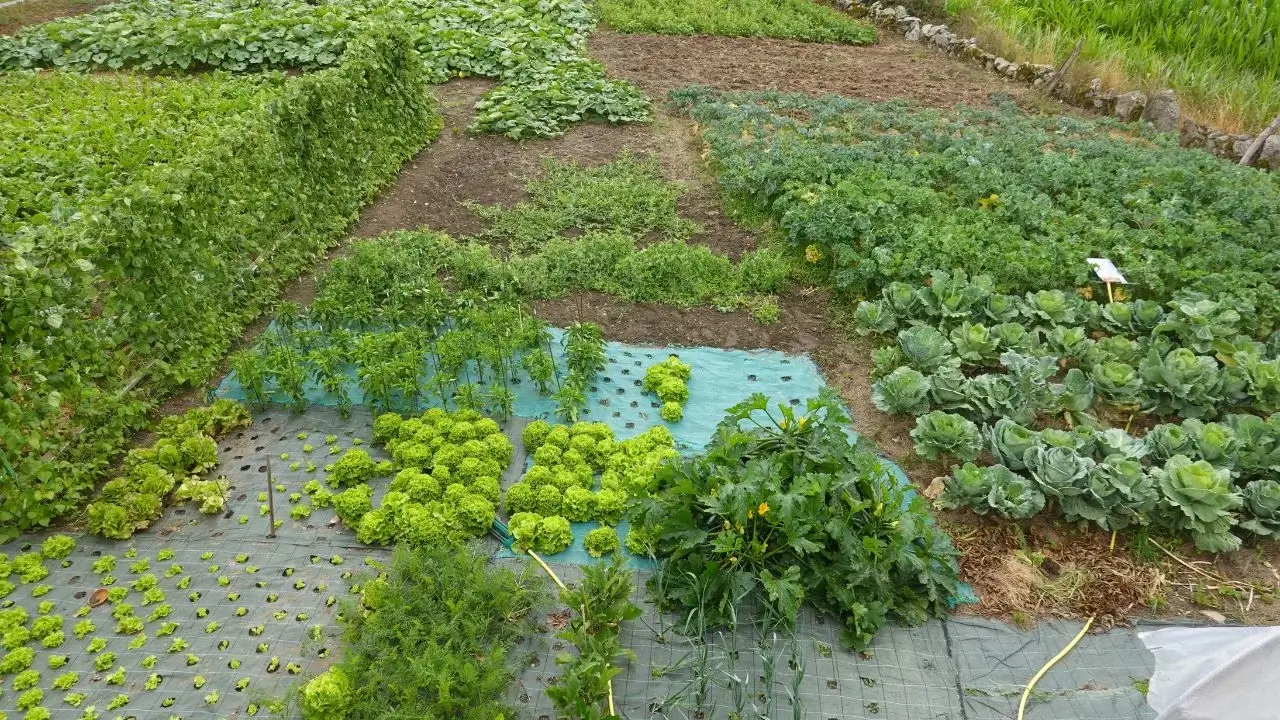
For generations, the term "permaculture" conjured images of vast, sprawling rural homesteads—remote plots of land where practitioners could escape the constraints of modern infrastructure. However, a quiet revolution is taking root in the heart of our cities and suburbs. Brandy Hall, a pioneering permaculturalist and the visionary founder of the landscaping firm Shades of Green, is redefining the movement. She posits that permaculture is not merely a rural luxury, but an essential framework for any landscape, regardless of its size or location.
Through her work and her new book, The Complete Guide to Home Permaculture, Hall is proving that by observing natural patterns and working with the land rather than against it, homeowners and small-scale farmers can create thriving, regenerative ecosystems that provide food, sequester carbon, and restore local biodiversity.
The Core Philosophy: Moving Beyond Extraction
At its most fundamental level, permaculture is a design philosophy centered on relationships. It asks us to look at the intersection of water, soil, plant life, and human habitation to create closed-loop systems.
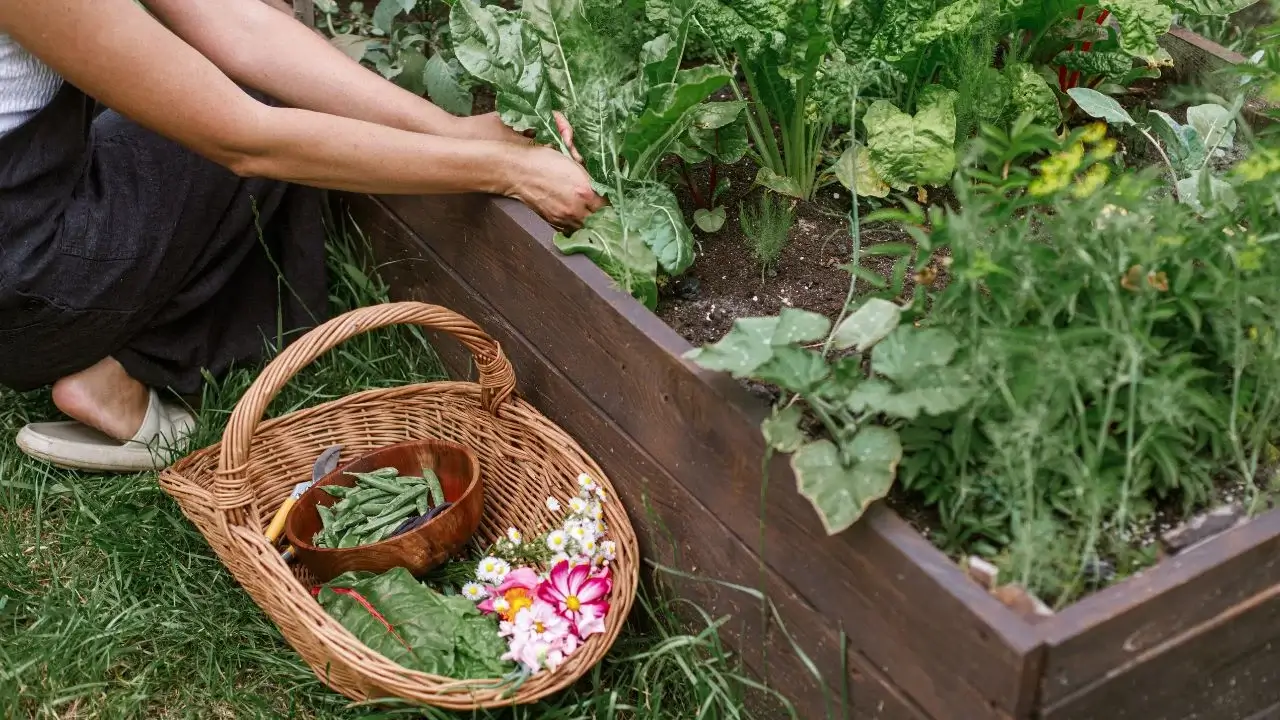
"At its core, permaculture is about relationships," Hall explains. "It is about understanding how water, soil, plants, animals, and people interact, and then designing systems that support those relationships rather than work against them."
Unlike conventional landscaping—which often focuses on aesthetic maintenance, chemical inputs, and resource extraction—permaculture is inherently regenerative. It seeks to leave the land better than it was found. For the modern grower, this means shifting from a "command and control" mindset to one of observation. Before digging a single hole or planting a seed, a permaculture practitioner watches the landscape: Where does water naturally pool during a storm? Where does the sun hit the ground at different times of the year? How do wind patterns affect plant health?
The Journey to Regenerative Living: A Personal Catalyst
Hall’s commitment to these practices was not purely academic; it was deeply personal. Her journey into regenerative agriculture was forged through a sobering realization about the dangers of industrial agricultural practices. Early in her career, she and her family suffered the direct, detrimental health effects of herbicide exposure.
This traumatic experience served as a powerful catalyst, highlighting the fragility of human health when it is tethered to a food and land-management system that relies on synthetic toxicity. Her transition to permaculture was, in many ways, an act of defiance against a system that prioritizes short-term yields over the long-term health of the planet and its people. This origin story serves as the bedrock of her mission: to provide others with the tools to cultivate landscapes that nurture, rather than poison, those who inhabit them.
Practical Implementation: How Farms and Gardens Adapt
For those accustomed to traditional farming or standard backyard gardening, the transition to permaculture can feel daunting. However, Hall emphasizes that a complete overhaul is rarely the necessary first step. Instead, she advocates for incremental shifts.
Slow, Spread, and Sink
The primary focus for any property—whether a ten-acre farm or a tenth-of-an-acre urban lot—is water management. Many homeowners treat water as a nuisance to be directed away via gutters and drains. In a permaculture system, water is a precious resource. The strategy is simple: slow it down, spread it out, and sink it into the soil. By utilizing swales, rain gardens, and strategically placed mulch, growers can recharge the groundwater and reduce dependence on municipal water systems.

Protecting the Soil
"Bare soil is incredibly vulnerable," Hall notes. One of the most common mistakes she encounters is the failure to keep the earth covered. Whether through heavy mulching, the use of cover crops, or the implementation of living ground covers, protecting the soil is foundational to building a healthy, biologically active ecosystem. When the soil is covered, it creates a "sponge" layer that holds moisture and fosters the microscopic life necessary for nutrient-rich harvests.
The Power of Diversity
Monocultures are the hallmark of industrial agriculture, and they are inherently fragile, requiring heavy chemical inputs to stave off disease and pests. A regenerative farm, by contrast, thrives on diversity. By planting in "guilds"—communities of plants that support one another through nitrogen fixation, pest deterrence, and shade—growers can mimic the complexity of a natural forest. This reduces the need for external fertilizers and pesticides, allowing the system to do more of the heavy lifting itself.
Navigating External Pressures and Chemical Drift
One of the most pressing concerns for small-scale growers is the influence of neighboring industrial farms. The risk of chemical drift from conventional agriculture is a persistent threat to organic and regenerative efforts.
Hall advises that the best defense is a well-designed ecological buffer. "Buffering is a big one," she says. "Hedgerows, windbreaks, and densely planted edges can help reduce chemical drift, provide habitat for beneficial insects, and create a physical and ecological boundary."
Beyond physical barriers, Hall suggests that building soil health is the ultimate long-term strategy. Soil that is teeming with life and high in organic matter acts as a buffer itself, possessing a greater capacity to sequester toxins and remain resilient in the face of environmental stressors.
Teaching the Next Generation
As the climate continues to shift, both ecologically and socially, the importance of passing these skills to the next generation cannot be overstated. Hall views regenerative landscaping not just as a set of techniques, but as a cultural imperative.
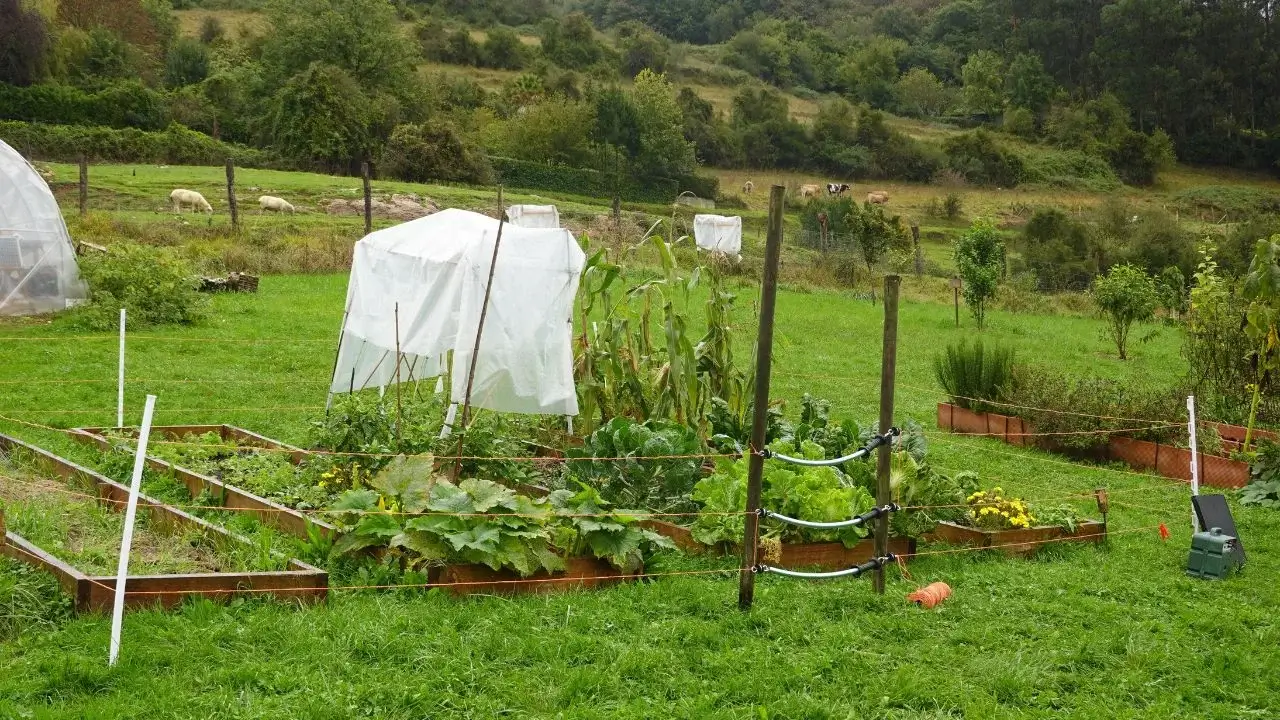
"I think the most important thing we can teach is how to observe and respond, rather than control," Hall explains. She advocates for an educational approach that prioritizes long-term stewardship over short-term gains. By teaching children to read the land—to notice the subtle changes in soil texture, plant health, and water movement—we empower them to become active participants in the health of their local ecosystems.
Regenerative work is inherently collaborative. It requires a level of humility—an acknowledgment that we are not the masters of the landscape, but part of a living, breathing system. If the next generation can be equipped with the practical tools of permaculture alongside this mindset of stewardship, there is a path toward a more resilient and sustainable food system.
Implications for a Changing World
The movement toward home permaculture, as championed by figures like Brandy Hall, carries significant implications for our future. As urbanization continues to expand and the effects of climate change become more pronounced, the traditional model of industrial food production will face increasing strain.
- Food Security: By converting urban and suburban landscapes into productive, polycultural food systems, we reduce the distance between the source of our food and our tables, increasing local food security.
- Climate Mitigation: Healthy, living soil is one of the most effective tools for carbon sequestration. If permaculture principles were adopted on a wider scale, the cumulative impact on atmospheric carbon levels could be profound.
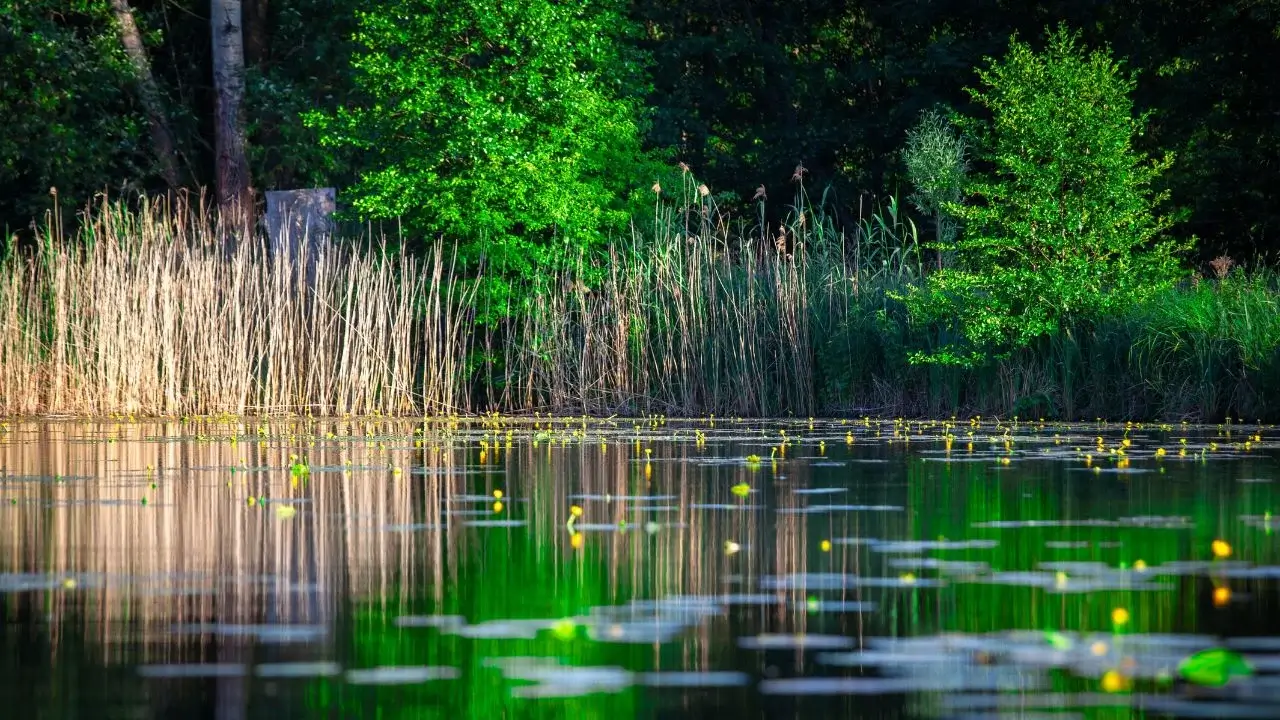
- Biodiversity: By creating habitat-rich environments in our own backyards, we can help counteract the "insect apocalypse" and provide sanctuary for pollinators and other vital species that are currently threatened by habitat loss.
Conclusion
Brandy Hall’s work with Shades of Green and her commitment to sharing knowledge through her writing represent a shift toward a more hopeful, proactive relationship with the earth. Permaculture is not a rigid doctrine; it is a flexible, observational, and deeply human way of interacting with the land.
Whether one is managing a large acreage or a small urban plot, the principles remain the same: look at the patterns, work with the biology, and prioritize the long-term vitality of the system. As we look toward the future, the ability to build resilience, restore our soil, and teach the next generation the art of observation may be our most important agricultural work yet.
By taking these small, deliberate steps today, we aren’t just gardening—we are participating in the vital, restorative process of healing the land.


 Evan Lee Salim

 Asep Darmawan






