




 Dwi Wanna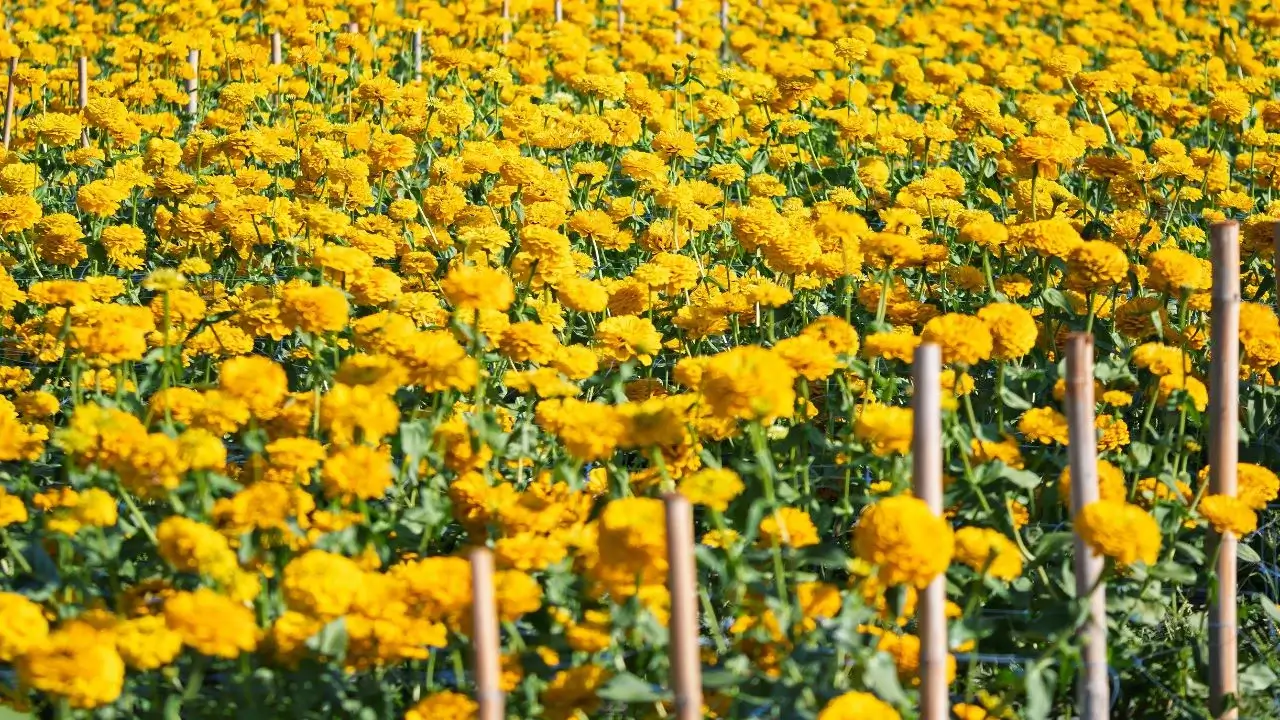
As the spring equinox fades into memory and the temperatures begin their steady climb across North America, the agricultural landscape undergoes a profound transformation. For the modern farmer, May serves as a pivotal threshold—a month that demands both strategic planning and decisive action. Whether you are managing a sprawling commercial operation or a specialized market garden, the decisions made in the soil this month will dictate the rhythm of your harvest through the late summer and early autumn.
While the local microclimate remains the primary arbiter of your planting schedule, advancements in agricultural extension techniques have provided growers with a robust buffer against unpredictable weather. By utilizing season-extension tools like row covers, cold frames, and high tunnels, farmers can push the boundaries of their growing zones, making it possible to cultivate a diverse array of crops regardless of traditional frost dates. The key, however, remains an acute awareness of day length and soil temperature.
The Strategic Logic of May Planting
For growers in regions with shorter, more volatile growing seasons, May is the final call to initiate the cycle for autumnal harvests. Conversely, for those in the sun-drenched latitudes of the South, this is the prime window to establish heat-loving crops that will define the peak of the market season.
Deciding what to plant should be a bifurcated process. First, assess the farm’s economic needs. If your goal is to maximize revenue at the farmers’ market, focus on "tried-and-true" cultivars that have a historical record of success in your specific regional soil. However, there is immense value in intentional experimentation. Dedicating a small portion of your acreage to an atypical crop—a variety not commonly grown in your area—can serve as a powerful asset. Beyond potential profit, the knowledge gained from troubleshooting a new crop’s growth habits is a long-term investment in your farm’s resilience.
Chronology: The Planting Calendar
May is a month of duality; it is the time for both direct sowing and careful transplanting. Understanding which crops thrive under which method is essential for minimizing losses and ensuring optimal yields.
1. Melons: The Vining Bounty
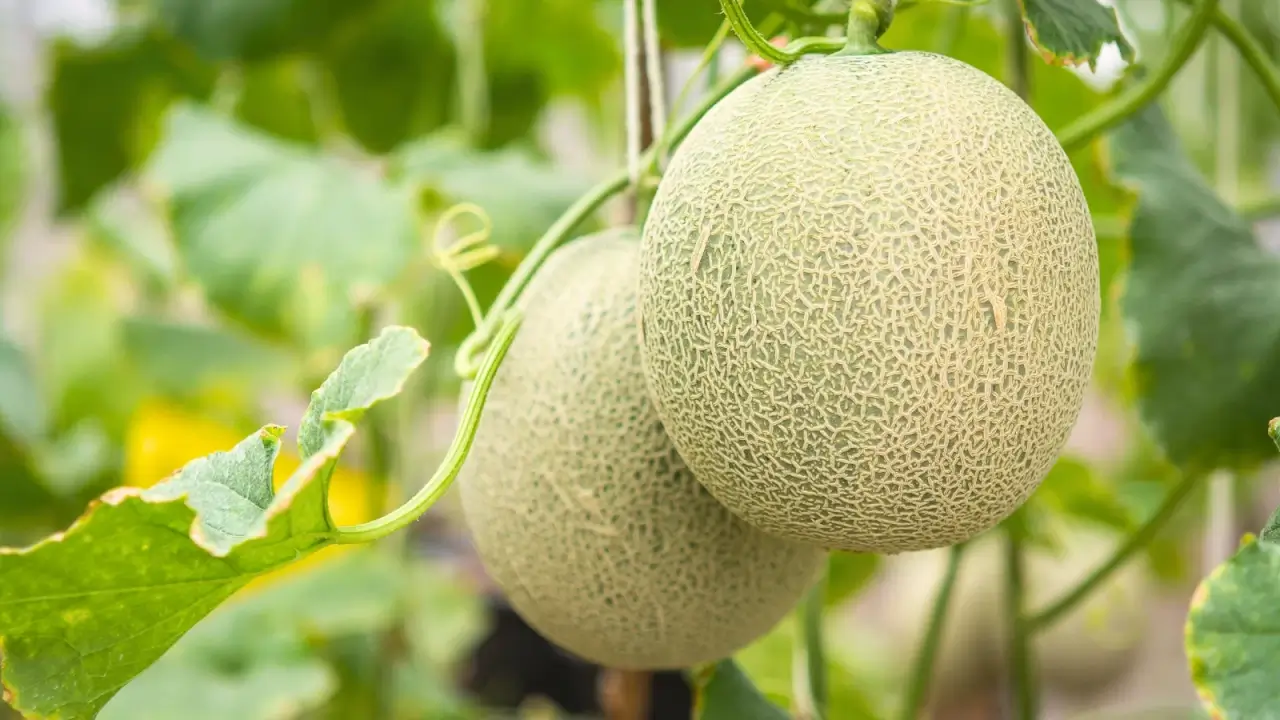
Cantaloupes, watermelons, and honeydews are the quintessential crops of a sweltering summer. As the soil warms, these cucurbits require space to sprawl. For high-density farming, utilizing trellises can optimize airflow and fruit health.
- Nutritional Support: These plants are heavy feeders. Implement a weekly regimen of diluted organic fertilizer to support the rapid vine development.
- Regional Nuance: Watermelons are particularly resilient in coastal, sandy soils, where they handle wind and salinity with surprising vigor. Musk melons, however, prefer the nutrient density of rich, loamy earth.
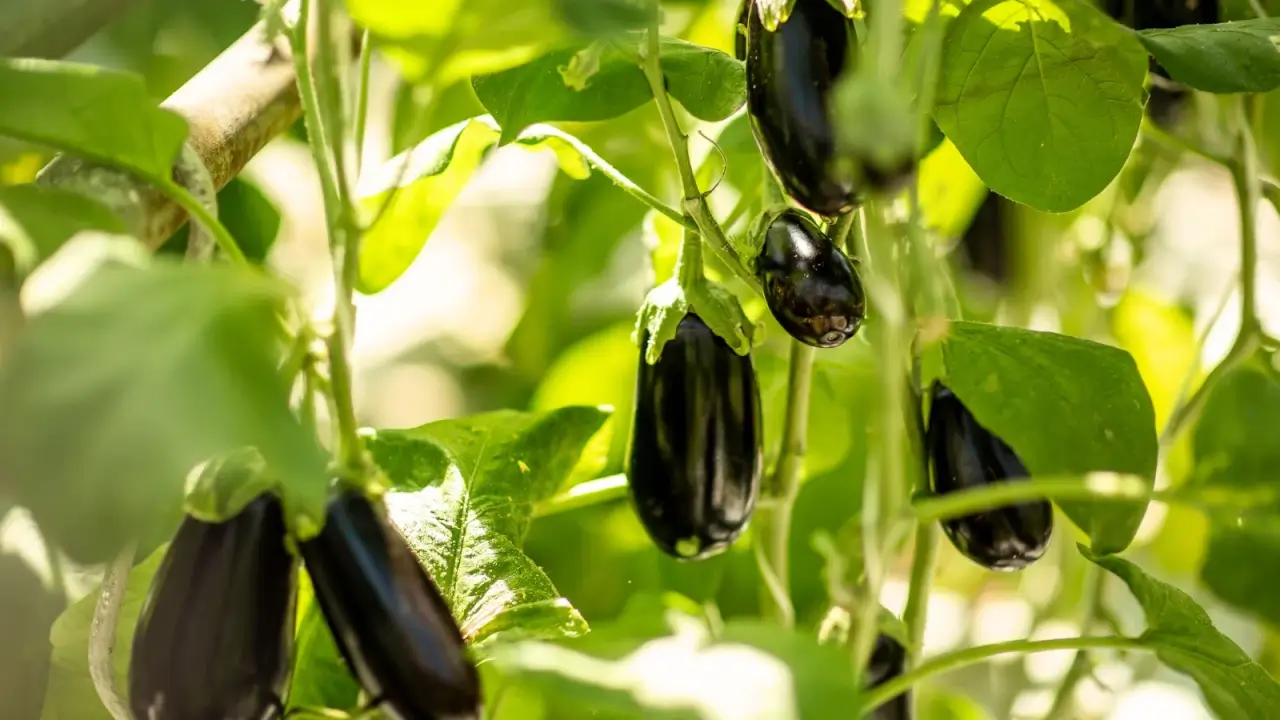
2. Eggplant: The Case for Transplants
Unlike many crops on this list, eggplants almost exclusively require transplanting to ensure they reach maturity before the first frost. These solanaceous powerhouses demand at least ten weeks of growth.
- Variety Selection: If your region lacks the consistent 75–85°F (24–29°C) heat required for optimal eggplant production, consider varieties like ‘Orient Express’ or ‘Elondo,’ which are bred for cooler, more temperate environments.
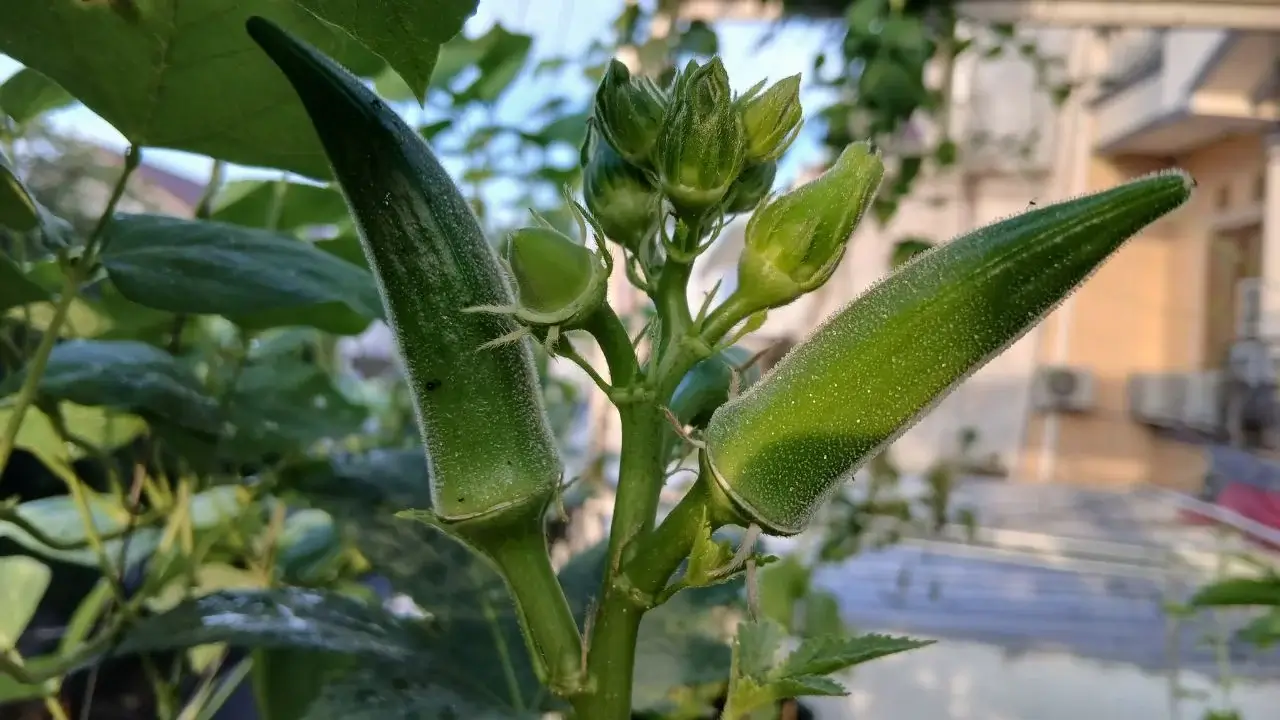
3. Okra: The Heat-Seeker
Okra is synonymous with summer durability. For farmers in long-season regions, okra is a low-maintenance, high-yield workhorse.
- Harvesting Efficiency: The primary challenge with okra is the labor intensity of the harvest. By selecting "spineless" varieties such as the industry-standard ‘Clemson Spineless 80,’ you can significantly reduce the physical toll on your crew and increase the speed of your picking operations.
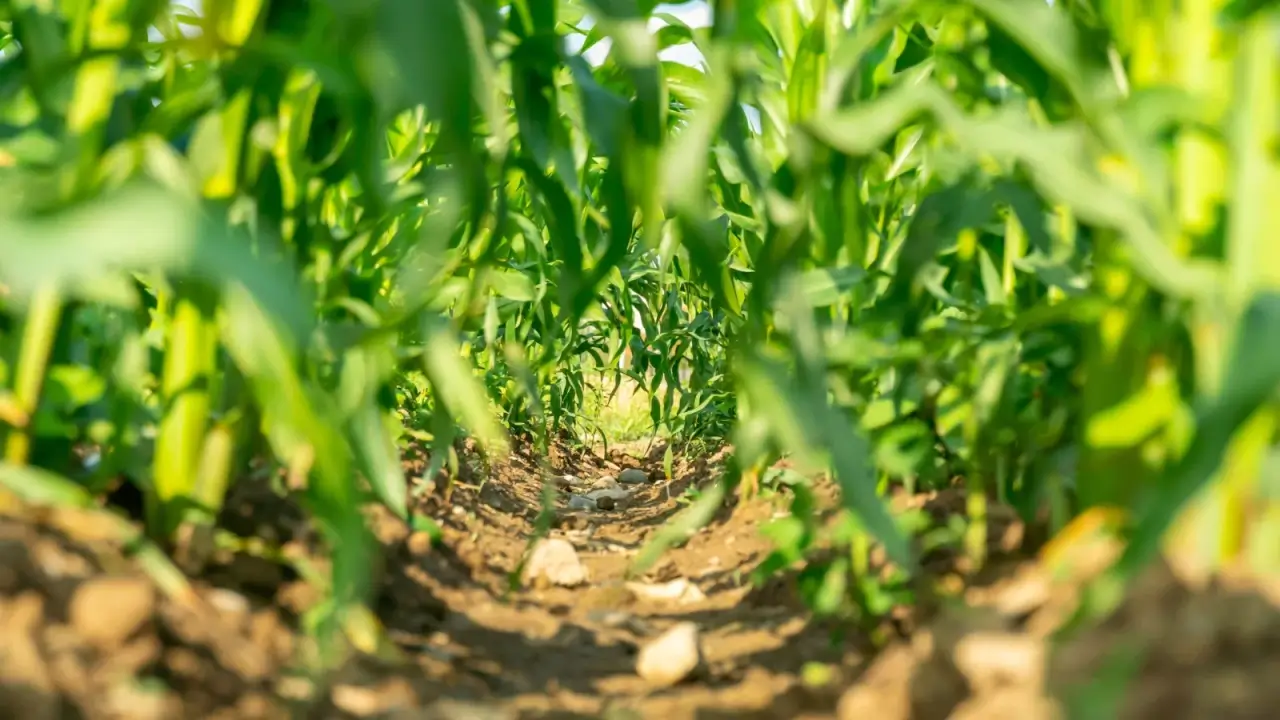
4. Corn: A Staple of Patience
Whether you are planting sweet corn for the fresh market, dent corn for masa, or popcorn for added-value products, corn requires at least two and a half months of frost-free conditions.
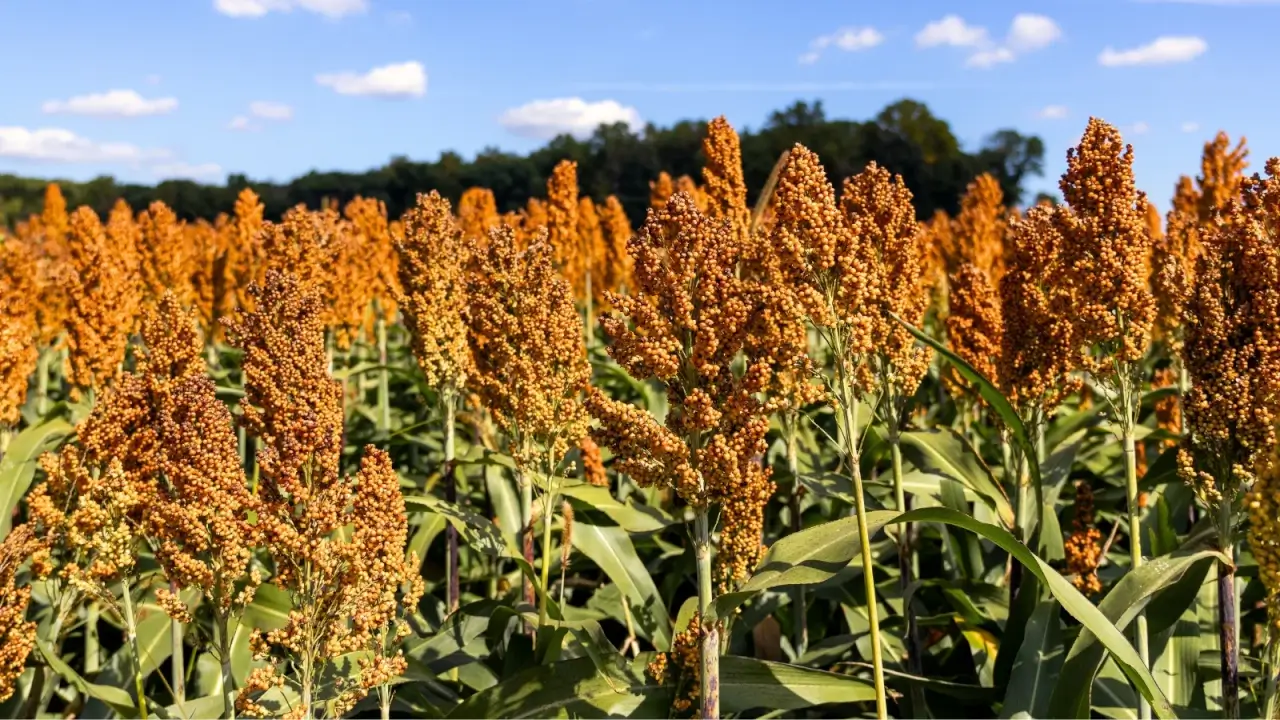
- Genetic Diversity: Modern farmers are increasingly turning back to heirloom, open-pollinated varieties. These "orphan crops" not only preserve agricultural history but often offer superior flavor profiles that differentiate a farm’s output in a crowded marketplace.
5. Legumes: The Soil-Fixing Specialists
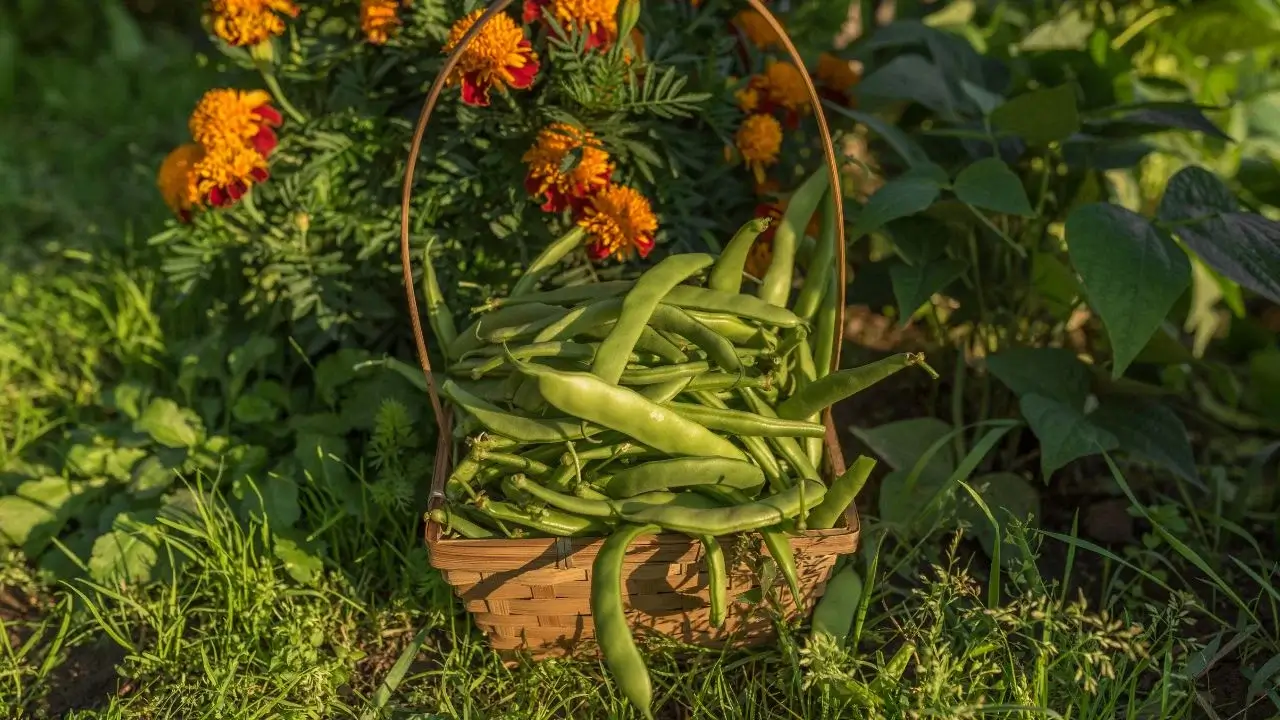
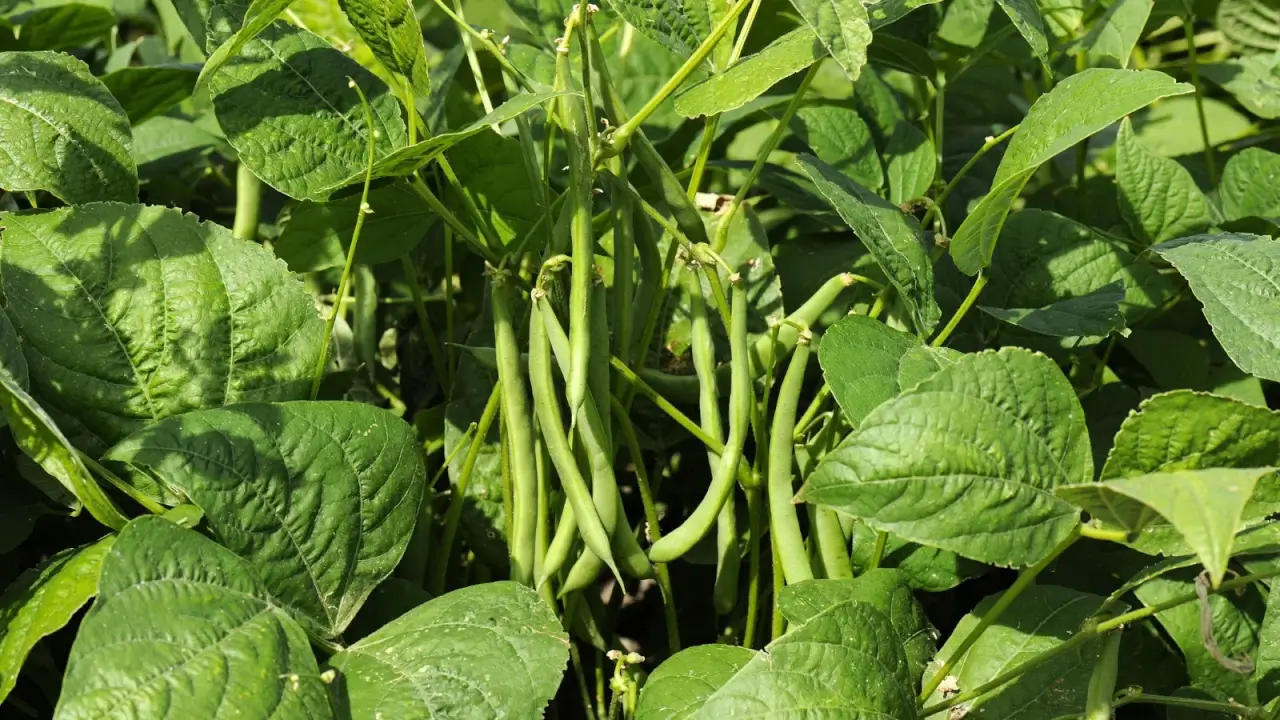
Beans are incredibly versatile. In cooler, shorter-season areas, fava beans are the superior choice for May planting. In regions where the heat is relentless, switch to cowpeas or butter beans.
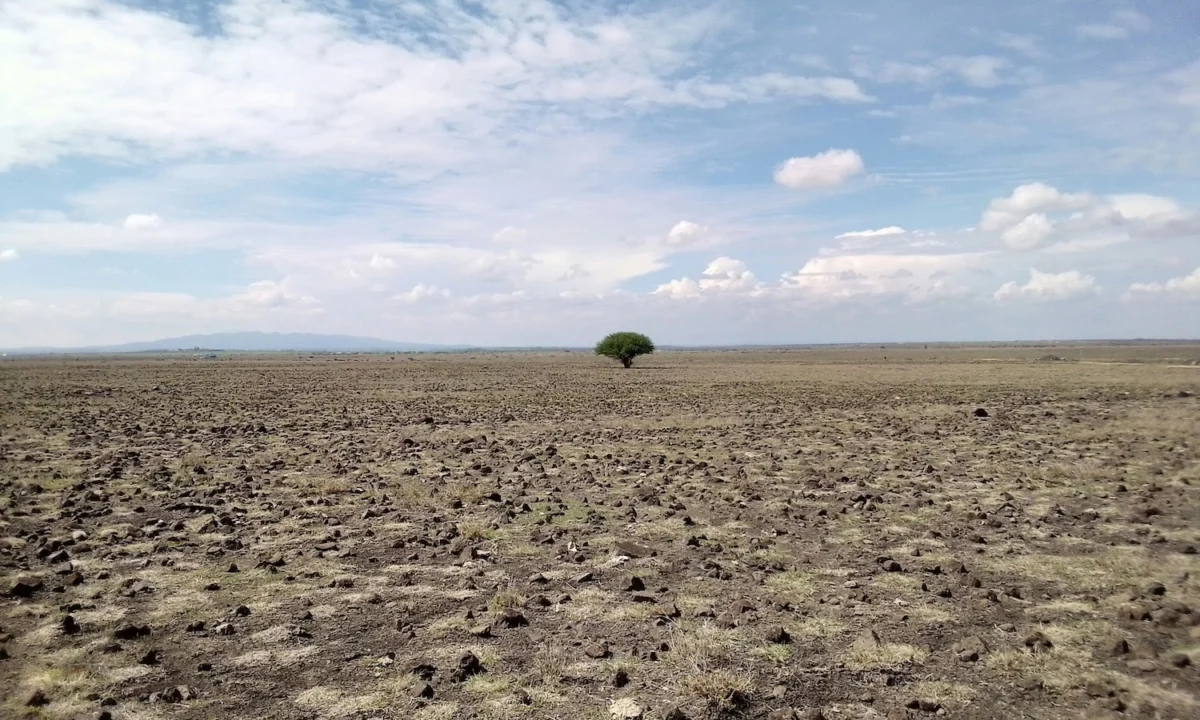
- Cultural Legacy: The Southwest United States provides a masterclass in bean cultivation through the use of tepary beans. These legumes have been adapted by Indigenous peoples over centuries to thrive in arid climates characterized by extreme diurnal temperature fluctuations.
Supporting Data: Understanding Market Viability
When selecting your May crops, it is useful to cross-reference your choices with market data. According to recent agricultural trends, high-diversity farms that incorporate both "staple" crops (corn and beans) and "value-added" crops (specialty squash and ornamental amaranth) tend to see more consistent revenue streams throughout the year.
Furthermore, the integration of flowers into vegetable rows—such as marigolds, zinnias, and borage—is not merely an aesthetic choice. Data consistently shows that farms that prioritize biodiversity experience lower pest pressure. By providing nectar and pollen sources, you are essentially "hiring" a local force of beneficial insects to manage your aphid and beetle populations naturally.
Official Perspectives on Sustainable Growth
Agricultural extensions and university programs continue to advocate for the "Systems Approach" to farming. This involves viewing the farm not as a series of isolated plots, but as a singular, living ecosystem.
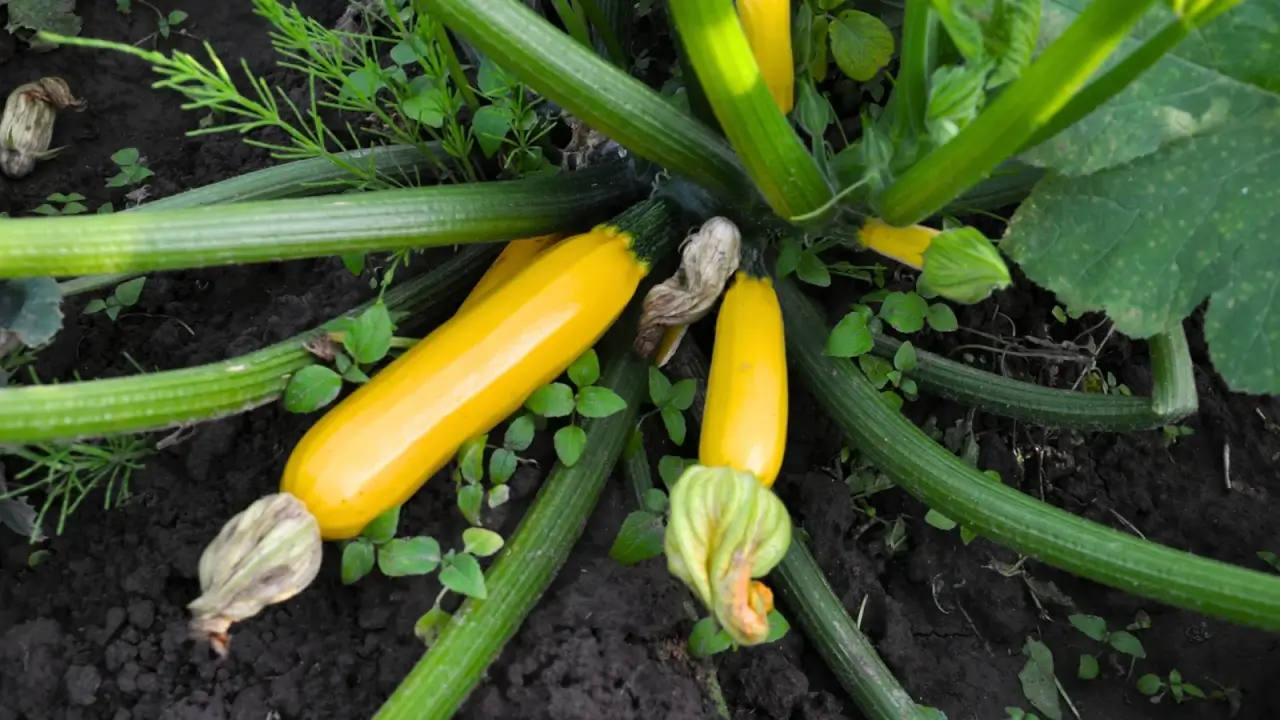
"The most successful farms we see in May are those that are already looking toward the end of the season," notes Dr. Elena Vance, an expert in sustainable soil management. "If you are planting a fast-maturing crop like zucchini or bush beans, you should already be planning your succession planting schedule to ensure that your supply remains consistent through the late summer market demand."
Implications for Future Resilience
The implications of your May planting decisions extend far beyond this year’s bottom line. By selecting varieties that are well-adapted to your specific climate—and by experimenting with crops that can handle heat or drought—you are effectively climate-proofing your business.
As weather patterns become more volatile, the traditional, rigid planting calendars of the past are becoming less relevant. The modern farmer must be a meteorologist, a soil scientist, and an economist all at once. By focusing on soil health, biodiversity, and the careful selection of resilient cultivars, you are not just planting seeds; you are building a legacy.
A Final Note for the Modern Farmer
If you find yourself overwhelmed by the scope of what is possible, start small. Focus on the "Big Three" for your region: one crop for the local market, one crop for your own household’s food security, and one experimental variety that pushes the boundaries of your current expertise.
The transition into summer is the most demanding period of the agricultural year, but it is also the most rewarding. By the time the summer solstice arrives, the rows you establish this month will have transformed from fragile seedlings into the lifeblood of your farm.
Are you ready for the season ahead?
- Audit your tools: Ensure your irrigation systems are fully operational before the June heatwaves hit.
- Monitor soil temperatures: Do not rush the warm-weather crops if the soil is still holding the chill of early spring.
- Prioritize pollinators: If you haven’t yet, carve out a dedicated space for native wildflowers to support the bees that will eventually pollinate your melon and squash crops.
The work you do in May is the foundation for the entire year. Plan with precision, plant with care, and watch as your fields become a testament to the enduring craft of modern agriculture.

 Ali Ikhwan
 Raul Delapena Setiawan