


 Ammar Sabilarrohman
As the United States faces what many political analysts describe as a critical inflection point for its democratic institutions, the non-profit advocacy group Public Citizen has officially opened its application cycle for the Fall 2026 Democracy Internship program. Seeking to mobilize a new generation of activists, the organization is looking to fill three distinct tracks: Mobilization, Campus Organizing, and Election Protection.
With the nation grappling with the fallout of ongoing administrative shifts, systemic challenges to voting rights, and increasing concerns regarding election integrity, Public Citizen is positioning these internships not merely as educational opportunities, but as frontline roles in a broader movement to safeguard the rule of law.
Main Facts: The Scope of the Mission
Public Citizen, a long-standing fixture in Washington, D.C.’s advocacy landscape, has positioned its Democracy Campaign as a bulwark against what it characterizes as an "autocratic playbook" currently unfolding nationwide. The Fall 2026 program is designed to provide participants with high-level exposure to national advocacy, grassroots organizing, and policy strategy.
The organization is actively recruiting for three specific pillars of their democracy defense work:
- Mobilization & Rule of Law Organizing: Focused on mass-action events and high-level coalition building with partners like the ACLU and MoveOn.
- Campus Organizing: Centered on the "Frontline for Freedom" network, which coordinates student-led resistance to federal policies impacting academic freedom and civil rights.
- Protect Elections: A specialized track dedicated to mitigating threats to election infrastructure, defending the rights of voters, and supporting local governments in maintaining the integrity of the ballot box.
The program offers both paid positions—compensated at $17.95 per hour—and unpaid internship opportunities. While the organization maintains a remote-friendly culture, it has expressed a strong preference for candidates based in the Washington, D.C. area to facilitate in-person coordination for rallies and Capitol Hill engagements.
Chronology: A Roadmap for Applicants
For prospective applicants, the timeline for the Fall 2026 cycle is rigorous, with distinct deadlines for those seeking financial compensation.
- Now – July 31, 2026: Rolling application period. Candidates are encouraged to apply as early as possible.
- July 31, 2026: Final deadline for consideration for paid internship positions. Applications received after this date will be considered for unpaid roles only.
- August 24, 2026: Notification date for selected paid internship candidates.
- Fall 2026: Internship start date.
The organization emphasizes that the recruitment process is highly competitive. Applicants must include a cover letter, a resume, and, for those seeking paid positions, a 500-word essay detailing their passion for democracy and their financial need.
Supporting Data: Why the Work Matters
The urgency behind these programs is rooted in a series of administrative and political developments that have drawn significant alarm from civil liberties watchdogs. Public Citizen’s literature highlights three primary areas of concern that form the basis of their current advocacy agenda:
1. The Erosion of Election Cybersecurity
Recent federal decisions to terminate key election cybersecurity personnel have left many states vulnerable to digital interference. Public Citizen argues that when the federal government abdicates its responsibility to protect election infrastructure, the burden falls on state and municipal governments. Interns in the "Protect Elections" track will study these power dynamics, learning how to lobby for local policies that shield voting data and election officials from external threats.
2. Academic Freedom and Student Power
The "Frontline for Freedom" initiative is a direct response to the "Compact for Academic Excellence in Higher Education." Following successful mobilizations on November 7, where over 100 actions were coordinated across the country, Public Citizen is looking to capitalize on this momentum. Data from these previous actions indicates a significant shift in student engagement, with young voters and activists increasingly prioritizing the preservation of First Amendment rights on campus.
3. The Rise of Mass Mobilization
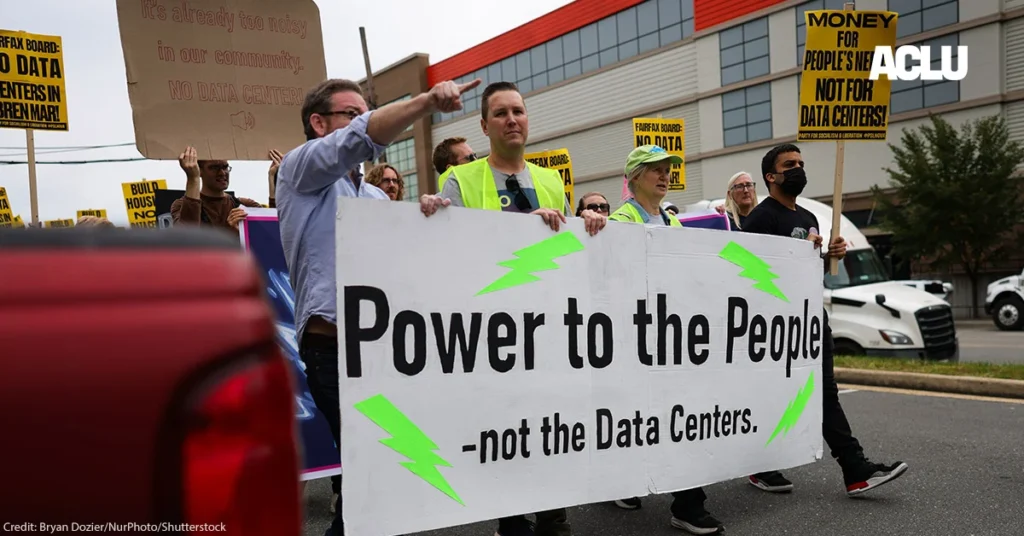
The "Mobilization" track is built upon the success of recent national campaigns such as "No Kings," "Workers Over Billionaires," and "We Are All DC." These events serve as the primary mechanism for the organization to exert pressure on legislative bodies. By training interns in the logistics of these rallies—including press coordination and coalition management—Public Citizen aims to institutionalize the infrastructure necessary for rapid-response protest.
Official Responses and Organizational Stance
In describing the rationale for the program, leadership at Public Citizen underscores that the current political climate requires a unique skill set. "No two days look the same on this team," a representative stated, noting that the organization is working to provide an agile response to what they define as aggressive administration tactics.
The organization is explicit in its political values, framing the current era as one where "corruption is on the rise" and "the freedom to vote is being assaulted." By explicitly calling for applications from women, people of color, and LGBTQ+ candidates, Public Citizen is signaling a commitment to intersectional activism. They argue that the defense of democracy cannot be separated from the advancement of social justice, as the communities most impacted by democratic backsliding are often those historically marginalized by the political process.
Implications: The Long-Term Impact
The implications of this internship program extend beyond the individual professional development of the participants. By embedding students and young activists within the machinery of a major D.C. advocacy group, Public Citizen is effectively creating a pipeline for future public servants and community leaders.
The Professional Development Aspect
For many students, this program serves as an introduction to the "realpolitik" of Washington. Participants will gain experience in:
- Strategic Communications: Drafting press releases and creating digital content for national campaigns.
- Policy Advocacy: Learning to navigate the complexities of Capitol Hill and local municipal offices.
- Movement Building: Understanding the nuances of coalition management, where disparate groups—from veterans to legal professionals—must be brought together under a unified banner.
The Political Implications
By focusing heavily on the "Protect Elections" and "Campus Organizing" tracks, Public Citizen is acknowledging that the future of U.S. democracy rests on two things: the resilience of election infrastructure and the engagement of the next generation of voters. If the organization successfully trains its interns to effectively challenge the federal administration’s current trajectory, it could set a precedent for how non-governmental organizations can effectively "fill the void" left by retreating federal oversight.
Furthermore, the emphasis on local and state-level power dynamics suggests a strategic pivot. Recognizing that federal gridlock may persist, Public Citizen is teaching its interns to look toward mayors, city councils, and state legislatures as the primary sites of democratic resistance. This bottom-up approach is intended to provide immediate, tangible protections for citizens, even while the national conversation remains polarized.
Conclusion: A Call to Action
For those interested in the intersections of law, politics, and grassroots organizing, the Fall 2026 Democracy Internship at Public Citizen offers a rare opportunity to engage with the most pressing issues of the decade. As the organization prepares to meet the challenges of the coming year, it is seeking individuals who are not only passionate about the preservation of democratic norms but are also prepared to engage in the hard work of political mobilization.
Interested applicants are encouraged to visit the official Public Citizen website to review the full requirements. In a climate where the integrity of democratic processes is being tested, programs such as this remain vital for the cultivation of an informed and active citizenry. Whether through the coordination of national rallies, the protection of student voices, or the fortification of local election systems, these interns will be at the center of the fight for the future of the United States.
How to Apply:
Interested candidates should submit their resume and cover letter to the email address provided on the Public Citizen career portal, ensuring the subject line clearly marks the desired program (e.g., Mobilization – [Full Name]). Applicants for the paid positions should be sure to include their financial need essay and, if applicable, their FAFSA Student Aid Report. Applications are being reviewed on a rolling basis, making prompt submission a critical component of the application strategy.

 Raul Delapena Setiawan
 Sagoh






