
 Ali Ikhwan
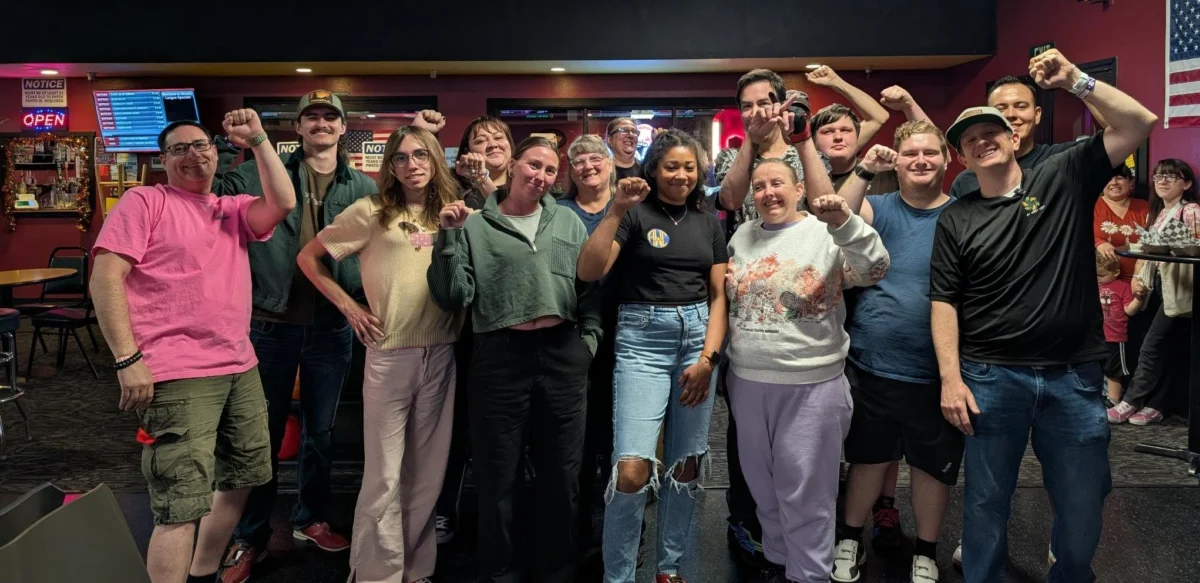
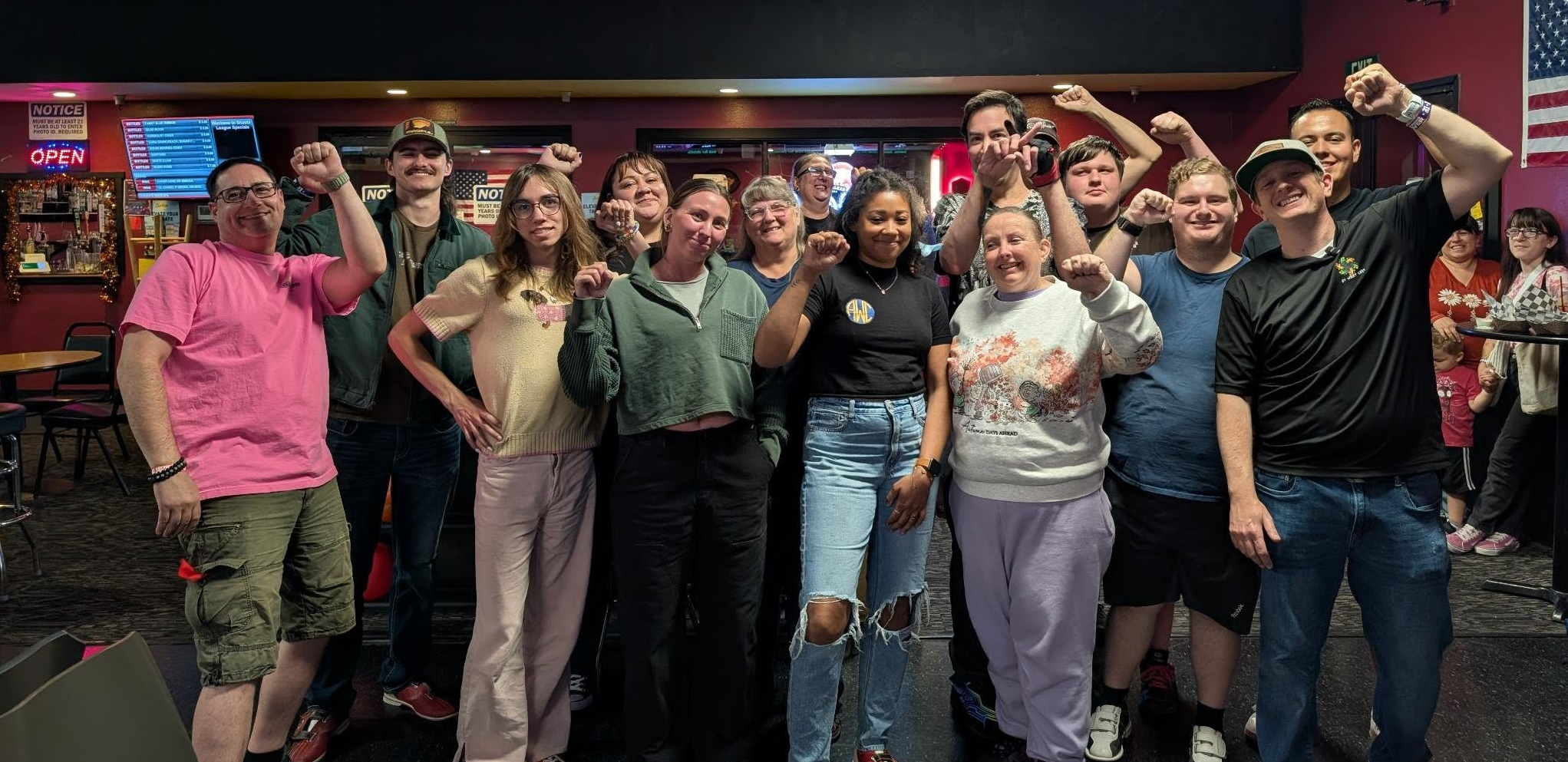
In the sprawling jurisdiction of United Food and Commercial Workers (UFCW) Local 8-Golden State, which stretches across Northern California and the Central Valley, a quiet, decades-long status quo is facing its most significant threat. For the first time in at least 40 years, an insurgent slate of candidates—running under the banner "At What Cost"—is attempting to unseat a entrenched leadership team that has held power since the early 2000s.
The struggle, however, has evolved from a standard internal election into a complex federal investigation involving allegations of “sham mergers,” suspicious non-profit entities, and systematic voter suppression. As the union prepares for ballots to be mailed on November 21, the contest has exposed a deep rift between a membership grappling with stagnant wages and a leadership apparatus characterized by high-six-figure salaries and opaque financial ties to for-profit companies.
The Chronology of a Disputed Election
The tension reached a boiling point in mid-October when members received their union newsletter. Tucked away in the final sentence of the official election notice was a startling disclaimer: the election would be canceled if Local 8 merged with the Staffing Agencies Federated Employees (SAFE) union before the end of the year.
For the 23,000 workers in grocery, meatpacking, health care, and cannabis represented by Local 8, the announcement was the first time they had heard of SAFE. The lack of transparency prompted immediate alarm among the reform slate, which has been organizing for over a year to bring democratic accountability to the local.
A Pattern of Prevention
This is not the first time the Loveall administration has utilized a merger to bypass an election. In 2006, as a reform movement gained momentum within the local’s predecessor, Local 588, the leadership orchestrated a merger with Local 1288 to form the current Local 8-Golden State. The move successfully delayed the election for two years, effectively stalling the reformist surge.
"That’s their mode of operating," says Doug Slaydon, a 25-year meat cutter and the At What Cost presidential candidate. Slaydon, who was fired from Safeway in 2006 on the heels of a 20-store campaign blitz, views the current maneuver as a carbon copy of the tactics used to silence him nearly two decades ago.
The Federal Intervention
Following the October announcement, the At What Cost slate, supported by the reform organization Essential Workers for Democracy, filed a formal complaint with the Department of Labor (DOL). They argued that the threatened merger violated the Labor-Management Reporting and Disclosure Act (LMRDA), which guarantees the right to fair and regular officer elections.
As federal investigators began probing the nature of the SAFE organization, the tone from Local 8 shifted abruptly. Shortly after the inquiry commenced, the local notified members that the merger had been "postponed indefinitely." While the election is currently slated to proceed, the episode has left members deeply skeptical of the leadership’s intentions.
A Web of Connections: Investigating SAFE
The attempt to merge with SAFE raised more questions than it answered. Public records and digital metadata suggest that SAFE may be less a traditional union and more an administrative shell connected to the interests of Local 8 President Jacques Loveall and his circle of associates.
Opaque Origins and Financial Ties
SAFE’s initial filing with the Department of Labor was submitted by Patricia Schreiter, an individual with no public history in the labor movement but who appears to be a relative of Jacques Loveall. Following public scrutiny, SAFE’s website—which initially featured stock photos and misleading membership claims—was scrubbed of its staff lists and specific legislative agendas.
Further investigation reveals a nexus of influence involving "The PACT," a self-described labor organization for temp workers, and the insurance company Samuel Hale. The PACT has a collective bargaining agreement with Local 8 that allows Samuel Hale to utilize California’s Alternative Dispute Resolution (ADR) carve-out. This arrangement allows the company to bypass the state workers’ compensation board, a move that potentially saves employers significant capital while centralizing control of benefits within entities controlled by union leadership.
Ellen Anreder, the CEO of Bleiweiss Communications—a major vendor for Local 8—is listed as the individual who filed the articles of incorporation for SAFE. Anreder and Loveall serve together on several non-profit boards, including the "All Trusts Cooperative," where they are the sole directors, managing over $10 million in assets. These interlocking directorates suggest a private ecosystem of wealth that operates parallel to the union’s official activities.
The Stakes for the Membership
At the heart of the At What Cost platform is a desire to reverse years of wage stagnation. A 2025 study on understaffing at Kroger and Albertsons stores highlights the financial precarity of the very workers Local 8 represents.
"Grocery careers, once dignified, have been reduced to second jobs for most," says Eric Marcuz, the reform slate’s candidate for president. Marcuz, a veteran Safeway worker, was stripped of his steward position after expressing interest in opening contract negotiations to member input—a practice he argues is essential to securing better working conditions.
The Cost of Leadership
The disparity between the members’ economic reality and the leadership’s compensation is stark. Jacques Loveall, who inherited his position from his father, Jack Loveall, received over $306,000 in total compensation from the local last year, alongside additional payments from his roles in international union positions and trust funds.
For the members, the union hall in Roseville is often inaccessible, as the local’s jurisdiction covers 40 counties and requires a 10-hour drive to traverse. The refusal of current leadership to facilitate virtual meetings or allow for digital communication has created an information vacuum that the incumbent slate has utilized to maintain its hold on power.
Implications for Union Democracy
Legal experts are watching the situation closely. "Federal law is clear: local unions must hold officer elections at least every three years," notes Will Bloom, a professor at the CUNY School of Law and a board member of the Association for Union Democracy. "Any attempt to forestall an election through a sham merger, in an effort to quash dissent, goes against the basic principles of union democracy."
The implications extend beyond Local 8. As the UFCW grapples with the pressures of corporate consolidation and changing retail models, the ability of rank-and-file members to hold their leadership accountable is being tested. The At What Cost slate must now collect 443 valid signatures—two percent of the membership—to secure their place on the ballot.
Official Responses and Stonewalling
To date, Local 8, the UFCW International union, and representatives of SAFE have remained silent in the face of media inquiries. The lack of a formal defense against the allegations of financial impropriety and election interference has only fueled the resolve of the reform movement.
As the November 21 ballot mailing date approaches, the atmosphere on the ground is one of high-stakes agitation. Reports of union representatives discouraging members from wearing campaign buttons or attempting to block access to candidates have become routine. Despite this, the reform slate continues to push for a referendum on the direction of the union.
Conclusion: A Turning Point
The upcoming election in Local 8-Golden State is more than a contest for office; it is a battle for the fundamental character of the organization. With the Loveall family’s two-decade grip on power facing a credible, grassroots challenge, the result will likely dictate whether the local moves toward a model of member-driven advocacy or remains a bastion of institutional control.
As members prepare to cast their ballots, they are doing so with the knowledge that the path to a more responsive union is fraught with institutional resistance. Whether the At What Cost slate succeeds or fails, the efforts of the rank-and-file to force a transparent, competitive election have already begun to dismantle the long-standing wall of silence that has defined the local’s history. The outcome will serve as a bellwether for labor movements nationwide as they navigate the balance between legacy leadership and the urgent need for internal democracy.

 Rifan Muazin
 Ammar Sabilarrohman






