




 Evan Lee Salim
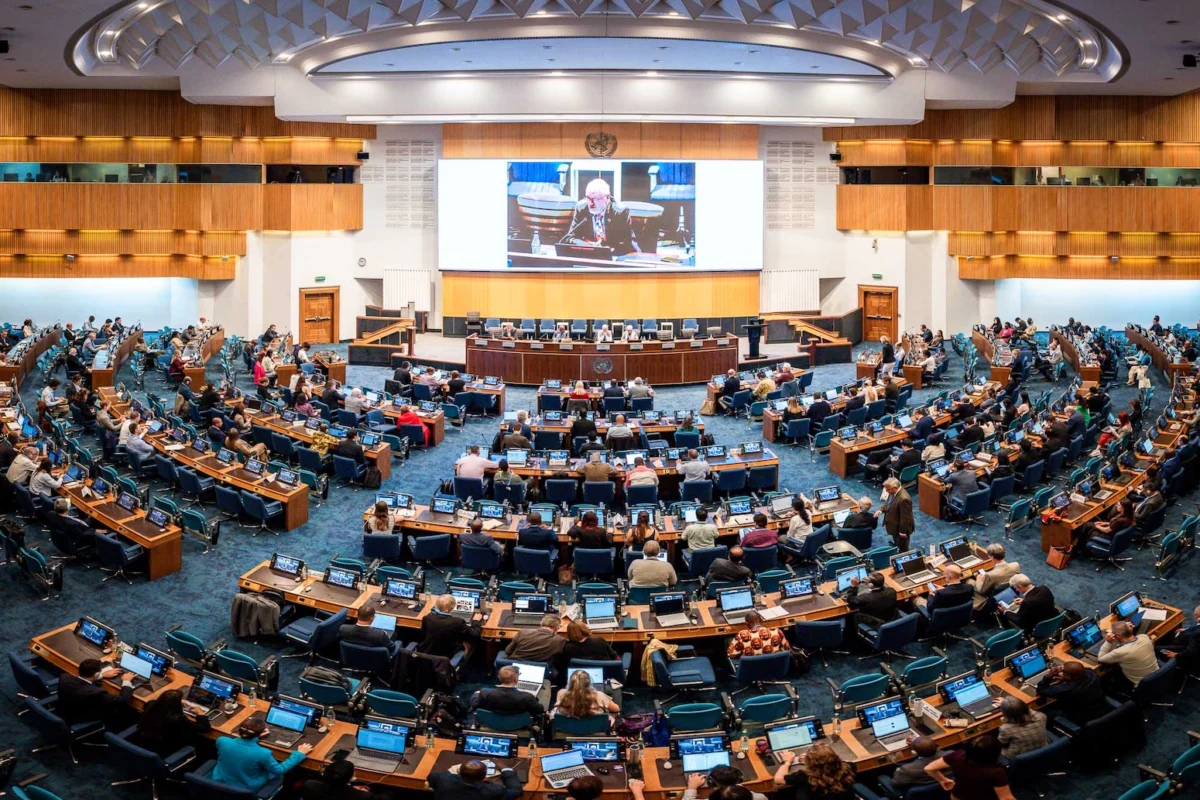
In what is being described by officials and observers alike as a "profound disappointment," the Intergovernmental Panel on Climate Change (IPCC) has concluded its 65th session (IPCC-65) in Addis Ababa, Ethiopia, without reaching a consensus on the timeline for its seventh assessment report (AR7). This marks the sixth consecutive failure to align on a work plan, leaving the world’s leading climate science body in a state of unprecedented gridlock.
The failure to establish a schedule effectively jeopardizes the alignment of the next major climate assessment with the United Nations’ second "global stocktake," a critical mechanism of the Paris Agreement due to culminate in 2028. Without this scientific bedrock, global policymakers risk navigating the next phase of the climate crisis in the dark.
Main Facts: A Body in Crisis
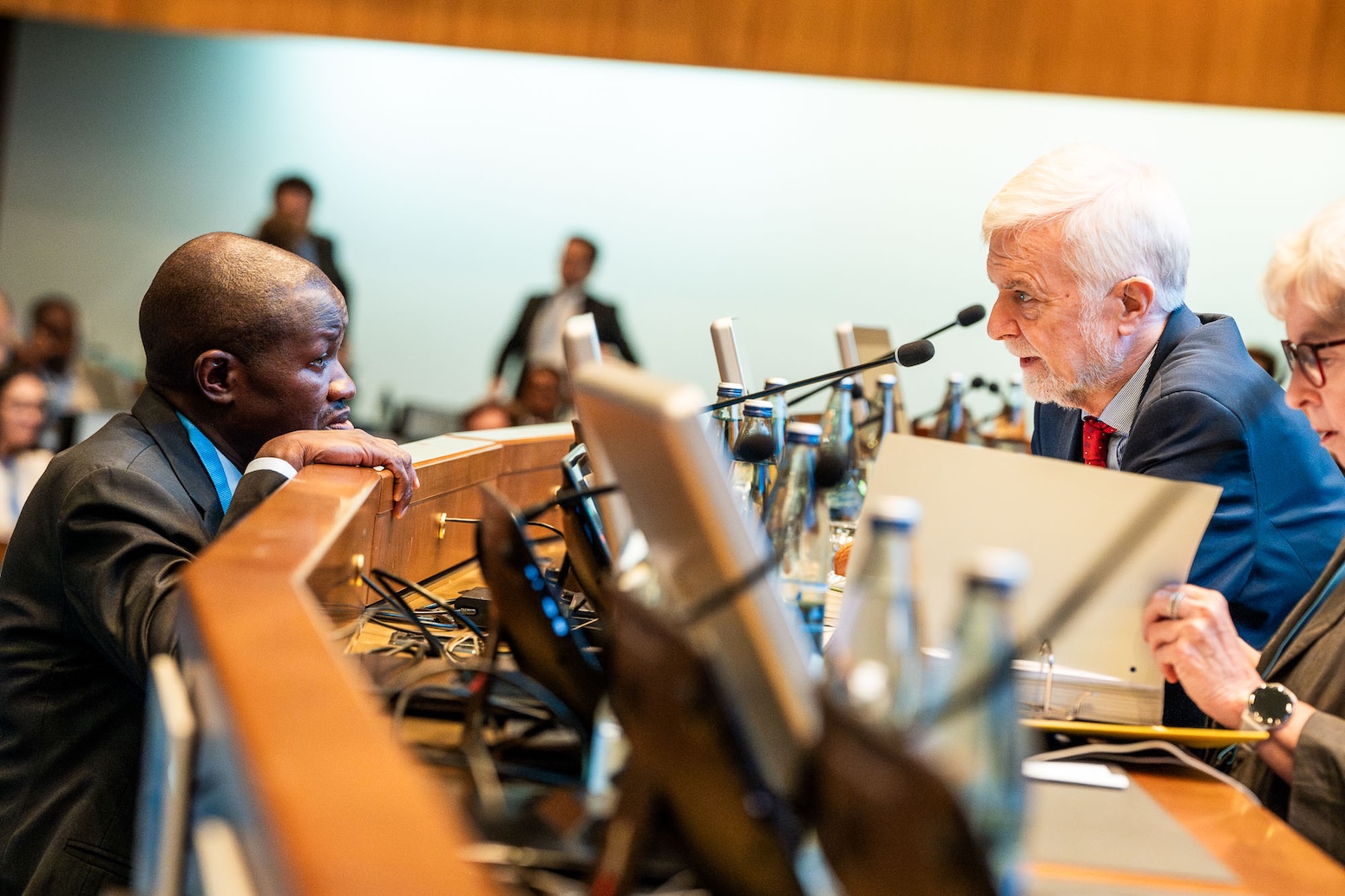
The Addis Ababa summit, intended to be a decisive moment for the IPCC, descended into procedural maneuvering and diplomatic friction. IPCC chair Prof. Sir Jim Skea, who had previously warned that a decision by the end of 2026 was essential to ensure the AR7 reports could inform the 2028 stocktake, was forced to suspend the meeting on Friday evening.
The crisis is twofold:
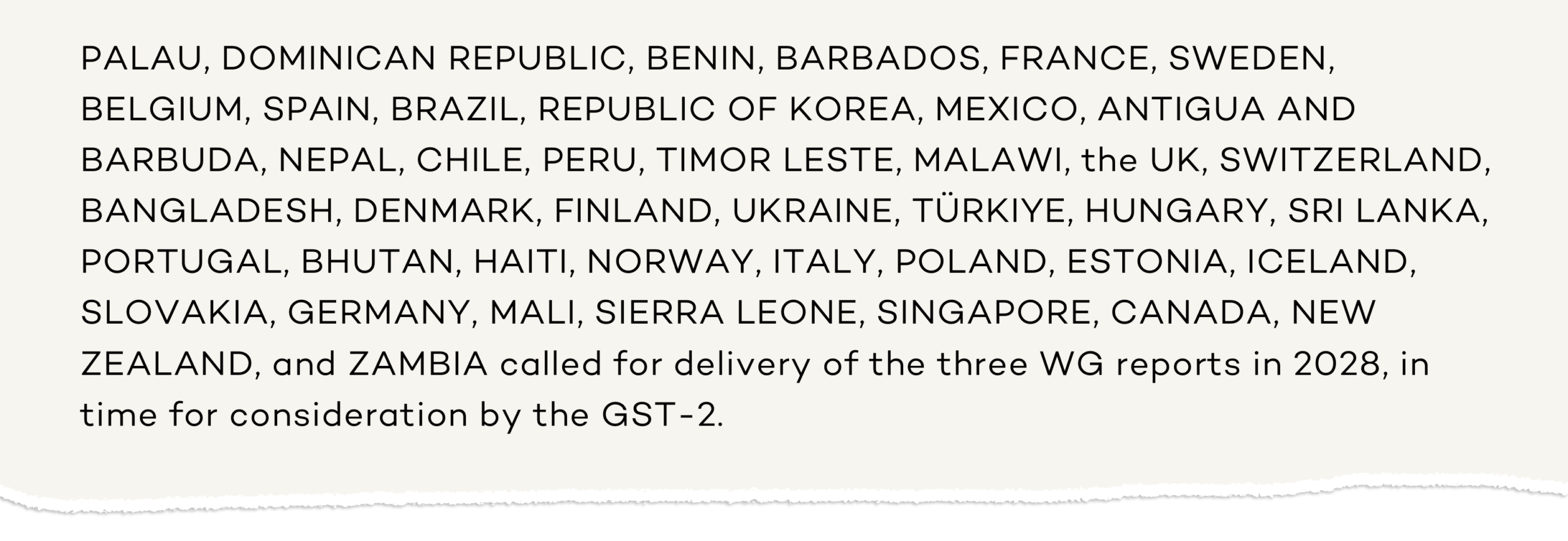
- The Timeline Deadlock: Member nations remain sharply divided over when the three Working Group reports (covering climate science, impacts/adaptation, and mitigation) should be published.
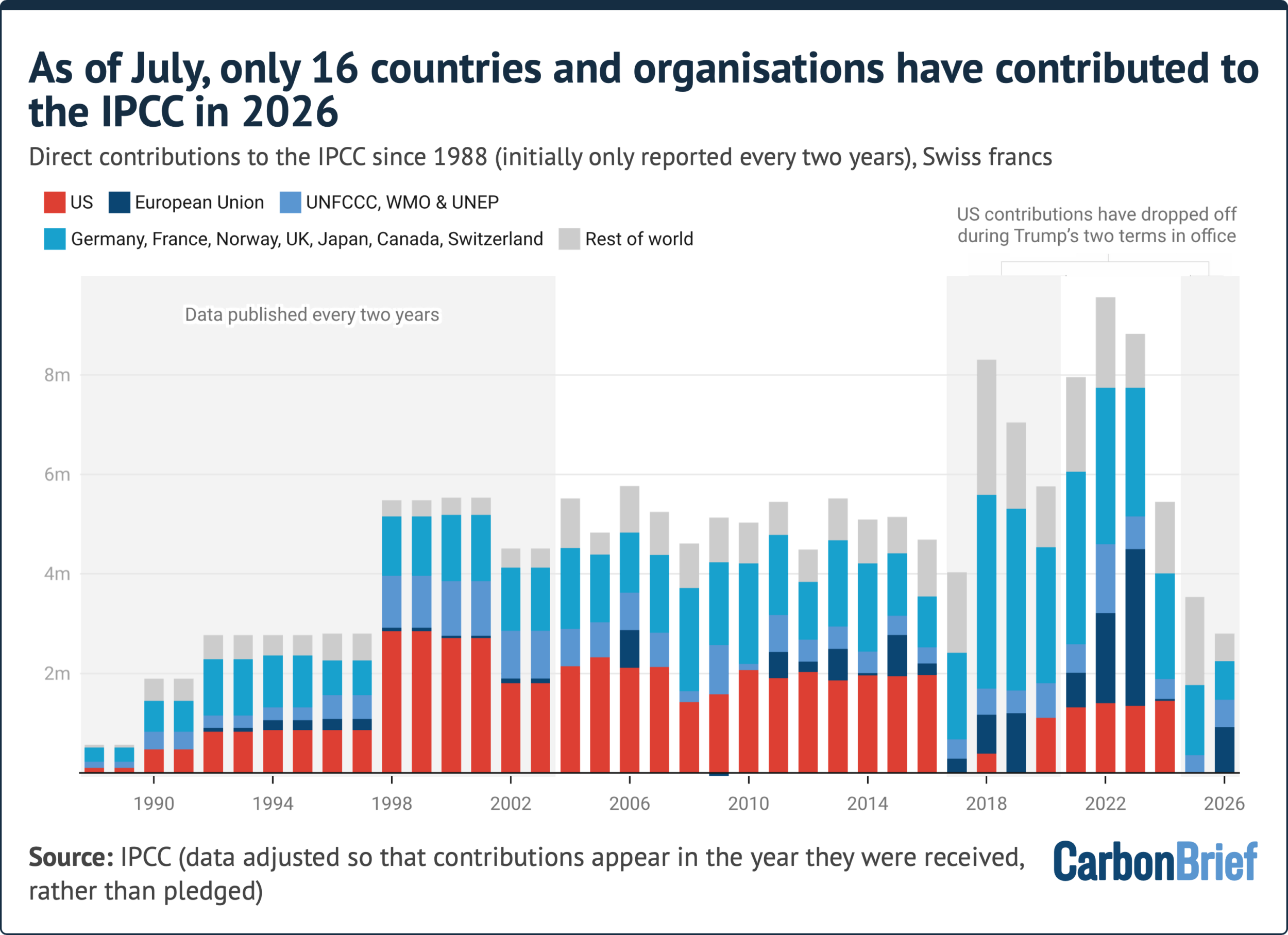
- The Funding Crisis: The IPCC is facing a severe financial shortfall. With key contributors reducing or halting payments—most notably the United States, which has not contributed since 2024—the organization’s ability to fund essential author meetings and support participation from developing nations is under direct threat.
Chronology: A Week of Fraught Negotiations
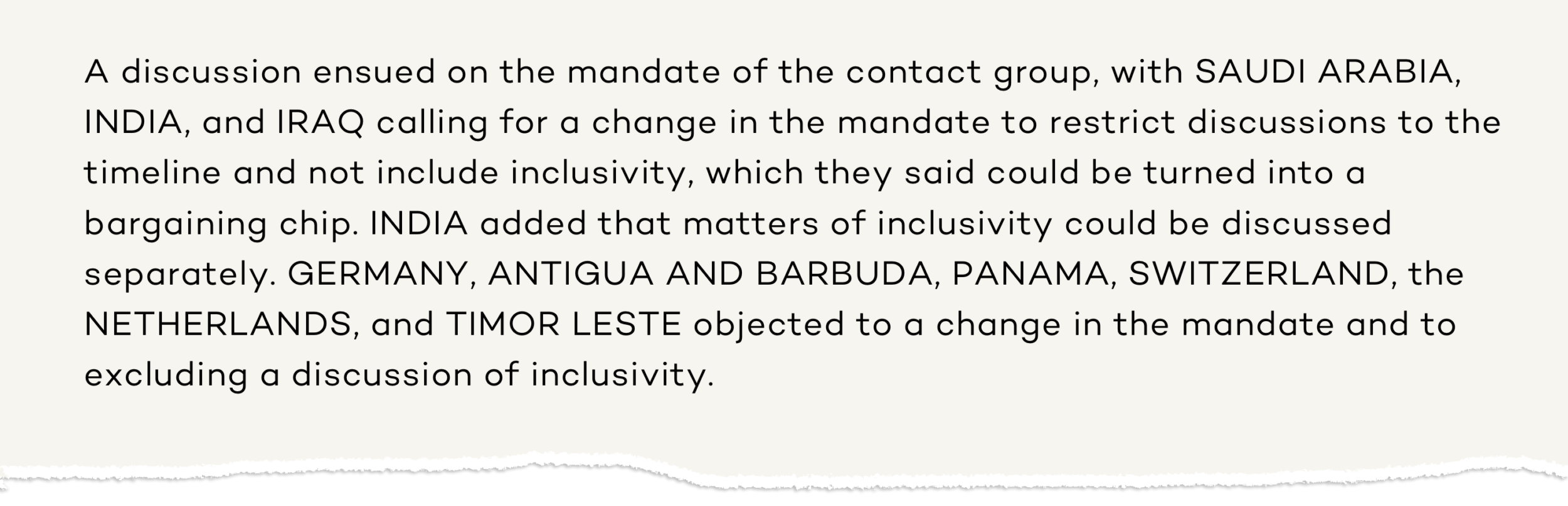
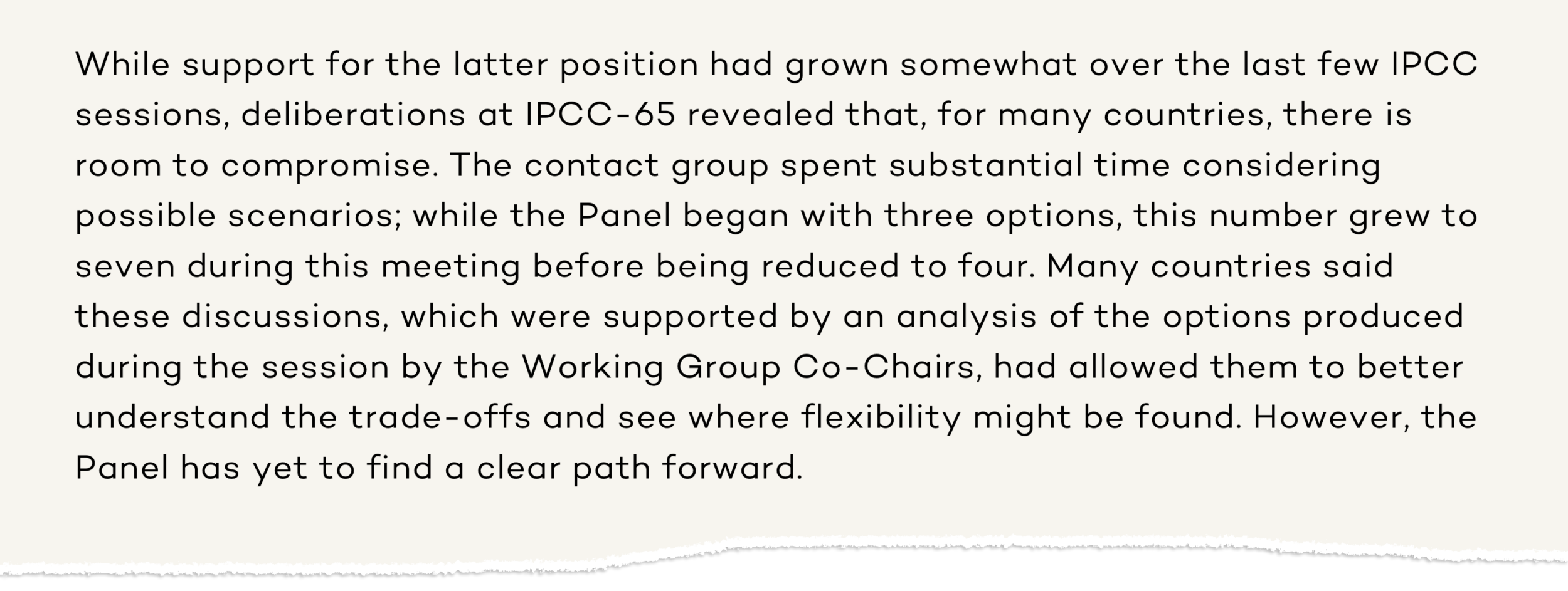
The week-long session began with optimism that a "contact group," chaired by Brazil and Ireland, could bridge the gap between competing visions for the AR7 timeline. However, as the days progressed, the number of proposed options grew from three to seven, eventually being whittled down to four—none of which gained sufficient support for adoption.
By Friday, the situation had deteriorated. Several delegations from small-island developing states, which are among the most vulnerable to climate change, began departing the summit, citing a lack of progress. Recognizing that the assembly was no longer inclusive, Prof. Skea suspended the proceedings at 8:29 p.m. without a final decision.
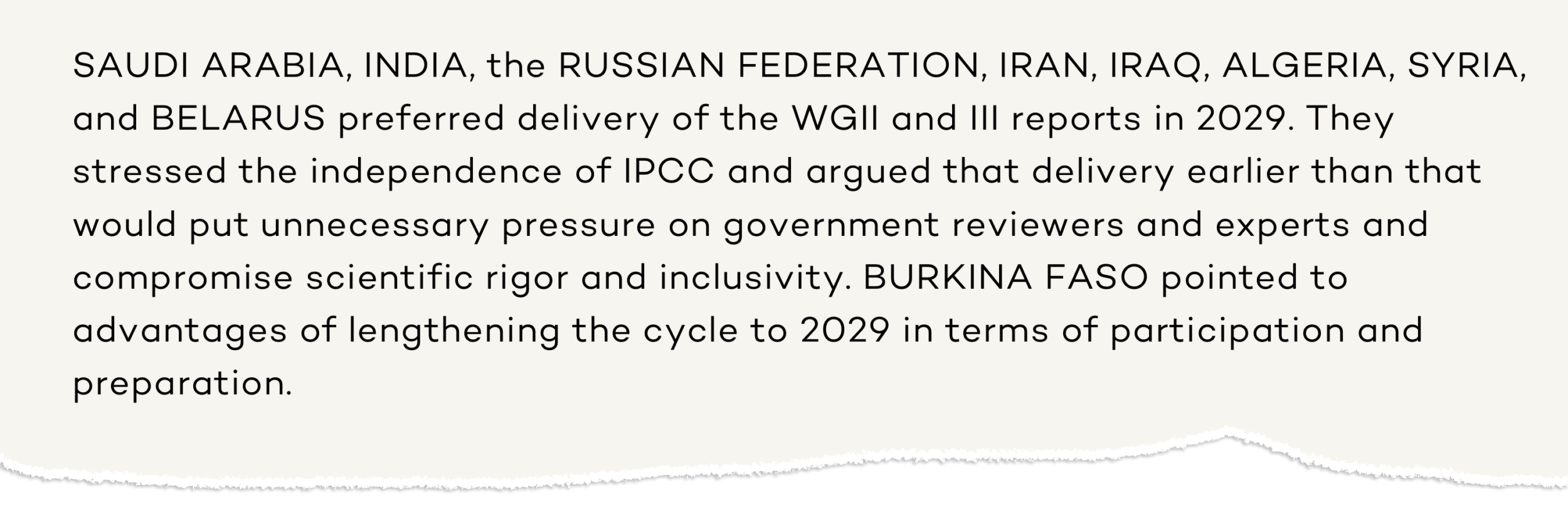
The impasse stems from a fundamental disagreement on the purpose of the IPCC’s work. While a coalition of developed nations and vulnerable states argues that the IPCC exists to provide timely, policy-relevant science for the global stocktake, others—including India, Kenya, Russia, and Saudi Arabia—have argued for a more extended timeline, citing the need for developing nations to have sufficient time to review and approve complex scientific documents.
Supporting Data: The Financial Gap
The budget crisis underpinning the meeting is arguably as damaging as the timeline dispute. The IPCC secretariat reported that it requires approximately 33 million Swiss francs (£30 million) to complete the AR7 cycle. Current projections indicate that if voluntary contributions continue at their current, declining rate, the IPCC trust fund will be depleted by the end of 2028.
- Declining Contributions: In 2025, voluntary contributions were 5.3 million Swiss francs lower than in 2023.
- Minimal Survival: The secretariat estimates a minimum of 5.8 million Swiss francs per year is required just to keep the "lights on," leaving zero buffer for unforeseen scientific or administrative needs.
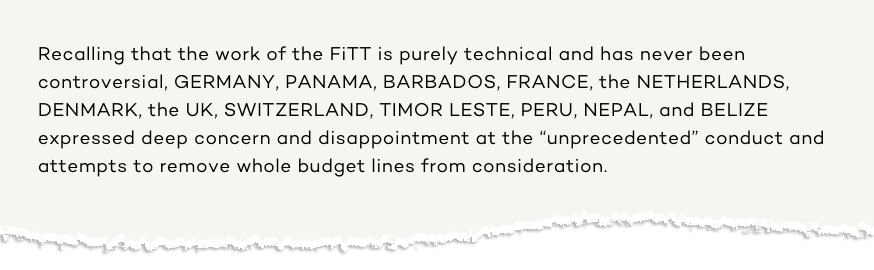
- Stalled Budgeting: The "Financial Task Team" (FiTT), responsible for overseeing budget lines, was unable to make progress. Disagreements were so intense that some delegations effectively threatened to block the entire budget unless their specific conditions regarding the timeline were met, leading to what some observers described as "holding the budget hostage."
Official Responses and Scientific Outcry
The reaction from the scientific community has been one of alarm. Over 200 lead authors—those tasked with drafting the reports—have signed an open letter pledging to continue their work, but the letter stresses that the world cannot afford to conduct the second global stocktake without the updated, rigorous evidence the IPCC provides.
Prof. Sir Jim Skea’s closing remarks reflected the gravity of the situation. "If there were stronger words than ‘profound disappointment,’ I would use them," he stated, characterizing the Addis Ababa session as one of the most difficult in the organization’s history.
Marshall Islands climate envoy Tina Stege provided a stinging rebuke of the stalling tactics: "It is a travesty that a handful of countries continue to delay the IPCC’s reports—the science we need back home to help us save lives and livelihoods. We were here to work, but found every proposal dismissed. This is a shameful play for time when there is no time to waste."
Conversely, delegations advocating for a longer timeline, such as India and Saudi Arabia, have maintained that their positions are rooted in equity and the practicalities of participation. They argue that the pressure to deliver reports on an accelerated schedule risks excluding the voices and perspectives of the Global South, which they contend must be central to the IPCC process.
Implications: The Road Ahead
The failure to resolve these issues carries profound consequences for international climate policy. The global stocktake is intended to be the "ratchet mechanism" of the Paris Agreement, pushing countries to increase their ambition in emissions reduction and climate finance. If that process lacks the authoritative, consolidated science of an IPCC report, the risk of "policy drift"—where climate action is disconnected from physical reality—becomes a distinct possibility.
What is at Stake for 2028?
- Evidence-Based Decision Making: Without AR7, the 2028 COP33 summit will lack the most current, peer-reviewed data on how close the world is to breaching 1.5C, as well as the latest methodologies for adaptation in a warming world.
- Institutional Erosion: The persistent inability to agree on basic meeting reports or administrative procedures suggests a deeper, structural malaise within the IPCC, potentially signaling a weakening of the multilateral consensus that has sustained the body since 1988.
- The "Engine Room" Risk: While scientists continue to work, the "friction" between governments is now permeating the scientific environment. There is a growing fear that if the political deadlock continues, top-tier scientists may become disillusioned with a process that appears increasingly beholden to geopolitical posturing rather than the urgent requirements of climate action.
The Path to Resolution
The IPCC has committed to reconvening the session at the "earliest opportunity," though no date or venue has been confirmed. For the organization to regain its footing, experts suggest that a change in mediation is required. Prof. Fabrice Lambert, a contributor to Working Group 1, has suggested that the IPCC needs to bring in professional, external negotiators from other UN bodies to help navigate the deadlock.
The current situation is a stark reminder that even the most robust scientific consensus can be sidelined by the complexities of international diplomacy. As the world approaches the critical 2028 window, the silence from the IPCC’s plenary hall in Addis Ababa is not merely a bureaucratic delay—it is a signal that the global architecture for climate cooperation is under significant, perhaps critical, strain.
Whether the IPCC can reconcile the competing needs of its diverse membership—and secure the funding necessary to operate—remains the defining question for the immediate future of climate science. For now, the "engine room" continues to turn, but without a clear map or fuel, its destination remains uncertain.


 Siti Muinah

 Nila Kartika Wati





