



 Basiran

You have meticulously crafted your GivingTuesday activation, but the challenge remains: how do you ensure the world notices, engages, and acts? In a digital landscape saturated with noise, visibility is not a given; it must be engineered.
To bridge the gap between a great idea and measurable impact, we turned to Emily Parker and David Imani, the co-founders of the strategy and creative studio PLAYING. Having worked with mass-market consumer brands, social impact initiatives, public institutions, and the arts, Parker and Imani specialize in the most complex variable of all: human behavior. Joined by collaborators Bruna Da Costa, Greg Falconi (director of the studio Curamica), and designer Alexandra Vitale, they have synthesized their daily professional methodologies into a comprehensive guide for maximizing your GivingTuesday efforts.
The Anatomy of a Strategic Foundation
The cornerstone of any successful campaign is a robust strategy. Regardless of your budget or available resources, a well-defined approach acts as a force multiplier, refining your focus and maximizing the effectiveness of every dollar and hour spent.
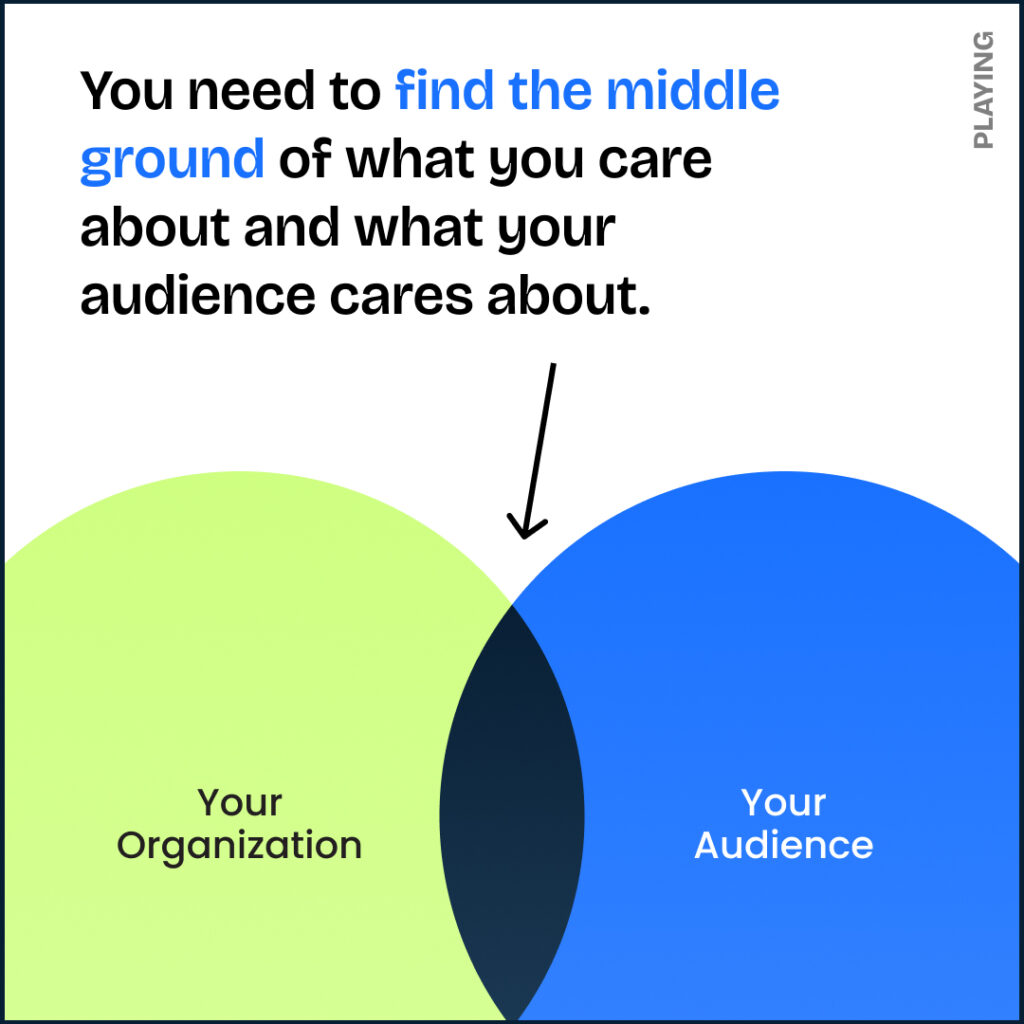
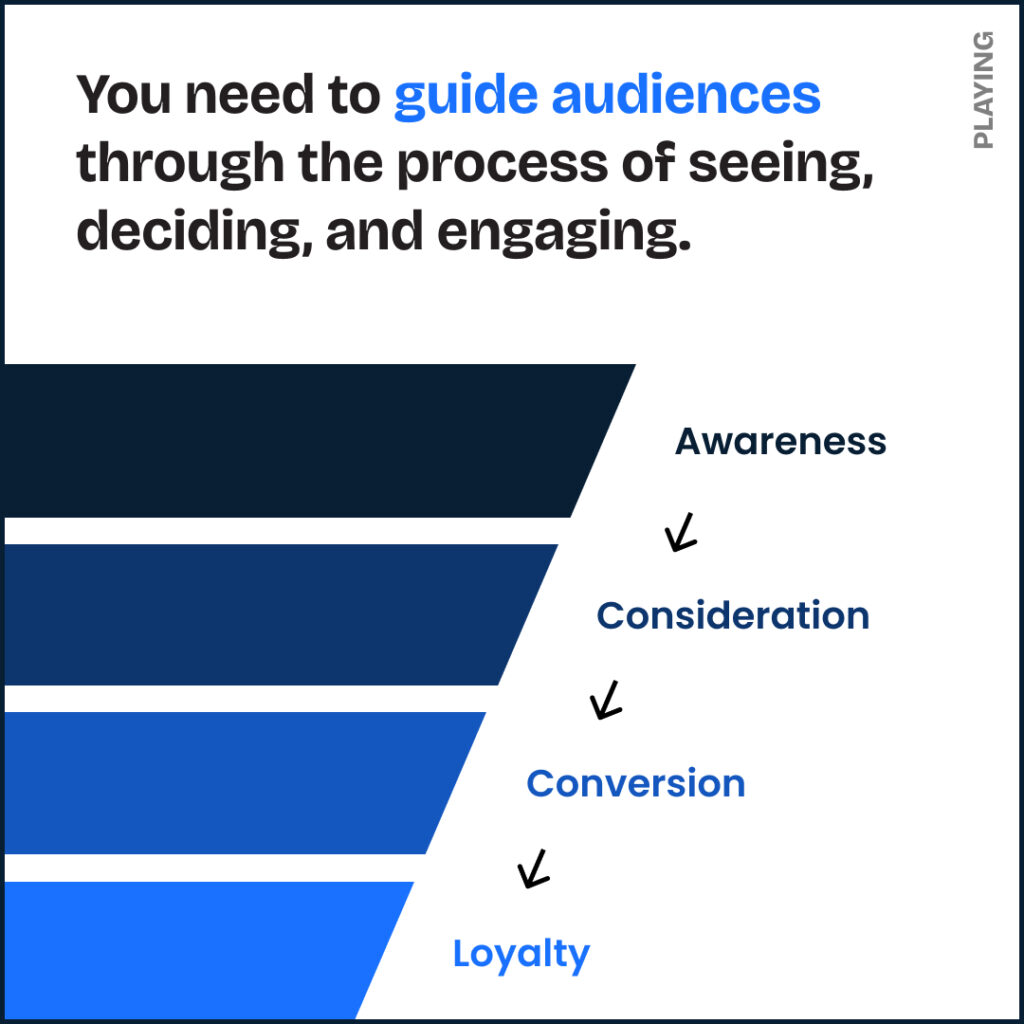
"Our goal is to help you arrive at the intersection of what matters to your organization and what resonates with your audience," says Parker. This begins by understanding the marketing funnel: Awareness, Consideration, Conversion, and Loyalty.
The Four Stages of Audience Engagement
- Awareness: The audience realizes your organization exists.
- Consideration: They grasp why your mission aligns with their values.
- Conversion: They decide to take action (donate, volunteer, or advocate).
- Loyalty: A lasting relationship is formed, turning a one-time donor into a long-term partner.
A critical mistake many organizations make is expecting a single interaction to cover all four stages. Instead, you must position your activation within the ecosystems where your audience already exists—whether that is a specific Instagram niche, a local community newsletter, a neighborhood flyer, or a relevant podcast.
Chronology of Execution: From Planning to Launch
Phase 1: Defining the "Action"
Before launching, you must define the primary behavior you want to drive. Ask yourself: Is the call to action clear? Does it require too much cognitive effort from the user? Is the benefit to the participant immediately obvious?
Phase 2: Budgeting for Impact
"Clarity on your budget is not just about financial limits; it’s about strategic allocation," notes Imani. If your budget is limited, focus on high-intent channels where you have already seen engagement. If you have room for growth, prioritize testing small, controlled experiments across new demographics.
Phase 3: Channel Selection
Don’t chase every platform. Identify where your supporters congregate. If your audience is hyper-local, a physical event or a community bulletin board may outperform a global digital ad campaign.

Supporting Data: The Case for Paid Media
While organic reach is valuable, it is often insufficient for scaling a movement. Paid media serves as the engine that drives your message to new, targeted audiences.
The Layers of Paid Media
- Search Engine Marketing (SEM): Capturing intent when people are looking for ways to give.
- Social Advertising: Using sophisticated targeting to reach individuals who share the values of your existing donors.
- Display & Programmatic: Maintaining top-of-mind awareness through persistent visual presence.
If your paid strategy is showing traction, do not stagnate. Scale your efforts by:
- Doubling down on high-performing assets: Reallocate funds from underperforming segments to those yielding the highest conversion rates.
- Expanding to lookalike audiences: Use your existing donor data to find new, similar profiles.
- Implementing Remarketing: A significant percentage of users will not convert on their first visit. Remarketing keeps your cause in front of those who showed interest but didn’t complete the action.
The Creative Imperative: Designing for Motivation
How you communicate is just as important as where you communicate. Whether you have a team of professional designers or you are a one-person shop, the following principles are non-negotiable:
- Lead with the Benefit, Not the Feature: Don’t just say what you do; explain how the donor’s contribution changes the world. People don’t donate to "organizations"—they donate to outcomes.
- Radical Simplicity: In a world of short attention spans, complexity is the enemy of action. Ensure your landing pages, donation buttons, and messaging are streamlined.
- Emotion as a Memory Anchor: Data informs, but emotion drives action. Use storytelling to create a human connection that makes your cause unforgettable.
Official Perspective: The Power of Influencer Collaboration
"People trust people more than they trust logos," says Greg Falconi. This is the fundamental premise of influencer marketing. Whether you refer to them as creators, tastemakers, or thought leaders, these individuals possess something money can’t easily buy: a pre-established community built on trust.
Best Practices for Collaboration
- Start Small: Don’t aim for the largest celebrity immediately. Micro-influencers often have higher engagement rates and deeper alignment with specific causes.
- Co-Creation: Do not dictate the message. The creator knows their audience best; provide them with the mission-critical information and let them interpret it in their own voice.
- Build Long-Term Relationships: A single post is a blip; a partnership is a movement. Aim for ongoing collaborations that normalize the act of giving within their content stream.
Implications for Future Growth
The work you do for GivingTuesday should not exist in a vacuum. The data, the audience insights, and the relationships you cultivate during this period are assets that should serve your organization throughout the entire year.
Evaluating Success
Post-campaign, the most important task is the "post-mortem."
- Analyze the Conversion Path: Where did most people drop off?
- Solicit Feedback: Ask your community why they chose to participate (or why they didn’t).
- Document Everything: Create a repository of what worked and what didn’t to serve as a roadmap for next year.
Conclusion
As we look toward the future of philanthropy, the lines between marketing and mission are blurring. To succeed in GivingTuesday is to understand that you are not just asking for a donation; you are inviting people into a community of shared values.
By moving from a "broadcast" mindset to a "relationship" mindset, you ensure that your activation is not just a momentary spike in traffic, but a catalyst for sustained change. Whether you are a grassroots collective or a global institution, the principles of clear communication, strategic channel placement, and authentic collaboration remain the same.
If you have questions or wish to share the results of your successful activation, the team at PLAYING invites you to reach out at [email protected]. Thank you for your commitment to making the world a more generous, compassionate place. Your work matters.
Quick Reference Checklist for Your Campaign
- Goal: Have I defined a single, clear action for the user?
- Audience: Do I know where they spend their time online?
- Creative: Does my content lead with the emotional benefit of the donation?
- Influencers: Have I empowered my partners to use their own voice?
- Retention: What is my plan to thank and keep the donors I acquire this year?
By applying these rigorous standards, you move beyond the "hope" strategy and into a model of predictable, scalable impact. Use this guide not as a one-time document, but as a living resource for your team as you navigate the complexities of social impact in the modern era.


 Pevita Pearce

 Reynand Wu