




 Pevita Pearce
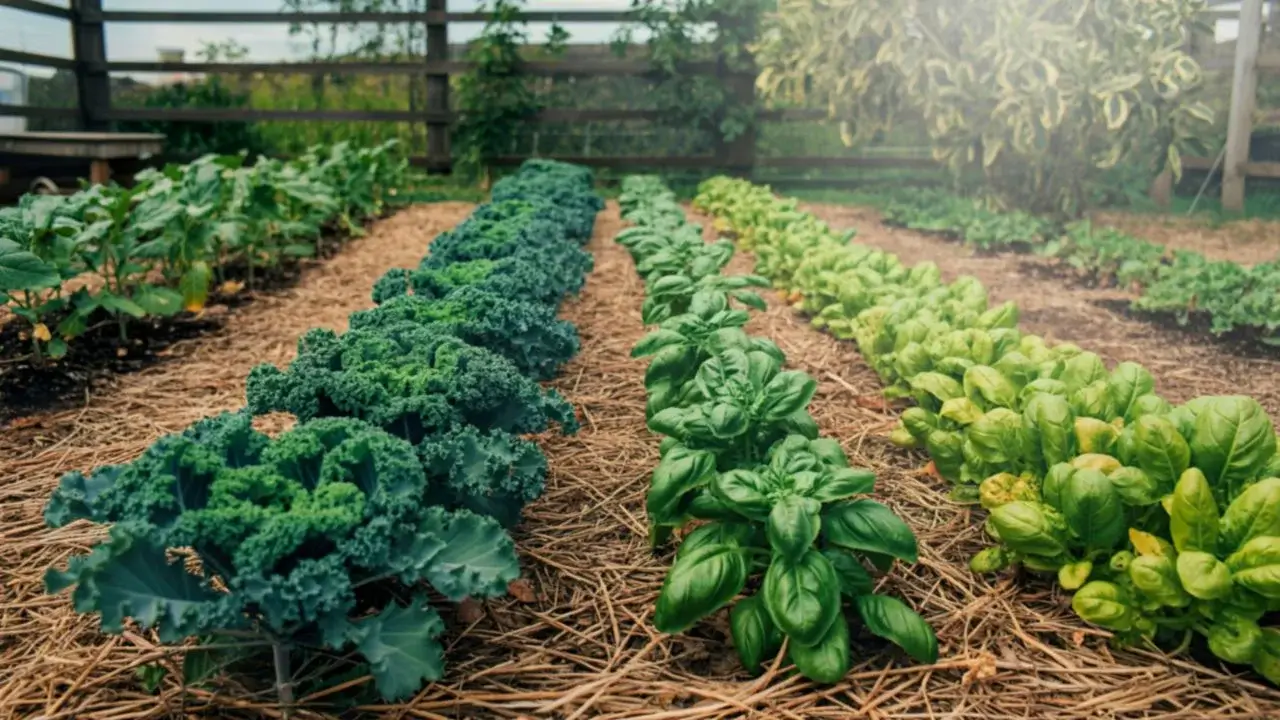
For the modern small-scale farmer, land is a finite resource, but yield potential is anything but. In an era where market volatility and climate unpredictability are the new normal, the ability to squeeze maximum productivity out of every square foot of soil has transitioned from a gardening "hack" to a critical business strategy. Enter succession sowing—a systematic approach to planting that ensures a continuous, high-quality output throughout the entire growing season, rather than a single, overwhelming harvest glut.
By staggering planting intervals, utilizing strategic intercropping, and selecting varieties with varying maturity windows, farmers can effectively "stretch" their season, stabilize their revenue streams, and improve soil health. Whether you are managing a quarter-acre market garden or a diversified small farm, succession sowing is the engine that drives year-round profitability.
The Strategic Foundation: Maximizing Yields through Timing
At its core, succession sowing is an exercise in logistical management. It requires a departure from the traditional "plant everything in May" mindset. Instead, it asks the farmer to treat the growing season as a dynamic timeline rather than a static event.

The Mathematics of Maturity
The most important metric for any succession-focused grower is the "Days to Maturity" (DTM) provided on seed packets. By understanding exactly how long a crop takes to reach harvestable size, a farmer can map out a schedule that ensures the next crop is ready just as the previous one is finishing.
However, data alone is not enough. Farmers must also account for local microclimates and the shifting intensity of the sun. As the season progresses, the speed at which a plant matures changes; crops planted in the cooler, shorter days of early spring often take longer to reach maturity than those planted in the heat of mid-summer. Mastering these variables is the difference between a farm that functions like a well-oiled machine and one that faces feast-or-famine cycles.
Chronology of Execution: A Seasonal Roadmap
Succession sowing isn’t just about planting; it is about the transition. The process generally follows a specific chronological logic:

- Preparation (Pre-Season): Review historical yield data. Identify which crops had the highest profit margins and which left empty gaps in your market stand.
- The Early Window: Begin with cold-hardy, fast-maturing crops like radishes, baby spinach, and spring onions. These set the pace for the early market.
- The Overlap: As the first harvest nears completion, the second wave of seeds must already be in the ground or ready for transplanting. This "relay" phase is the most critical for preventing soil vacancy.
- The Mid-Season Pivot: Rotate soil-heavy feeders (like brassicas) with nitrogen-fixers (like beans or peas) to ensure the soil remains fertile for subsequent successions.
- The Late-Season Extension: Utilize season-extension tools—low tunnels, frost blankets, and cold frames—to push the final succession into the late autumn months, keeping the revenue stream alive when competitors have already closed up shop.
Four Proven Methods for Implementation
While the concept is straightforward, the application can vary based on the specific needs of your farm. Here are the four primary methodologies used by successful market growers.
1. Interval Sowing (The "Same-Crop" Strategy)
This is the most common method for crops with short lifespans, such as lettuce, radishes, and cilantro. By sowing a small portion of your total acreage every 10 to 14 days, you ensure that you are always harvesting fresh product. This eliminates the "lettuce mountain" problem, where a farmer has 500 heads of lettuce ready on the same day, only to see half of them bolt before they can be sold.
2. Rotational Space Utilization (Different Crops)
When one crop finishes, the soil is immediately prepped for a completely different variety. For example, once the spring pea harvest is done, the vines are pulled and composted, and the space is immediately planted with heat-loving summer squash or cucumbers. This method requires careful record-keeping to ensure you aren’t planting members of the same botanical family in succession, which can lead to the buildup of soil-borne diseases.
3. Strategic Intercropping
Intercropping is the practice of growing two or more crops in the same space at the same time, but with different maturity dates. A classic example is planting long-season crops (like tomatoes) with short-season "space fillers" (like arugula or radishes). The fast-growing crop is harvested before the tomato plants grow large enough to shade them out. This maximizes space and provides a secondary, early-season income stream while the primary crop is still developing.
4. Varietal Diversification
Not all seeds of the same species are created equal. By selecting varieties with different "Days to Maturity" ratings—planting an "early," "mid," and "late" variety of the same crop—you can ensure a continuous harvest window for long-season crops like tomatoes, potatoes, or onions. This strategy is particularly effective for farmers who have built a brand around specific high-demand produce.
Supporting Data: Why Succession Matters for the Bottom Line
The financial implications of succession sowing are significant. According to small-farm economic studies, farmers who practice intensive succession sowing report a 30% to 50% increase in total revenue per square foot compared to single-harvest growers.

Beyond revenue, there is the matter of risk mitigation. If a pest outbreak or a localized weather event destroys a single planting, a farmer using succession sowing only loses a small percentage of their total potential harvest. The remaining successions, planted at different times or in different locations, provide a crucial safety net. This diversification is the hallmark of a resilient, sustainable farm business.
The Role of Technology and Soil Health
Modern agricultural technology is making succession sowing easier than ever. Smartphone apps that track frost dates, germination times, and soil temperatures allow farmers to create "planting calendars" that automatically adjust based on the weather.
However, technology must be paired with biological stewardship. Intensive succession sowing places a higher demand on soil nutrients. To avoid "mining" the soil, farmers must adopt rigorous cover-cropping and organic composting schedules. Using crops like fava beans or vetch between successions can replenish nitrogen, ensuring the soil remains productive year after year.
Implications for a Resilient Food System
The shift toward succession sowing has broader implications for our food system. When small farms prioritize consistent, diverse yields over large, singular harvests, they become more integrated into their local communities. They can supply farm-to-table restaurants and local markets with a steady flow of fresh ingredients, rather than flooding the market with seasonal gluts that often lead to food waste.
Furthermore, this method encourages biodiversity. By growing a wider array of crops and varieties throughout the year, farmers are naturally managing pests and diseases, reducing the need for synthetic inputs. It is an approach that moves away from the industrial monoculture model and toward a decentralized, regenerative future.
Conclusion
Succession sowing is more than just a technique; it is a mindset shift that views the farm as a continuous, living cycle. It demands planning, patience, and a willingness to learn from the soil. For the small farmer, it represents the most effective path to stability and success. By mastering the art of the relay, you aren’t just growing more food—you are building a more resilient, profitable, and sustainable agricultural enterprise that can thrive in any season.

As you prepare for the upcoming growing cycle, start small. Select one quick-maturing crop, map out a three-part succession, and watch how those small changes ripple out into a more abundant, balanced, and lucrative harvest.


 Evan Lee Salim

 Asep Darmawan






