 Iffa Jayyana
Introduction: The Normalization of the Unthinkable
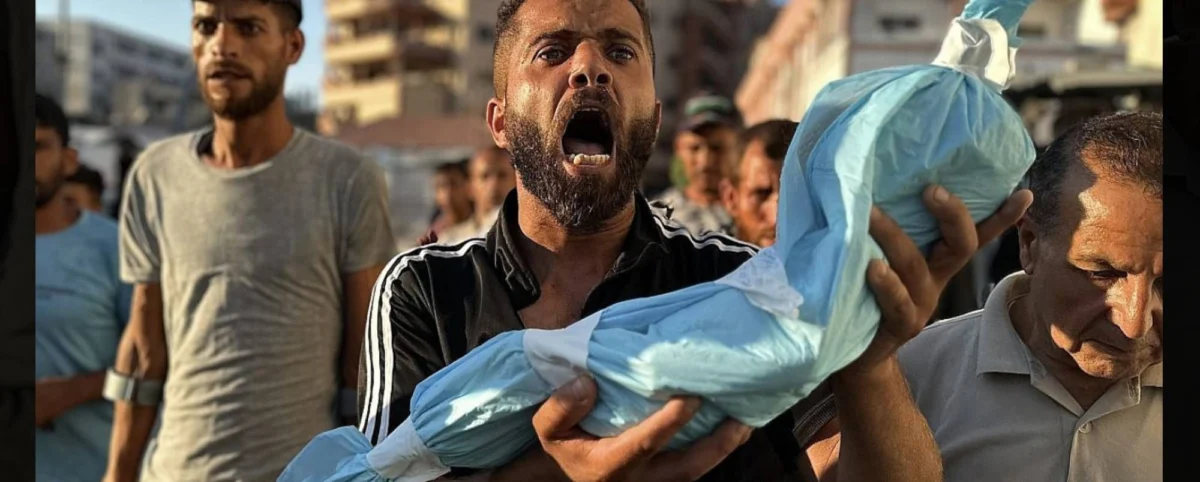
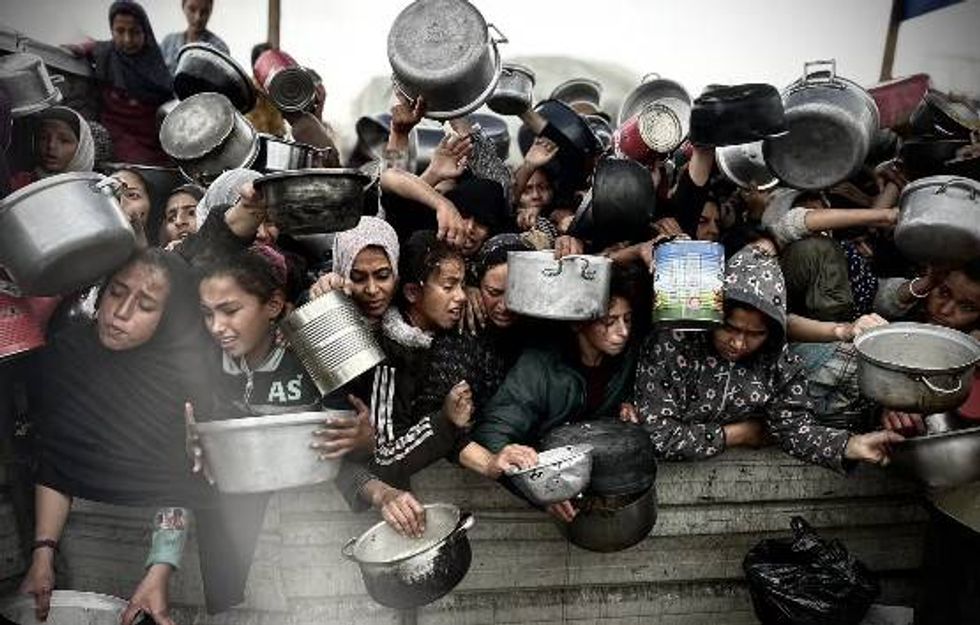
The third anniversary of the October 7 Hamas attack and the subsequent, U.S.-funded military campaign in Gaza marks a somber inflection point in modern history. We have entered a dark epoch where, as observers note, "the unthinkable has become banal." The landscape of the Gaza Strip, once a vibrant, densely populated enclave, has been transformed into a sprawling theater of ruin. For the thousands of traumatized Palestinian children—homeless, unschooled, and bereft of the most basic elements of childhood—the only answers provided by the international community have been tents, hunger, and an unending expanse of rubble.
As the conflict stretches into its fourth year, the moral imperative to mourn every single life remains unfulfilled. The task ahead is not merely one of humanitarian aid, but of a profound, necessary reckoning with the cost of complicity and the erosion of the international legal order.
Chronology: A Ceasefire in Name Only
Precisely one year into what more than 100 human rights organizations have termed a "ceasefire in name only," the situation on the ground remains dire. The term "ceasefire" has been stripped of its meaning, serving as a hollow diplomatic placeholder while the structural components of ethnic cleansing continue unabated.
- October 7, 2023: The Hamas-led attack on southern Israel serves as the ignition point for a war that has fundamentally altered the Middle East.
- The Three-Year Toll: Over the past 36 months, Israeli military strikes have resulted in the deaths of at least 74,254 Palestinians, with health officials estimating that tens of thousands more remain unaccounted for, buried beneath an estimated 61 million tons of debris.
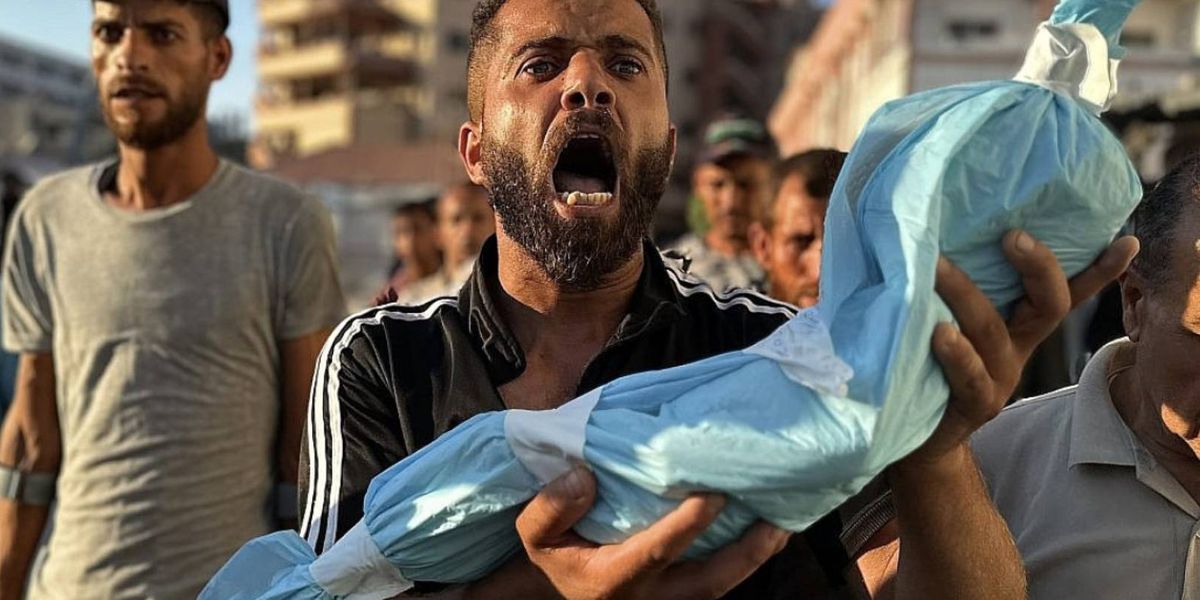
- The Humanitarian Collapse: Over 21,500 children have been killed, and 175,000 individuals wounded. Statistically, more than one in ten of Gaza’s pre-war population has been killed or maimed.
- Ongoing Attrition: Since the announcement of a "ceasefire" on October 10 of last year, at least 1,470 additional Palestinians have been killed, with the average daily loss of life among children continuing at a harrowing rate.
Supporting Data: The Anatomy of a Scholasticide
The destruction of Gaza is not merely physical; it is existential. The United Nations and various international observers have documented a process of "scholasticide"—the systematic destruction of the educational infrastructure. With 95% of schools destroyed or repurposed as shelters for the 1.9 million displaced persons, an entire generation of 700,000 students has been effectively abandoned.
The statistics are grim:
- Educational Loss: Over 20,000 students and 1,000 teachers have been killed.
- Survival Tactics: Books and school furniture are frequently burned for fuel in a desperate attempt to cook or keep warm.
- The Psychological Toll: Children as young as six express confusion when viewing images of houses or furniture, having known only the confines of tents and the auditory landscape of constant shelling.
In the West Bank, the situation is similarly deteriorating. New Israeli security gates have turned villages into isolated cages, while the expansion of settler activity has led to the systematic theft of land, livestock, and olive groves that have sustained Palestinian families for generations.
The Mediated Obscene: Documenting the Unspeakable
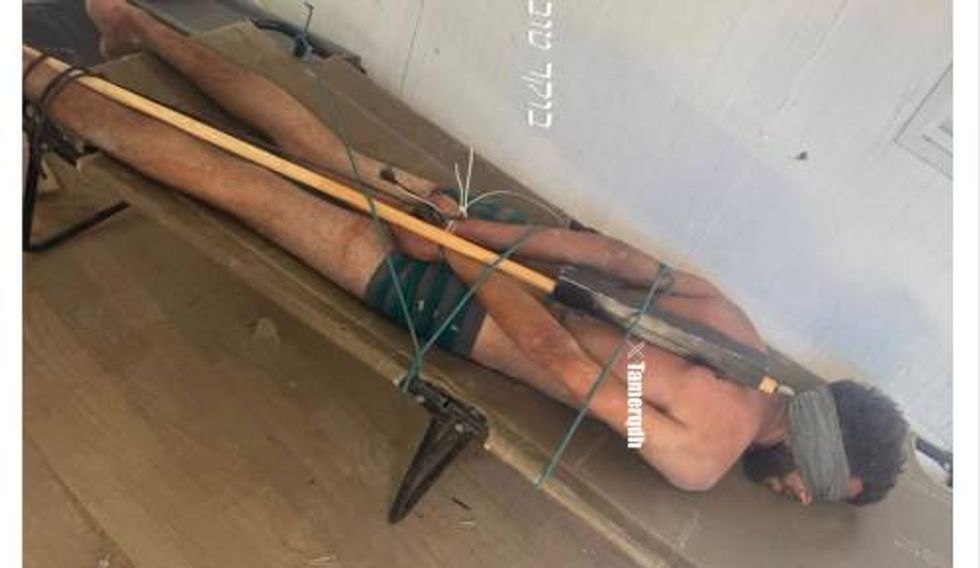
The truth of the conflict is slowly permeating the American consciousness, despite systemic attempts at obfuscation. The recent premiere of NAZA, a documentary produced by The Guardian and directed by Israeli filmmakers, offers a piercing look into the mechanics of mass killing. The film features testimony from 24 Israeli soldiers who provide a chilling, firsthand account of the "system of mass killings," in which the threshold for "legitimate targets" was expanded to include civilians.
Critics have identified this as a continuation of the "shooting and crying" phenomenon—a psychological defense mechanism where soldiers perform a superficial moral reckoning with state violence while simultaneously rationalizing it. This cycle is what many define as an "addiction to the mediated obscene," where the viewing of trauma is consumed as a spectacle rather than a call to action.
Official Responses and Political Polarization
The political landscape in the United States and abroad remains deeply polarized. New York official Zohran Mamdani has faced intense scrutiny from both sides of the aisle for his advocacy of a universalist approach to human rights. By simultaneously condemning Hamas’s war crimes and Israel’s ongoing genocide in Gaza, Mamdani has been branded both a "traitor" and an "anti-Semite" by opposing factions.
Mamdani’s response reflects a broader, perhaps more difficult, political truth: "We need not choose between which death we will mourn and which we will ignore. We must reckon with the fact that all of it is to be opposed." This stance represents a minority view in halls of power that remain heavily invested—financially and ideologically—in the status quo of the conflict.
Implications: The Search for Justice
There are, however, glimmers of hope regarding the international pursuit of accountability. The awarding of the 2026 Nobel Peace Prize to Navi Pillay, the 85-year-old South African jurist and former UN human rights chief, is a testament to the endurance of international law. Pillay has spent her career challenging the structures of apartheid and state-sponsored violence. Her response to the award—"Why would you need courage to speak the truth?"—underscores the simple but radical nature of calling a genocide by its name.
Joining this chorus of dissent is the Palestinian poet Mosab Abu Toha. His work, including a recent open letter to the U.S. President, bridges the gap between the clinical statistics of war and the visceral reality of human experience. Abu Toha’s writing highlights the disparity between the "deafening" sound of military hardware and the much quieter, yet more enduring, sound of a mother’s grief or a child’s plea for survival.
The Auditory Reality of War
Abu Toha’s prose serves as a reminder of what is being lost:
"Do you know what’s louder than the screech and the blast? The voice of a mother in Jabalia Camp, begging me… to search for the bodies of her husband and children under the rubble."
As the world watches, the ultimate question remains whether the machinery of international justice can catch up to the scale of the destruction. Abu Toha concludes that while the sounds of war are currently the loudest thing on earth, they will eventually be eclipsed by the sound of a gavel in a court of justice.
Conclusion
Three years into this conflict, the international community finds itself at a crossroads. The "banality of the unthinkable" has allowed for the slow erosion of moral, legal, and humanitarian standards. Whether the world chooses to continue down this path of normalization or pivots toward a rigorous application of international law and universal human rights will define the remainder of the century. The evidence is no longer hidden; it is documented, archived, and screaming for a response that goes beyond performative gestures. The task is to move from the spectacle of the obscene to the reality of accountability.


 Laily UPN
 Rifan Muazin