

 Ali Ikhwan
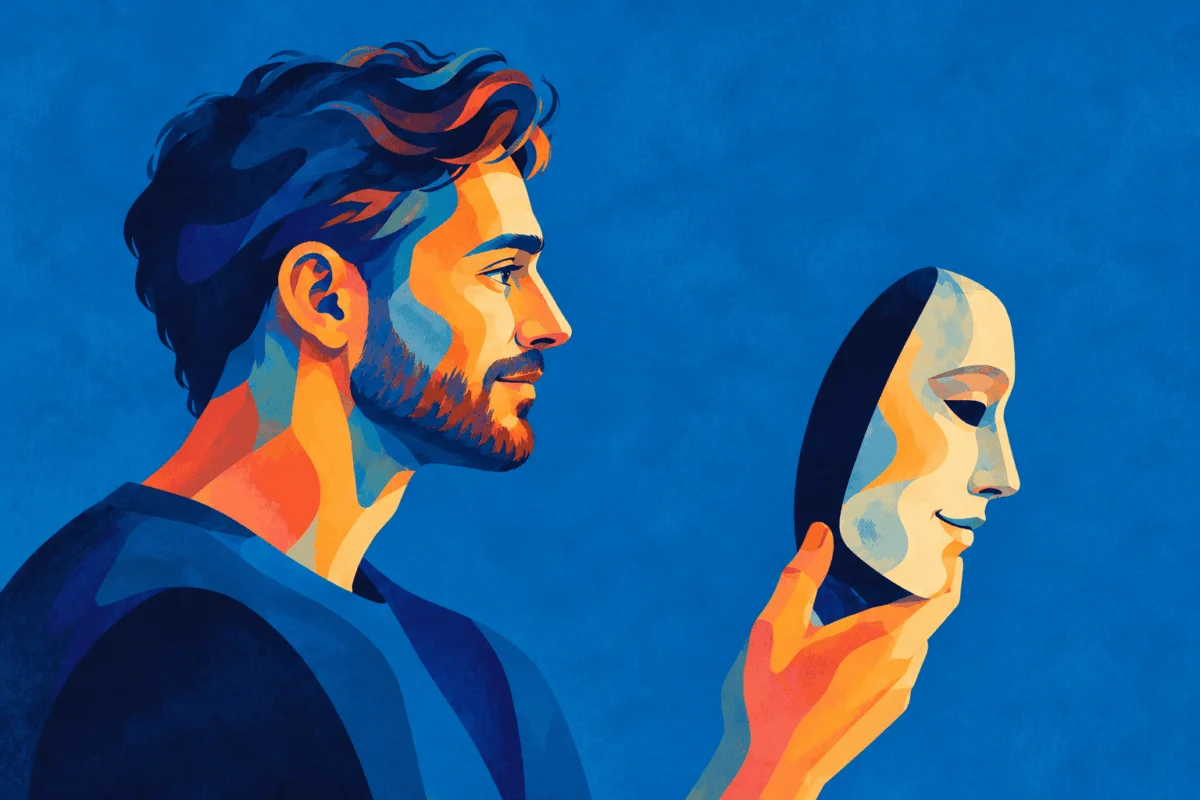
For the better part of his life, Jimmy Clare held a position that never appeared on his resume, required no specific degree, and offered no salary. Yet, it was the most demanding, all-consuming, and exhausting role he had ever occupied: the role of the "normal" person.
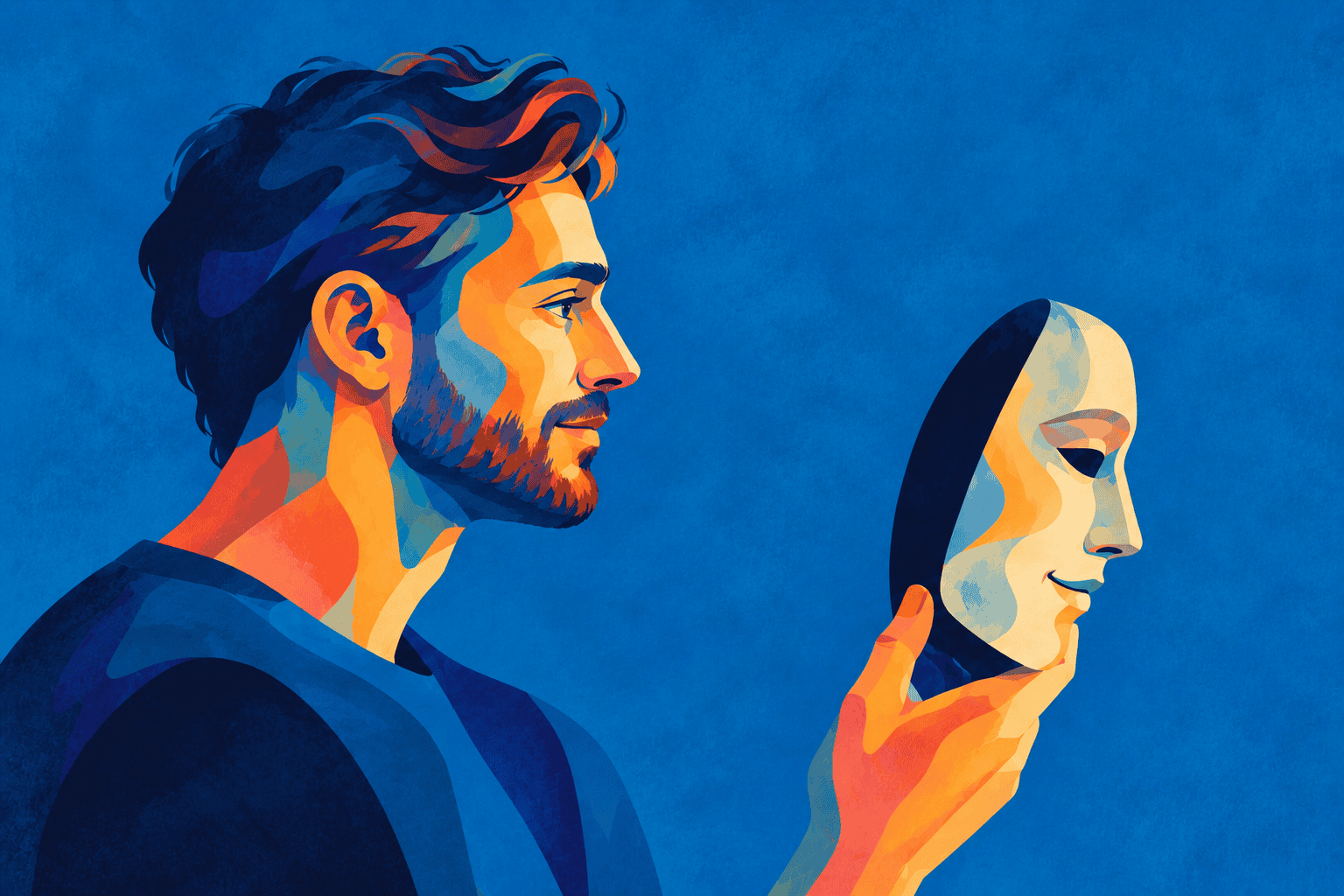
Clare, a prominent autistic writer and speaker, describes this experience as "masking"—a psychological defense mechanism used by many neurodivergent individuals to navigate a world built for neurotypical cognitive patterns. By suppressing natural behaviors and mimicking social cues, many autistic people attempt to mitigate the stigma of being "different." However, as Clare and a growing body of research suggest, this performance comes with a catastrophic cost to mental and physical health.
The Chronology of a Performative Life
For the neurodivergent individual, the impulse to mask often begins in childhood, frequently as a survival strategy against bullying or social exclusion. For Clare, the realization that he was "different" arrived early, often signaled by the cruel curiosity of peers who viewed his behavior through the lens of a "science experiment."
Childhood: The Era of Observation
The early years were defined by intense, analytical observation. To navigate the playground, Clare treated social interaction as a rigorous academic subject. He meticulously studied the kinetics of groups: how people stood, the exact timing of their laughter, and the precise duration of eye contact. He memorized scripts for jokes and practiced facial expressions in front of a mirror, treating social fluency as a series of traffic laws—do not interrupt, ask specific questions, and, most importantly, suppress personal interests.
Adolescence and Adulthood: The High-Stakes Performance
As he entered adulthood, the stakes of the performance grew. Masking evolved from a way to avoid playground ridicule into a mechanism to ensure professional and social functionality. Clare notes that he became exceptionally skilled at the "performance," so much so that he could pass for neurotypical in most environments. He would navigate small talk, nod at the correct intervals, and mirror the emotional cadence of those around him. The cost, however, was a profound, bone-deep exhaustion—a state of being that felt like running a marathon he had never signed up for.
The Inevitable Burnout
The crisis arrived not with a singular, explosive event, but through a slow, systemic erosion of his internal resources. The burnout manifested as a creeping dread of previously enjoyable activities, the abandonment of social obligations, and a total collapse of energy. The irony of his situation was that his "functionality"—the very thing that allowed him to blend in—kept him trapped. Because he appeared "fine" to the outside world, the internal, mounting crisis remained invisible, both to his peers and, for a time, to himself.
Supporting Data: The Psychology of Masking
The experience described by Clare aligns with a growing consensus among psychologists regarding "Camouflaging" or "Masking" in autism. Research indicates that masking is not merely a social inconvenience; it is a significant contributor to the high rates of anxiety, depression, and suicidal ideation within the autistic community.
The Cognitive Load of Camouflage
When a neurodivergent person suppresses their natural inclination to stim (self-stimulatory behavior like rocking or hand-fidgeting) or forces themselves to maintain intense eye contact, they consume a massive amount of cognitive energy. This leaves less "bandwidth" for executive function, emotional regulation, and stress management.
The Correlation with Burnout
A study published in Autism in Adulthood highlights that autistic burnout is often a direct result of chronic stress and the cumulative effort of masking. When the energy required to "pass" exceeds the individual’s capacity to recover, the result is a state of physical and mental exhaustion that can last for months or even years.
The Turning Point: A Paradigm Shift
The shift toward authenticity for Clare was not a sudden epiphany, but a gradual process of self-permission. It began with small, symbolic acts of defiance:
- Abandoning Forced Eye Contact: Recognizing that eye contact was a sensory stressor, not a requirement for connection.
- Refusing Performative Laughter: Allowing himself the freedom to remain silent when a joke failed to land.
- Validating Stimming: Allowing his body the natural outlets for nervous energy that he had previously suppressed out of shame.
- Normalizing Needs: Ceasing the practice of apologizing for the need for silence or solitude.
This process required a recalibration of what constitutes a "good" life. Clare discovered that by dropping the mask, he did not alienate the world; he merely filtered out those connections that were built upon a false premise.
Official Perspectives and Professional Advocacy
Jimmy Clare, recognized as the "Speaker of the Year 2026," has pivoted his career to advocate for a broader societal understanding of neurodiversity. His work through his platform, CrazyFitnessGuy, underscores that the goal of therapy and personal growth should not be "normalization," but rather the creation of an environment where neurodivergent individuals can exist without the constant requirement to perform.
Medical professionals are increasingly moving toward the "Social Model of Disability." This framework posits that disability is not caused by an individual’s impairment, but by a society that fails to accommodate the needs of all people. In this context, the "problem" is not the autistic brain; the problem is an environment that mandates eye contact, constant small talk, and high-sensory stimulation as the only acceptable ways of being.
The Implications of Authenticity
The implications of dropping the mask are profound, both for the individual and for the broader social fabric.
Internal Benefits: The Reclamation of Self
For the individual, the primary benefit of unmasking is the recovery of cognitive and emotional energy. When the "second full-time job" of pretending is terminated, that energy can be redirected toward genuine interests, rest, and authentic relationship building. The "smallness" of a life lived authentically is often far richer than the "bigness" of a life lived through a curated facade.
Social Implications: Redefining "Connection"
Clare’s experience suggests that people can intuitively sense when they are interacting with a mask. When the performance stops, the quality of relationships often improves. The people who remain are those who appreciate the person behind the mask—the individual who is "awkwardly, genuinely themselves." Authenticity, it turns out, is the strongest catalyst for genuine connection.
A Call for Environmental Change
For society at large, the message is clear: we must stop framing "different" as "broken." Whether in the workplace or the classroom, environments that force neurodivergent individuals to mask are inherently exclusionary. By normalizing the need for quiet, allowing for diverse social styles, and removing the stigma around self-regulation, society can benefit from the unique perspectives of the neurodivergent community without demanding they pay for their inclusion with their mental health.
Conclusion: Normal Was Never the Goal
Jimmy Clare’s journey serves as a powerful testament to the necessity of self-acceptance. He emphasizes that the mask, while perceived as a tool for protection, is actually a cage. It may keep an individual "safe" from immediate rejection, but it simultaneously keeps them isolated from the relief of being a human being rather than a performance piece.
For those currently exhausted by their own versions of the "normal" performance, the advice is simple: start small. Allow one unguarded truth to exist in one safe space. Observe the relief that follows. The realization that "normal" was an obstacle rather than an objective is not a failure—it is a liberation. By stopping the performance, the individual does not disappear; rather, they finally begin the process of discovering who they have been all along.


 Reynand Wu

 Pevita Pearce




