


 Neng Nana
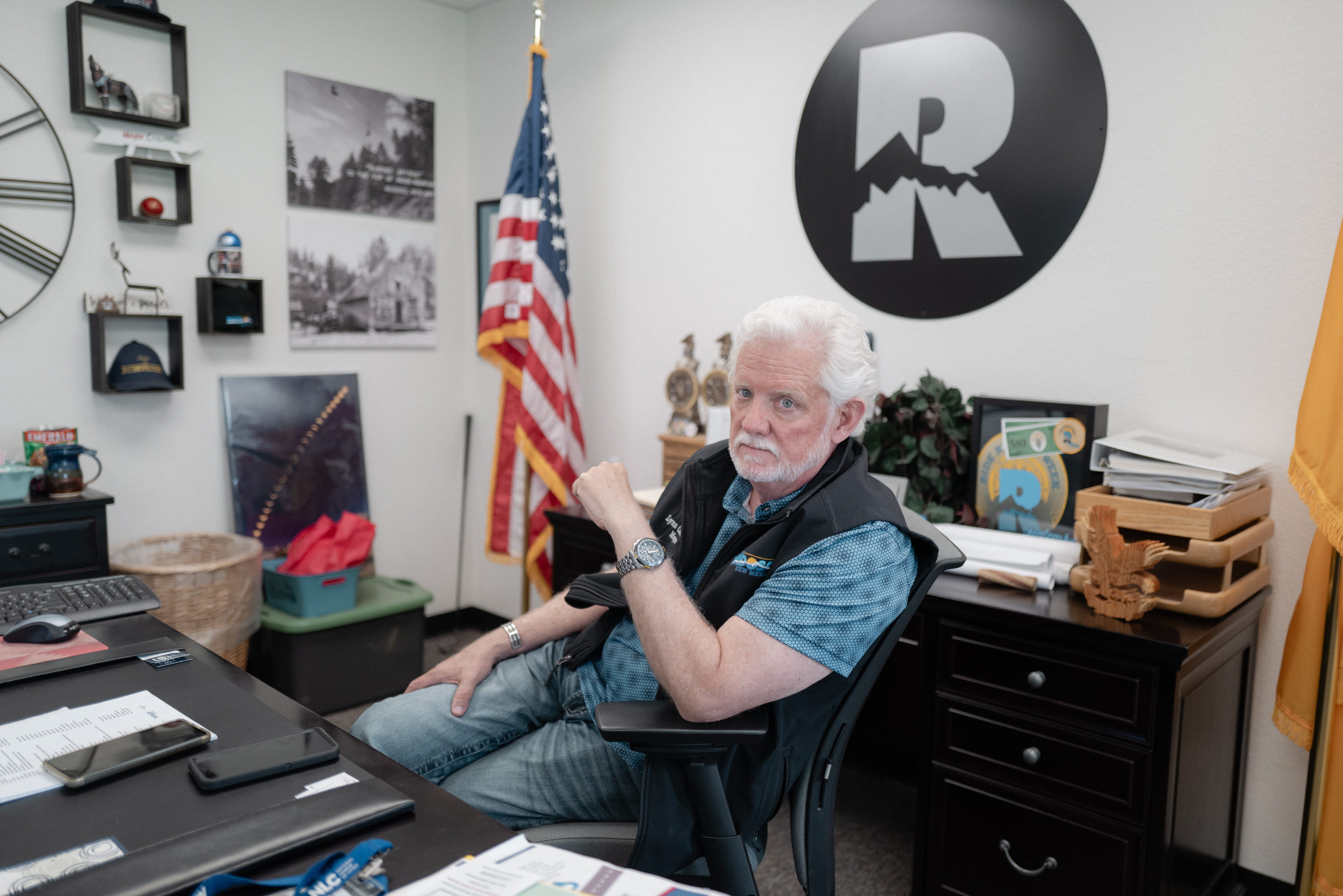
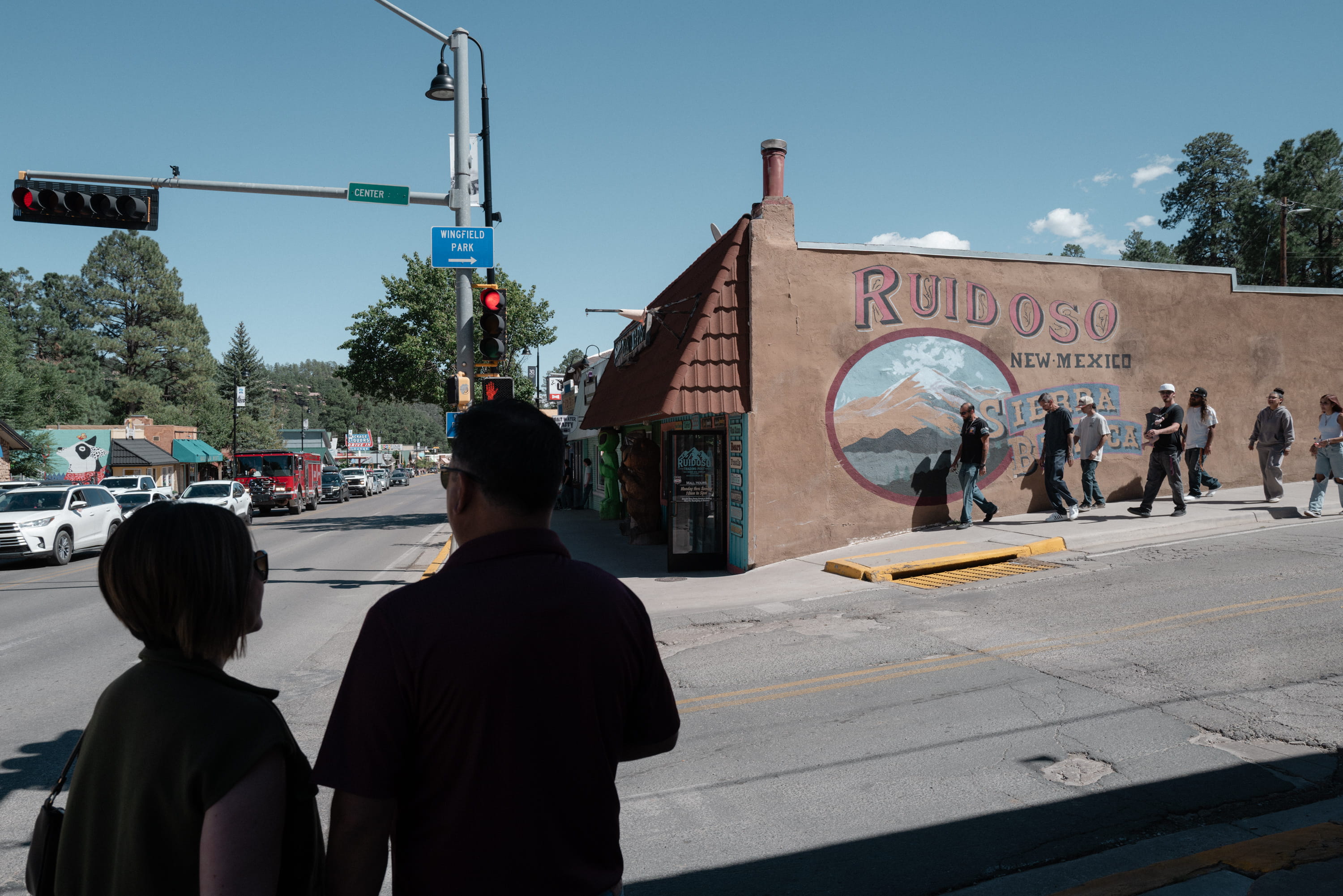
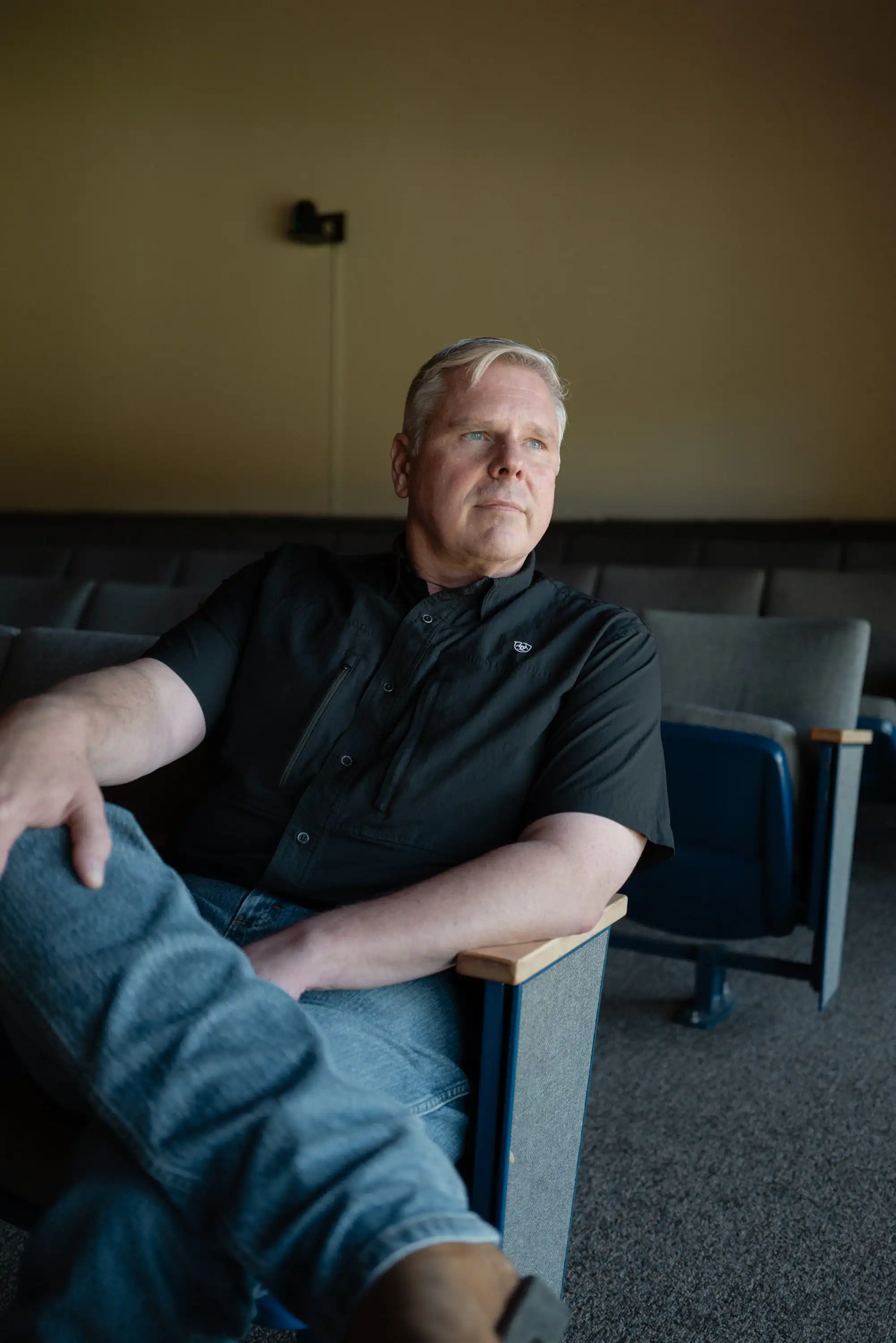
On the morning of June 30, 2025, Mayor Lynn Crawford took to the airwaves in Ruidoso, New Mexico, to deliver a message of confidence. Peak tourist season had arrived in the mountain village, and the local economy—built on horse racing, cool mountain air, and Texas tourism—depended on the perception of safety. Crawford, a Republican with a distinct Texas drawl, expressed frustration with residents who were using social media to warn of impending flood risks.
“They spout stuff off,” Crawford said during his radio address. “And I don’t know why they’re so afraid. I do not understand it.”
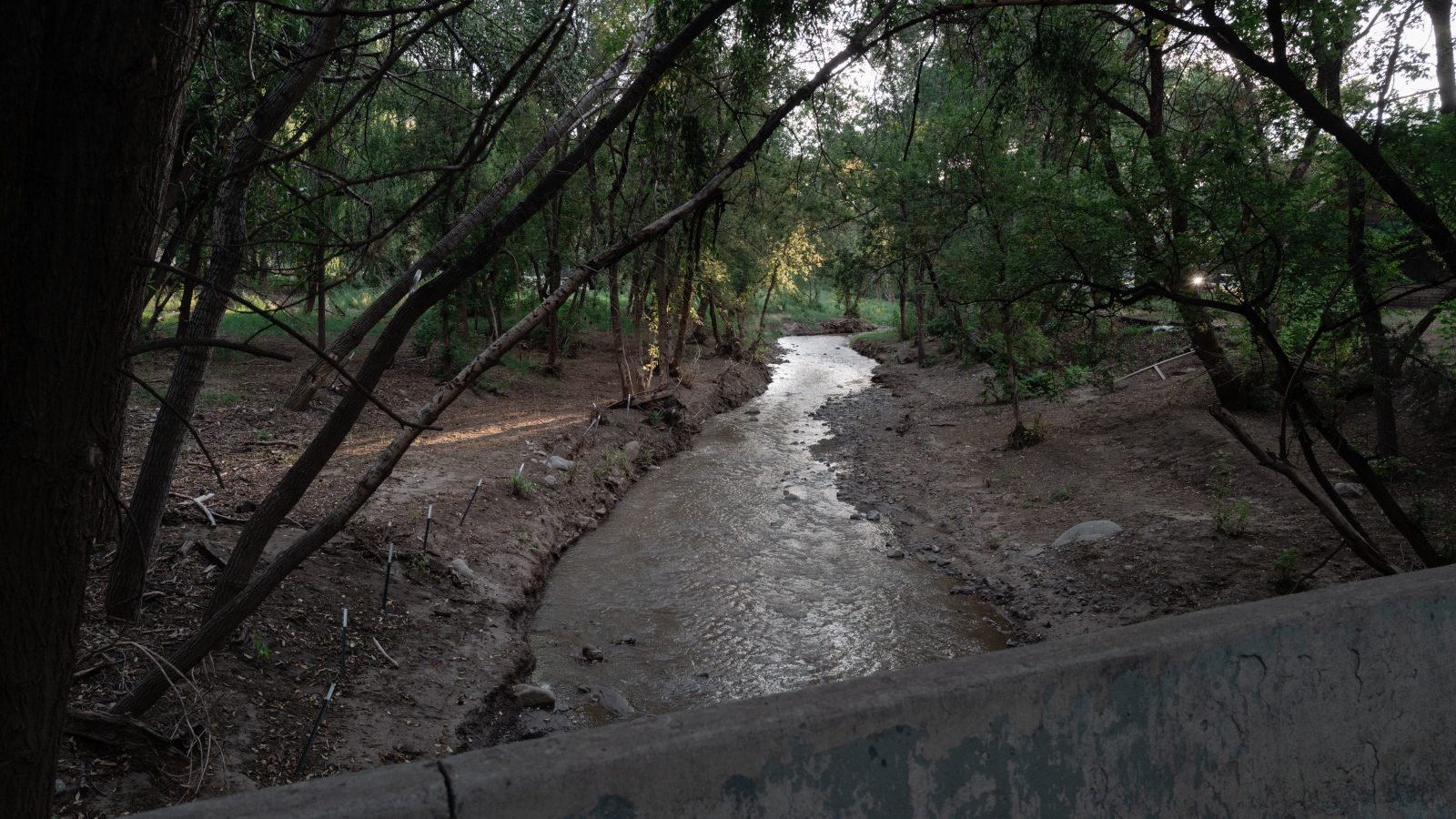
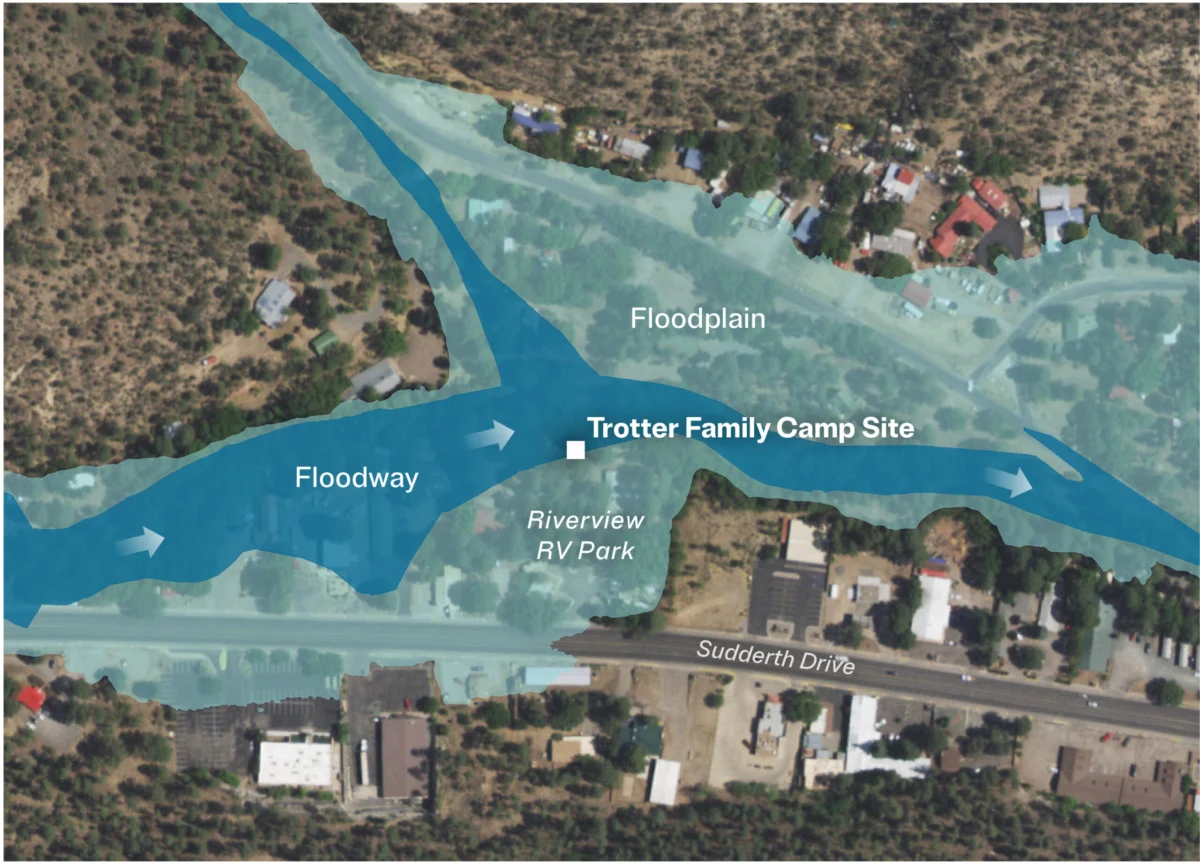
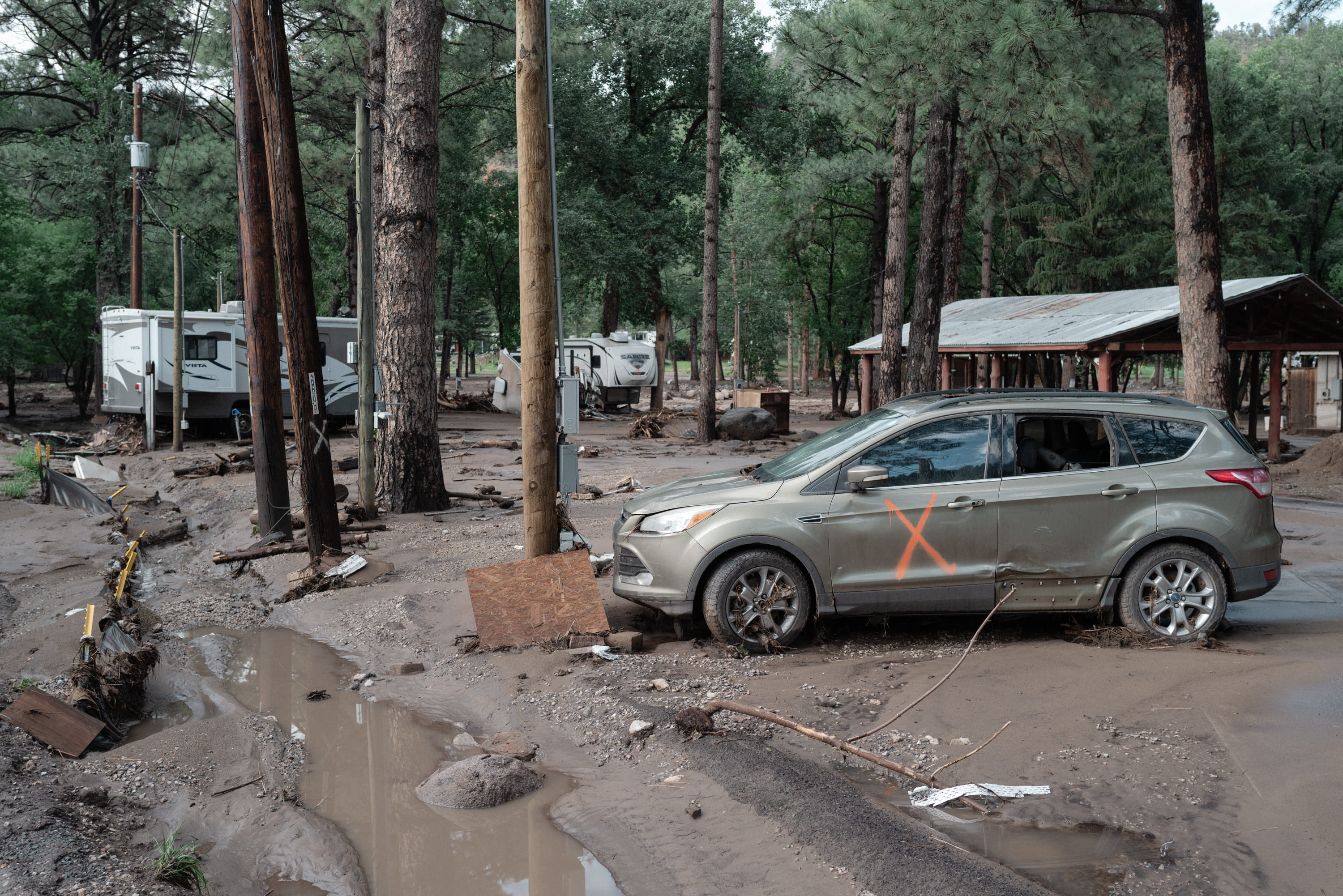
Just eight days later, a wall of water described by survivors as "liquid cement" tore through the village, claiming the lives of three people, including seven-year-old Sebastian Rowan Trotter and four-year-old Charlotte Trotter. An investigation into the disaster reveals that the tragedy was not merely an "act of God," but the predictable result of a leadership culture that prioritized economic optics over hydrological reality. In Ruidoso, the drive to "build back better" and maintain the status of the local racetrack came at a fatal cost.
The Science of the Scar: A Landscape Primed for Disaster
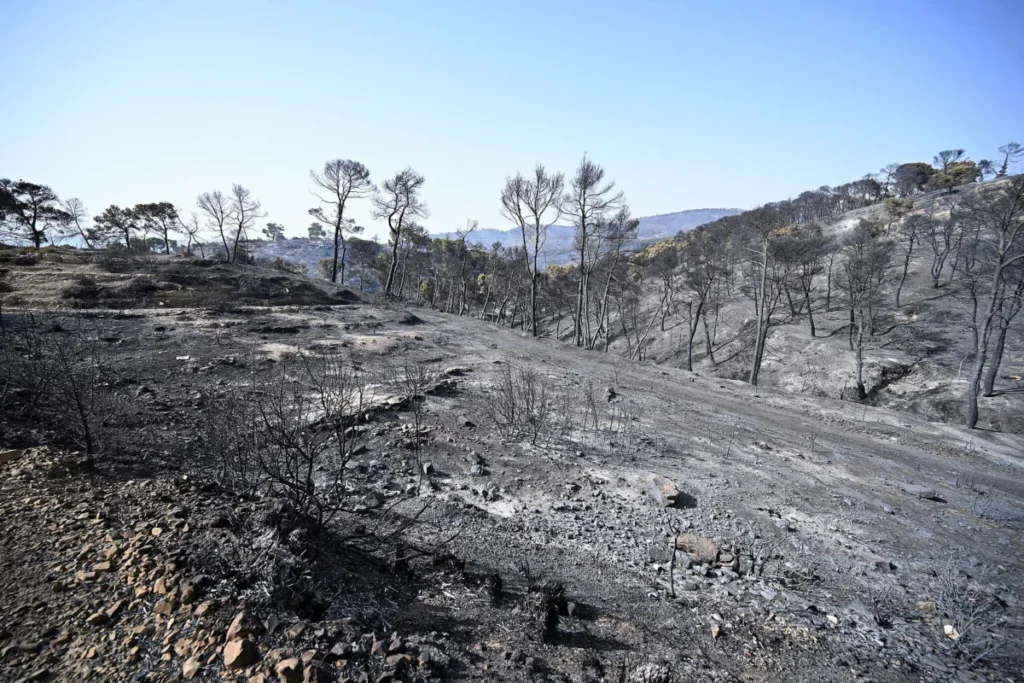
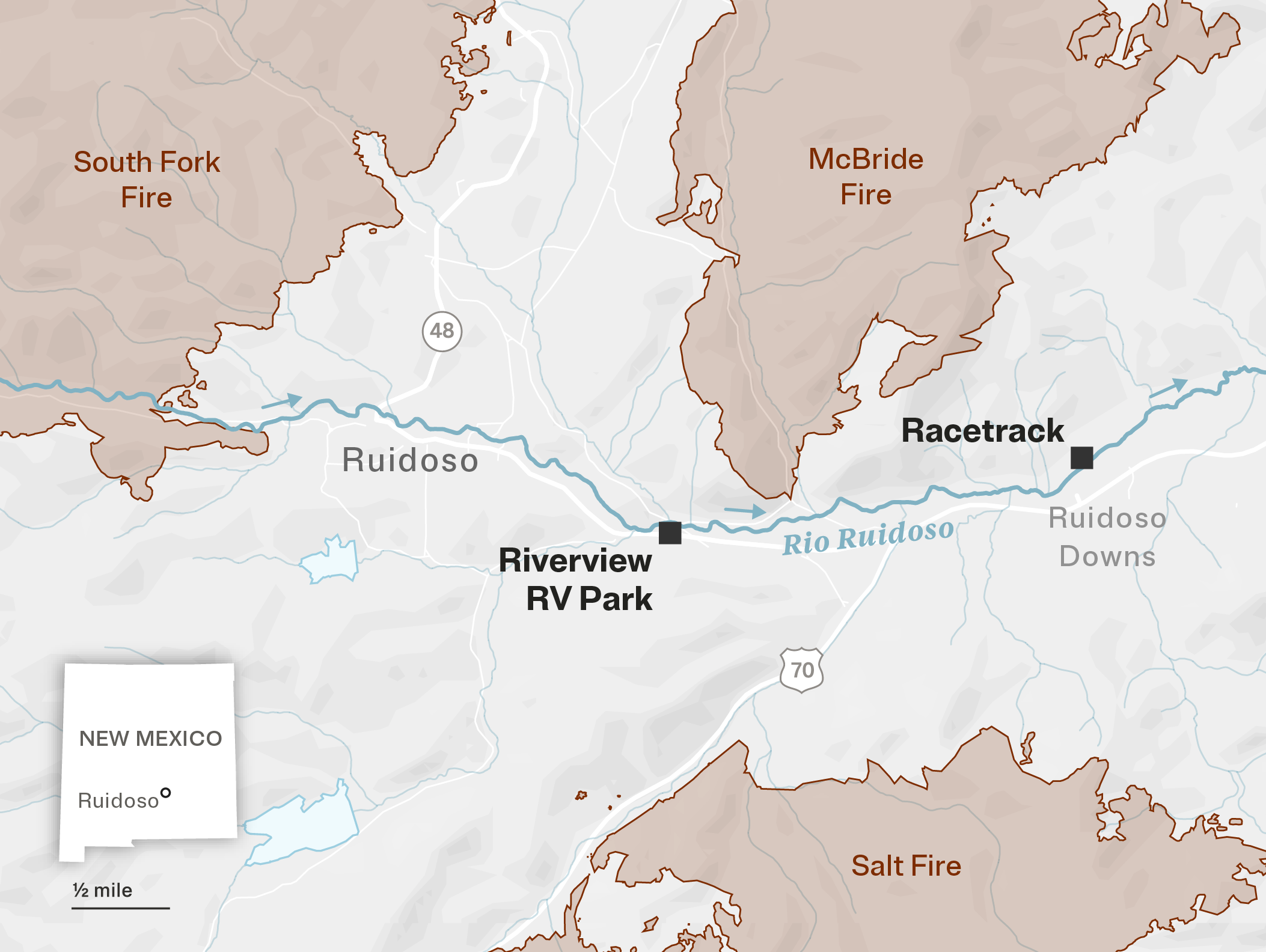
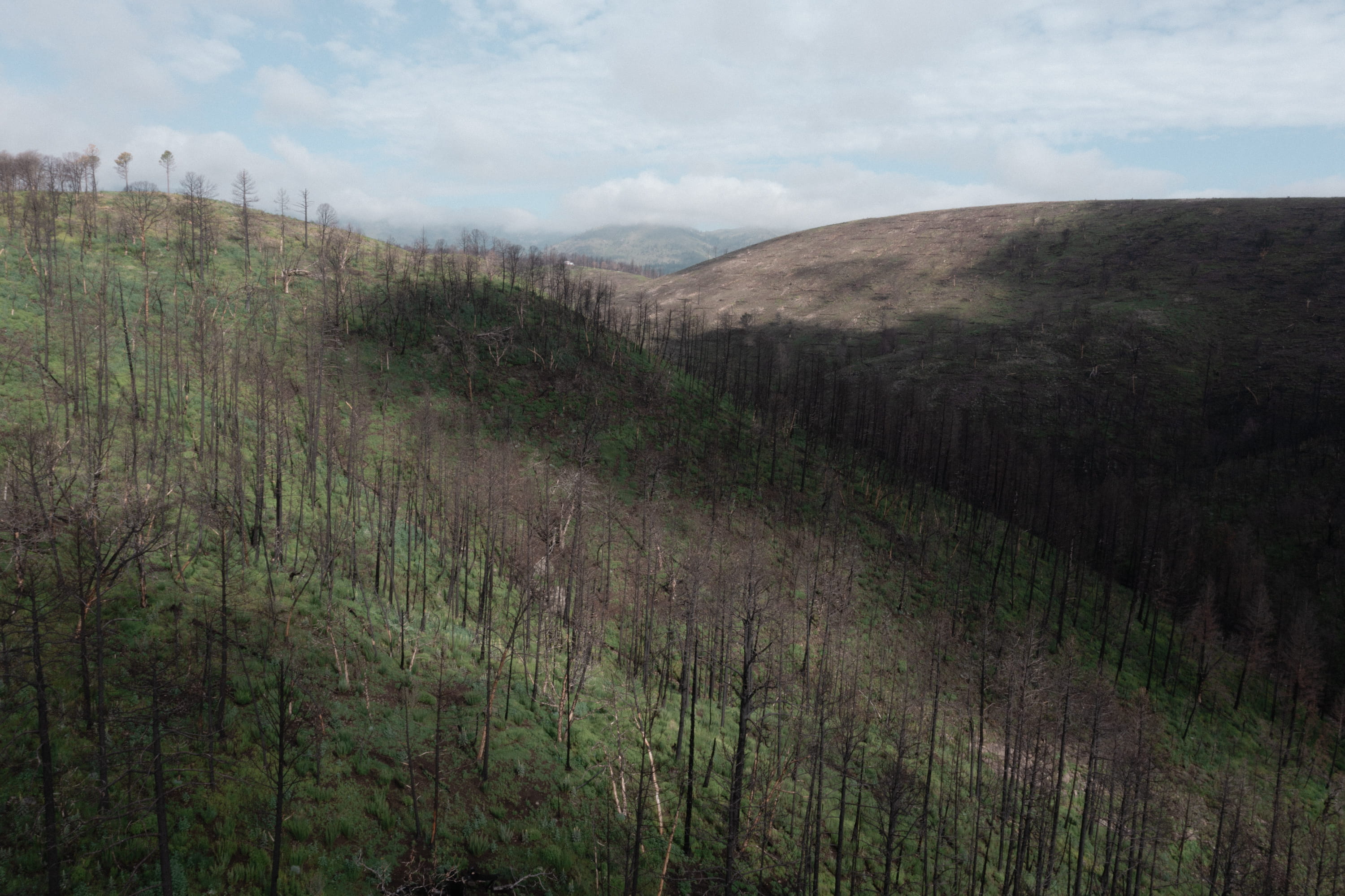
The geography of Ruidoso had become a ticking time bomb long before the 2025 monsoon season. In 2024, the South Fork and Salt fires charred 25,000 acres in the Sacramento Mountains directly above the town. These high-intensity blazes did more than just kill trees; they fundamentally altered the chemistry of the soil.
Scientists call this phenomenon "hydrophobicity." When a wildfire burns hot enough, it creates a waxy layer on the soil surface that repels water. To residents, the analogy was simpler: it was like spilling hot wax on a carpet and then pouring water over it. Instead of soaking into the ground, rain hitting the steep, charred slopes of the Sacramento Mountains would immediately sheet off, gathering speed and debris—logs, boulders, and sediment—as it funneled into the Rio Ruidoso.
Research indicates that if more than 20 percent of a watershed burns at moderate to high severity, the risk of catastrophic debris flows skyrockets. The fires above Ruidoso far exceeded this threshold. Despite this, the village’s animating philosophy remained unchanged: nature could be subdued for profit.
A Chronology of Warnings and Denials
The weeks leading up to the July 8 flood were marked by a series of missed opportunities and public relations maneuvers designed to downplay the threat.
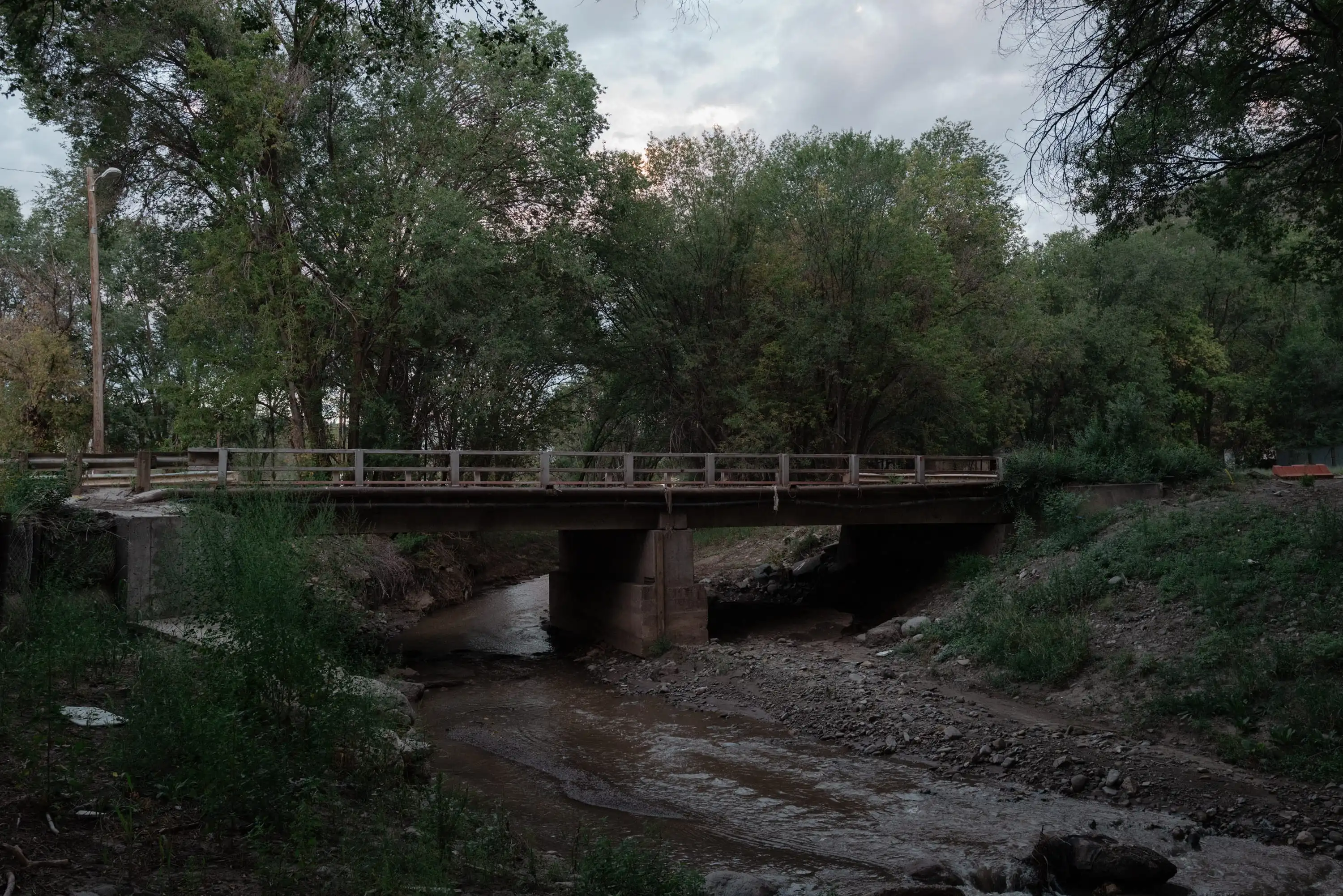
Late June 2025: Internal records from Ruidoso’s emergency management department showed a "heightened threat awareness level." Flooding had already destroyed an upstream bridge. However, the village’s communications department publicly chided residents for sharing warnings, labeling them "fear-based falsehoods."
July 4, 2025: While violent flooding killed 130 people in neighboring Texas, Ruidoso officials continued to promote the village as a safe haven. Tourists, including the Trotter family from El Paso, arrived with no knowledge of the specific danger posed by the burn scars.
July 6, 2025: The Rio Ruidoso briefly flooded, requiring four rescues. Despite this, the campground host at the Riverview RV Park told guests that such rises were a regular, harmless occurrence.
July 8, 2025 (1:00 PM): Mayor Crawford presided over a council meeting, acknowledging the Texas tragedy while noting how "fortunate" Ruidoso had been. He explicitly stated that the village’s goal was to "balance public safety with tourism."
July 8, 2025 (2:12 PM): The National Weather Service issued a flash flood warning as heavy rain began to fall on the burn scars. Within 35 minutes, the warning was upgraded to an emergency.
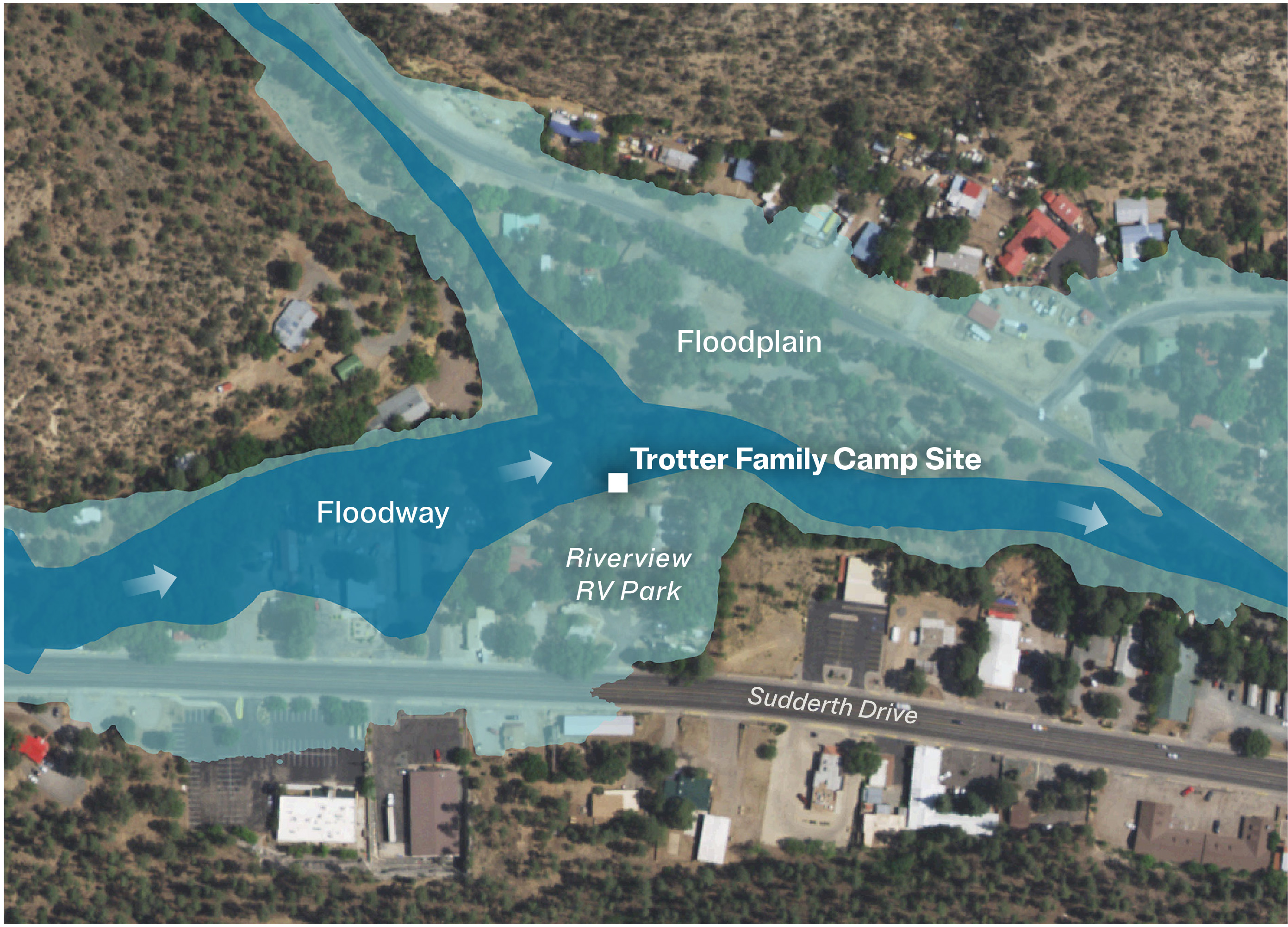
July 8, 2025 (3:10 PM): Crawford adjourned the council meeting, announcing that "the big one" was arriving. Minutes later, he called the general manager of the Ruidoso Downs Race Track to provide a 45-minute warning for horse grooms to evacuate. No such personalized warning was delivered to the campers at the Riverview RV Park, less than three miles away.
Supporting Data: Prioritizing Private Interests
The investigation into the village’s response reveals a stark disparity in where resources and attention were directed. Following the initial 2024 floods, the state of New Mexico, under Democratic Governor Michelle Lujan Grisham, authorized a $16 million public investment to repair the Ruidoso Downs Race Track & Casino.
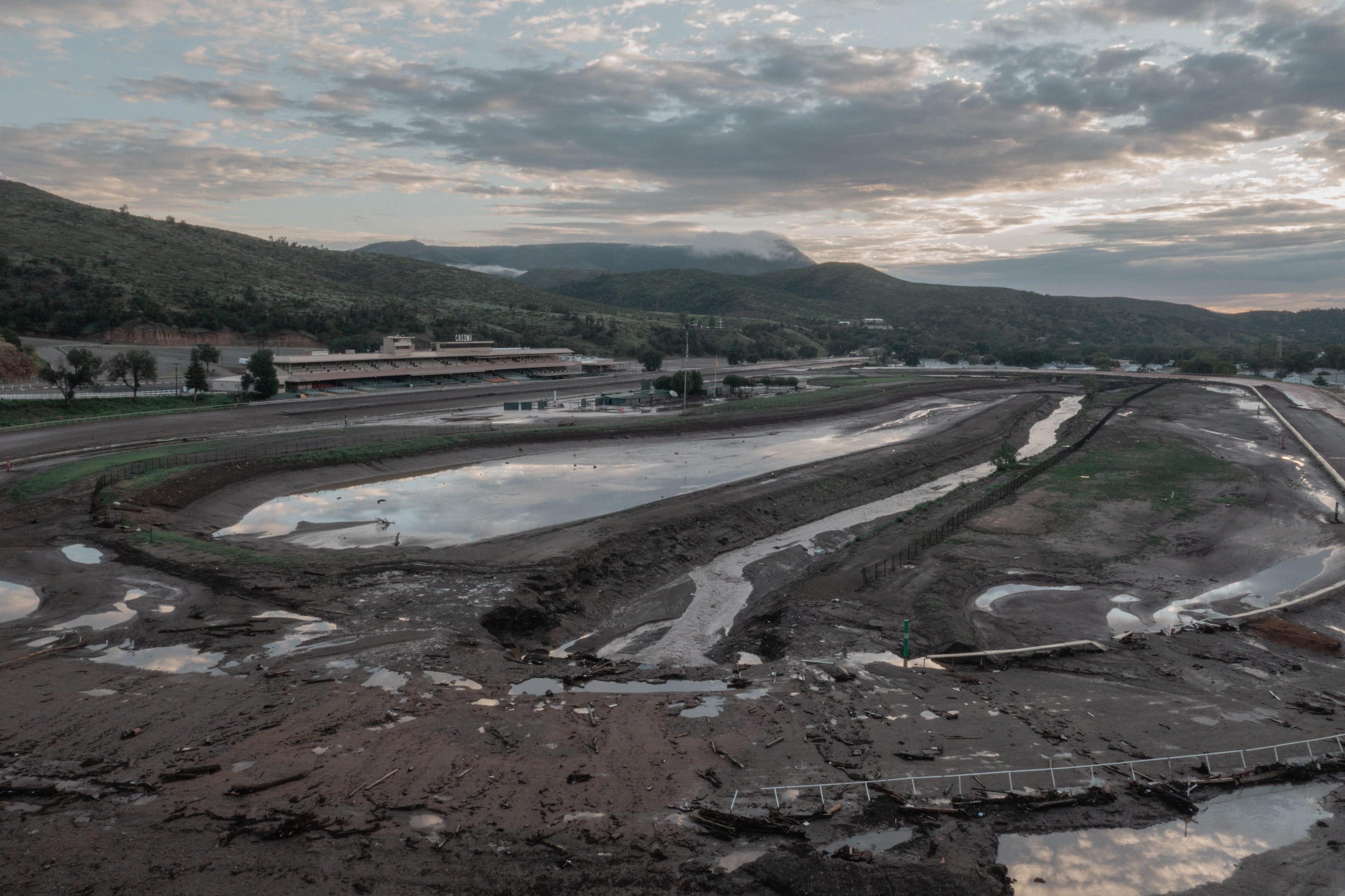
The track is the village’s economic engine, home to the world’s richest quarter horse race. However, the track’s infield is crossed by the Rio Ruidoso via culverts. While crews worked around the clock to rebuild these culverts and excavate a massive holding pond in the infield, critical public infrastructure went ignored.
Upstream bridges and culverts—identified by engineers as potential "dams" that would catch debris and then catastrophically fail—were left unrepaired as state and local officials bickered over funding. The work at the racetrack was completed by Memorial Day; the public bridge repairs were not.
Furthermore, a report commissioned by the village from the engineering firm Cobb, Fendley & Associates had identified more than 200 addresses at extreme risk, including the Riverview RV Park. The firm predicted that a "100-year storm" would produce six times the volume of the 2024 floods. The July 8 disaster was only a "50-year event," meaning it carried only half the volume of what engineers had warned was possible. Yet, the village never explicitly warned property owners or tourists that their lives were at risk.
Official Responses: "I Didn’t Start the Fire"
In the aftermath of the tragedy, village and state officials have largely closed ranks, insisting that their performance was admirable in the face of a historic disaster.
Mayor Crawford, who also managed an exclusive club at the racetrack, has been defensive. When asked about accountability, he told reporters, “Who’s to blame? I didn’t start the fire.” His administration has emphasized that emergency alerts were sent out via a text-message system, though they acknowledge that the system required users to opt-in—a hurdle many short-term tourists were unaware of.
Fire Chief Cade Hall defended his decision not to pre-position flood specialists in low-lying areas, stating, “I don’t know that I would have done anything differently.”
The Governor’s office maintained that the $16 million investment in the racetrack was a "life-safety" project, intended to protect the surrounding community from debris, rather than a bailout for a private business. However, internal emails from the Department of Transportation show that subordinates were concerned that FEMA would not reimburse the costs because the project did not meet federal standards for public infrastructure.
Implications for the American West
The tragedy in Ruidoso is a localized example of a systemic crisis facing the American West. As climate change exacerbates the intensity of wildfires, the secondary threat of post-fire flooding is becoming a permanent fixture of the landscape.
1. The Policy Gap
Current federal models, such as those from the USGS, assess the likelihood of debris flows but do not provide communities with easily accessible tools to gauge specific post-fire flooding risks. This leaves local officials to commission their own studies, which can then be ignored or suppressed if the results threaten local economies.
2. The Failure of "Resilience" Narratives
Ruidoso officials repeatedly used the term "Ruidoso Strong" and "resilience" to encourage the reopening of businesses in high-risk zones. This narrative can be weaponized to silence safety concerns. In Ruidoso, the pressure to maintain a "normal" tourist season led to the suppression of negative media coverage; the Ruidoso News reportedly saw footage of flood damage removed from its social media pages following pressure from executives who deemed it "bad for business."
3. The Financial Burden of Inaction
Ruidoso now survives on disaster aid. Since 2024, state and federal governments have spent over $500 million on recovery—nine times the village’s annual budget. A proactive buyout program to move homes and businesses out of the floodplain would have cost an estimated $650 million. By choosing the incremental path of "building back," the government is essentially paying the same amount for a cycle of destruction rather than a permanent solution.
A Memorial in the Mud
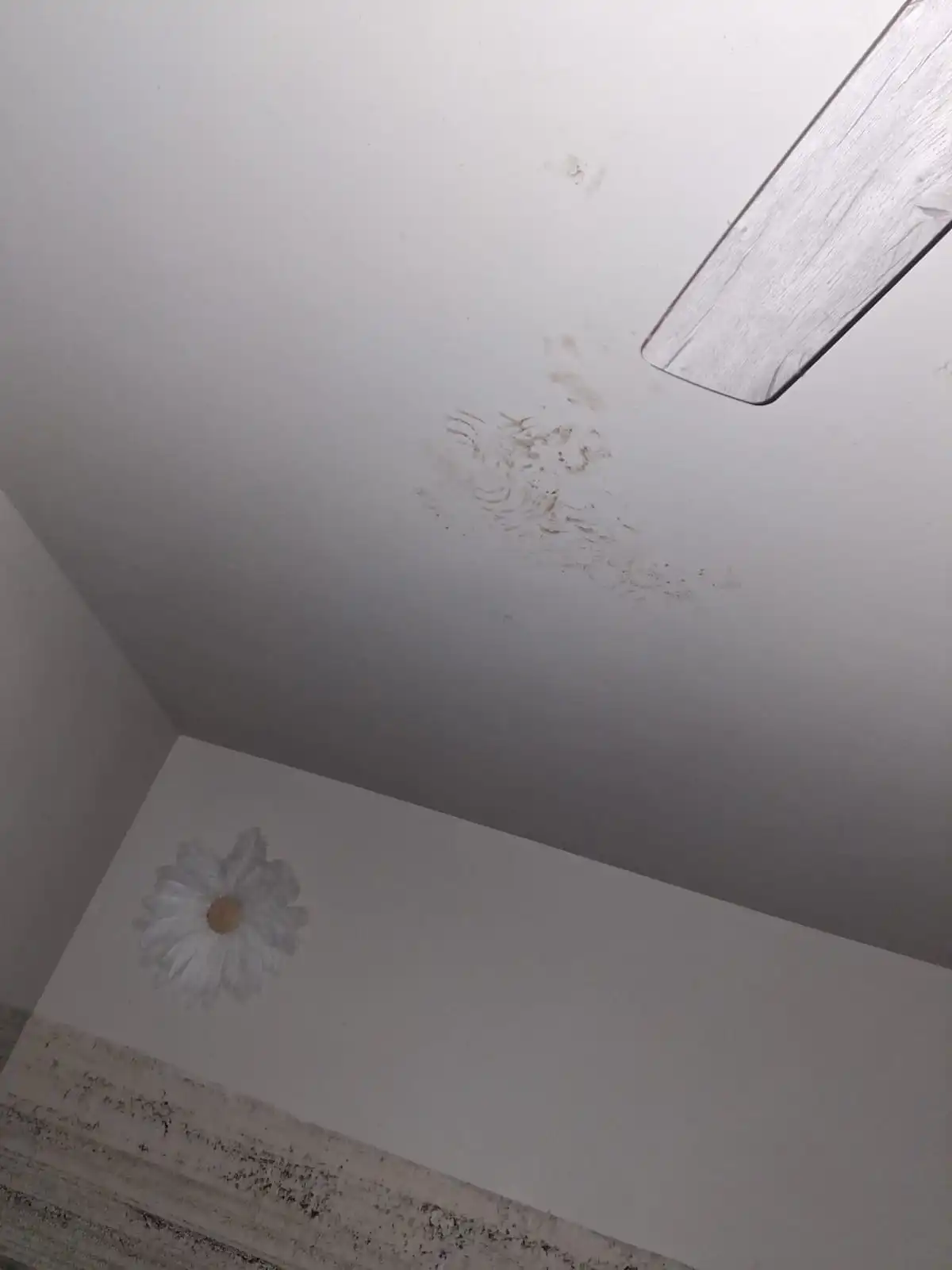
Today, the Riverview RV Park sits empty, a "taped-off" ghost of a vacation spot. On the ceiling of the abandoned Fulcher home, the muddy handprints of children who clung to a ceiling fan to survive are still visible.
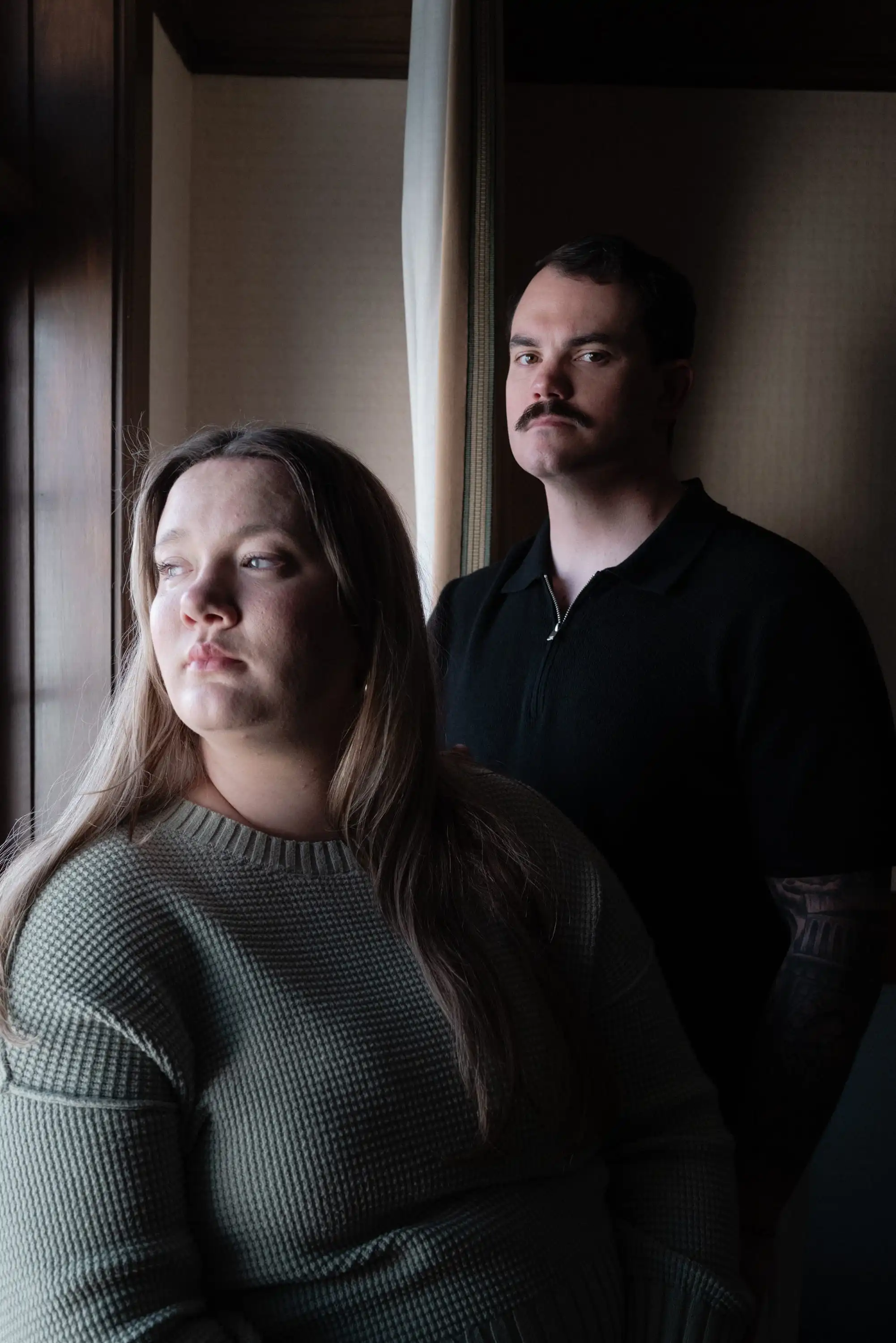
Outside, a white cross stands as a memorial to Tim Feagin, Sebastian Rowan Trotter, and Charlotte Trotter. The Trotter family has initiated litigation against the village, seeking accountability for the lack of warning.
Despite the loss of life and the clear evidence that the river remains untrustworthy, the village continues to advertise tourism in West Texas. Digital billboards still flash promotions for Ruidoso near the Trotters’ home in El Paso. And just upstream from the empty racetrack, mobile home parks remain full, with residents hoping that "the big one" has already passed—even as the scorched mountains above them wait for the next rain.


 Nana
 Ammar Sabilarrohman






