


 Muslim
Over the past 15 months, a quiet but profound transformation has been sweeping across the American landscape. It is not a movement defined by cable news pundits or the rigid, polarized talking points of Washington, D.C. Instead, it is a visceral, grassroots reaction to the fallout of a single piece of federal legislation—a law that Congress triumphantly dubbed the “One Big Beautiful Bill,” but which those living in the shadow of its consequences have starkly renamed the “One Big Ugly Law.”
Traveling through 22 states and participating in more than 100 community events, the reality on the ground paints a picture of a nation where the social contract is fraying at the edges. From the industrial heartlands of Michigan to the rural communities of Iowa and the growing suburban pressures of Colorado, the narrative is no longer about political ideology; it is about survival.
The Anatomy of the “Big Ugly Law”
The legislation in question was sold to the public under the banner of economic growth and fiscal restructuring. However, the operational reality of the law has been a systematic divestment from the social safety net. By slashing funding for critical programs like the Supplemental Nutrition Assistance Program (SNAP) and Medicaid, the federal government successfully funneled billions toward two primary objectives: massive tax cuts for the nation’s wealthiest individuals and corporations, and record-breaking budget increases for Immigration and Customs Enforcement (ICE) and the Pentagon.
For the families on the front lines, these macro-economic shifts are not abstract figures on a balance sheet. They are the difference between a child receiving necessary medical care and a parent facing the impossible choice between a prescription and a meal.
A Chronology of Declining Security
Spring 2025: The Warnings
The journey began in April 2025, during a series of town halls in Warren, Michigan, and Racine, Wisconsin. At that time, the legislation was still moving through the halls of Congress. In Warren, the atmosphere was thick with anxiety. Steph, who operates a local food pantry, spoke with a premonitory dread. Even before the cuts were implemented, she was struggling to keep pace with the demand for basic necessities. Her warnings were clear: if the safety net was compromised, the community’s infrastructure would collapse.
Summer 2025: The Reality Sets In
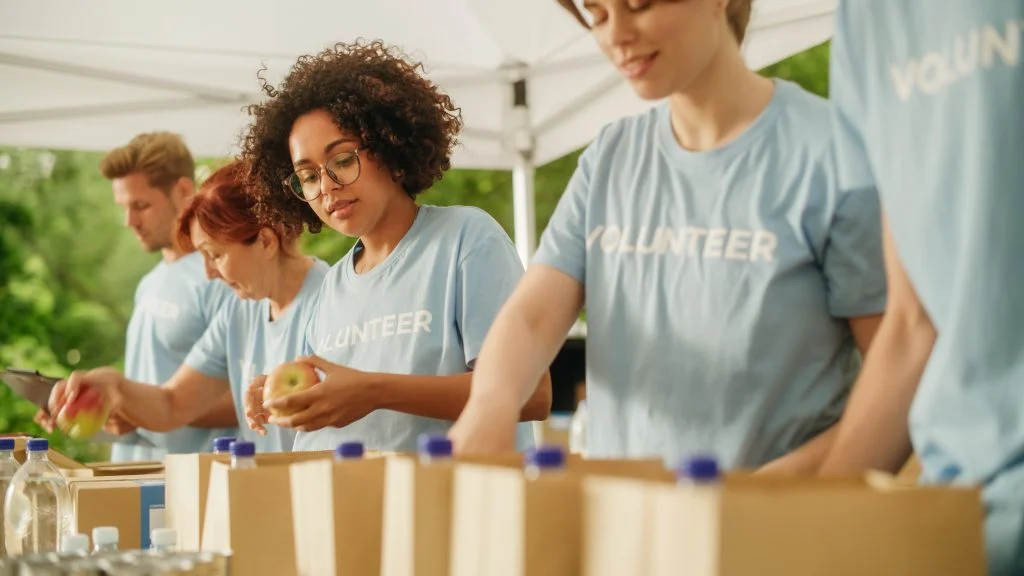
When the tour returned to Warren this summer, the transformation was undeniable. Steph was no longer just managing a pantry; she was coordinating a sprawling community resource fair. The tables were piled high with diapers, clothing, and non-perishables. The faces in the crowd were not those of people looking for a handout, but of families scrambling to stay afloat as the full weight of the “One Big Ugly Law” began to crush their budgets.
The Human Cost: Stories from the Field
Perhaps the most haunting account comes from Iowa. Janice, a mother who attended a 2025 rally in Washington, stood before hundreds of people with a voice trembling from grief and frustration. She spoke of her son’s complex medical needs and the lifeline that Medicaid provided.
When the tour returned to Iowa this year, Janice was there again. Her son had passed away in the interim, a victim of a system that had become increasingly indifferent to the vulnerable. Yet, in an act of profound selflessness, Janice was still fighting. She was no longer advocating for her own child, but for the children of strangers—a testament to the solidarity that emerges when formal institutions fail.
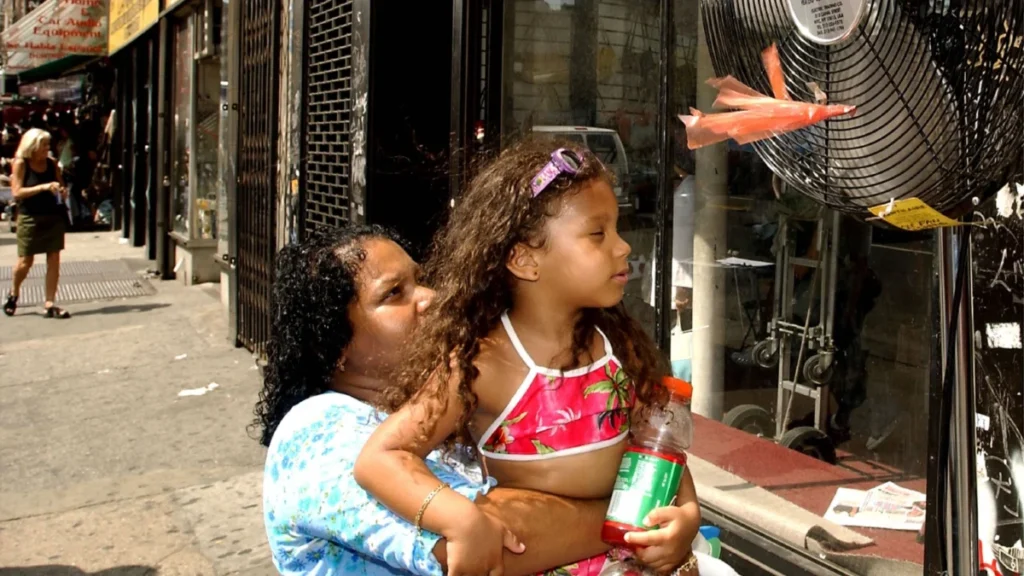
In Colorado, the story of Genesis offers another harrowing glimpse into the struggle. With a three-year-old battling a brain tumor, Genesis relies entirely on Medicaid and SNAP. Her life has become a series of impossible arithmetic puzzles: balancing the cost of gas to reach the hospital against the cost of milk for her children. Her story serves as a poignant reminder that while we can quantify the impact of policy through spreadsheets, we can never truly calculate the psychological toll of a parent watching their child suffer because of a legislative choice made thousands of miles away.
Supporting Data and Institutional Failures
The data reflects the anecdotal evidence seen on the ground. As federal funding for SNAP and Medicaid has withered, the burden of care has shifted to local, often underfunded, institutions:
- Educational Institutions: Public schools are increasingly functioning as social service agencies, opening food pantries for students who would otherwise go hungry during the school day.
- Healthcare Providers: Hospitals and community clinics are reporting significant strain as they attempt to absorb the costs of uncompensated care for patients who have lost their Medicaid eligibility.
- Neighborhood Solidarity: Grassroots networks, often organized through encrypted messaging apps like Signal, have become the primary method for immigrant families and the working poor to source groceries or secure rides to essential appointments.
These are not "fixes"; they are patches on a dam that is fundamentally failing. The reliance on neighborhood charity to address systemic poverty is a failure of governance, not a success of community spirit.
Official Responses and the Political Divide
The response from Washington has been largely detached from these realities. Proponents of the legislation continue to tout the tax cuts as engines of prosperity, arguing that the reduction in social spending was a necessary step toward fiscal discipline. They point to macroeconomic indicators—GDP growth and stock market performance—as evidence of the bill’s success.
However, these official metrics fail to account for the "everyone else" divide. While the ultra-wealthy have seen their net worths climb, the average American family is experiencing a decline in quality of life. The divide that is truly shaping our current political moment is not a horizontal split between the left and the right. It is a vertical chasm between a tiny, hyper-wealthy elite and the vast majority of the population who are working harder than ever while watching their standard of living erode.
Implications: The Rising Tide of Resistance
What does this portend for the future of American democracy? The implications are significant.
First, there is a growing realization that the current political discourse is misaligned with the public’s priorities. People are not clamoring for minor tweaks to a broken system; they are demanding a government that acts as a check against corporate excess and protects the basic dignity of its citizens. They want the freedom to take their children to the doctor, the security of affordable housing, and the assurance that the ultra-wealthy will be held to the same standards as the rest of the country.
Second, the "Big Ugly Law" has inadvertently catalyzed a new form of civic engagement. By overestimating how much pain the public could absorb, politicians have underestimated the resilience of those they have marginalized. When people who have been forced to survive on the margins decide to pivot from merely "taking care of one another" to "fighting for one another," the political landscape changes.
This is not a movement that will be settled in a single election cycle. It is a fundamental shift in the consciousness of the American electorate. The people I have met—the parents carrying grief, the food pantry volunteers, the neighbors sharing their last groceries—are not looking for a savior. They are building a movement.
As we look toward the future, the question remains: will the political establishment acknowledge the reality of this widespread suffering, or will they continue to prioritize the interests of the few over the fundamental needs of the many? If history is any guide, the power of a population that has been pushed to the brink and decided to push back is a force that no amount of legislative maneuvering can suppress. The "One Big Ugly Law" may have been intended to secure wealth, but it has ultimately served to secure a unified, determined, and increasingly vocal opposition.

 Rifan Muazin
 Ammar Sabilarrohman






