
 Iffa Jayyana
NEW ORLEANS — For decades, the narrative of the Louisiana coast has been one of terminal decline. The Gulf of Mexico, fueled by subsidence and rising sea levels, has relentlessly reclaimed the state’s southern fringes, dissolving cypress swamps and brackish marshes into open water at a rate of approximately 11 square miles per year. Yet, in certain pockets of the Barataria Basin, a different story is emerging—one where the land is fighting back.
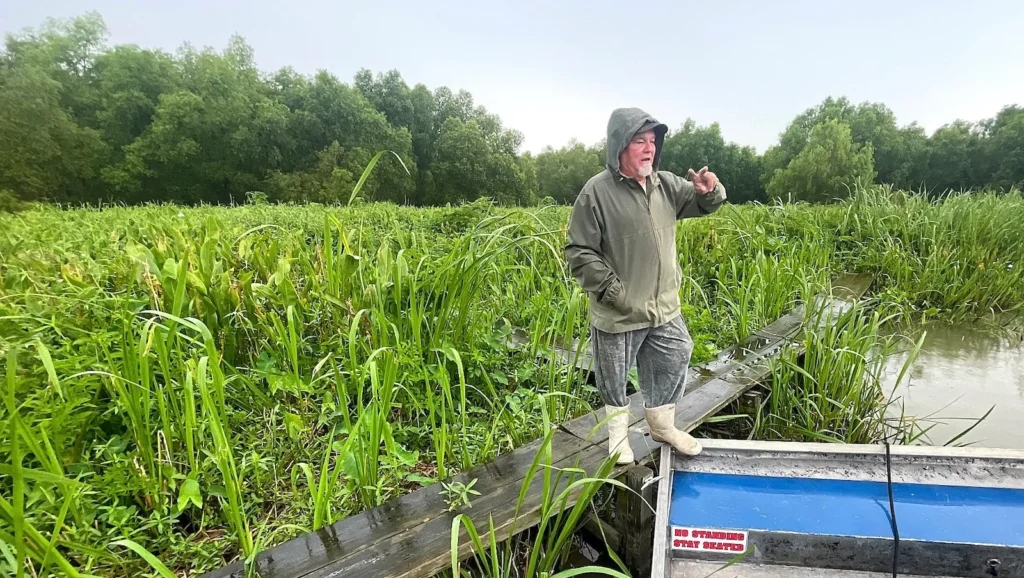
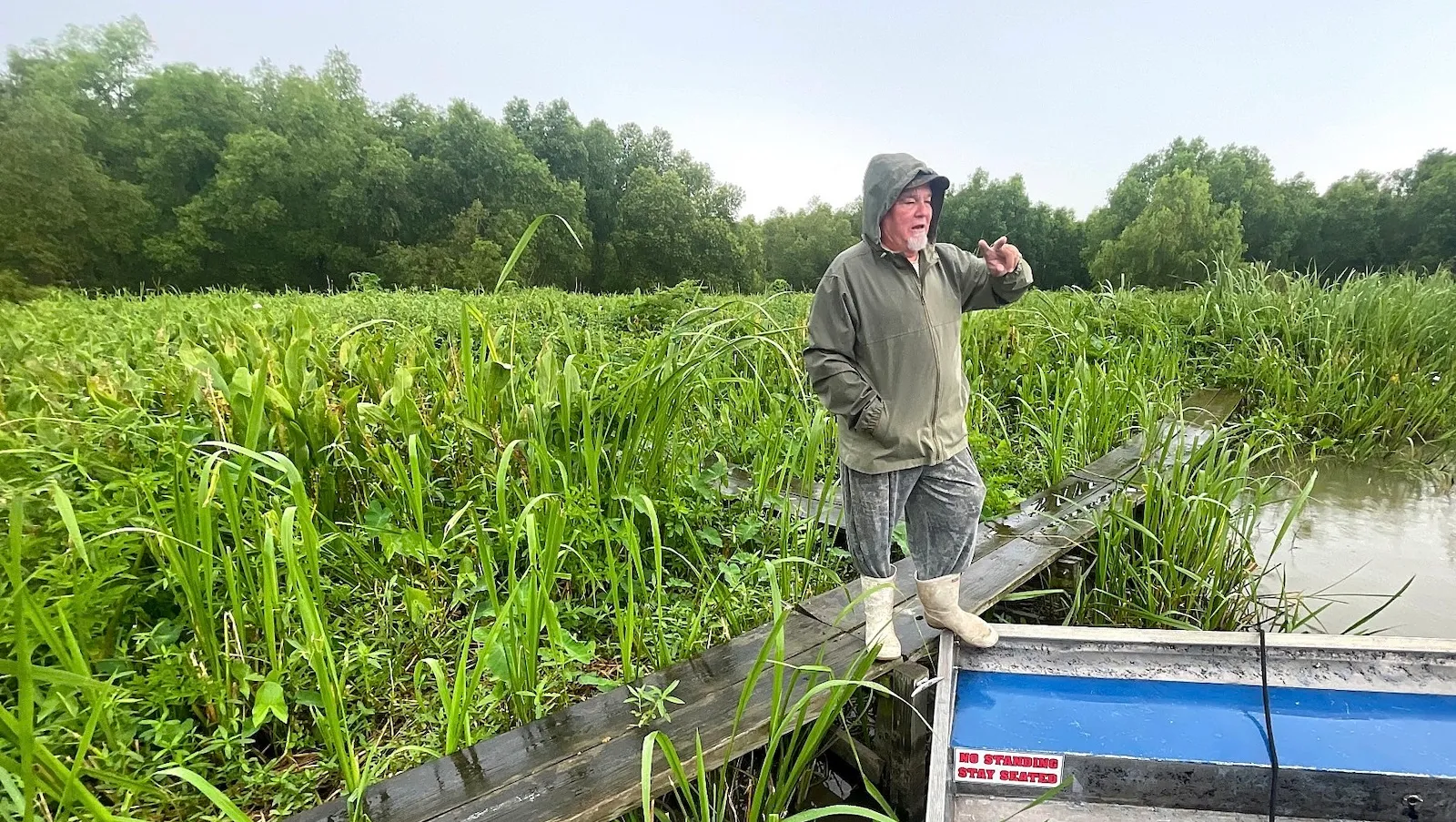
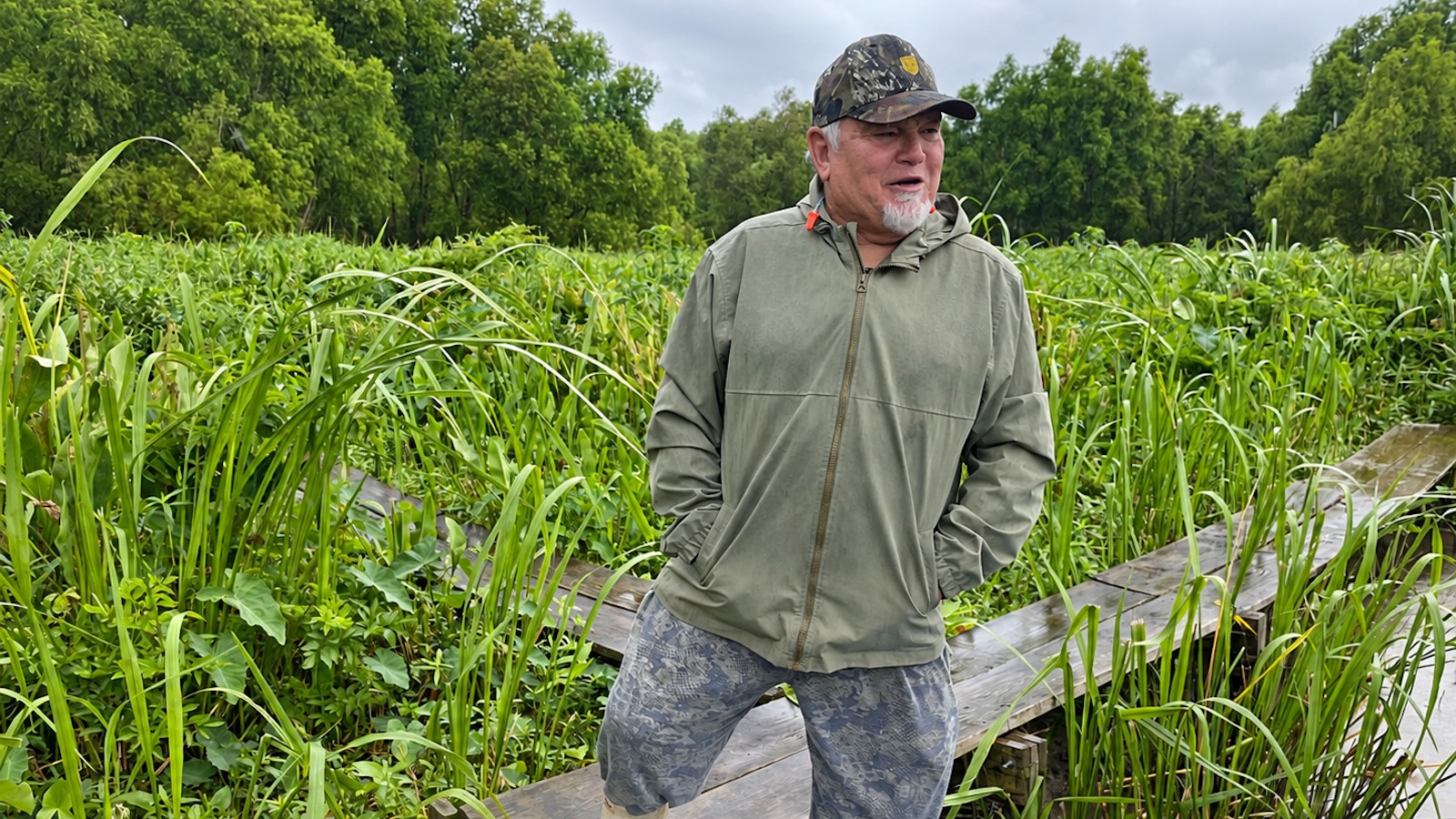
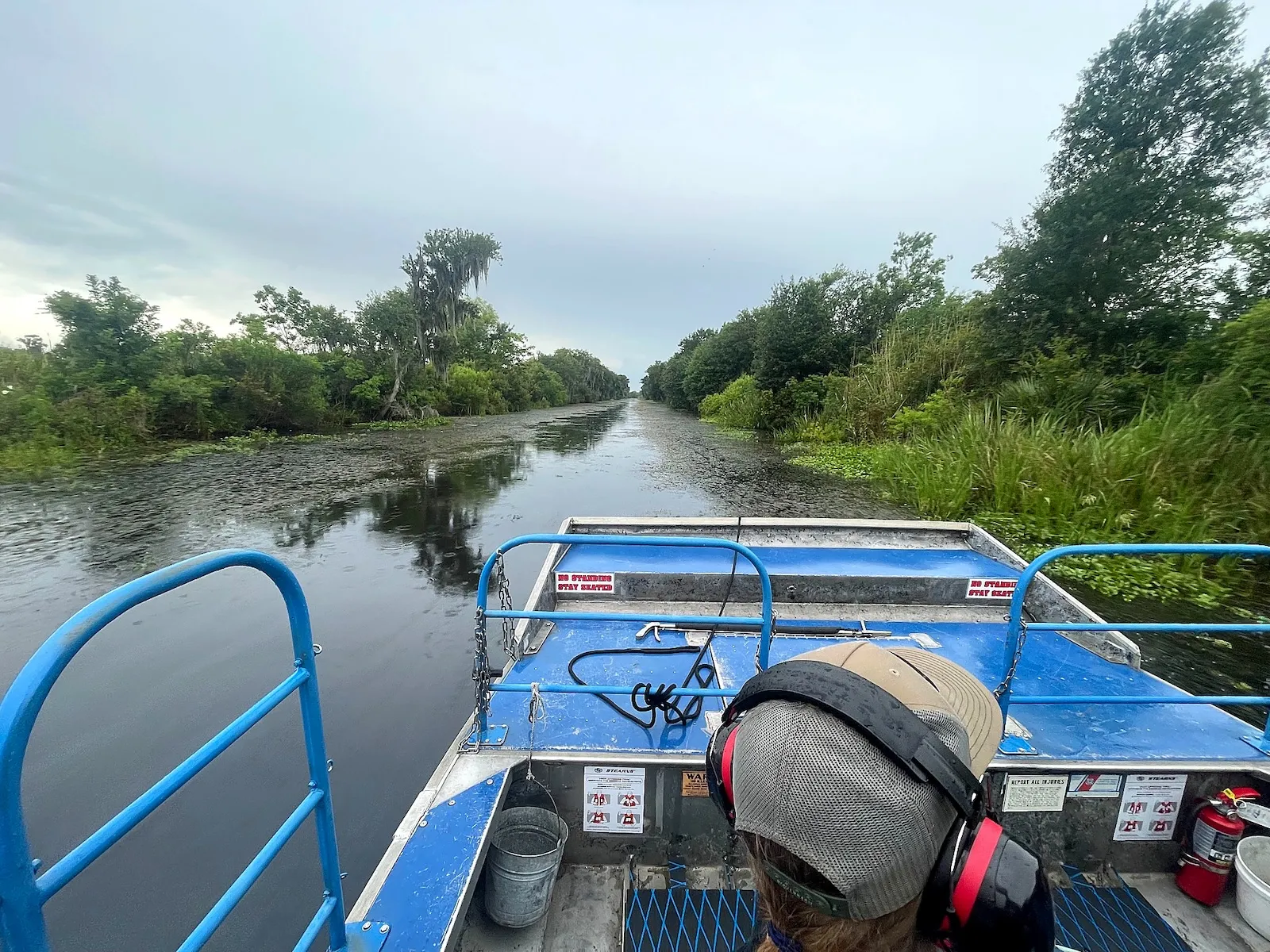
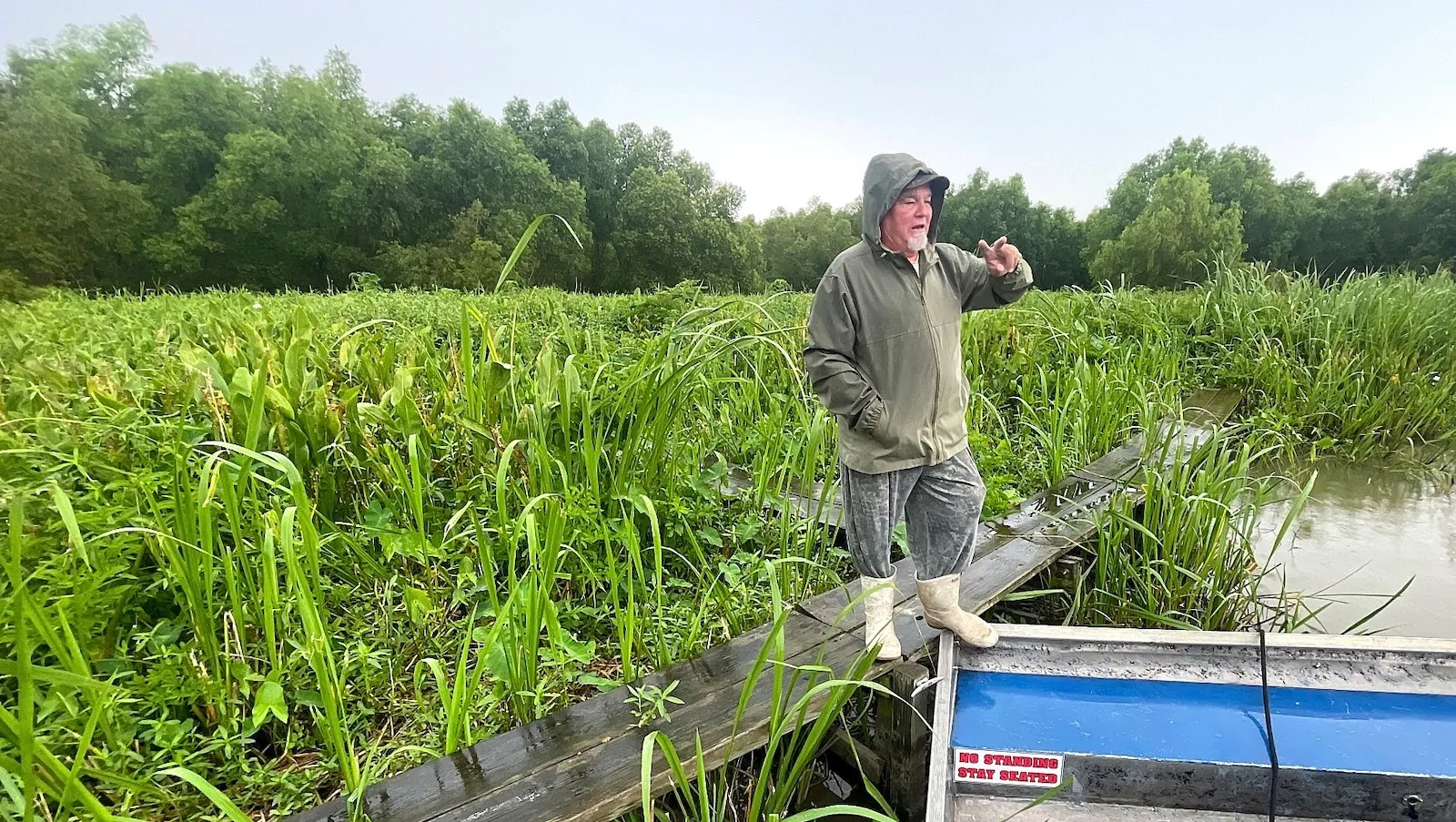
Arthur Matherne, a semi-retired airboat tour guide who has spent a lifetime navigating these waterways, has noticed a striking reversal. In areas where he once barreled through three feet of water, his hull now scrapes against a rising floor of mud and root. Oak branches draped in Spanish moss now lean over channels that are tightening by the year.
"All this, it’s filling in," Matherne says, gesturing to the lush greenery overtaking the shallows. "Right here, it used to be three feet of water. Now it’s three inches."
This localized resurrection of the wetlands is the result of the Davis Pond Freshwater Diversion, a project that has become the centerpiece of a fierce scientific and political debate. As Louisiana faces an existential threat from the encroaching sea, the state is undergoing a massive, often contradictory, shift in its restoration strategy. While the administration of Governor Jeff Landry has canceled the state’s most ambitious "mega-diversions," a closer look at budget documents reveals a quiet, multi-million-dollar pivot toward smaller-scale projects that aim to mimic the very processes the Governor has publicly disparaged.
Main Facts: A Strategy in Flux
The core of Louisiana’s coastal crisis lies in the taming of the Mississippi River. For millennia, the river naturally overflowed its banks, depositing sediment and building the delta. The construction of the modern levee system following the Great Flood of 1927 permanently severed this connection, effectively starving the wetlands of the silt needed to combat natural sinking.
To remedy this, the state has long proposed "sediment diversions"—engineered breaches in the levees designed to let the river build land once again. However, the political landscape shifted dramatically in July 2025 when Governor Jeff Landry officially terminated the $3 billion Mid-Barataria Sediment Diversion. Once heralded as the "largest environmental restoration project in U.S. history," the project was scrapped due to concerns over its impact on the commercial fishing industry and its multi-billion-dollar price tag.
Despite this high-profile cancellation, the Louisiana Coastal Protection and Restoration Authority (CPRA) is moving forward with a revised agenda. A Verite News review of the authority’s budget documents indicates that the state plans to spend at least $340 million on five smaller diversion projects over the next several years. This represents a significant increase in spending compared to the $47 million spent on similar projects since 2007.
Chronology: From the Delta Cycle to the "Experiment"
The history of Louisiana’s restoration efforts is a timeline of shifting priorities and hard-learned lessons:
- The Pre-Levee Era: For 7,000 years, the "Delta Cycle" built the Louisiana coast as the Mississippi River shifted its course, depositing sediment across the floodplain.
- 1927–1930s: Following the Great Flood of 1927, the U.S. Army Corps of Engineers constructed a massive levee system, effectively ending the natural land-building process.
- 2002: The U.S. Army Corps of Engineers completes the Davis Pond Freshwater Diversion near Luling. Initially designed to manage salinity for oyster beds, the project unexpectedly begins building land by depositing river sediment in the Barataria Basin.
- 2023: The Mid-Barataria Sediment Diversion breaks ground, funded largely by settlement money from the 2010 Deepwater Horizon oil spill.
- 2024: Governor Jeff Landry takes office. A vocal critic of large-scale diversions, he begins a systematic review of the state’s coastal master plan.
- July 2025: The Landry administration officially terminates the Mid-Barataria project and its $1.8 billion companion, the Mid-Breton Sediment Diversion.
- 2026–2027: The CPRA pivots to the $334 million Maurepas Swamp project and begins reconsidering the "Medium Diversion at Myrtle Grove," a smaller alternative to the canceled Mid-Barataria project.
Supporting Data: The Case for and Against Diversions
The effectiveness of diversions remains a point of contention among coastal scientists. The Davis Pond project serves as the primary case study for both sides of the argument.
The Land-Building Evidence
Jacob Berkowitz, a wetland scientist with the Army Corps of Engineers, points to Davis Pond as proof of concept. The diversion has funneled Mississippi River water into the basin for over two decades, raising the bottom of the wetlands and creating new acreage. Proponents cite a 2023 study by LSU professors John White and John Day, which found that the first 20 years of Davis Pond operations resulted in a net gain of 1.3 square miles of land.
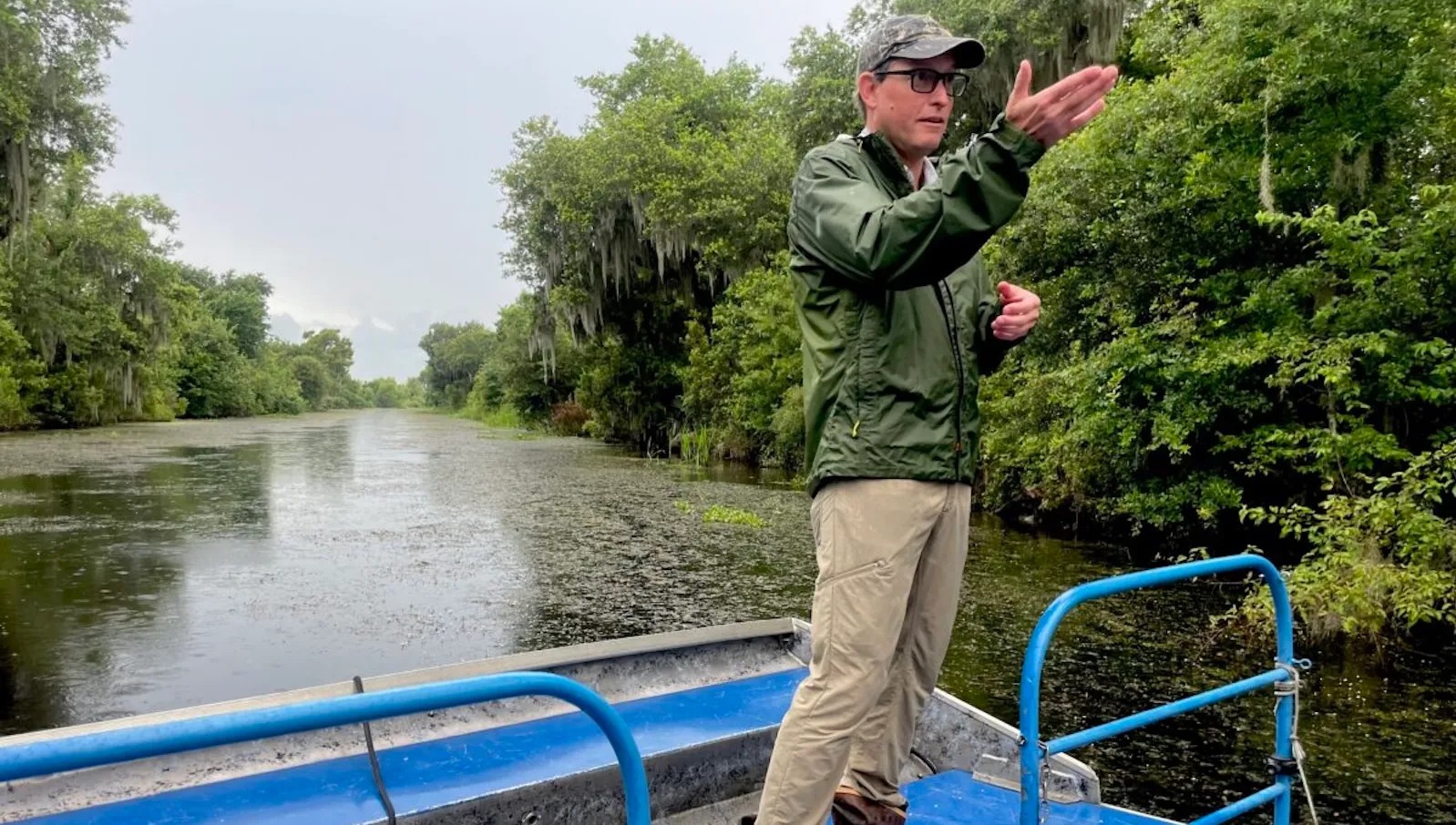
Furthermore, data from 2024 shows that shrimp catches south of the diversion hit a nearly four-decade high, and oyster populations on public beds were above their 10-year averages. For residents like Matherne, the visual evidence is undeniable: more alligators, more trees, and more solid ground.
The "Green Toupee" Hypothesis
However, the scientific consensus is far from unanimous. Eugene Turner, a professor of coastal sciences at LSU, published a 2019 study suggesting that Davis Pond actually tripled the rate of wetland loss in some areas.
Turner’s research highlights the "nutrient problem." The modern Mississippi River carries high levels of nitrogen and phosphorus from Midwestern farm runoff. Turner argues that these excess nutrients cause plants to grow rapidly above ground while failing to develop deep, sturdy root systems. He describes the resulting marsh as a "green toupee"—it looks healthy from a distance, but lacks the structural integrity to withstand hurricane-force winds or heavy currents. "If your garden is fertilized too much, it puts all its growth aboveground," Turner explains. "It falls over because its roots never had to work hard."
Official Responses: Culture vs. Engineering
The political divide over diversions is as deep as the scientific one. Governor Landry’s opposition is rooted in the protection of Louisiana’s "working coast"—the multi-generational shrimping and oyster industries that define the region’s culture.
"This project is going to break our culture," Landry told state lawmakers in 2024, referring to the Mid-Barataria project. "It will destroy the shrimping industry—which is already struggling—and destroy the oyster beds."
Landry’s administration characterized the mega-diversions as costly "experiments" with too many variables. CPRA Chairman Gordon Dove echoed these sentiments in a recent column, citing "uncertainties and questionable environmental outcomes" as the primary reason for abandoning the $3 billion project.
However, CPRA’s internal scientists continue to advocate for the "Delta Cycle" approach. Brian Gossman, a CPRA coastal scientist, noted in a public lecture that the agency is still attempting to harness the natural processes that built the state. "It’s the same process that built all of coastal Louisiana over millennia," Gossman said. "We’re just using it in a targeted way."
Implications: A Smaller, More Surgical Future
The cancellation of the Mid-Barataria project does not mean the end of diversions; rather, it signals a shift toward more surgical, less disruptive interventions.
The Maurepas Swamp Project
Nearly all of the CPRA’s current diversion budget is dedicated to the $334 million Maurepas Swamp project. Located 25 miles from New Orleans, this project aims to install gates in the levee to channel 2,000 cubic feet of water per second into a Chicago-sized wetland. Unlike the Mid-Barataria project, which aimed to build new land in open water, the Maurepas project is designed to "rejuvenate" 45,000 acres of existing, dying cypress forest by flushing out salt water and stagnant pools.
The Myrtle Grove Alternative
The state is also dusting off plans for the "Medium Diversion at Myrtle Grove." Proposed over 25 years ago, this project would operate at about one-third the capacity of the canceled Mid-Barataria project. To compensate for the lower flow, the state may use "dredge-and-fill" techniques—physically pumping sand and mud into the basin—to supplement the river’s natural deposits.
The Existential Stake
The implications of this policy shift are immense. If the "green toupee" theorists are correct, even these smaller diversions could inadvertently weaken the coast’s last line of defense against hurricanes. If the proponents are correct, the cancellation of Mid-Barataria may have cost the state its best chance at long-term survival.
For Arthur Matherne, the debate is less about spreadsheets and more about the rhythm of the swamp. He believes the answer lies in finding a middle ground where the river is allowed to work without overwhelming the people who live off it.
"Right now, it’s like pissing in an Olympic-size swimming pool," Matherne says of the current flow rates at Davis Pond. "We need more flow, but we need it done right."
As Louisiana navigates this pivot, the stakes remain unchanged: a race against time to rebuild a disappearing landscape before the Gulf of Mexico claims the remainder of the Pelican State. The move toward smaller, more affordable projects may be politically savvy, but whether it is enough to stop the tide remains the most pressing question in the American South.


 Sagoh

 Siti Muinah