


 Nana Wu
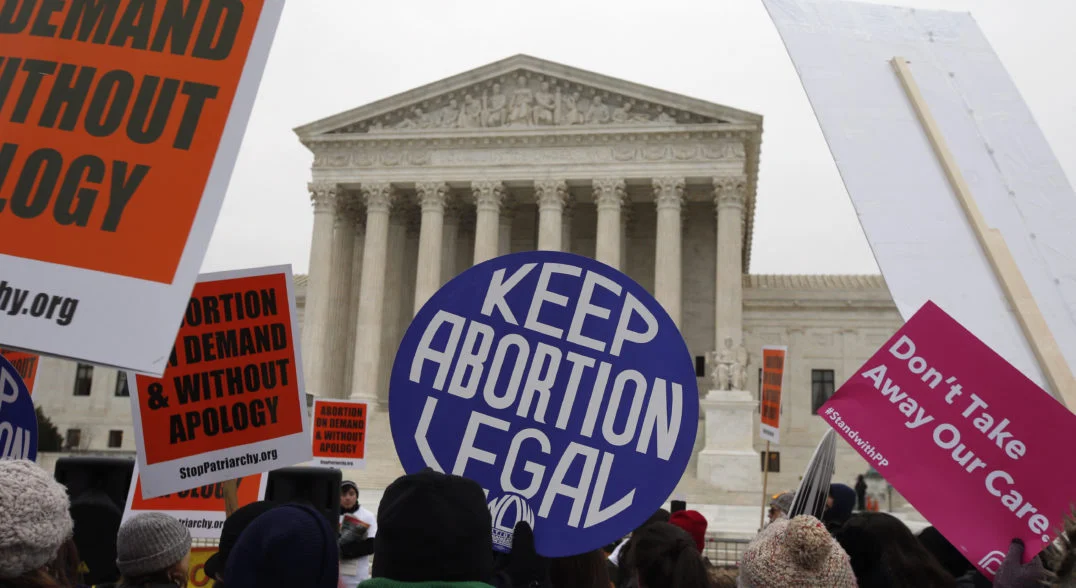
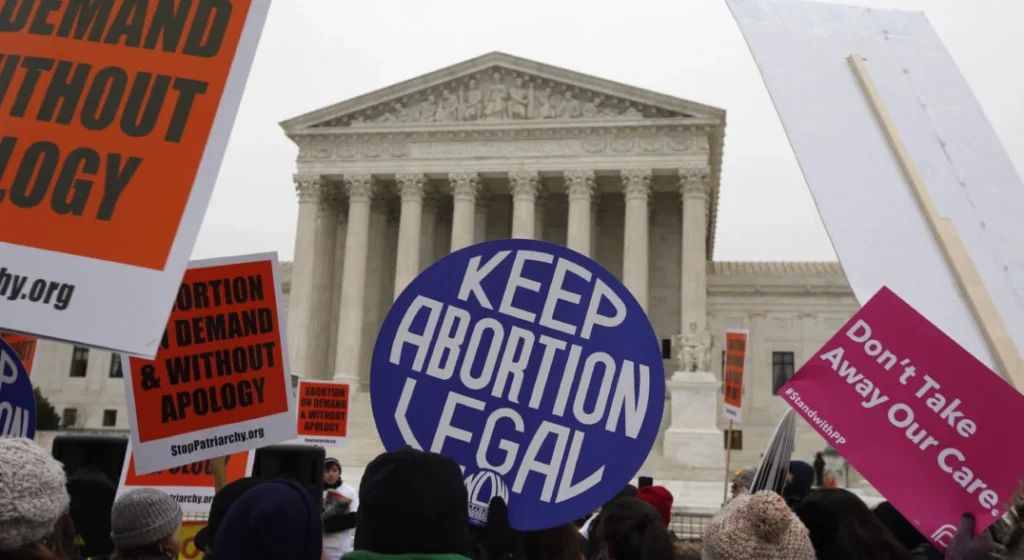
Forty-six years after the Supreme Court handed down its landmark ruling in Roe v. Wade, the constitutional right to safe and legal abortion remains a cornerstone of American reproductive health. Yet, nearly half a century later, the landscape of abortion access is increasingly precarious. Despite a wave of legislative attacks at the state level and a federal judiciary increasingly skeptical of reproductive rights, public opinion remains steadfast: the vast majority of Americans continue to support the principles established in 1973, affirming that individuals possess the fundamental right to make autonomous decisions about their reproductive futures.
However, a new, definitive body of research suggests that the national conversation regarding abortion is missing a critical piece of the puzzle. By moving beyond the binary, often polarized debate of “rights vs. rights,” researchers are finally shedding light on how abortion access—or the denial thereof—reverberates through the lives of families, existing children, and children born in the future.
The Turnaway Study: A Longitudinal Perspective
The Advancing New Standards in Reproductive Health (ANSIRH) organization recently released the final, comprehensive results of the Turnaway Study. This research project represents the first of its kind, following nearly 1,000 women across the United States who sought abortions at 30 facilities between 2008 and 2010. The study uniquely compares the outcomes of those who were able to obtain abortion care against those who were denied care because they were just past the gestational limit of the facility.
The longitudinal data provides a sobering look at the long-term socioeconomic and developmental consequences of reproductive policy. Previous findings from the study established that individuals denied an abortion were significantly more likely to fall below the federal poverty level years later, face ongoing challenges in escaping domestic violence, and report higher levels of psychological distress. The new findings, however, expand the scope to the most vulnerable participants: the children.
Chronology of the Debate
- 1973: The Supreme Court issues the Roe v. Wade decision, establishing the right to abortion as a component of the constitutional right to privacy.
- 1970s–2000s: A gradual increase in state-level regulations—such as mandatory waiting periods and parental consent laws—begins to chip away at the practical accessibility of the procedure.
- 2008–2010: ANSIRH launches the Turnaway Study, recruiting participants across diverse socioeconomic backgrounds to track the real-world impact of abortion access.
- 2018–2019: As the composition of the Supreme Court shifts, states intensify legislative efforts to restrict abortion, leading to a heightened national discourse on the "pro-life" versus "pro-choice" divide.
- 2019–Present: The publication of the Turnaway Study’s final results provides the first empirical evidence linking abortion denial to the diminished wellbeing of children in the household.
Supporting Data: The Ripple Effect of Denial
The most striking revelation of the study is that the negative impacts of abortion denial are not limited to the individual seeking care; they extend to existing children in the home and future children born into families struggling with the consequences of an unplanned pregnancy.
Economic Instability and Resource Deprivation
Data from the study shows that children born to parents who were denied an abortion have a higher statistical probability of living in poverty compared to children of those who successfully accessed a wanted abortion. Existing children in households where an abortion was denied are significantly more likely to live in homes struggling to afford basic necessities, including food, secure housing, and reliable transportation.
The Dynamics of Maternal Bonding
The study also explored the qualitative aspects of parenting. Parents who were denied an abortion were more likely to report feelings of "entrapment" or resentment toward the child born from that specific pregnancy. These feelings are often symptomatic of the crushing economic hardship and the lack of readiness that led the parent to seek an abortion in the first place. Conversely, the study found that when individuals were able to access abortion care, their subsequent pregnancies were more likely to be planned and intended. This intentionality translates into more stable, supportive environments for future children.
Official Responses and Expert Analysis
Dr. Diana Greene Foster, the lead researcher of the Turnaway Study, argues that the findings necessitate a fundamental shift in how we talk about abortion. “You often hear the argument that abortion should be banned because we were all once fetuses in utero,” Foster noted in her analysis. “But given that abortion has been legal for 46 years, many of us are alive today because our mothers were able to avoid carrying a prior unwanted pregnancy to term.”
Foster emphasizes that abortion is not merely a decision to end a pregnancy; it is a decision that enables an individual to care for the children they already have and, when the time is right, to bring a child into the world under circumstances that allow for health and stability.
Critics of reproductive rights, often aligned with the "pro-life" movement, have traditionally framed their position as a mandate for the protection of children’s wellbeing. However, this study challenges that frame directly. If the objective is to ensure that all children are supported, healthy, and loved, then the denial of abortion care is paradoxically counterproductive. By forcing individuals into parenthood before they are economically or emotionally prepared, the state creates an environment of scarcity that limits the child’s future opportunities.
Implications for Reproductive Justice
The implications of these findings reach into the core tenets of the Reproductive Justice movement, which advocates for the right of every person to have children, to not have children, and to parent the children they have in safe and healthy environments.
When a society restricts abortion access, it effectively strips individuals of their agency to create the family, home, and future they envision. The evidence is clear: when we restrict abortion, it is not just the individual seeking care who suffers, but their children—both present and future.
The Path Forward: Redefining "Pro-Life"
The true metric of a society that values life should be the quality of that life. If a child is born into a household where the parents are unable to provide for their most basic developmental needs due to systemic economic instability, we have failed that child.
The Turnaway Study concludes that when individuals have control over the timing and circumstances of their births, they are better equipped to provide for their families. They are more likely to have the resources, time, and emotional capacity to foster a stable home. Therefore, ensuring access to abortion is not merely a policy debate about health care; it is a moral imperative for the wellbeing of the next generation.
To be truly "pro-life" is to ensure that every child enters a world where their parents have the stability and resources to raise them with dignity. Protecting abortion access is an essential component of that mission. By supporting the autonomy of parents, we are, in effect, supporting the wellbeing of their children—ensuring they have the best possible start to their lives. As the data suggests, the most effective way to support children is to support their parents’ ability to decide when, and under what circumstances, to bring them into the world.


 Suro Senen
 Nana