




 Asro
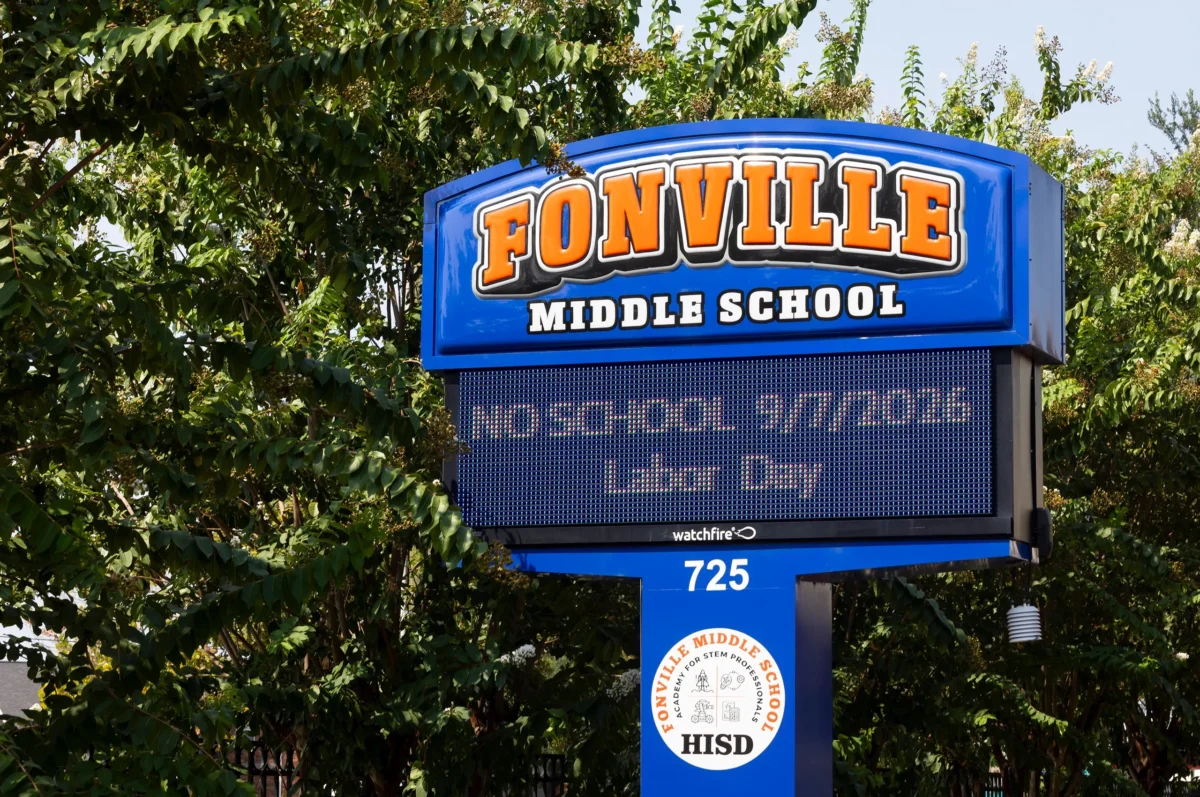
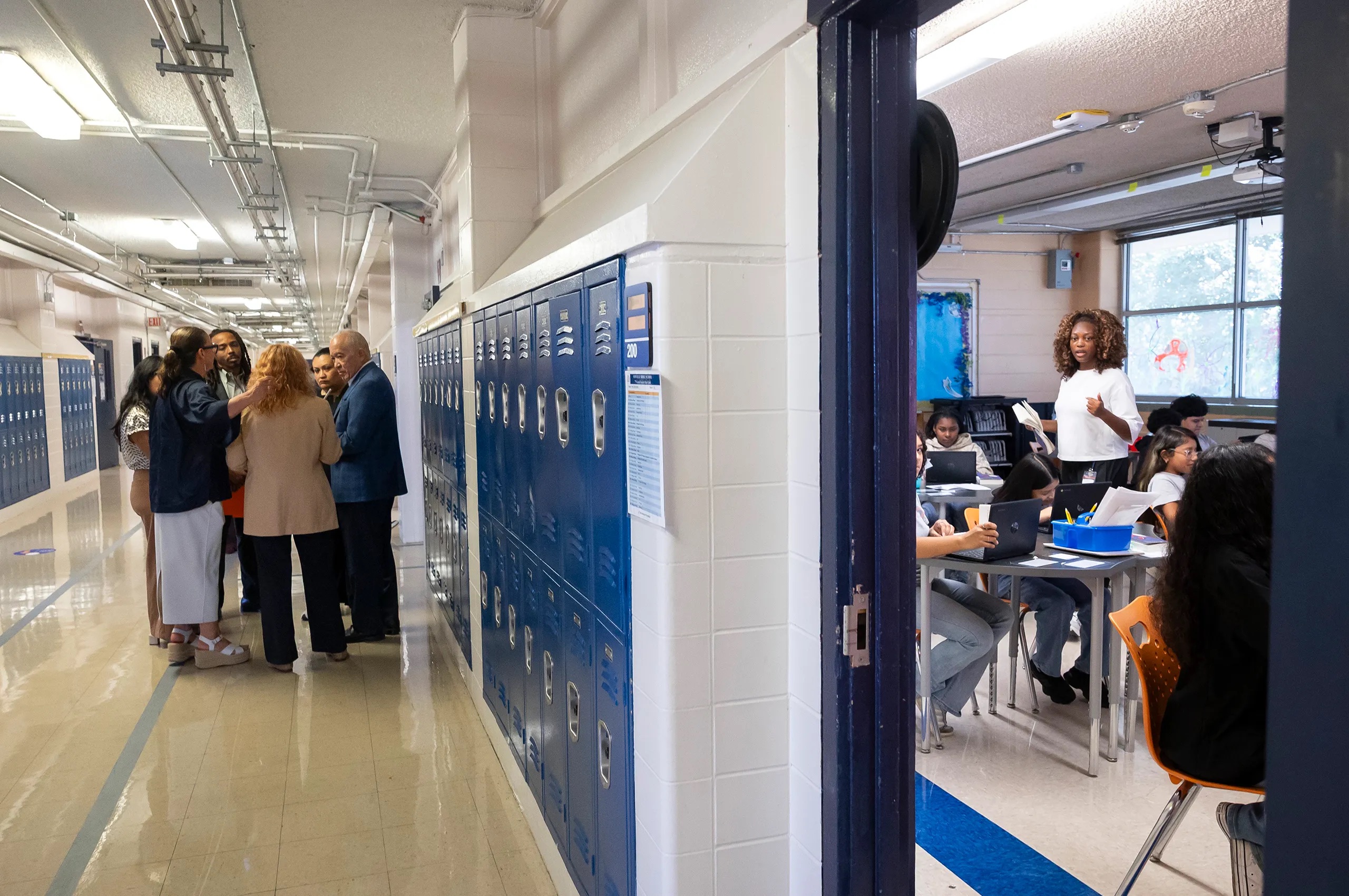
At Houston’s Fonville Middle School, the transformation is visible. New smart boards line the walls, webcams monitor instructional delivery, and the school day has been extended to maximize learning time. For a campus that was slapped with a scarlet "F" just three years ago—marking a point of deep academic distress—the shift has been profound. Today, Fonville boasts its first-ever "A" rating from the state, a milestone that serves as the centerpiece for Superintendent Mike Miles’ vision of academic reform.
Yet, this success story, touted by state leaders as a blueprint for the nation, masks a deepening financial crisis. As Houston Independent School District (HISD) prepares for the end of a state-led takeover and the eventual return to local control, the district is grappling with a precarious reality: the very reforms designed to lift student performance may be cannibalizing the district’s long-term stability.
A Blueprint for Reform
The "New Education System" (NES) is the engine behind Miles’ turnaround strategy. The model prioritizes standardized test scores through intensive support staff, aggressive teacher recruitment, and the deployment of new classroom technology. The strategy is built on the belief that struggling schools require an immediate, high-octane intervention to break the cycle of underperformance.
For Superintendent Miles, the results are the only metric that matters. "Here’s my bar," Miles said during an August campus visit, gesturing to his ear as he stood alongside Principal Yvonne Hernandez. The gesture underscored the high expectations he has set for his administrators. This philosophy has led to a dramatic reduction in "F" campuses across the district—dropping from 56 in 2023 to just five today. For proponents like Eric Hanushek, a Stanford University education economist, these gains justify the radical fiscal maneuvers required to fund them.

A Chronology of the Takeover
The state takeover of HISD began in 2023, following years of chronic underperformance at specific campuses. The Texas Education Agency (TEA) ousted the locally elected board and replaced them with state-appointed officials.
- 2023: The state seizes control. Superintendent Mike Miles is appointed to lead the district. The NES model is introduced, focusing on standardized testing and centralized curriculum control.
- 2024: Enrollment begins to plummet at a record-breaking pace. The district reports its first budget shortfall in a decade. A massive $4.4 billion bond measure, designed to fund infrastructure and tech, is overwhelmingly rejected by voters.
- 2025-2026: The district liquidates assets, including land and building plots, to plug budget holes. Eight times as many NES campuses earn A or B ratings compared to the pre-takeover era, but the financial strain continues to mount as the district burns through rainy-day reserves.
The Mounting Financial Toll
While academic scores have risen, the fiscal health of the district has deteriorated. HISD faces a $2 billion budget that is increasingly squeezed by the cost of the NES model. According to district budget documents, the additional cost to implement these reforms is approximately $700,000 per school in the first year, with an ongoing operational cost of about $2,200 more per student annually.

Compounding this expense is an unprecedented exodus of students. Since the takeover began, HISD has lost roughly 21,000 students. Because Texas school funding is tied directly to student attendance, this drop has resulted in approximately $190 million in lost state revenue.
The district has attempted to offset these losses by:

- Draining Reserves: Miles has authorized the use of over $450 million from the district’s rainy-day fund to cover recurring expenses.
- Liquidating Assets: Dozens of district-owned buildings and plots of land have been put up for sale.
- Cutting Services: Central office staff have been slashed by roughly 1,500 positions, and transportation and social work services have been reduced to cut costs.
Financial experts, including Jonathan Travers, CEO of Education Resource Strategies, warn that these are not sustainable practices. "You’re just gambling that you’re going to somehow be able to raise revenue in a few years to cover the gap," Travers noted.
The Parent Perspective and the "Exodus"
For many parents, the cost of the reform is not just financial—it is social. Brooke Longoria, a parent who pulled her children out of an HISD school, described the environment as one that prioritizes testing over student well-being. "Any test score increase that you’ve gained by destroying a school community, by banning books, by firing beloved principals, that’s too high a cost," she said.

Angie Kemp, whose daughter attended a school that transitioned to the NES model, echoed these concerns. Her daughter began to exhibit signs of stress, including talking in her sleep about the timed "Demonstration of Learning" (DOL) quizzes that have become a hallmark of the NES curriculum. The Kemps ultimately moved 20 miles to a different school district to escape the pressure.
As Toni Templeton, a researcher at the University of Houston, points out, the enrollment decline is not a migration out of the region, but a migration out of the district. Many parents are opting for nearby charter schools, which suggests that the exodus is a direct vote of "no confidence" in the current state-led administration.

Official Responses and State Strategy
Texas Education Commissioner Mike Morath maintains that the Houston model is replicable and necessary. "The evidence in Texas is that state intervention has consistently raised the quality of learning," Morath stated. He insists that HISD is operating under the same finance system as every other district and that effective leadership—which includes making difficult cuts—is the key to success.
Superintendent Miles agrees, framing the situation as a necessary "right-sizing" of a bloated organization. "Budgets are tough and going to remain tough when you have declining enrollment," Miles said. "Whether it’s programs, whether it’s schools, whether it’s staff… it’s in the DNA of every effective organization."

However, the state’s strategy is now expanding beyond Houston. Former HISD administrators are being exported to lead takeovers in other districts like Beaumont, Lake Worth, and Fort Worth. In Fort Worth, the "ELEVATE" program—a rebranding of the NES model—has already resulted in a mass resignation of 800 teachers and a growing budget deficit, echoing the challenges seen in Houston.
Future Implications: A Sustainable Path?
As the state prepares to relinquish control, HISD faces a "death spiral," according to some community members. With reserves depleted and enrollment numbers declining, the district’s ability to maintain the high costs of the NES model is in question.

History offers a cautionary tale. In Tennessee and Colorado, similar reform efforts led to short-term test score gains, only to see those improvements stall or collapse once funding dried up or leadership shifted. Lam Pham, a researcher at North Carolina State University, warns that "if the intense focus goes away, the gains dissipate."
The future of Houston ISD now rests in the hands of the next board of elected trustees. They will inherit a district that has achieved academic "A" ratings but faces a structural deficit that threatens to undermine those very achievements. Without a significant new investment from the state legislature, the district may be forced to choose between maintaining the current model and ensuring basic student services—a trade-off that will define the next decade of public education in Texas.


 Laily UPN

 Nila Kartika Wati






