



 Iffa Jayyana
As the 2026 election cycle approaches, the American democratic process stands at a critical juncture. For millions of citizens, the act of casting a ballot is the most direct way to influence the trajectory of local, state, and federal governance. However, in an era of evolving election laws, shifting polling locations, and varying methods of participation, the responsibility of the voter has never been more complex. Preparing to vote is no longer a last-minute errand; it is a strategic process that requires foresight, planning, and an understanding of one’s rights.
This guide provides an essential framework for ensuring your voice is heard, whether you are a first-time voter or a seasoned participant in the democratic process. By organizing your voting plan today, you mitigate the risks of administrative hurdles and ensure that your participation is secure.
The Pillars of Election Readiness: Main Facts
At the heart of the democratic experience is the principle of accessibility. To cast a valid ballot, a voter must navigate three primary pillars: registration, identification, and method of submission.
Registration: The Foundation of Participation
Registration is the prerequisite for all electoral participation. In the United States, registration requirements vary significantly by state. Some jurisdictions offer Same-Day Registration (SDR), allowing voters to register and vote simultaneously, while others enforce strict deadlines—often weeks before Election Day. Failing to confirm your registration status is the most common reason voters are turned away from the polls. Experts recommend verifying your registration status at least 30 days prior to the election, regardless of state mandates.
Methods of Voting
The 2026 election landscape features three primary avenues for casting a ballot:
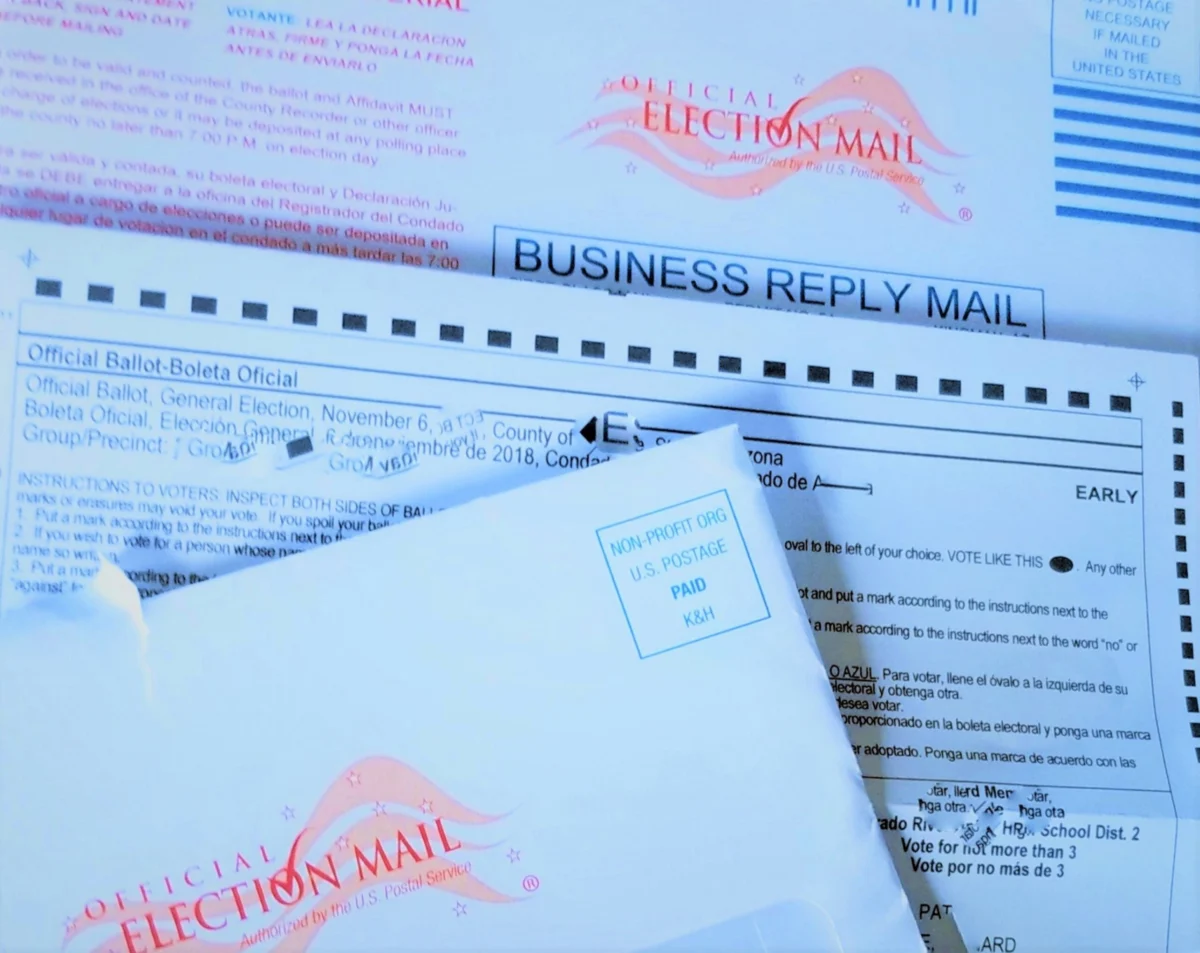
- Mail-in/Absentee Voting: Designed for those unable or choosing not to vote in person. This method requires requesting a ballot well in advance and adhering to strict postmark or drop-off deadlines.
- Early In-Person Voting: An increasingly popular method that allows voters to bypass the congestion of Election Day. It provides flexibility for those with rigid work schedules or childcare responsibilities.
- Election Day Voting: The traditional method of visiting a designated polling station. It remains the most common way to vote, yet it requires the most logistical preparation regarding transportation and time management.
Chronology: Planning Your Path to the Polls
To ensure a seamless experience, voters should adhere to a structured timeline leading up to the election.
Phase 1: Preparation (60–45 Days Out)
- Verify Status: Visit official state election portals or non-partisan resources like the ACLU’s voting rights hub to confirm your registration details are current.
- Check Requirements: Review your state’s specific voter ID requirements. Do you need a government-issued photo ID, or is a utility bill sufficient? Knowing this prevents a "provisional ballot" scenario.
Phase 2: Action (45–14 Days Out)
- Requesting Ballots: If you are opting for mail-in voting, submit your request immediately. Do not wait for the deadline.
- Locating Polling Stations: Polling locations change frequently due to redistricting or administrative updates. Confirm your specific location, as it may differ from previous years.
Phase 3: Execution (14 Days Out – Election Day)
- The Voting Plan: Decide on a specific time of day you will vote. If you are working, research your state’s laws regarding "time off to vote." Many states mandate that employers provide paid or unpaid leave for this purpose.
- The "Stay in Line" Rule: If you are in line when polls close, you are legally entitled to cast your ballot. Do not leave the line under any circumstances.
Supporting Data: The Impact of Voter Preparation
Data consistently shows that voters who possess a concrete "voting plan"—a specific time, mode of transportation, and knowledge of their polling place—are significantly more likely to follow through on their civic duty. According to studies on civic engagement, the "intention-behavior gap" is the primary reason for voter absenteeism.
In the 2024 cycle, administrative errors accounted for a measurable percentage of discarded ballots, particularly those sent by mail. Common mistakes included missing signatures, late arrival, or incorrect postage. Furthermore, the reliance on drop boxes has proven to be a highly effective method for ensuring ballot security and timely arrival, with data indicating that voters who utilize drop boxes or early voting centers experience higher rates of ballot acceptance compared to those who rely on the traditional postal service in the final 48 hours before a deadline.
Official Responses and Rights Protections
Voting rights organizations and election officials emphasize that the ballot box is a protected space. The American Civil Liberties Union (ACLU) and other civil rights groups have launched extensive campaigns to educate the public on their rights.
Understanding Your Rights
If you encounter challenges at the polls, such as a poll worker claiming you are not registered when you believe you are, you have the right to request a provisional ballot. A provisional ballot is a fail-safe measure that allows your vote to be cast and later counted once your eligibility is verified by election officials.
Additionally, voter intimidation is a federal crime. If you witness anyone attempting to harass, threaten, or coerce voters at a polling station, this is a violation of the Voting Rights Act of 1965. Citizens are encouraged to document such instances and report them to local law enforcement or the Department of Justice’s election hotline.
The Role of Local Election Offices
Local election offices are the primary authority on how to vote in your community. Whether it is a county clerk’s office or a state board of elections, these entities are mandated to provide accurate, non-partisan information. When in doubt, bypass social media rumors and consult these official channels. They can provide definitive answers on ballot tracking, polling station hours, and the specific equipment used in your district.
Implications: Why Your Plan Matters
The implications of failing to plan are not just personal; they are systemic. Low voter turnout in specific demographics can lead to skewed representation, where elected officials do not fully reflect the needs or values of their constituents. When citizens are prepared and empowered, the entire democratic process is strengthened.
Furthermore, the act of voting is a collective effort. By making a plan and sharing it with family and friends, you act as a catalyst for increased civic participation. Peer-to-peer encouragement is one of the most effective tools for increasing voter turnout. Discussing your voting plan with your community helps normalize the process and ensures that others are also taking the necessary steps to secure their ability to vote.
Strategic Checklist for the 2026 Voter
As we look toward the upcoming elections, consider this checklist your essential roadmap:
- Registration Check: Go to the official voter lookup tool for your state. Ensure your name, address, and party affiliation (if applicable) are correct.
- ID Readiness: Keep your voter ID in your wallet or with your mail-in ballot documents. Do not leave this for the last minute.
- Mail-in Strategy: If voting by mail, designate a specific, secure location in your home to keep the ballot until it is filled out and mailed or dropped off.
- Early Voting: If your state offers early voting, treat it as your primary plan. It is often less crowded and provides a buffer in case of an emergency on Election Day.
- Election Day Logistics: If you must vote on the actual day, check the weather, plan your transportation, and prepare for potential wait times. Pack water and comfortable shoes if you expect a long queue.
- Stay Informed: Keep track of local ballot measures and candidate information via neutral, verified sources. Understand what is on your ballot before you step into the booth.
Conclusion
The strength of our democracy relies on the participation of its citizens. While the rules and logistics may seem daunting, they are manageable when approached with a clear, step-by-step strategy. By taking the time to verify your registration, understand your state’s specific laws, and finalize your voting plan well before the polls open, you are not only securing your own right to participate but also contributing to a more resilient and representative republic.
Remember: The sooner you start, the more prepared you will be. Do not leave your vote to chance. Make your plan, stay informed, and ensure that your voice is part of the final tally. Your ballot is your power—use it effectively, use it safely, and use it with the confidence that you are an informed participant in the future of the nation.

 Raul Delapena Setiawan
 Pevita Pearce






