



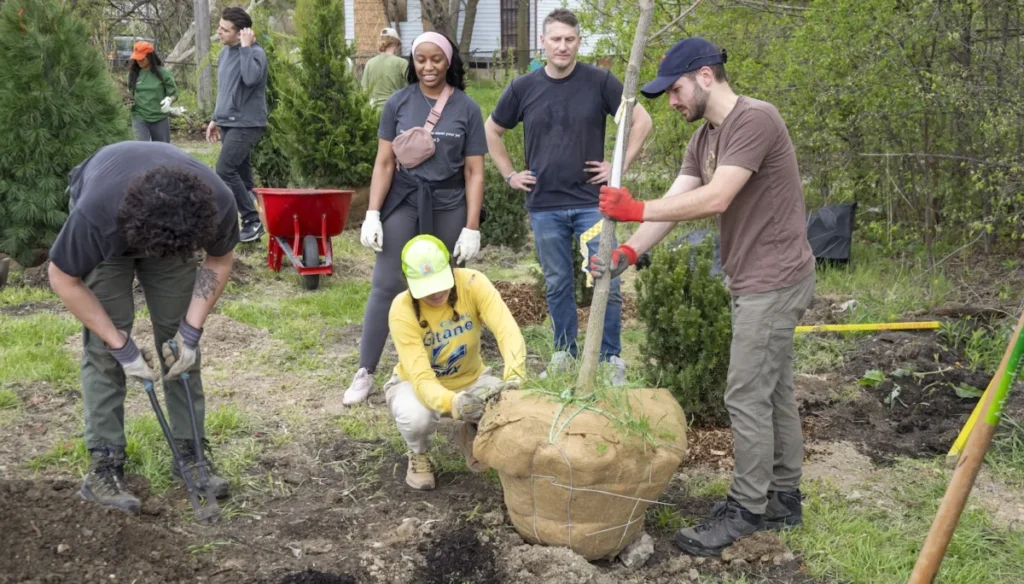
 Reynand Wu
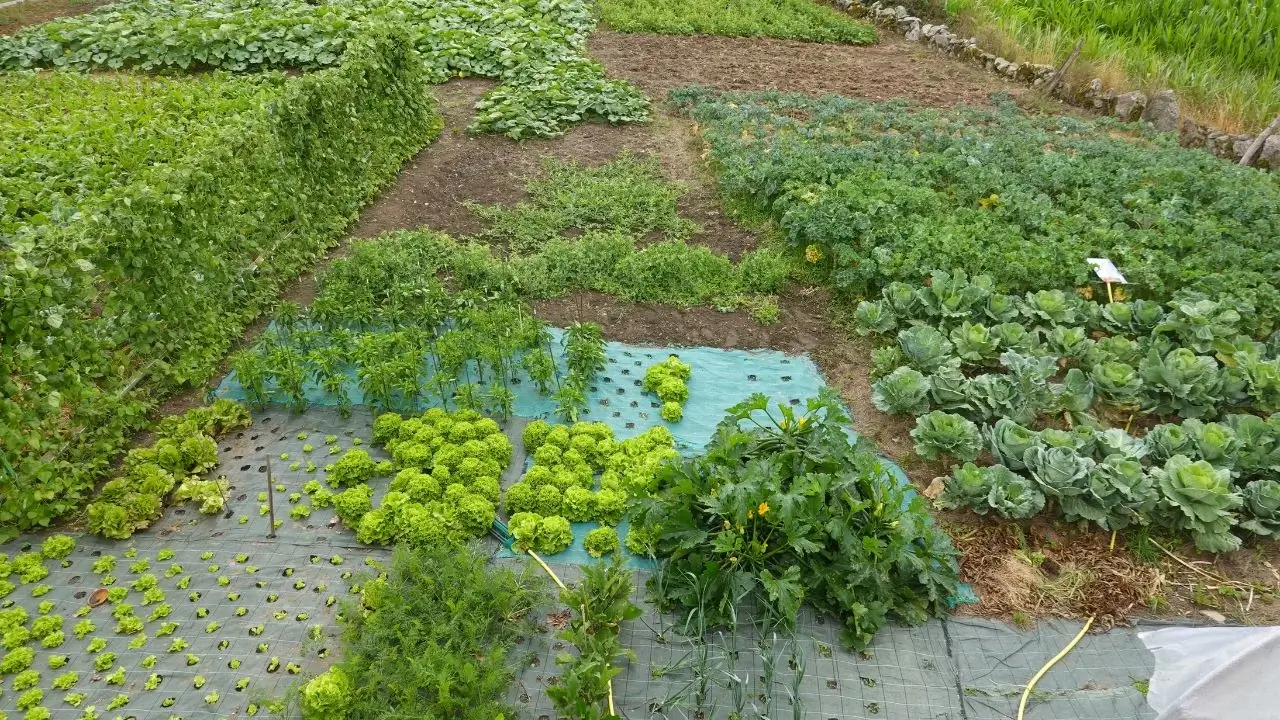
For decades, the term "permaculture" was relegated to the fringes of agricultural discourse, often associated with remote homesteads or experimental eco-villages. Today, however, that perception is shifting. As industrial agricultural systems face mounting pressures—from soil degradation and water scarcity to the rising costs of chemical inputs—the principles of regenerative design are finding a home in the most unlikely of places: the suburban backyard and the small-scale family farm.
At the forefront of this movement is Brandy Hall, founder of Shades of Green Permaculture. Through her work as a designer and educator, and as the author of The Complete Guide to Home Permaculture, Hall is demystifying regenerative land management. Her philosophy is simple yet profound: permaculture is not just for the vast acreage of the countryside; it is a scalable, systemic approach to living that can transform any plot of land into a self-sustaining, resilient ecosystem.
The Core Philosophy: Moving Beyond Extraction
Permaculture—a portmanteau of "permanent" and "agriculture"—is built on the foundational idea of working with, rather than against, the natural world. It is a design system that seeks to mimic the patterns and relationships found in nature to create productive, stable, and ecologically sound human environments.

"At its core, permaculture is about relationships," Hall explains. "It’s about understanding how water, soil, plants, animals, and people interact, and then designing systems that support those relationships rather than work against them."
For many, the transition to permaculture begins with a shift in mindset. Instead of viewing a farm or garden as a factory designed to extract yield, practitioners view it as a living entity that requires care, observation, and partnership. A regenerative farm, through this lens, is one that builds life. It replaces monocrops with diversity, integrates livestock into the cycle of soil fertility, and emphasizes perennial systems that yield year after year without the need for constant, heavy mechanical or chemical intervention.
A Personal Origin: The Catalyst for Change
Hall’s own journey into this field was not merely academic; it was deeply personal. Her introduction to her book outlines a harrowing experience with the effects of industrial herbicides on her family’s health. This exposure to the "downstream" consequences of conventional agricultural practices served as a catalyst, prompting her to seek a different, safer, and more holistic way to manage the land.

This story highlights a crucial tension in modern agriculture: the reliance on chemical inputs that often prioritize short-term efficiency over long-term biological health. By moving toward regenerative practices, Hall argues, we aren’t just saving soil; we are protecting the health of our families and our communities.
Implementing Permaculture: A Practical Framework
For farmers and gardeners looking to integrate these principles, Hall emphasizes that it is rarely necessary—or even advisable—to attempt a total, overnight overhaul.
The Hierarchy of Observation
Before planting a single seed or installing a drainage pipe, Hall stresses the importance of observation. "Where is water moving across the land? How can we slow it, spread it, and sink it?" she asks. By understanding the hydrology of a site, a farmer can turn a nuisance (excess runoff) into a resource (groundwater recharge).

Building the "Sponge"
One of the most critical, yet often overlooked, aspects of permaculture is soil health. Modern agriculture often leaves soil bare, making it vulnerable to erosion and compaction. Permaculture practitioners advocate for keeping soil covered year-round using mulch, cover crops, or living ground covers. This creates a "sponge" effect, increasing the soil’s organic matter and its capacity to hold water, which significantly reduces the need for external irrigation.
Buffering and Resilience
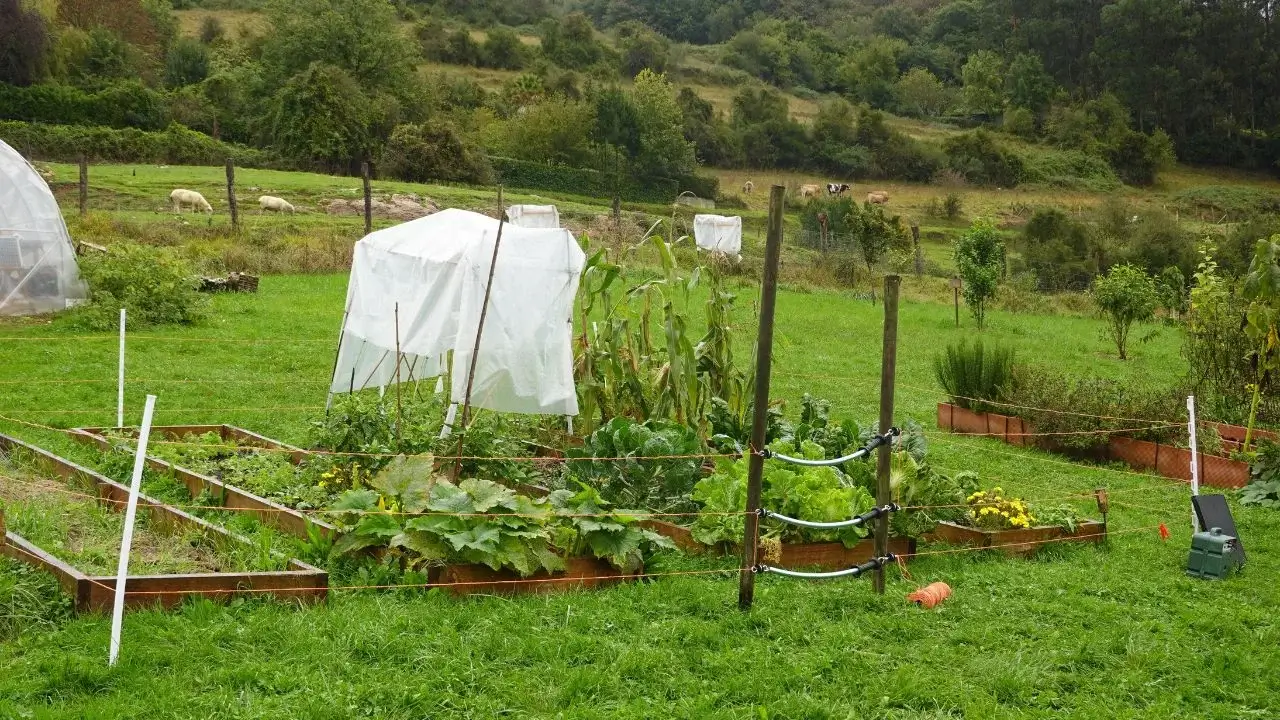
For those operating near large-scale, conventional farms, the challenge of chemical drift and environmental degradation is a harsh reality. Hall suggests that permaculture offers a robust defense through "buffering." By planting hedgerows, windbreaks, and dense, multi-layered edges, land managers can create a physical and ecological barrier that mitigates the impact of nearby industrial operations. These edges provide habitat for beneficial insects and wildlife, creating a "soft" border that protects the internal ecosystem.
The Role of Water Management
Water is the lifeblood of any agricultural system, yet it is frequently mismanaged. In many regions, the standard practice is to drain water away as quickly as possible. Hall argues that this is a fundamental error.
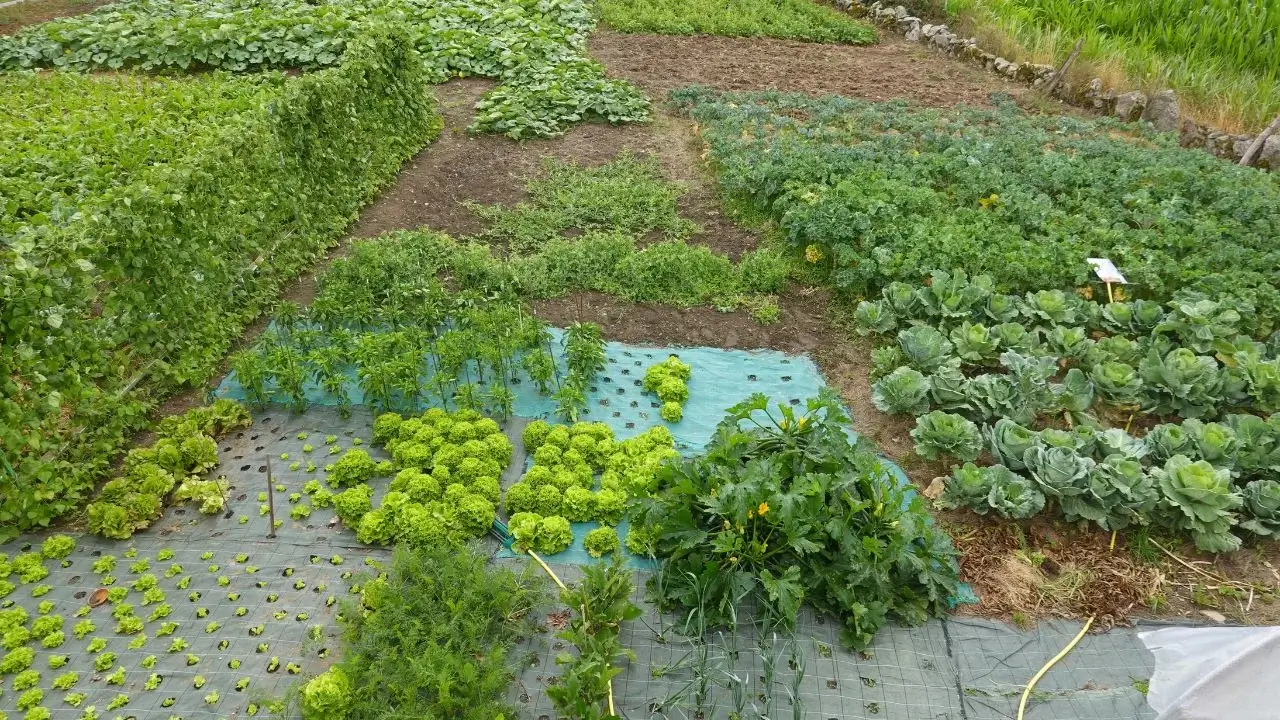
"People tend to treat water as a nuisance, sending it away, but then using city water and wells during periods of drought," Hall notes. By designing landscapes to slow water down—through swales, ponds, or contour plantings—farmers can store water within the landscape itself. This creates a buffer against the erratic weather patterns caused by a changing climate, such as the cycle of intense flooding followed by prolonged drought.
Addressing the Systemic View
A significant hurdle for many, especially those coming from a background of conventional farming, is the shift from thinking in terms of "individual beds" to "systems."
Permaculture encourages the use of "guilds"—groups of plants that, when planted together, support one another. For example, a fruit tree might be surrounded by nitrogen-fixing shrubs, ground-covering herbs that suppress weeds, and deep-rooted dynamic accumulators that pull nutrients from the subsoil. This is the antithesis of the monocrop model, where each plant is isolated and requires its own specific inputs.
Teaching the Next Generation: A Cultural Imperative
Perhaps the most lasting impact of the permaculture movement will be how it influences future generations. When asked about the pedagogical value of regenerative farming, Hall points to the necessity of teaching children to "observe and respond."
"We’ve inherited a model that often prioritizes short-term yield over long-term health," she says. "Regenerative work asks us to take a longer view. It asks us to understand that we are part of a living system, not separate from it."
Teaching the next generation involves more than just passing down technical skills; it involves passing down a sense of stewardship. It means showing them how to read the land, how to notice subtle changes in soil structure, and how to value the resilience of a system over the "perfection" of a sterile, high-input crop.

Implications for a Resilient Future
The implications of adopting these practices are profound. As we look toward a future characterized by ecological uncertainty, the ability to produce food in a way that sequesters carbon, restores biodiversity, and builds soil fertility is not just a lifestyle choice—it is a survival strategy.
While permaculture is often discussed in the context of the individual garden, its principles are entirely applicable at the farm scale. By reducing reliance on external inputs, farmers can improve their bottom line while simultaneously insulating their operations from the volatility of global supply chains and fluctuating market prices for fertilizers and pesticides.
Conclusion: A Call to Action
Brandy Hall’s work acts as a bridge between the traditional wisdom of land stewardship and the modern scientific understanding of ecology. Whether you are tending a small backyard plot or managing hundreds of acres, the message remains the same: the land has an innate capacity for healing.

By shifting our focus from extraction to regeneration, we can begin to mend the frayed relationship between human society and the natural environment. We may not be able to change the entire industrial agricultural system overnight, but as Hall demonstrates, we can start right where we are. We can observe, we can adapt, and we can plant the seeds of a more resilient, sustainable future—one garden, one farm, and one ecosystem at a time.


 Evan Lee Salim

 Asep Darmawan





