



 Evan Lee Salim
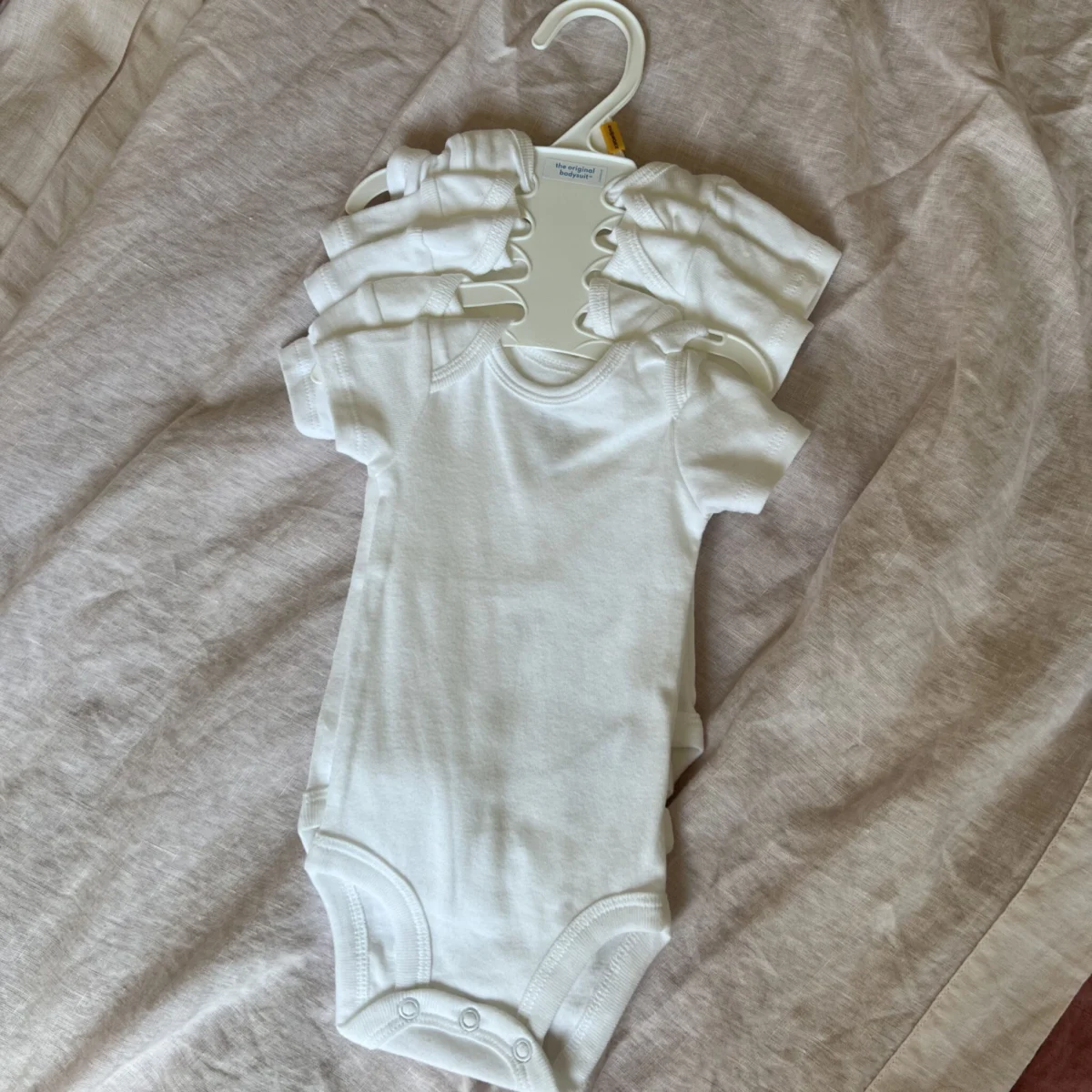
In the modern nursery, plastic is the silent architect of the environment. From the synthetic fibers of the carpet where an infant crawls to the polyester onesies they wear, and the disposable diapers that wrap their skin 24 hours a day, the presence of petroleum-based polymers is nearly inescapable. However, a growing body of scientific research and a shift in consumer advocacy are highlighting the potential long-term health risks associated with this "plasticized childhood."
The primary concern revolves around phthalates—chemical plasticizers used to make polyvinyl chloride (PVC) and other plastics soft and flexible—and their role as endocrine disruptors. For a developing infant, whose biological systems are in a state of rapid flux, exposure to these chemicals is increasingly viewed by health experts not just as an environmental concern, but as a public health priority.
Main Facts: The Pervasiveness of Synthetic Materials in Early Development
Most conventional baby products are manufactured with high concentrations of plastic. This includes obvious items like rattles, bottles, and teething rings, but also less apparent sources such as "soft-touch" fabrics and the inner linings of disposable diapers. The issue is multifaceted: babies interact with their environment primarily through tactile and oral exploration. When an infant chews on a plastic toy or handles synthetic materials and then places their hands in their mouth, they create a direct pathway for chemical ingestion.
Phthalates, which are not chemically bound to the plastics they inhabit, can easily leach out into the air, dust, or directly into the body through dermal contact and ingestion. Recent studies have linked these chemicals to significant disruptions in the human endocrine system. Because the endocrine system regulates hormones—the body’s chemical messengers—any interference during infancy can have cascading effects on growth, metabolism, and reproductive health.
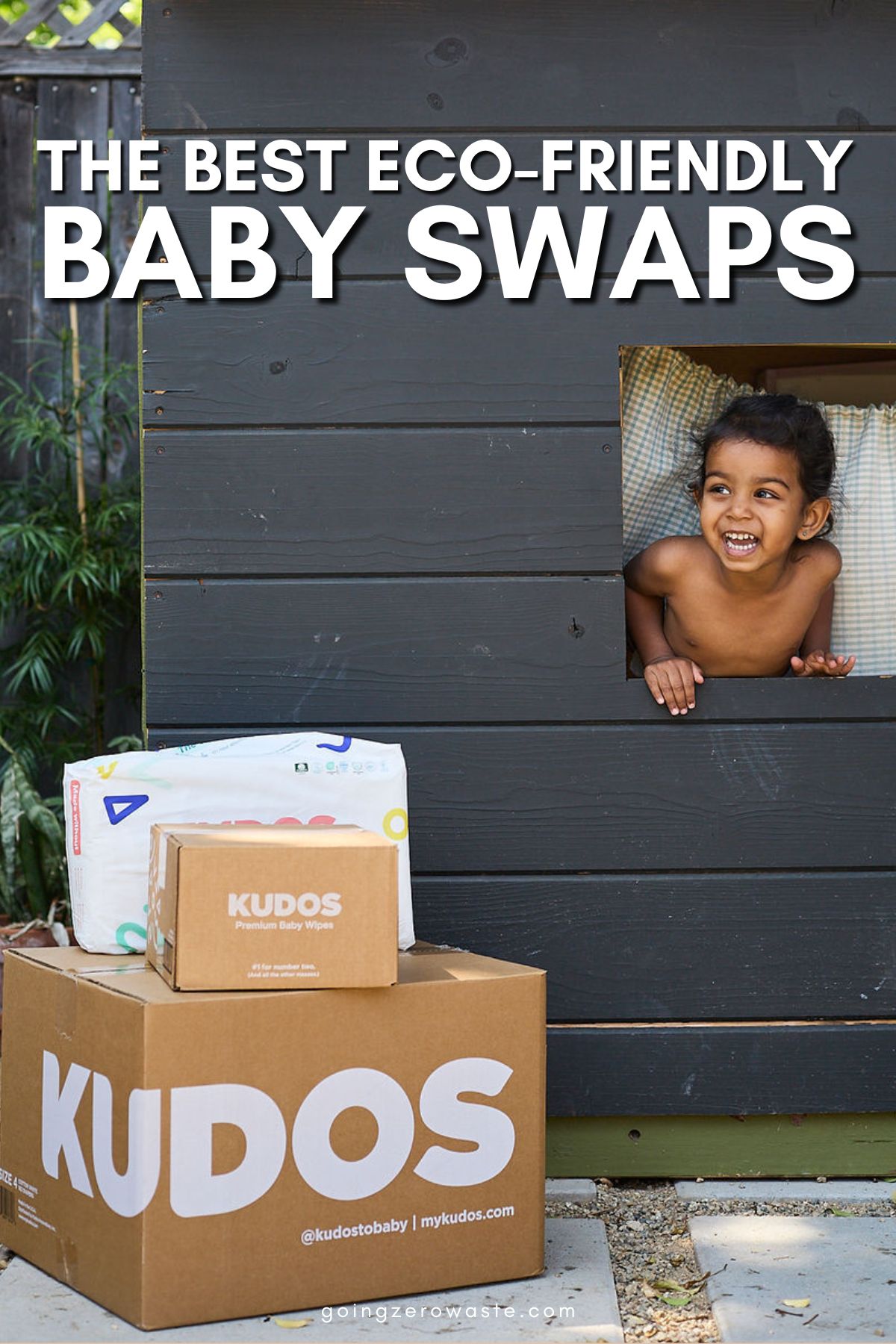
Innovative companies, such as the diaper brand Kudos, are beginning to address these concerns by re-engineering the most basic of baby essentials. By introducing the first disposable diaper with a 100% cotton liner, manufacturers are attempting to reduce the "plastic-to-skin" contact ratio. However, the broader market remains dominated by synthetic materials, leaving parents to navigate a complex landscape of chemical safety.
Chronology: From Natural Materials to the Disposable Revolution
To understand the current saturation of plastic in baby care, one must look at the industrial shifts of the mid-20th century.
- Pre-1950s: The standard for baby care relied heavily on natural materials. Diapers were made of cloth (usually cotton or linen), bottles were glass, and toys were predominantly wood, metal, or natural rubber.
- 1950s – 1970s: The "Disposable Revolution" took hold. The invention of the first mass-market disposable diapers replaced cotton with plastic-backed paper and eventually super-absorbent polymers (SAP). Plastic bottles replaced glass due to their shatterproof nature and lower shipping costs.
- 1980s – 2000s: Synthetic textiles like polyester and fleece became the norm for children’s sleepwear due to their durability and low cost. Phthalates became ubiquitous in everything from "squeaky" bath toys to the coatings on nursery wallpapers.
- 2010s – Present: A "Non-Toxic" resurgence has emerged. As epidemiological studies began linking plastic additives to developmental issues, a new market for "clean" baby products was born. Parents began seeking BPA-free (Bisphenol A) products, leading to a broader scrutiny of all plastic additives, including phthalates and microplastics.
This timeline illustrates a move from safety-through-simplicity to convenience-through-chemistry, and finally, to the current era of "material transparency," where parents are demanding a return to natural fibers without sacrificing modern performance.
Supporting Data: Quantifying the Risk to Infants
The biological vulnerability of infants cannot be overstated. According to the National Institutes of Health (NIH), children breathe more air, drink more water, and eat more food per pound of body weight than adults, meaning their relative exposure to environmental toxins is significantly higher.
The Phthalate Impact
A study published in Healthcare and archived by the National Library of Medicine examined the effects of phthalate exposure on children. The findings were stark: exposure adversely affected levels of reproductive hormones and thyroid function. Specifically, researchers measured "anogenital distance" (AGD) in infants—a marker for prenatal hormone disruption—and found significant correlations between high phthalate levels in mothers and developmental changes in male infants.
The Microplastic Crisis
In 2020, a landmark study published in Nature Food revealed that plastic baby bottles shed millions of microplastic particles when heated or shaken during formula preparation. The research estimated that bottle-fed infants might be consuming an average of 1.5 million microplastic particles per day. The long-term health implications of such high levels of internal plastic consumption are still being studied, but the sheer volume of particles has alarmed the pediatric community.
Material Standards and Certifications
To combat these risks, several international standards have become benchmarks for safety:
- OEKO-TEX Standard 100: This certification ensures that every component of a textile (threads, buttons, and linings) has been tested for harmful substances.
- FSC (Forest Stewardship Council): This ensures that the wood pulp used in diaper cores or toys comes from responsibly managed forests.
- TCF (Totally Chlorine Free): Unlike "Elemental Chlorine Free" (ECF), TCF ensures that no chlorine or chlorine derivatives were used in the bleaching process, preventing the formation of dioxins—potent carcinogens.
Official Responses and Industry Trends
Regulatory bodies have been slow to keep pace with the rapidly evolving science of endocrine disruption. In the United States, the Consumer Product Safety Commission (CPSC) has banned several types of phthalates in toys and childcare articles at concentrations higher than 0.1%. However, many advocates argue that these regulations do not go far enough, as they often do not cover the synthetic materials used in carpets, clothing, or the non-toy components of diapers.
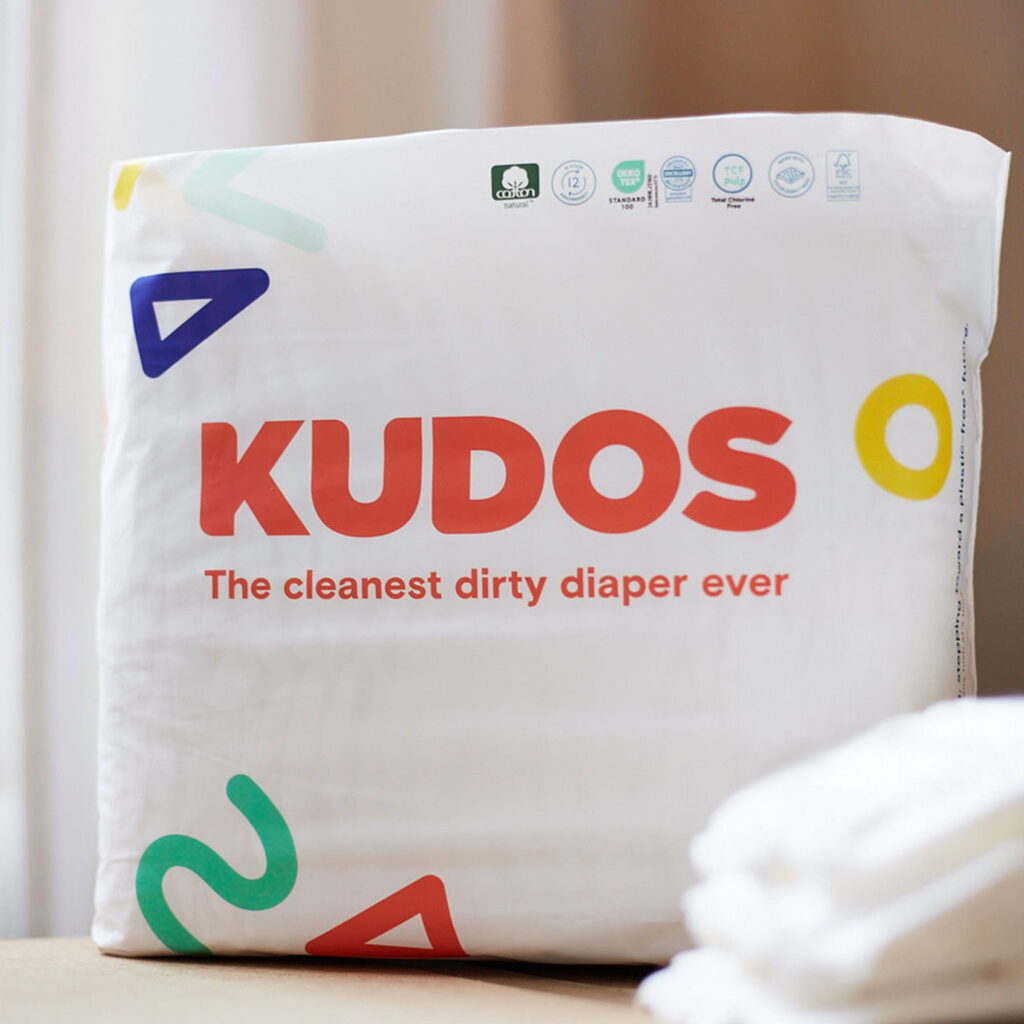
In response to the lack of stringent federal oversight, the private sector has seen a surge in "engineer-led" parenting brands. For example, Kudos was founded by an MIT-trained engineer who sought to apply material science to the problem of plastic exposure. By replacing the standard plastic topsheet of a diaper—the part in constant contact with an infant’s most absorbent skin—with U.S.-sourced, dry-processed cotton, the company demonstrated that high-performance disposables do not strictly require a plastic interface.
Furthermore, the American Academy of Pediatrics (AAP) has issued guidance suggesting that parents avoid microwaving plastic food containers or putting them in the dishwasher, as heat accelerates the leaching of chemicals. These "official" tips signify a shift in the medical establishment toward a "precautionary principle" regarding plastics.
Implications: The Future of the "Non-Toxic" Nursery
The implications of the plasticized infancy reach beyond individual health, touching on environmental sustainability and socio-economic equity.
The Environmental Paradox
The reliance on plastic in baby care contributes to a massive waste problem. Traditional disposable diapers take an estimated 500 years to decompose in a landfill. While "natural" disposables like those made with cotton liners or FSC-certified pulp are a step toward reducing chemical exposure, they still contribute to the global waste stream. This has led to a renewed interest in hybrid models—such as high-quality cloth diapers supplemented by plastic-minimized disposables for travel or daycare.

The Socio-Economic Divide
One of the most pressing implications of the shift toward non-toxic baby care is the "toxic divide." Natural fibers, glass bottles, and organic cotton clothing are often significantly more expensive than their plastic counterparts. For many families, the ability to "opt-out" of plastic exposure is a luxury they cannot afford. This raises ethical questions about whether chemical safety should be a premium feature or a baseline right for all infants regardless of their family’s income.
The Path Forward for Parents
For parents looking to reduce exposure without becoming overwhelmed by the impossibility of a 100% plastic-free life, experts suggest a "triage" approach:
- Prioritize the "Interface": Focus on items that have the most contact with the baby’s skin or mouth (diapers, bottles, and teethers).
- Avoid Heat: The simplest and most cost-effective way to reduce microplastic exposure is to never heat plastic. Using glass for warming milk and transferring it to a bottle only after it has cooled can drastically reduce particle shedding.
- Choose Natural Fibers: When purchasing new clothes or rugs, opting for cotton, wool, or hemp reduces the presence of synthetic microfibers in the home’s dust.
As the scientific community continues to unravel the complexities of the human microbiome and the endocrine system, the trend toward "low-plastic" parenting is likely to evolve from a niche lifestyle choice into a standard of care. The goal is not to achieve a state of perfect purity—an impossible task in the 21st century—but to make informed swaps that prioritize the biological integrity of the next generation.

 Nana

 Ammar Sabilarrohman






