


 Neng Nana
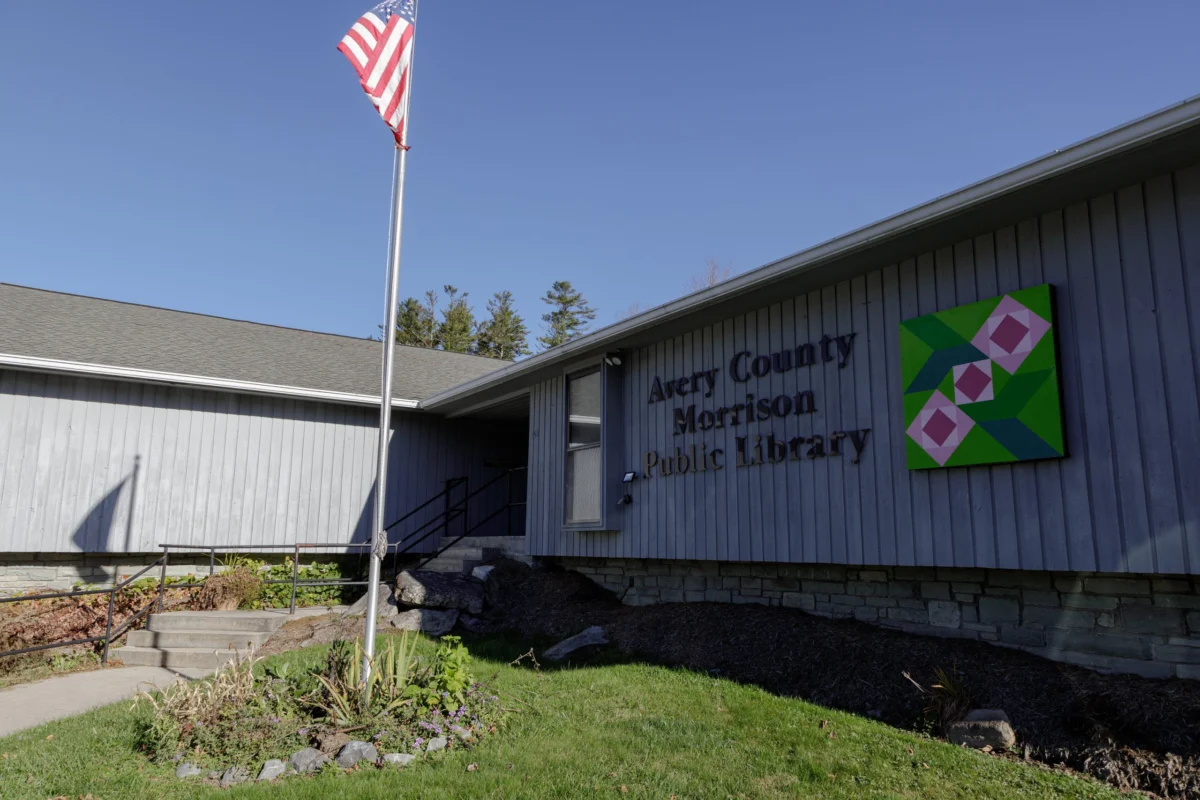
In an era defined by digital isolation and the erosion of common civic spaces, one institution remains an enduring—if underappreciated—pillar of American society: the public library. With over 17,000 locations across the United States, there are more public libraries today than there are hospitals or McDonald’s restaurants. Yet, when policymakers and citizens discuss "critical infrastructure," the conversation almost exclusively gravitates toward bridges, power grids, and broadband cables.
This failure of perception is more than just a linguistic oversight; it is a systemic disconnect that threatens to obscure a lifeline for millions of families. As budget cuts tighten their grip on community resources, the public library has quietly evolved into a multifunctional hub for early literacy, workforce development, and social cohesion. The challenge for the modern era is no longer just providing these services—it is ensuring that the families who need them most can actually find them.
The Rebound: A Surge in Civic Reliance
Despite the existential threats posed by the pandemic, which forced a temporary shuttering of doors, public libraries are staging a robust comeback. Data from 2023 indicates that American adults and children made more than 800 million visits to public libraries. This figure represents an average of 2.2 million visits per day, nearly doubling the engagement levels seen in 2021.
While foot traffic has not yet reached pre-2020 peaks, the upward trajectory is undeniable. This growth is not accidental; it is the result of a deliberate expansion of offerings. Libraries have moved beyond the traditional repository of books to become active agents of community support. From the single-room facility in Donnelly, Idaho, that provides essential after-school care to the District of Columbia Public Library System’s 2,600 free summer events, libraries are filling the voids left by austerity-driven public policy.
A Chronology of Evolution: From Stacks to STEAM
To understand the current state of the library, one must look at its rapid transformation over the last two decades.
- The Early 2000s: Libraries solidified their role as the "great equalizers" of the digital divide, providing the first point of public access to the internet for millions of low-income Americans.
- The 2010s: As the workforce became increasingly digital, libraries pivoted toward professional development, offering resume workshops, digital literacy courses, and small business support.
- The Pandemic Era (2020-2022): Faced with closures, libraries digitized their programming, proving that their value lay in their content and connection rather than just their physical space.
- The Present Day (2023-2024): The focus has shifted to "experiential programming." Modern libraries now host "STEAM Teams," where children engage in high-level learning—constructing catapults, recording podcasts, and conducting chemistry experiments—that rivals the curriculum of private enrichment centers.
Supporting Data: The Economics of Free
The most compelling argument for the library’s importance is economic. Families are often forced to shell out hundreds of dollars for private tutoring, STEM camps, or early childhood sing-alongs. In a library, these services are not only free but are frequently delivered with a level of expertise that matches or exceeds for-profit alternatives.
Consider the pedagogical impact: A Saturday morning sing-along in a library branch is not merely entertainment; it is an evidence-based early language intervention. Pediatricians have long championed this kind of exposure as a primary predictor of school readiness. By providing this infrastructure at no cost, libraries serve as a critical buffer against the rising cost of living and the widening gap in educational opportunity.
The Visibility Gap: A Failure of Marketing
If the services are so essential, why are they not universally utilized? The answer lies in a glaring technological and communicative gap.
Research from organizations like Child Trends consistently shows that parents primarily search for educational resources through Google, school websites, and word-of-mouth recommendations. Yet, many public libraries continue to rely on "analog" marketing—flyers posted on physical bulletin boards. This strategy effectively limits outreach to those who are already walking through the library doors, ignoring the working parent searching for "tutoring near me" on their smartphone at 9 p.m.

"Free is not always findable," notes Jon Deane, CEO of the nonprofit GreatSchools. The current infrastructure fails to integrate library offerings into the platforms that families already trust and use daily. When a parent looks for school data or after-school options, the local library’s calendar is rarely surfaced alongside those results. This is a missed opportunity for seamless civic integration.
Philanthropy: A Century-Old Precedent
The history of American libraries is inextricably linked to private philanthropy. Over a century ago, Andrew Carnegie recognized that a democratic society cannot function without a citizenry that has broad access to knowledge. His investment in 1,700 library buildings created the physical foundation of our modern information landscape.
Today, the need for a "Carnegie-style" intervention is different. It is not about brick and mortar; it is about bits and bytes. Philanthropic investment is needed to:
- Build Shared Technology: Small, rural, or underfunded libraries cannot afford to develop their own high-end discovery platforms or sophisticated digital outreach tools. Philanthropy can fund the development of shared, open-source technology that allows smaller branches to compete with the digital visibility of large, well-funded urban systems.
- Professionalize Outreach: Libraries need dedicated staff whose primary role is to bridge the gap between library programming and community awareness. This means staffing roles that focus on digital marketing, social media engagement, and partnerships with school districts.
- Integrate Data: By partnering with existing educational platforms, philanthropic organizations can help libraries "surface" their events and services directly into the workflow of a parent looking for support.
Implications: The Last Trustworthy Space
Perhaps the most profound implication of this issue is the role of the library in a polarized nation. As Americans lose faith in government, media, and other shared institutions, public libraries remain one of the few spaces that command high levels of public trust. They are, quite literally, the last remaining "third space" where citizens of all backgrounds, political affiliations, and socioeconomic statuses can congregate without a commercial barrier to entry.
However, letting libraries drift into a state of digital invisibility is a policy choice. When we fail to connect families to these resources, we are essentially choosing to let that trust atrophy. We are allowing the divide between those who have access to enrichment and those who do not to widen, all while the resources to prevent that outcome sit idle behind the doors of our local branches.
Conclusion: A Call to Action
The buildings are already standing. The programming is already extraordinary. The staff is already dedicated to the mission of public service. The missing link is the modern infrastructure required to make these services discoverable to the modern family.
Closing the gap does not require reinventing the wheel. It requires a strategic pivot toward integration. It requires schools, community organizations, and local government to acknowledge the library as a partner in the educational ecosystem. Most importantly, it requires a new generation of philanthropic visionaries to realize that the most impactful investment in democracy isn’t necessarily a new project—it is ensuring that the ones we have are seen, understood, and utilized to their fullest potential.
In a world that feels increasingly fragmented, the public library stands as a bastion of accessibility. It is time we treated it with the urgency, investment, and technological sophistication that its role as a critical institution demands. We have the foundation; now, we must ensure that every family has the map to find it.

 Laily UPN

 Nila Kartika Wati






