

 Laily UPN
Introduction: The Sound of Broken Promises
On the night of March 18, 2025, the silence of a Ramadan night in Gaza was shattered by a cacophony of explosions. For Alaa Dmeida and her family, the rhythmic thuds were not merely noise; they were the sound of an fragile, two-month-old ceasefire collapsing. The hope that the holy month would bring a respite from the cycle of bombardment, hunger, and displacement vanished in a matter of hours.
For many, the physical act of fleeing is the most visible aspect of the war in Gaza. However, for families like the Dmeidas, the true trauma lies in the psychological baggage they carry—often represented by a small, mundane object: the key to a home that may no longer exist. This narrative explores the ongoing struggle of Palestinians caught in a perpetual state of "returning" to a reality that has been systematically erased.
A Chronology of Displacement: 2025–2026
The timeline of the past year for those in northern Gaza has been defined by forced movement, short-lived hopes, and the persistent denial of stability.
- January 19, 2025: A period of relative calm begins, providing a brief window for families to breathe and prepare for the upcoming holy month of Ramadan.
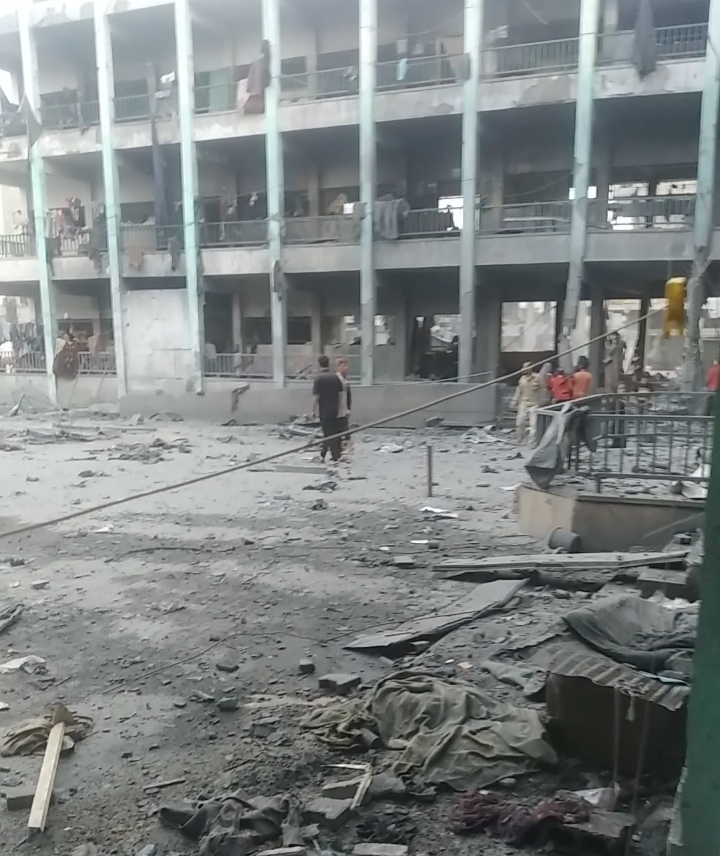
- March 18, 2025: Airstrikes resume, effectively ending the ceasefire. The Dmeida family is forced to flee their home in Jabalia, seeking shelter in a local school.
- June 6, 2025: During the festival of Eid al-Adha, a time intended for communal prayer and celebration, the area is hit by intense artillery and helicopter-borne strikes. An immediate evacuation order follows.
- June 11, 2025: The realization of loss. Alaa’s father returns to the Jabalia neighborhood only to confirm that their family home has been leveled.
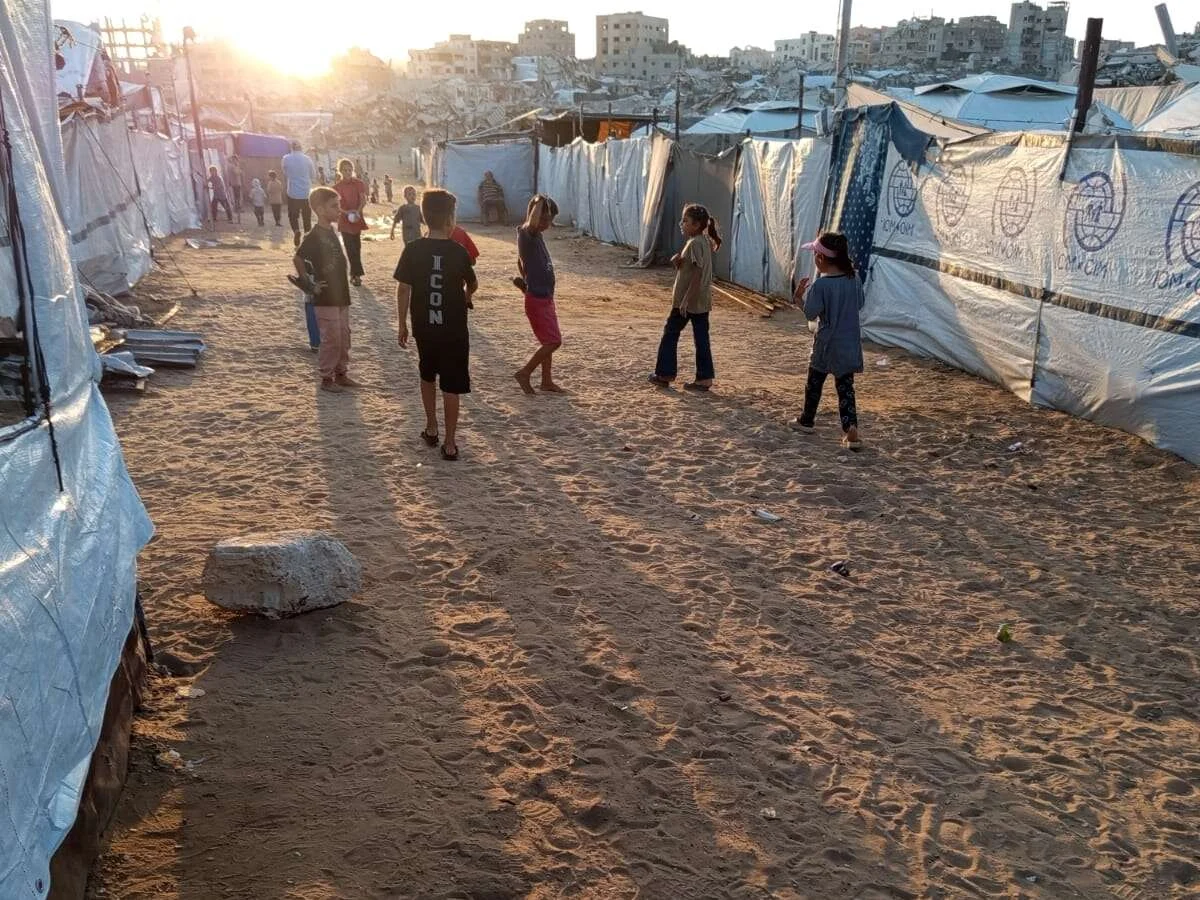
- September 22, 2025: After further displacements through the Daraj area, the family arrives at Al-Awda Camp in Al-Zawaida. The name "Al-Awda" (The Return) serves as a bitter, poignant reminder of their aspirations.
- October 11, 2025: A new ceasefire agreement is announced. While it allows for a return to northern Gaza, the family finds their neighborhood cordoned off within a military "Yellow Line," rendering their home physically inaccessible.
The Symbolism of the Key: A Generational Burden
For Alaa Dmeida, the key in her bag is more than a piece of hardware. It is an artifact of resilience that echoes the experiences of her ancestors in 1948. Throughout the chaos of 2025 and 2026, the key moved from one displacement camp to the next, serving as a talisman of identity.
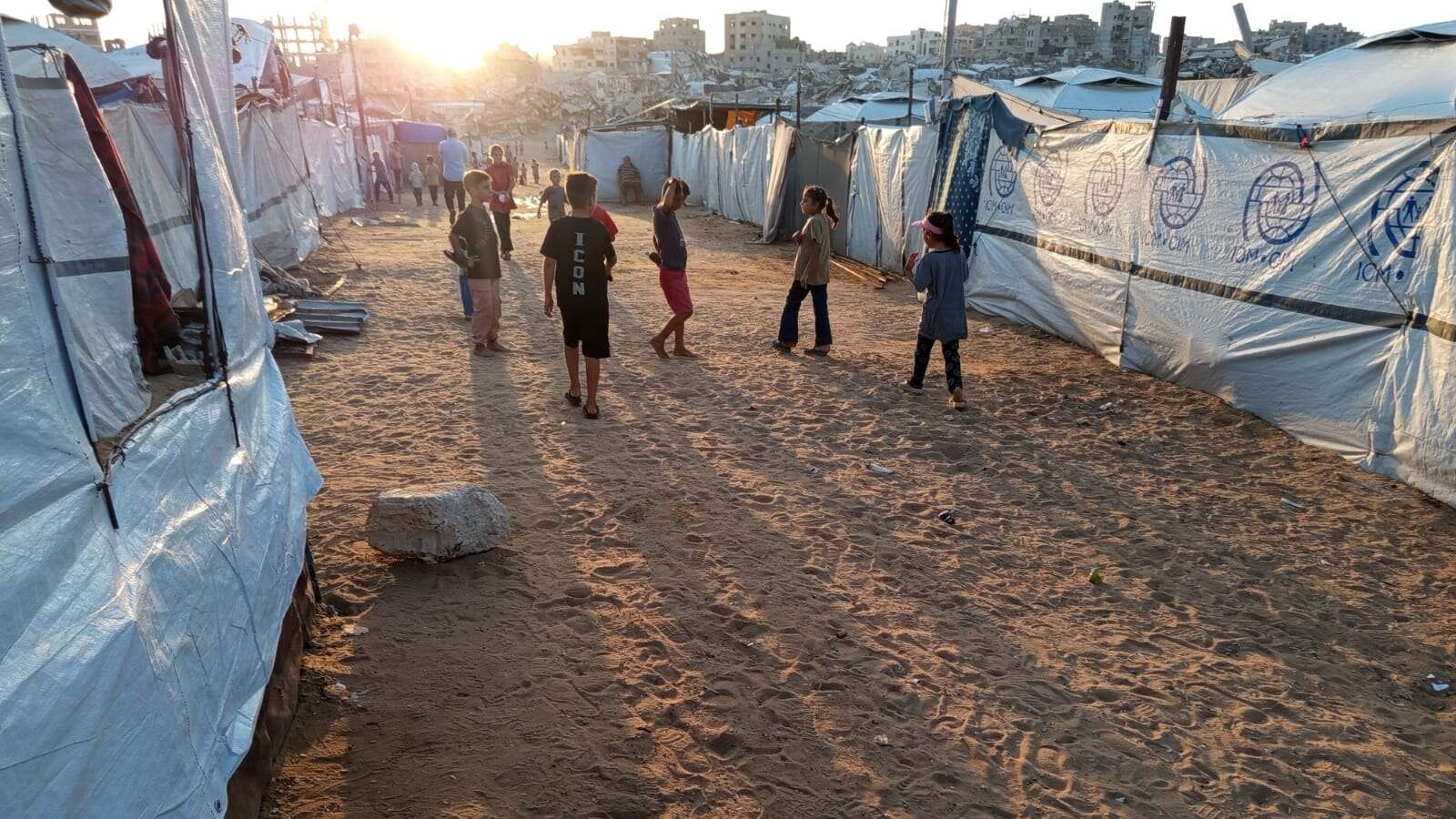
"I knew it could no longer open the door I remembered because the door itself was no longer there," Dmeida reflects. "Still, I kept carrying it. I did not carry it because I believed it could open a destroyed house. I kept it because discarding it felt like giving up the possibility of return."
This act of carrying a key to an absent door is a central element of the Palestinian collective consciousness. It serves as a defiant refusal to accept that the history of a family can be wiped clean by military force.
Supporting Data and the Reality on the Ground
The statistics of this period underscore the scale of the crisis. According to data provided by the Palestinian Ministry of Health, the resumption of violence in 2025 resulted in at least 1,460 deaths and 5,116 injuries. These figures, however, only capture the immediate toll; they do not account for the profound loss of infrastructure, the destruction of historical neighborhoods, or the psychological toll on a generation of children growing up in tents.
The concept of the "Yellow Line"—a designation used by the Israeli military to restrict movement—has become a primary tool in preventing civilians from reclaiming their properties. For residents like Mohammed Abu Yasser, the proximity of his home makes the displacement even more agonizing.

"My house is still there, but I cannot reach it," Abu Yasser notes. "It is strange to know that your home is standing somewhere and that you are still unable to go back to it."
Official Responses and the Failure of Diplomacy
International diplomatic efforts during 2025 were characterized by a recurring cycle of "ceasefire" announcements that frequently failed to materialize into meaningful security for civilians. While international bodies often cited these agreements as progress, the lived reality for those in northern Gaza remained one of gunfire, restriction, and the continued threat of aerial bombardment.
Humanitarian agencies have repeatedly warned that the term "ceasefire" has been hollowed out. Without the restoration of freedom of movement, the ability to rebuild, and the cessation of military operations in civilian zones, these agreements have functioned more as tactical pauses than genuine peace initiatives. The international community’s inability to enforce these agreements has left thousands in a state of suspended animation—living in camps while their homes sit within sight, yet just out of reach.
Implications: The Redefinition of "Home"
The long-term implications of this sustained displacement are profound. For those like Abu Yasser and Dmeida, the definition of "home" has undergone a radical shift.
"Before the war, I thought home was a place you could always return to," Abu Yasser explains. "After years of displacement, I understand home differently. It is the people, the memories, and the feeling that you belong somewhere. That is why losing access to a place can feel like losing part of yourself."
This shift has significant implications for the future of Gaza. If the physical structures of neighborhoods are destroyed and access is permanently barred, the "return" becomes a metaphysical concept rather than a logistical one. The persistence of the displaced in holding onto keys and maintaining community structures within refugee camps suggests that the attachment to the land remains as strong as ever, despite the systematic efforts to sever it.
Conclusion: A Future in Suspension
As the year progresses toward 2027, the situation for the Dmeida family and thousands of others remains unresolved. Alaa has graduated from university, children have grown, and the cycle of survival continues. The key remains in her possession—a small, heavy piece of metal that signifies a history of endurance.
Whether the "Return" will ever manifest as a walk back through a front door remains an open question. For now, the act of carrying the key is an act of resistance, a refusal to let the past—and the hope for a future—be locked away. The international community watches as the clock ticks, but for the people of Gaza, time is not measured in months or years, but in the distance between where they are now and the homes that remain just beyond the horizon.


 Nana Wu