


 Muslim

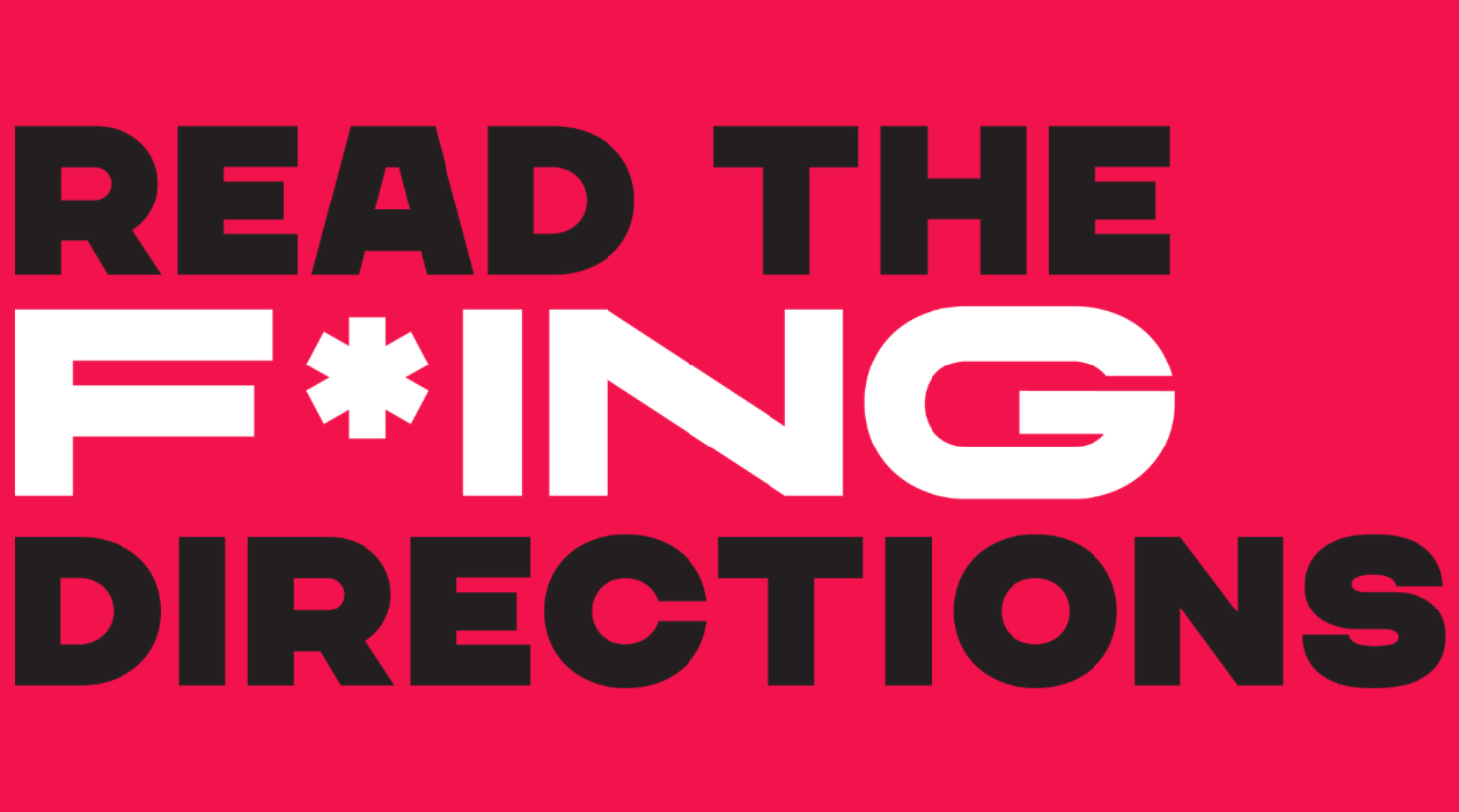
In an era where the mechanics of democracy are under intense public scrutiny and legal debate, the margin between a cast ballot and a counted one is often defined by the fine print. Recognizing this, the nonpartisan advocacy organization Spread the Vote announced the September relaunch of its flagship digital resource, Read the F-ing Directions. This initiative serves as a centralized, user-friendly hub designed to demystify the complex, state-by-state regulations governing mail-in ballots. By providing granular, step-by-step guidance, the project aims to drastically reduce the number of ballots disqualified due to preventable clerical errors.
The Core Objective: Eliminating Preventable Disqualification
The impetus for the project is rooted in a sobering statistic: since 2020, more than half a million ballots have been rejected in national elections. Many of these rejections were not the result of malicious intent or systemic failure, but rather simple, avoidable mistakes. From missing signatures and witness requirements to envelopes lacking the necessary postage or failing to meet specific drop-off deadlines, these "technical fouls" have disenfranchised hundreds of thousands of voters.
Read the F-ing Directions functions as a digital roadmap for the modern voter. It aggregates official, state-sanctioned instructions for all 50 states and the District of Columbia. By anchoring its guidance strictly to official sources—state election boards and local government agencies—the resource provides a "source of truth" that helps voters navigate a fragmented electoral landscape.
A Chronology of Mail-in Voting Challenges
To understand why this resource is vital, one must look at the evolution of mail-in voting over the last several years:
- 2020: The Pandemic Pivot: The COVID-19 pandemic triggered a massive surge in mail-in voting. For many, it was a first-time experience. However, the rapid scaling of this infrastructure highlighted a significant knowledge gap, particularly among younger, first-time voters.
- 2021–2023: The Legislative Shift: Following the 2020 election, numerous states moved to either tighten or expand their mail-in voting statutes. This created a patchwork of regulations where a valid ballot in one county might be rejected in the next.
- Summer 2026: The Supreme Court Intervention: The legal landscape faced further upheaval this past summer when the Supreme Court declined to enact sweeping changes to mail-in voting protocols. This decision solidified the current, varied state systems, leaving the onus on the voter to master their specific local requirements.
- September 2026: The Relaunch: Recognizing that the 2026 election cycle would feature high levels of confusion, Spread the Vote relaunched their platform to provide up-to-date, state-specific mandates for the upcoming midterms and local elections.
Supporting Data: Why Accuracy Matters
Research conducted by organizations such as the Center for Information & Research on Civic Learning and Engagement (CIRCLE) at Tufts University has highlighted a disturbing trend: youth engagement with mail-in ballots is high, but the barrier to entry—in terms of bureaucratic literacy—is equally high.
Data from the 2020 cycle indicates that younger voters, who are increasingly reliant on digital resources for information, were disproportionately affected by mail-in ballot rejections. The complexity of the process acts as a "soft suppression" mechanism. When a voter is unsure whether to use a black or blue pen, or where to place a stamp, they are significantly more likely to abandon the process or commit an error that leads to disqualification.
The Read the F-ing Directions platform addresses this by providing:
- Eligibility Verification: Helping voters determine if they qualify for mail-in voting in their jurisdiction.
- Deadline Calendars: Providing clear dates for when ballots must be postmarked versus when they must be received.
- Instructional Clarity: Simplification of the often-dense legalese found on official government ballots.
Official Responses and Civic Implications
The importance of such resources has been echoed by election administrators nationwide. While local election officials strive for transparency, they are often overwhelmed by the volume of inquiries during the final weeks of an election. A self-service tool that directs voters to official, verified information reduces the administrative burden on polling offices and increases the probability of a successful, counted ballot.
However, the existence of the site also underscores a larger, more systemic issue: the lack of standardized voting procedures in the United States. While proponents of decentralized elections argue that it allows for local control and security, critics argue that it creates a "ballot lottery" where the difficulty of voting depends entirely on one’s zip code.
"The goal is simple," a spokesperson for Spread the Vote noted during the relaunch. "We want to ensure that no citizen loses their right to vote simply because they missed a minor instruction on an envelope. Democracy is about participation, not a test of one’s ability to navigate red tape."
The Implications for the 2026 Election Cycle
As the nation approaches the upcoming elections, the stakes could not be higher. With mail-in voting continuing to dominate headlines and public discourse, the legitimacy of the electoral process rests on the public’s confidence that their votes are being counted.
The implications of this resource are threefold:
1. Reducing Administrative Costs
When fewer ballots are rejected for errors, election offices spend less time and taxpayer money on "cure" processes—the administrative procedures used to contact voters and fix simple errors after a ballot has been submitted. By getting it right the first time, the system becomes more efficient.
2. Protecting the Youth Vote
If the 2020 election proved anything, it is that the youngest generation of voters is highly motivated but underserved by current voter education models. By providing a platform that meets this demographic on their terms—direct, concise, and digital—the project safeguards the representation of younger citizens in the democratic process.
3. Mitigating Misinformation
In an era of rampant election-related misinformation, the value of Read the F-ing Directions lies in its strict adherence to primary sources. By linking directly to official state and local government websites, the resource creates a buffer against the spread of false claims regarding ballot drop-boxes, signature matching, and postage requirements.
Conclusion: A Call to Civic Responsibility
The relaunch of Read the F-ing Directions serves as a stark reminder that voting is a procedural act as much as it is a political one. As voters prepare for the coming weeks, the organization encourages not only individual diligence but also collective civic action. By sharing this resource, citizens can help ensure that their friends, family, and neighbors do not inadvertently disqualify themselves.
The platform stands as a testament to the idea that the most effective way to strengthen a democracy is to make its processes transparent and accessible to everyone. In a system as complex as that of the United States, providing a clear set of directions is not just a service—it is a vital defense of the franchise itself.
For those planning to exercise their right to vote by mail, the message is clear: visit readthefingdirections.com, consult the guidelines for your specific state, and ensure that your voice is heard. In the high-stakes theater of American elections, the simplest way to win is to make sure your vote is counted correctly the first time.

 Lina Irawan

 Lina Hope






