

 Laily UPN

By Anna Lee
In a final, somber resolution to a case that sent shockwaves through the international art community, Daniel Sikkema, 56, was sentenced to life in prison on November 4, 2026. The sentencing concludes a harrowing legal saga that began with the gruesome murder of his estranged husband, Brent Sikkema, a titan of the New York art world and co-owner of the prestigious Chelsea-based gallery, Sikkema Jenkins & Company.
The sentence, handed down by the United States District Court, marks the culmination of a federal investigation that spanned continents, exposing a dark intersection of greed, marital strife, and cold-blooded criminality. U.S. Attorney Jamie McDonald, speaking on behalf of the Southern District of New York, described the act as a "cold, calculated murder-for-hire plot" that demonstrated a "profound disregard for human life."
The Life and Legacy of Brent Sikkema
To understand the gravity of the loss, one must look at the stature of the man taken. Brent Sikkema, 75, was more than just a gallery owner; he was a foundational figure in contemporary art. Establishing the Sikkema Jenkins Gallery in the early 1990s alongside his business partner, Michael Jenkins, he became known for an impeccable eye and a commitment to artists who pushed the boundaries of their mediums.
Under his stewardship, the gallery evolved into a powerhouse, representing over 30 world-renowned artists, including Kara Walker, Sheila Hicks, and Vik Muniz. His passing left a void in the art world, where he was revered as a mentor, a visionary, and a steadfast supporter of creative expression. His death in January 2024 was not merely a private tragedy; it was a loss to the cultural fabric of New York City.
Chronology of a Tragedy
The timeline of the murder and its subsequent investigation reveals a desperate and meticulously planned scheme.
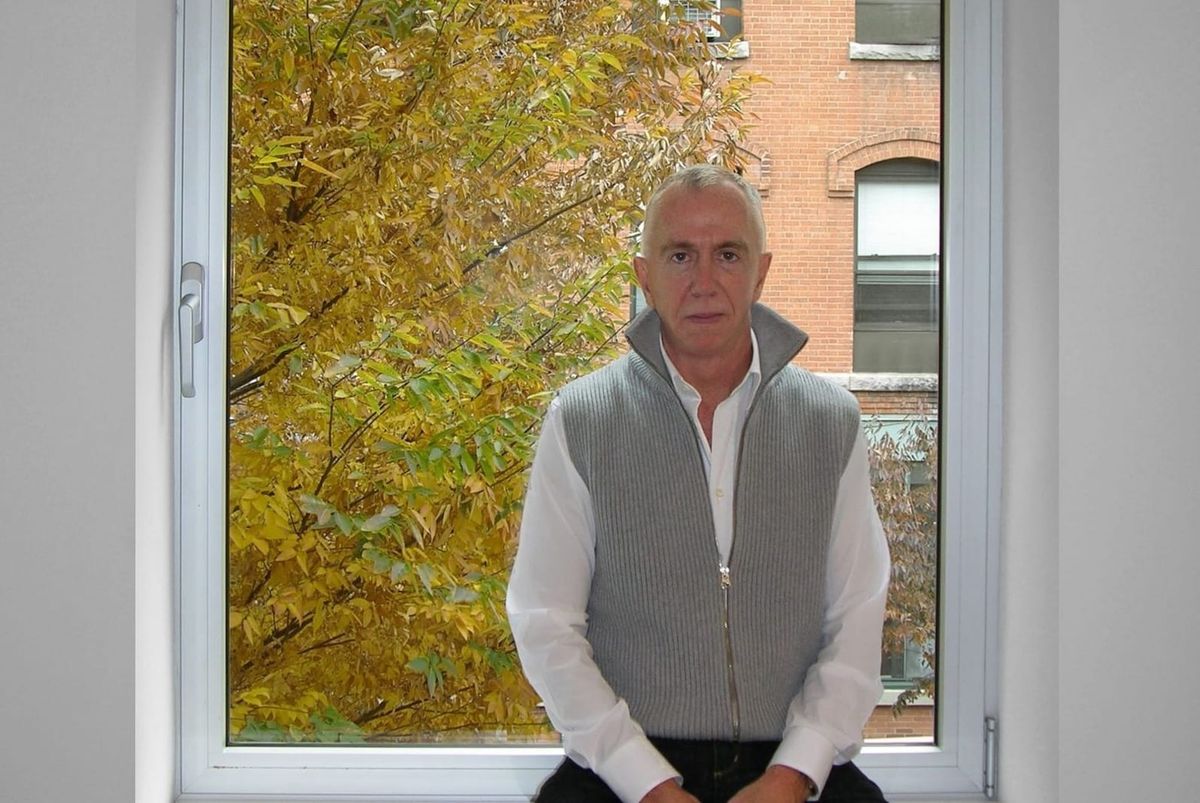
- January 2024: Brent Sikkema is found dead in his Rio de Janeiro residence. He had been stabbed 18 times in what initially appeared to be a home invasion gone wrong. Brazilian authorities immediately launched an investigation, which soon shifted from a robbery to a targeted execution.
- February 2024: Brazilian law enforcement officials arrest Alejandro Prevez, a former security guard for the couple, four days after the murder. Investigators uncover evidence suggesting that Prevez was not acting alone but was incentivized by a significant financial promise.
- March 2024: Daniel Sikkema is apprehended in Manhattan. While the initial arrest was predicated on passport fraud, federal agents soon layered on charges of conspiracy to commit murder-for-hire and conspiracy to murder a person in a foreign country.
- May 2026: Following a grueling two-week federal trial, a jury finds Daniel Sikkema guilty on all counts. The evidence presented—including digital communications and financial trails—painted a damning portrait of a man who viewed his spouse as a financial obstacle.
- November 4, 2026: The sentencing hearing concludes, with the judge imposing a life sentence plus five years of supervised release.
The Mechanics of the Plot
As the prosecution detailed during the trial, the motivation behind the murder was rooted in the couple’s acrimonious and protracted divorce proceedings. As the legal separation dragged on, the division of assets became a flashpoint.
Prosecutors argued that Daniel Sikkema, fearing a loss of wealth and status, sought a permanent solution. He orchestrated a plan to utilize Alejandro Prevez, a man intimately familiar with the couple’s habits and security measures, to carry out the act. Testimony revealed that shortly after the fatal encounter in Rio, Daniel Sikkema transmitted $5,000 to Prevez as a down payment, with promises of substantial future remuneration.
The "calculated" nature of the crime was emphasized by the U.S. Attorney’s office. It was not a crime of passion, but a business-like transaction involving the life of a human being. The manipulation extended beyond the victim; Daniel Sikkema was found to have leveraged his relationships with friends, family, and employees to mask his intentions, creating a web of deceit that eventually unraveled under the scrutiny of the FBI and international law enforcement.
Official Responses and Legal Perspectives
The sentencing has been framed by federal prosecutors as a victory for the rule of law. Jamie McDonald’s statement following the hearing was pointed: "For months, the defendant manipulated friends, family, and employees to execute a killing driven by greed."
Legal experts have noted that the prosecution’s success was largely due to the seamless cooperation between U.S. federal authorities and their Brazilian counterparts. The extradition and information-sharing processes were essential in bridging the jurisdictional gap between the Manhattan-based planning and the Rio-based execution.
Alejandro Prevez remains in custody in Brazil, where he awaits further judicial proceedings. His trial is expected to shed more light on the logistics of the killing, though his role as the instrument of the plot has been clearly established through the federal trial of his co-conspirator.

Implications for the Art World and Beyond
The Sikkema case has prompted a somber reflection within the art market. The world of high-end galleries is often built on trust, long-term relationships, and personal connections. The revelation that such a high-profile figure was the target of a murder-for-hire plot executed by his own spouse has shaken the community.
Furthermore, the case highlights the vulnerabilities inherent in the globalized lifestyle of many art world elites. With residences spanning continents and assets moved across borders, individuals in this sphere are sometimes shielded by their wealth and mobility. However, the reach of the FBI and international criminal justice systems has proven that distance does not provide immunity from the reach of the law.
The case also serves as a cautionary tale regarding the dangers of high-stakes divorce. When personal animosity meets significant wealth, the potential for escalation can be extreme. Legal experts often cite the need for early intervention and robust legal protections in high-net-worth separations, though they acknowledge that no amount of legal framework can fully account for the actions of a person determined to circumvent the law through violence.
Closing the Chapter
As Daniel Sikkema begins his life sentence, the art world continues to mourn the loss of Brent. The Sikkema Jenkins & Company gallery has moved forward, maintaining the legacy that Brent spent decades building. In the halls of the Manhattan gallery, the focus remains on the artists he championed and the aesthetic vision he brought to the public.
For the prosecutors, the investigators, and the family of Brent Sikkema, the sentencing provides a measure of closure. Yet, the memory of the 75-year-old dealer, whose life was ended in a cold act of greed, remains a stark reminder of the fragility of life and the devastating impact of betrayal.
The case stands as a definitive record of the consequences of a "cold, calculated" plan, ensuring that while the mastermind of the plot will spend the remainder of his days in a federal cell, the legacy of his victim—the art he curated and the culture he nurtured—will endure long after the headlines fade. Justice has been served, but the void left by Brent Sikkema’s absence remains as profound as the silence in the Rio home where his life was so abruptly taken.

 Pevita Pearce

 Rifan Muazin