




 Neng Nana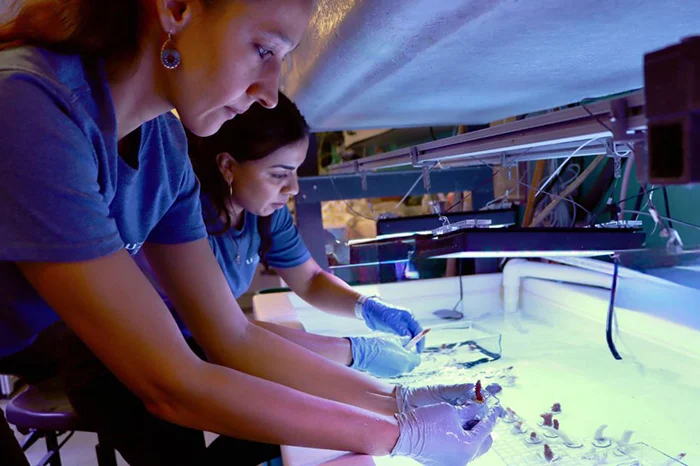
By Science Editorial Desk
In the delicate, sun-drenched ecosystems of the Florida Reef Tract, the Staghorn coral (Acropora cervicornis) stands as a structural architect. Once the dominant reef-builder of the Caribbean, this species is now listed as critically endangered, its survival tethered to the success of restoration efforts. A groundbreaking study conducted by researchers at the Atlantic Oceanographic and Meteorological Laboratory (AOML) and the University of Miami’s Cooperative Institute for Marine and Atmospheric Sciences (CIMAS) has unveiled a sobering reality: while these corals may possess the genetic fortitude to survive isolated environmental pressures, the synergy of multiple stressors is creating a lethal environment that current conservation strategies may not be accounting for.
The Fragile Architecture: Main Facts of the Study
The core of the study centers on the "multiple stressor" hypothesis. For years, marine biologists have examined how individual factors—such as rising water temperatures, nutrient runoff, or bacterial disease—impact coral health. However, ecosystems rarely function in a vacuum. The AOML and CIMAS team sought to determine how Acropora cervicornis handles the interplay between nutrient pollution and disease susceptibility.
Using ten distinct genotypes of Staghorn coral, researchers found a bifurcated response. When exposed to either elevated nitrogen levels (specifically ammonium, a byproduct of fertilizer runoff and wastewater) or isolated disease pathogens, the corals exhibited a surprising degree of resilience. Specific genetic profiles managed to regulate their metabolic processes and maintain tissue integrity under these single-source pressures.
However, the "tipping point" occurred when these stressors were combined. When nitrogen-loaded corals were simultaneously challenged with disease, the protective mechanisms collapsed. The synergy of these factors acted as a biological multiplier, leading to rapid tissue degradation and mortality. This suggests that the "resilience" observed in isolated laboratory tests may be a false sense of security, masking a profound vulnerability to the complex, polluted conditions of modern coastal waters.
Chronology of the Investigation: From Nursery to Lab
The research effort was a multi-year undertaking that bridged the gap between active field restoration and rigorous laboratory analysis.
Phase I: Collection and Standardization
The project began with the acquisition of ten specific genotypes of Acropora cervicornis. These samples were sourced from three of the most prominent coral nurseries in Florida: the Florida Fish and Wildlife Conservation Commission (FWC), the Coral Restoration Foundation (CRF), and the University of Miami. The goal was to ensure a genetic diversity representative of the current restoration stock being outplanted across the Florida Reef Tract.
Phase II: The Experimental Reef Lab
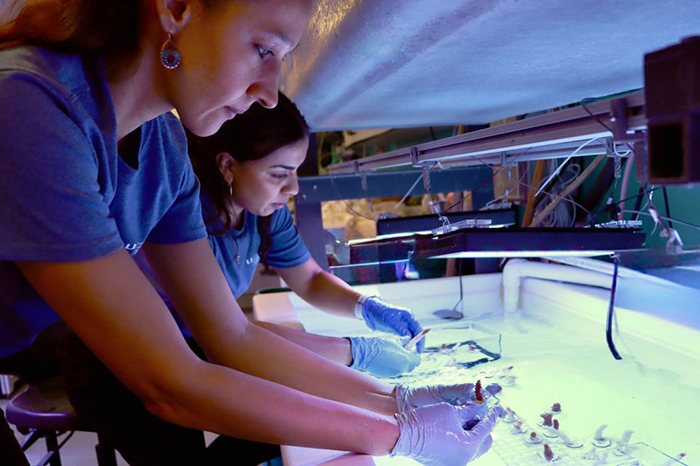
Once acclimated, the corals were transferred to the Experimental Reef Lab. Researchers implemented a controlled, independent tank system to simulate varying water chemistry. For six weeks, half of the population was subjected to elevated ammonium concentrations, mirroring the nutrient spikes frequently recorded in coastal zones plagued by agricultural runoff and leaking septic systems. The other half served as the control group, maintained under pristine, stable water conditions.
Phase III: The Stress Test
Following the six-week nutrient exposure, researchers introduced secondary stressors, including disease pathogens. The data collection focused on the physiological response of the coral tissues, measuring photosynthetic efficiency, calcification rates, and visible necrosis. This phase lasted several weeks, providing a longitudinal view of how the corals’ internal defenses were overwhelmed by the dual threat.
Supporting Data: Understanding the Nutrient-Disease Nexus
The data gathered in the Experimental Reef Lab provides a quantitative look at the "hidden" dangers of reef degradation. While the study is ongoing in its broader implications, the preliminary metrics highlight three critical areas of concern:
- Metabolic Overload: Under high nitrogen conditions, the symbiotic algae (zooxanthellae) residing within the coral tissue undergo rapid proliferation. While this might seem beneficial initially, it eventually leads to a nutrient imbalance where the coral host can no longer manage the carbon-to-nitrogen ratio, effectively weakening its immune response to external pathogens.
- Genotype Variability: The study revealed that not all Acropora cervicornis are created equal. Some genotypes showed a higher tolerance to nitrogen, while others were more adept at fending off disease. The critical discovery, however, was that no genotype demonstrated an ability to withstand the "dual-stressor" scenario, suggesting that there may be a universal limit to the species’ adaptive capacity.
- Pollution Thresholds: By comparing typical reef nitrogen levels against excessive concentrations, researchers were able to map a clear correlation between human-induced runoff and the physiological decay of the coral. The concentrations used in the study were not hypothetical; they were calibrated to match real-world data points collected near major Florida coastal outfalls.
Official Responses and Scientific Perspective
The scientific community has lauded the study for its practical application. Dr. Elena Rodriguez, a lead researcher on the project, noted, "We have spent a long time looking at these stressors in isolation. By bringing them together, we are seeing the true face of the challenge. Our restoration efforts in the nursery might look healthy, but we are effectively placing these corals into an ‘environmental gauntlet’ once they are returned to the reef."
NOAA and the University of Miami have emphasized that this data will fundamentally change how restoration sites are selected. In the past, site selection was often prioritized based on light availability and temperature. Now, there is a clear mandate to incorporate "water quality mapping"—avoiding areas with high nutrient runoff—as a prerequisite for outplanting.
"This is not just about growing more coral; it is about growing the right coral in the right places," said a spokesperson for the Coral Restoration Foundation. "The AOML findings provide us with the analytical tools to screen outplanting sites for their ‘nutrient load’ capacity, potentially saving thousands of endangered colonies that might otherwise perish in high-runoff zones."
Implications: A New Era for Reef Conservation
The implications of the AOML/CIMAS study extend far beyond the Florida coastline. As coral reefs globally face the compounded pressures of climate change and localized pollution, this research offers a framework for "precision conservation."
1. Rewriting Restoration Strategies
Conservationists must now shift from a "quantity-focused" approach to a "quality-resilience" model. This means that outplanting programs may need to be integrated with local water quality management initiatives. If a reef site is consistently suffering from nutrient runoff, planting even the most resilient genotypes will be a futile effort without first addressing the source of the pollution.
2. Genetic Selection and Resilience
The study highlights the urgent need to identify and propagate genotypes that demonstrate higher resilience to multiple stressors. By identifying the specific genes that allow for better nutrient-disease management, scientists can prioritize these "super-corals" in nursery stocks, potentially accelerating the adaptation of the species to a rapidly changing ocean.
3. Policy and Coastal Management
The data provides a strong, scientifically backed argument for stricter coastal nutrient management. It demonstrates that the impact of fertilizer and wastewater isn’t just a "water quality" issue—it is a direct contributor to the extinction risk of endangered species. Policymakers now have clear evidence that local mitigation of runoff is essential to the success of federally mandated recovery plans for Acropora cervicornis.
4. The Broader Climate Context
While this study focused on nutrients and disease, it serves as a precursor to even more complex models that will include thermal stress (ocean warming). As sea temperatures continue to rise, the ability of corals to manage nutrient and disease stress will only decrease. The AOML research is the first step in building a comprehensive "stress-matrix" that will allow scientists to predict, and potentially mitigate, the future of reef survival.
Conclusion
The survival of the Staghorn coral is not merely a matter of biological persistence; it is a testament to the complex, interconnected nature of our marine ecosystems. The AOML and CIMAS study has shattered the illusion that resilience in one area guarantees survival in another. By exposing the fatal interaction between nutrient pollution and disease, these researchers have provided a vital roadmap for the future of reef conservation.
As we move forward, the integration of genetic science, local water quality regulation, and strategic restoration site selection will be the only path to ensuring that the architect of the Caribbean reef survives the pressures of the 21st century. The challenge is immense, but as this study proves, with precise data and targeted action, there is still a window of opportunity to protect and restore these vital underwater cathedrals.


 Rifan Muazin
 Layla Zulfa