




 Laily UPN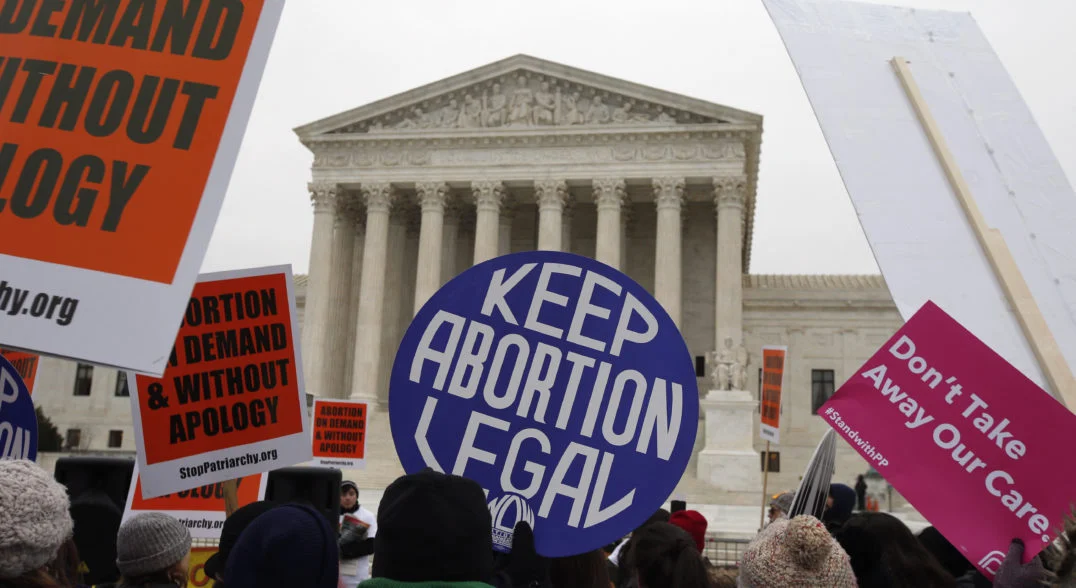
Forty-six years after the Supreme Court’s landmark ruling in Roe v. Wade, the national conversation surrounding abortion remains deeply polarized, frequently trapped in a binary struggle over bodily autonomy versus the moral status of a fetus. However, as the political landscape shifts toward increasing restrictions, a comprehensive body of research is reframing the issue: abortion access is not merely a matter of individual rights; it is a critical determinant of child welfare, economic stability, and long-term family health.
New findings from the "Turnaway Study," conducted by Advancing New Standards in Reproductive Health (ANSIRH), provide robust empirical evidence that the consequences of denying an abortion extend far beyond the pregnant person, directly impacting the developmental and economic trajectory of both existing and future children.
A Chronology of Conflict and Clinical Inquiry
Since 1973, Roe v. Wade has served as the constitutional cornerstone for reproductive rights in the United States. Despite its legal standing, the subsequent four and a half decades have been marked by a relentless campaign to chip away at access. From the Hyde Amendment’s restrictions on federal funding to the proliferation of state-level Targeted Regulation of Abortion Providers (TRAP) laws, the path to care has become increasingly obstructed.
This legislative erosion has coincided with a changing political climate within the Supreme Court and the Executive Branch, which have increasingly signaled an openness to overturning or gutting Roe. Yet, despite these top-down pressures, public opinion remains steadfast. Polls consistently indicate that a majority of Americans support the legal right to abortion and believe that individuals should retain the autonomy to make their own reproductive health decisions.
Amidst this climate of uncertainty, researchers launched the Turnaway Study, a multi-year, prospective, longitudinal study designed to move the needle from ideological rhetoric to data-driven reality. By following people who sought abortions at facilities across the U.S.—comparing those who were just under the gestational limit and received care with those who were just over and were denied—the study has offered the most definitive look at the consequences of abortion policy to date.
Supporting Data: The Ripple Effect of Abortion Denial
The Turnaway Study’s conclusions are stark, challenging the narrative that abortion access is separate from the health of the family unit. Lead researcher Dr. Diana Greene Foster identifies three distinct groups of children affected by reproductive policy: the children a person already has, the child born from an unwanted pregnancy, and the children born later when a person is able to time their pregnancy according to their circumstances.
The Economic Burden
Data indicates that when individuals are denied a wanted abortion, they are significantly more likely to fall below the federal poverty line in the years that follow. This is not a personal failure, but a structural one. For parents already struggling to make ends meet, an unplanned, forced birth acts as an economic shock. The study found that children in these households face greater risks of food insecurity, housing instability, and a lack of access to essential services. Compared to the children of those who successfully accessed abortion care, these children are statistically more likely to grow up in environments where basic needs—transportation, utility bills, and childcare—are consistently unmet.
Developmental and Emotional Impacts
The impact is not strictly financial. The study measured maternal bonding, finding that parents who were denied an abortion reported higher rates of emotional exhaustion, feelings of entrapment, and, in some cases, resentment. These feelings are often the byproducts of external circumstances—poverty, lack of partner support, or domestic instability—that the parent had hoped to resolve before bringing another child into the world. Conversely, children born to parents who exercised their right to choose the timing of their pregnancies were more likely to be raised in households with higher levels of maternal warmth, greater financial security, and more stable emotional environments.
The Paradigm Shift: Reproductive Justice
The framing of "pro-life" versus "pro-choice" has historically dominated the media, often leaving little room for the nuances of "Reproductive Justice." This framework, pioneered by women of color, posits that true reproductive health is not just the right to have or not have an abortion, but the right to raise children in safe, healthy, and sustainable environments.
By restricting abortion, the state is effectively sabotaging a family’s ability to "parent the children they have with dignity." If a parent is forced into an economic state of precarity, their capacity to provide for their existing children is diminished. Thus, the argument that abortion restrictions protect children is fundamentally undermined by the data: by forcing a pregnancy, the state often forces a family into poverty, thereby negatively impacting the children already present in that home.
Implications for Public Policy and Future Generations
The implications of the Turnaway Study are profound for legislators and policy experts. If the objective of the state is to foster the wellbeing of the next generation, current restrictive policies are failing.
Moving Beyond the "Fetus-Only" Focus
Dr. Foster highlights the irony in the anti-choice movement’s rhetoric. While opponents often argue that every fertilized egg deserves a chance at life, they ignore the reality that many people currently thriving are alive precisely because their mothers were able to control their reproductive futures. By avoiding an ill-timed pregnancy, a mother may have gained the education, financial stability, or emotional maturity necessary to provide a better life for a later, planned child.
"Abortion ends the possibility of one life just as it enables women to take care of the children they already have and makes possible a desired baby later," Dr. Foster argues.
The True Definition of "Pro-Life"
If we are to embrace a truly "pro-life" agenda, we must pivot from merely protecting the act of birth to protecting the quality of life after birth. This requires a multi-pronged approach:
- Protecting Bodily Autonomy: Ensuring that healthcare decisions remain between a patient and their doctor, free from the interference of state legislatures.
- Supporting Existing Parents: Expanding the social safety net to ensure that parents who want children have the childcare, healthcare, and living wages necessary to raise them in prosperity.
- Ensuring Reproductive Control: Acknowledging that the ability to plan one’s family is a fundamental human right that dictates the success of future generations.
Conclusion
The evidence presented by the Turnaway Study is a clarion call to reevaluate our national policy. We can no longer ignore the collateral damage caused by the erosion of reproductive rights. When individuals have control over their reproductive futures, they are better equipped to provide the resources, stability, and love that their children—both current and future—require to thrive.
The movement to restrict abortion is often presented as an act of compassion for the unborn. However, when we look at the lived reality of families across America, the data suggests that these restrictions do the exact opposite. They create cycles of poverty and instability that hinder the potential of children who are already here. To truly serve the interests of children, we must stop viewing abortion as a moral isolated event and start viewing it as a critical pillar of family and child welfare. True "pro-life" advocacy must begin with the empowerment of parents to decide when they are ready to bring a new life into the world, ensuring that every child born is born into a situation where they have the best possible chance at a healthy, successful life.


 Siti Muinah
 Sagoh
Sagoh