
 Suro Senen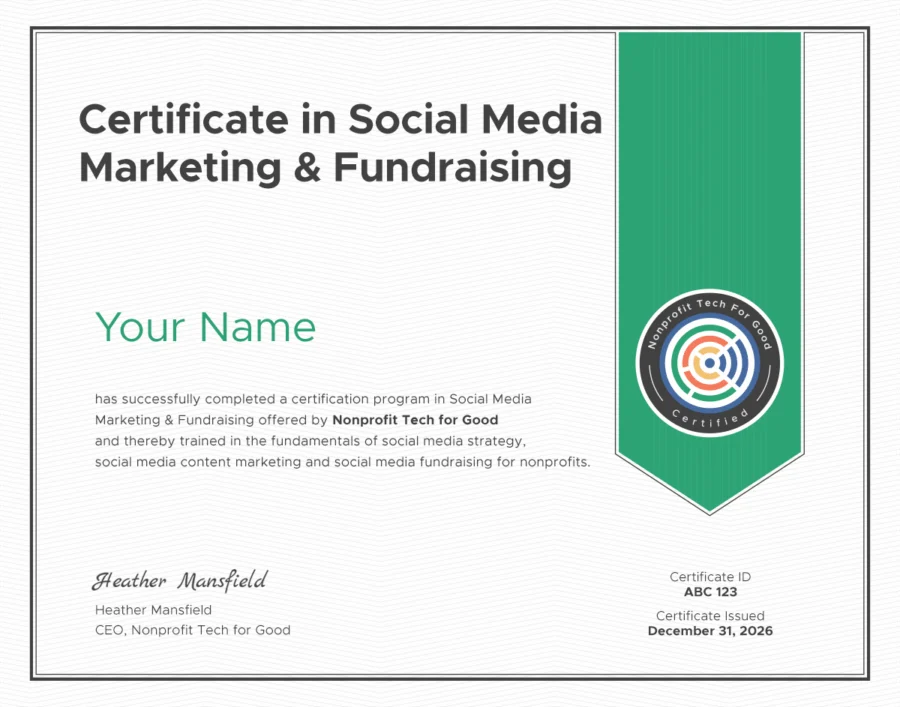
In an era where the digital landscape is shifting beneath the feet of charitable organizations, the challenge of maintaining visibility has never been more acute. With organic reach on major social platforms at an all-time low, nonprofits are forced to move beyond trial-and-error posting toward a more disciplined, strategic approach. Addressing this urgent need, the 2026 Certificate in Social Media Marketing & Fundraising program has been launched, offering a comprehensive masterclass designed to equip nonprofit professionals with the tools necessary to thrive in an algorithm-heavy environment.
The program arrives at a critical juncture. As platforms like Facebook, Instagram, LinkedIn, Threads, and the emerging Bluesky redefine how content is prioritized, the "post and pray" method of the past decade is no longer sustainable. This certificate program seeks to demystify these changes, offering an honest, practical, and data-driven roadmap for organizations striving to maintain community engagement and revenue streams.
Main Facts: A Curriculum for the Modern Nonprofit
The 2026 Certificate program is structured to provide a holistic view of digital stewardship. It is not merely a theoretical overview; it is a tactical manual for survival and growth. The program consists of three primary pillars, each designed to address a specific pain point in the modern nonprofit’s digital presence.
The Three Pillars of the 2026 Certificate:
- Social Media Strategy for Nonprofits: This module focuses on the foundational work required to align social presence with organizational mission. It addresses the "why" behind the "what," teaching participants how to build a brand identity that resonates amidst the noise of a crowded social feed.
- Social Media Content Marketing for Nonprofits: Moving into execution, this segment explores the mechanics of storytelling. Participants learn to craft content that doesn’t just fill a feed but actively moves an audience toward a deeper relationship with the organization.
- Social Media Fundraising for Nonprofits: The final pillar tackles the most sensitive aspect of digital work: the ask. It explores how to convert engagement into financial support, moving followers from passive observers to active donors.
The program’s flexibility is a key feature. Recognizing that nonprofit staff are often stretched thin, the curriculum is designed to be consumed either through live webinars or via high-quality session recordings, allowing for a personalized learning experience that fits into busy operational schedules.
Chronology of the Program
The 2026 certification track was rolled out in the spring of 2026, marking a significant update to the pedagogical standards for digital fundraising. The schedule for the initial launch provided a structured progression of learning:
- April 29, 2026: The program commenced with the Social Media Strategy for Nonprofits module. This two-hour intensive session set the stage, focusing on the high-level planning required to succeed in a fragmented media landscape.
- May 6, 2026: The curriculum transitioned into the technical aspects of Social Media Content Marketing for Nonprofits. This session focused on platform-specific nuances, particularly the differences in tone and content requirements for LinkedIn versus visual platforms like Instagram.
- May 13, 2026: The series concluded with Social Media Fundraising for Nonprofits. This session provided the capstone, linking the strategy and content efforts back to the organization’s bottom line, focusing on ethical and effective digital solicitation.
Following these sessions, participants were invited to process the material and claim their certification, signaling a transition from student to practitioner.
Supporting Data: Why Strategy Matters Now
The necessity for this program is rooted in the sobering reality of contemporary digital metrics. According to recent industry analytics, the organic reach for organizational pages on major platforms—specifically Facebook and Instagram—has seen a consistent decline over the past 36 months. As platform algorithms prioritize interpersonal connection over organizational broadcasting, nonprofits are losing the ability to reach their own followers for free.
Data indicates that:
- Engagement Saturation: Users are bombarded with an unprecedented volume of content, making the "attention economy" more competitive than ever.
- Platform Diversification: The rise of Threads and Bluesky as alternatives to the traditional "Big Tech" social giants has forced nonprofits to reconsider their platform distribution strategy.
- Conversion Hurdles: While social media remains a primary discovery tool for new donors, the conversion rate from a "like" or "share" to a donation has remained stagnant, suggesting a gap in call-to-action efficacy.
The 2026 program addresses these metrics by advocating for a pivot toward "high-intent" content. Instead of chasing viral trends, the curriculum emphasizes community-building and the creation of "walled-garden" digital spaces where nonprofits can own their relationships with supporters.
Official Perspectives: The Philosophy of the Program
The architects of the 2026 Certificate emphasize that the program is not about mastering "hacks" or "shortcuts," which are often fleeting in the world of social media. Instead, it is about building a sustainable framework that can withstand algorithm updates.
![[Recordings] Certificate in Social Media Marketing & Fundraising](https://i0.wp.com/www.nptechforgood.com/wp-content/uploads/2025/08/Recordings-Certificate-in-Social-Media-Marketing-Fundraising-e1779307737960.png?fit=900%2C450&ssl=1)
"The goal," notes the program documentation, "is to move away from being a slave to the algorithm and toward being a master of your own digital narrative." By focusing on foundational principles—such as authentic storytelling, transparent reporting, and consistent community management—the program aims to insulate nonprofits from the volatile whims of platform developers.
The emphasis on platforms like LinkedIn is particularly notable. As the professional landscape evolves, LinkedIn has become a hub for corporate social responsibility (CSR) and institutional partnerships. The certificate program teaches nonprofits how to treat LinkedIn not just as a job board, but as a sophisticated tool for donor cultivation and mission-related advocacy.
Implications for the Nonprofit Sector
The launch of this certificate program has several long-term implications for how the nonprofit sector manages digital transformation.
1. Professionalization of Digital Roles
Historically, social media management in small-to-medium nonprofits was often relegated to an intern or an already overwhelmed communications officer. By providing a formal certification, the sector is signaling that digital marketing is a specialized skill set requiring formal training. Organizations that invest in this training are likely to see higher returns on investment (ROI) regarding both donor acquisition and brand awareness.
2. A Shift Toward Multi-Channel Integration
The program’s focus on diverse platforms—ranging from the professional utility of LinkedIn to the real-time, conversational nature of Threads—implies that the "one-size-fits-all" approach to content is dead. Nonprofits are now expected to curate distinct voices for distinct audiences. This increases the labor required but also significantly increases the depth of engagement with potential donors.
3. Ethical Fundraising in the Digital Age
As nonprofits lean into digital solicitation, the risk of "donor fatigue" increases. The certificate program places a heavy emphasis on ethical practices, teaching participants how to communicate the urgency of their mission without resorting to clickbait or manipulative tactics. This is a critical development, as trust is the most valuable currency in the nonprofit sector.
4. The "Long Tail" of Educational Content
By offering the recordings of these sessions as an ongoing resource, the program creators are fostering a culture of continuous learning. Unlike a one-off conference, the "certificate" model allows for a standardized baseline of knowledge across the sector. This creates a shared language and set of best practices that can help smaller organizations "punch above their weight" by adopting the strategies used by larger, more well-resourced institutions.
Conclusion: Investing in Digital Sustainability
The 2026 Certificate in Social Media Marketing & Fundraising is more than just a credential; it is a strategic investment in the future of the charitable sector. As social media continues to evolve into a pay-to-play environment, the organizations that will survive and thrive are those that prioritize strategic clarity, high-quality content, and disciplined fundraising.
For those operating within the nonprofit space, the question is no longer whether they should be on social media, but how they can be there effectively. By bridging the gap between current platform realities and long-term organizational goals, this program provides the essential tools to navigate the complexities of the 2026 digital landscape. Whether through the live webinars or the archives, participants are given the opportunity to refine their approach, sharpen their messaging, and ultimately, secure the resources necessary to continue their vital work in the communities they serve.
In a digital world that changes by the hour, having a grounded, professional strategy is the only way to ensure that your mission remains at the forefront of the public conversation. The 2026 Certificate program stands as a beacon for those ready to lead their organizations into the next chapter of digital engagement.


 Pevita Pearce
 Jia Lissa