

 Sagoh
SagohFor Katelynn Delos Reyes, the rhythms of life in Saipan have long been dictated by the seasonal arrival of Pacific storms. As a lifelong resident and a member of the Chamorro community—Indigenous to the Mariana Islands—she has navigated the trauma of past tempests, including the harrowing 170-mph winds of Supertyphoon Yutu eight years ago and the destructive force of Typhoon Soudelor three years prior. She thought she understood the vocabulary of a storm.
She was wrong.
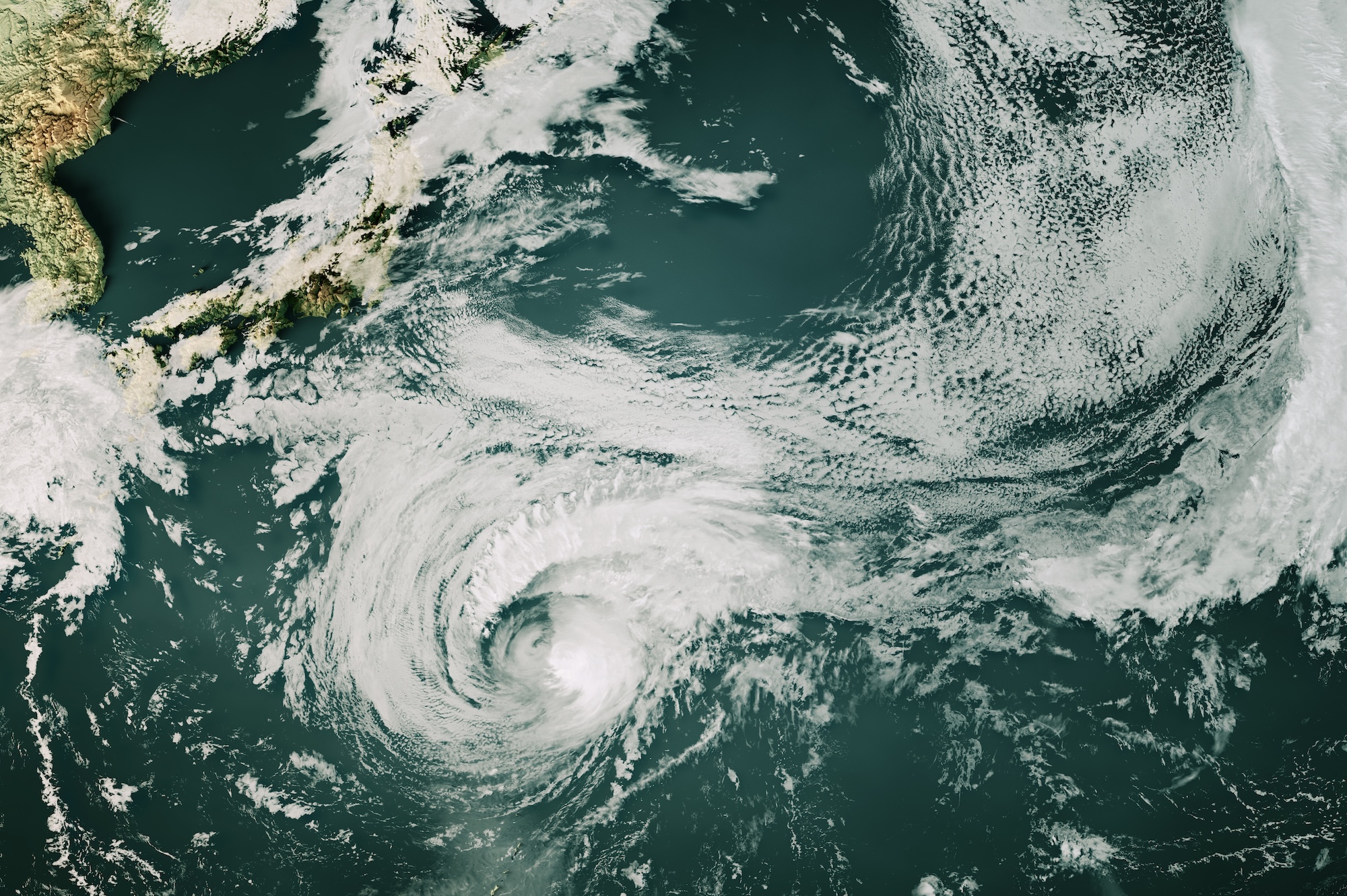
When Typhoon Sinlaku descended upon the Commonwealth of the Northern Mariana Islands (CNMI) this past April, it defied local expectations, rapidly morphing from a manageable “banana typhoon”—a colloquialism for storms that clear out banana trees while sparing more robust structures—into the most powerful weather event on Earth this year. The resulting devastation has left thousands across the Micronesian region in a state of suspended recovery, grappling with the long-term implications of a warming planet.
A Chronology of Destruction
The evolution of Sinlaku was a masterclass in meteorological volatility. On April 14, as the system approached the CNMI, it exhibited the characteristics of a standard tropical storm. Residents, accustomed to the seasonal cycle, performed their routine preparations: boarding windows, securing supplies of drinking water, and filling plastic drums for sanitation.
However, over the subsequent 24 hours, the atmosphere and the Pacific Ocean conspired in a rapid intensification event. The storm’s wind speeds surged by 75 mph, transforming into a 185-mph monstrosity. As it made landfall, the winds, though slightly diminished to 150 mph, acted with unprecedented mechanical force.
For Delos Reyes, the realization that this storm was different came when the wood framing her windows was ripped away by the gusts. Rainwater cascaded through her ceiling, destroying her family’s belongings and saturating their bedding. Seeking refuge in her mother’s concrete bedroom—a structure chosen for its structural integrity—the family listened to the sound of their home being dismantled piece by piece.
"How long is this storm going to be with us?" Delos Reyes recalled praying. "I think, Lord, maybe it’s enough; you can go and finish it elsewhere."
The typhoon’s slow movement exacerbated the crisis. By stalling over the islands for more than 24 hours, it ensured that structural integrity was tested to its limit across entire villages. Unlike previous storms that impacted specific regions of Saipan, Sinlaku’s slow crawl meant that, as JD Reyes, a local commerce official noted, "if you weren’t affected, you will be."
The Human Toll and Regional Impact
The regional death toll across Guam, the CNMI, and the Federated States of Micronesia (FSM) stands at 17, marking Sinlaku as the deadliest storm to strike the Micronesian region since 2002.
The human cost has been varied and tragic. On Guam, a couple died of carbon monoxide poisoning after attempting to run a generator in an enclosed space—a common danger in the wake of prolonged power outages. At sea, the cargo ship Mariana lost its engine during the height of the storm, resulting in the loss of six crew members. In Chuuk State, the most heavily impacted area, the storm claimed nine lives, including an infant who perished when the mother, trapped by downed trees and debris, could not reach medical care in time.
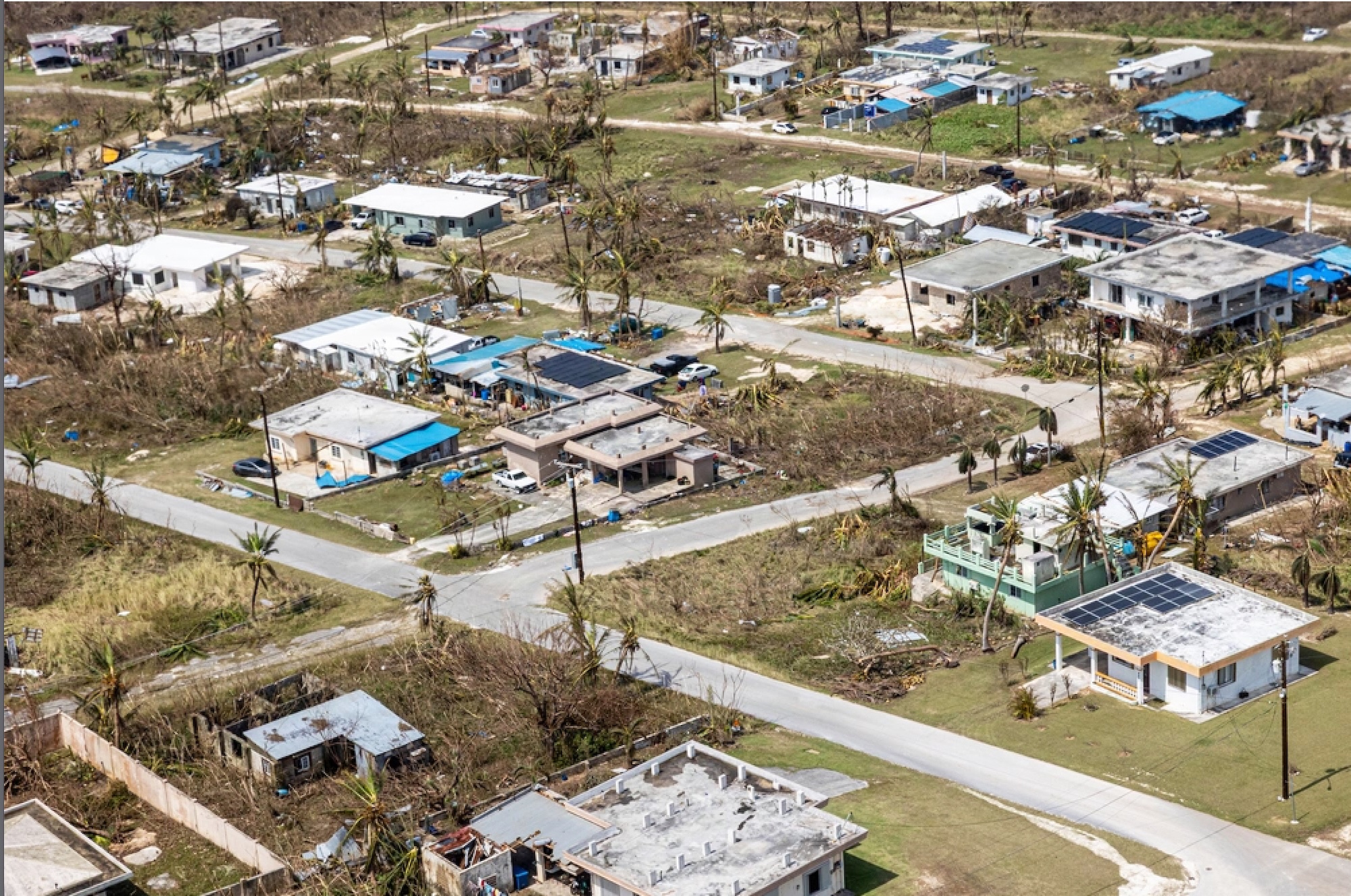
The economic and social infrastructure of the region has been severely compromised. Reports from Chuuk and Yap indicate that more than 7,000 homes were destroyed or severely damaged, displacing over 13,000 people. With maritime supply lines hindered and local power grids shattered—Tinian remained entirely without electricity for weeks—the region faces a protracted humanitarian crisis.
The Climate Fingerprint
Meteorologists and climate scientists are increasingly pointing to the thermal energy of the Pacific as the primary driver of such rapid intensification. Shel Winkley, a meteorologist at Climate Central, noted that Sinlaku formed over waters 0.6 degrees Celsius warmer than the historical average.
"Climate change is making events like this more intense at their peak," Winkley explained. The burning of fossil fuels has rendered these ocean temperatures 70 to 100 times more likely, creating a feedback loop where warmer seas provide the fuel for rapid intensification and increased atmospheric moisture, which in turn leads to catastrophic flooding.
The storm’s name itself serves as a poignant irony: "Sinlaku" is derived from the Kosraean goddess of breadfruit. The breadfruit tree, a cultural and nutritional staple for Pacific Islanders, is currently under threat from the very climate shifts that are fueling the storms destroying them.
Official Responses and Global Disparities
The recovery effort has highlighted a widening chasm between the nations contributing most to climate change and those suffering its most immediate consequences. Last month, 140 countries voted in favor of a United Nations resolution affirming that states have a legal obligation to protect the Earth from greenhouse gas emissions and that those who fail to do so should be held financially accountable. The United States, which maintains sovereignty over the CNMI and Guam, was one of only eight nations to vote against the measure.
This geopolitical tension is felt on the ground in Saipan, where thousands of residents now stand in "Disneyland-style" lines at federal recovery centers. JD Reyes describes the daily scenes of parents waiting for hours with their children to file for FEMA assistance. While the U.S. government, along with international entities like the International Organization for Migration, is providing aid, the sheer scale of the destruction has left many feeling abandoned by the systems of power that dictate their environmental fate.
In Honolulu, nonprofit organizations like We Are Oceania have begun organizing private relief, sending chainsaws, food, and funding to assist in the grueling task of clearing debris. "They’re going to need financial support to rebuild their houses," said Josie Howard, the organization’s head.
Living in the Aftermath: The Resilience of the Mariana Islands
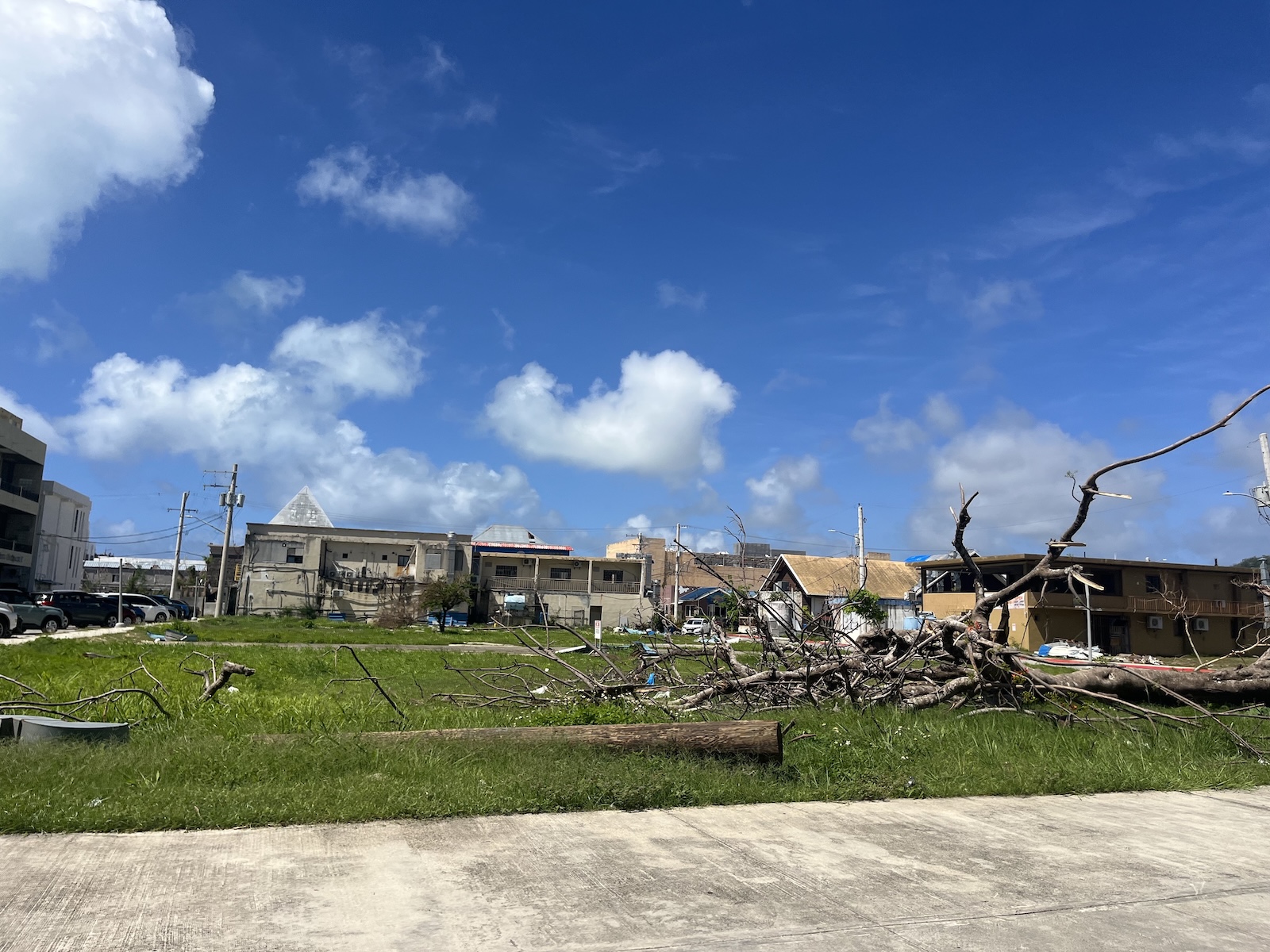
More than a month after the winds subsided, the landscape of the Mariana Islands remains scarred. Debris clutters the tourism district of Garapan, and residents continue to adapt to a life without consistent utilities. Indigenous fishermen, unable to rely on refrigeration, have returned to traditional practices, catching ti’ao (goatfish) for daily sustenance.
For the Delos Reyes family, the recovery is measured in inches and hours. A FEMA-provided tent now sits in their yard, and a blue tarp serves as a temporary shield against the elements where their roof once stood. For weeks, Katelynn has spent her days dragging a waterlogged mattress into the sun, attempting to salvage what remains of her household.
She remains the primary caregiver for her 94-year-old mother, whose battle with dementia makes any relocation unthinkable. The necessity of staying—of maintaining a home base for her vulnerable mother—trumps the fear of the next season’s storm.
"One day at a time," Delos Reyes says, a sentiment echoed across the islands.
The recovery from Sinlaku is not just about replacing shingles or clearing fallen trees; it is a profound exercise in cultural survival. As the Pacific region continues to stand on the front lines of a global climate emergency, the resilience of the Chamorro people and their neighbors is being tested as never before. The question remains whether the international community will provide the structural support necessary to ensure that "one day at a time" is a viable strategy for the future, or if these islands will be left to face the growing fury of the ocean alone.

 Rifan Muazin
 Layla Zulfa