


 Nana Muazin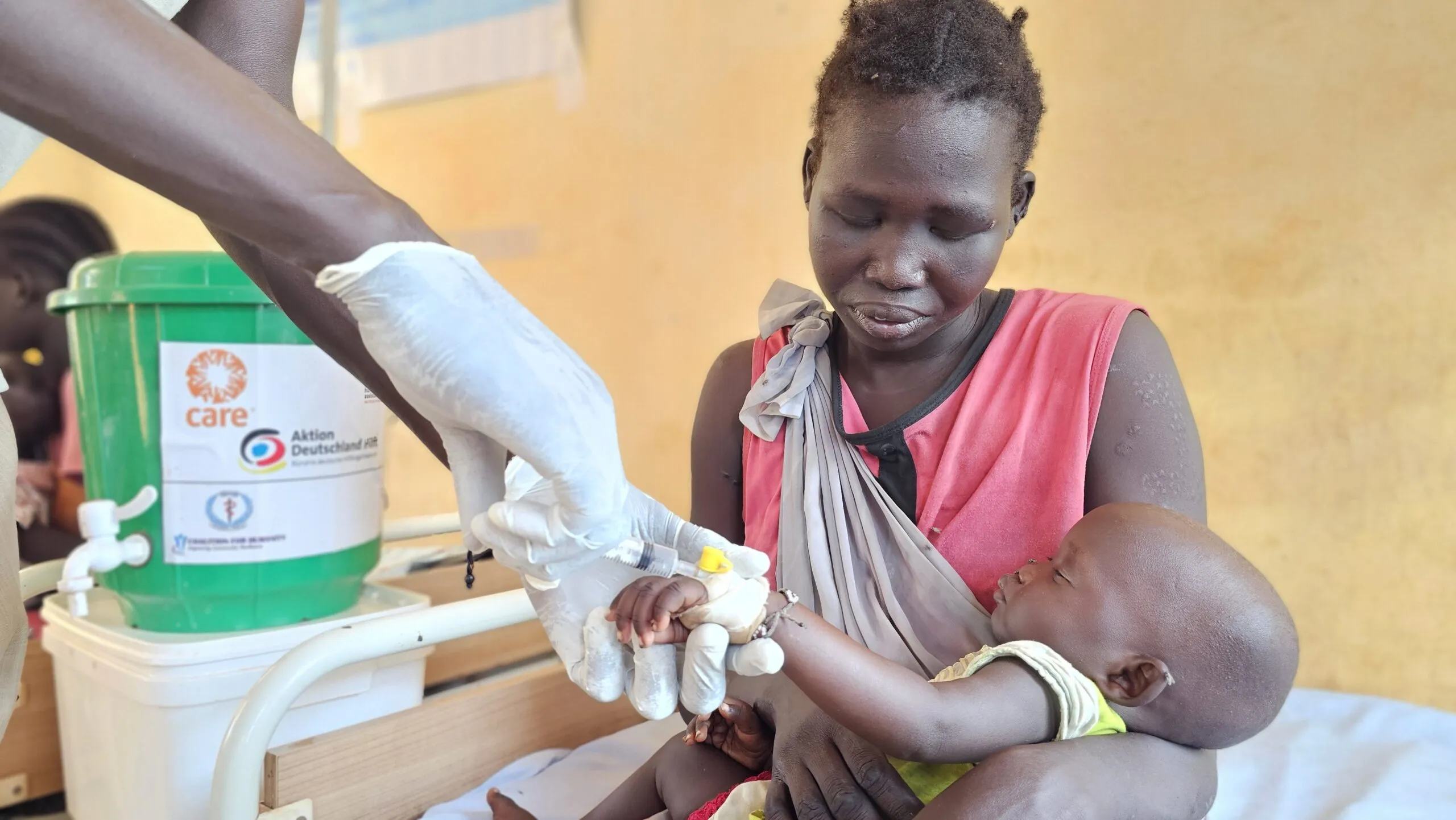
By Sarah Easter and Becca Mountain | May 22, 2026
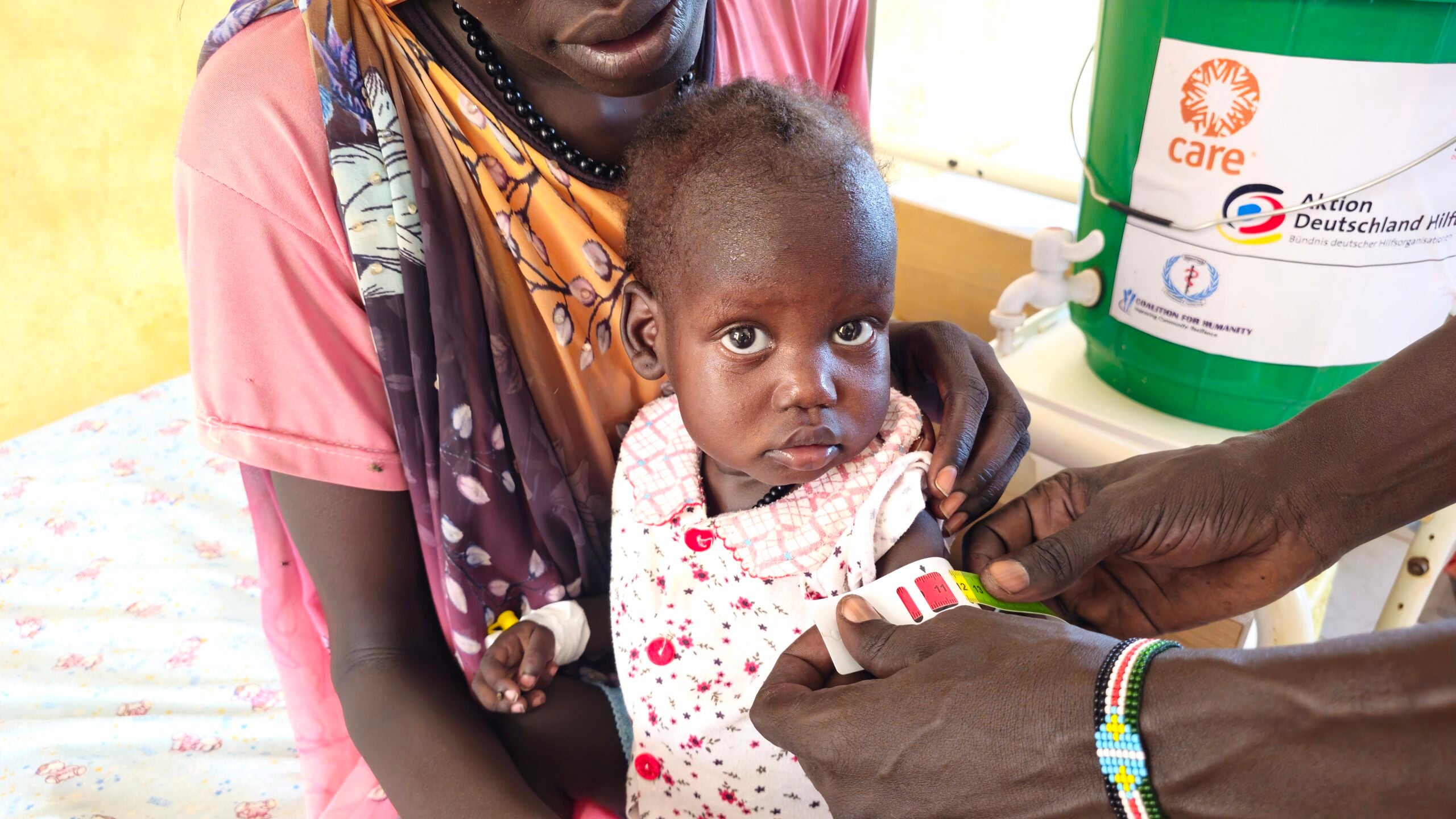
In the quiet, sterile wards of a hospital in Pariang, South Sudan, the rhythmic clicking of a measuring tool provides the soundtrack to a silent crisis. A nurse wraps a multicolored band—the mid-upper arm circumference (MUAC) tape—around the fragile arm of one-year-old Athiei. The result is immediate and devastating: the band settles into the red zone, the clinical marker for severe acute malnutrition.
For her mother, 22-year-old Athieng, the sight is both a relief and a source of profound anxiety. "I came here because my child was sick," she says, her voice low. "She was vomiting, suffering from diarrhea, and burning with a high fever."
Athiei is currently undergoing intensive nutrition treatment. While her fever has subsided, her road to recovery remains precarious. She is one of millions of children caught in a perfect storm of conflict, economic instability, and the systematic disintegration of the national healthcare infrastructure in South Sudan.
The Scale of the Crisis: A Nation on the Brink
The situation in South Sudan has reached a critical juncture. According to the latest Integrated Food Security Phase Classification (IPC) analysis, the nation is spiraling into one of the most severe food insecurity emergencies in its history. Between April and July 2026, an estimated 7.8 million people—approximately 56% of the population—are projected to face crisis levels of hunger or worse.
The statistics surrounding the pediatric population are particularly harrowing. Currently, 2.2 million children aged 6 to 59 months require urgent treatment for acute malnutrition. Parallel to this, 1.2 million pregnant and breastfeeding women are in dire need of specialized nutritional support. Malnutrition in this context is not merely a lack of caloric intake; it is a systemic destroyer of human potential. When children are deprived of essential nutrients, their immune systems collapse, growth stunts, and cognitive development is permanently compromised. Furthermore, malnutrition transforms minor illnesses—like common diarrhea or seasonal malaria—into life-threatening emergencies.
Chronology of a Collapsing System
To understand how South Sudan arrived at this point, one must look at the convergence of three primary catalysts that have intensified over the last three years:
- 2023-2024: The Escalation of Conflict: Persistent violence forced mass displacement, effectively halting agricultural production in the country’s most fertile regions. Markets were disrupted, and the traditional safety nets that sustained rural communities began to fray.
- 2025: Economic Volatility and Climate Shocks: Rising global food prices were compounded by localized weather disasters. Severe flooding in some regions and prolonged dry spells in others decimated local harvests. With the purchasing power of the average family decimated, the reliance on staple crops like sorghum became an impossible luxury.
- Early 2026: Healthcare Infrastructure Failure: The final pillar of stability—the health system—began to crumble. Facilities were not only underfunded but, in many cases, physically destroyed or looted during outbreaks of violence. By the spring of 2026, the absence of basic primary care meant that hunger was no longer being intercepted at the community level.
The "Invisible" Barriers: The Journey for Survival
For many families, the struggle to save their children begins with a walk that lasts for days. 20-year-old Rebeca, another mother seeking care at a CARE-supported hospital, describes a desperate situation. "We did not have enough to sustain ourselves," she explains. "We would collect firewood to sell, but it was not enough to buy food."
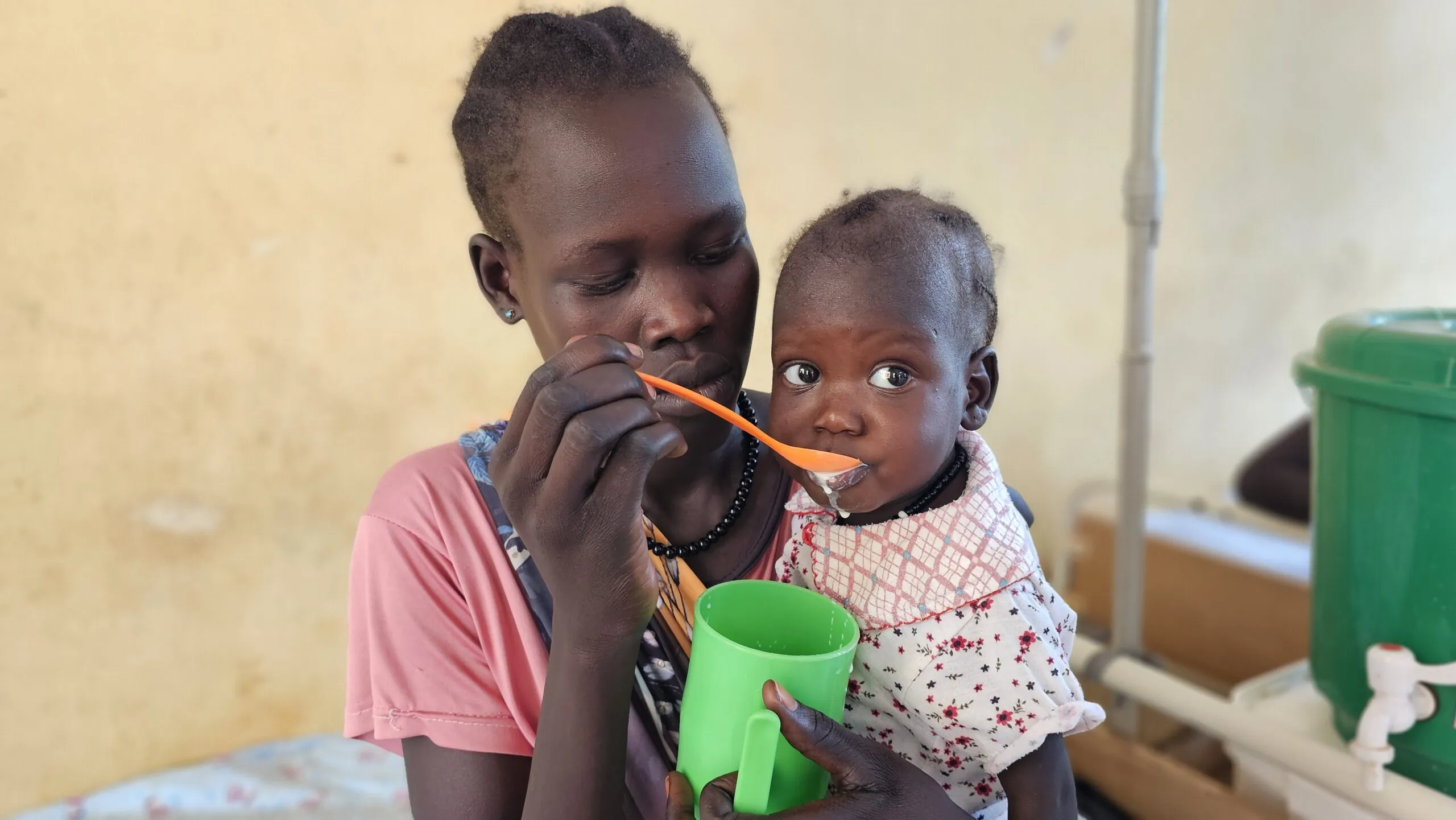
When her daughter, Nyabany, began to fail—losing her breath and burning with a high fever—Rebeca knew she had no choice but to seek help at the nearest clinic. She trekked through extreme, punishing heat for two days, finding shelter only once in a stranger’s hut.
"There is no other option than to come here so she could survive," Rebeca says, gesturing toward other mothers in the ward. "We all must do it. If we have sick children, we walk."
This determination is the only thing currently keeping mortality rates from skyrocketing even further. However, the physical toll on these families is immense. A child arriving at a clinic after a two-day journey in extreme heat is often more fragile than one treated at the onset of symptoms, making the efficacy of medical intervention significantly lower.
Supporting Data: The Impact of Resource Scarcity
The reliance on Ready-to-Use Therapeutic Food (RUTF), such as Plumpy’Nut, has historically been the gold standard for treating child wasting. These high-calorie, nutrient-dense packets require no water or cooking, making them ideal for unstable environments. However, the current crisis is being exacerbated by a "supply chain death spiral."
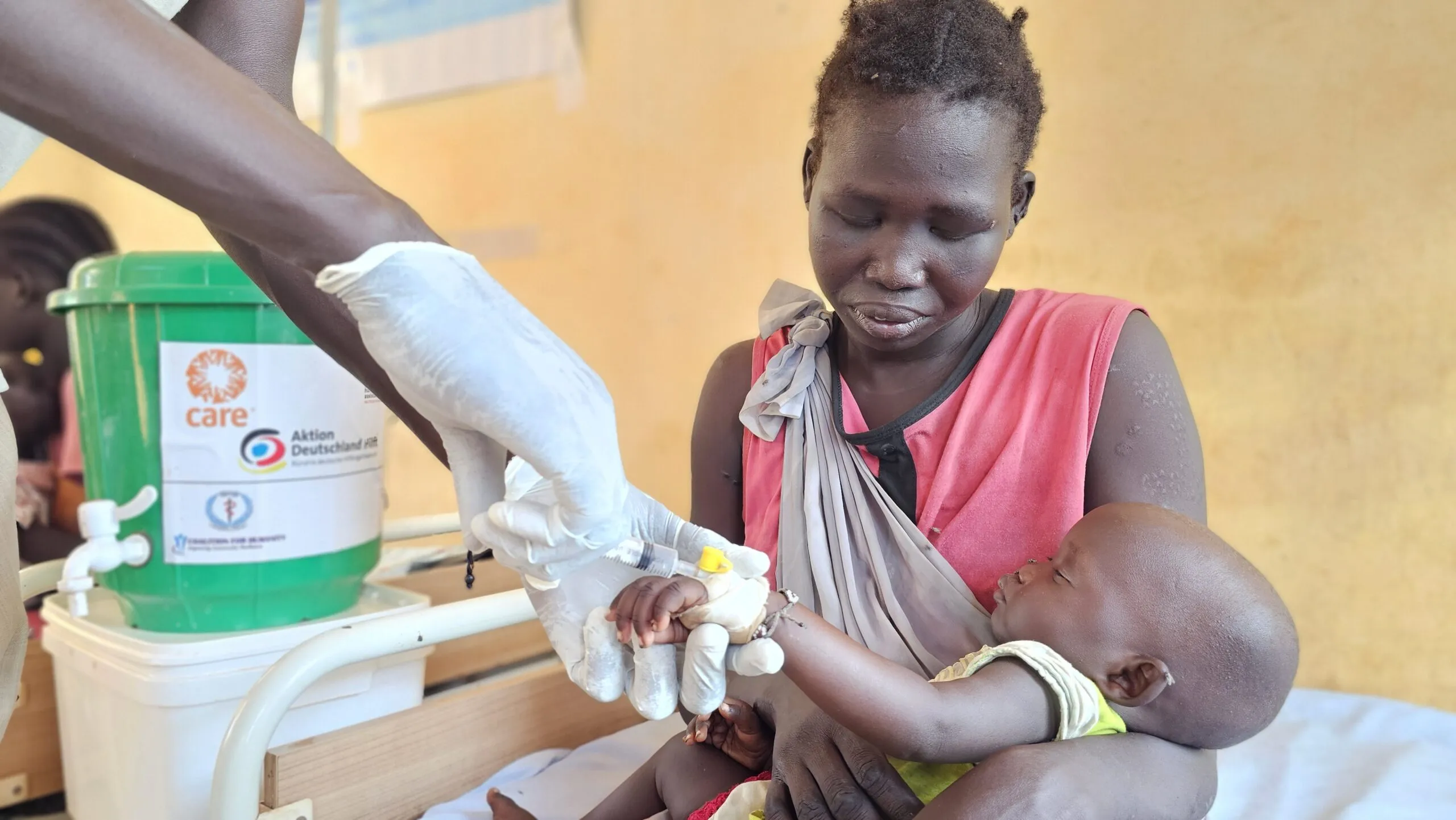
Funding disruptions have led to erratic delivery schedules. In several regions, clinics have reported:
- Stock-outs: Essential medicines, including antibiotics and malaria treatments, are frequently unavailable.
- Staffing Shortages: Many medical professionals have been forced to flee due to insecurity or lack of salary payment, leaving facilities to be run by volunteers or skeletal staff.
- The "Looting Effect": In counties like Akobo, where all 15 health facilities were destroyed or looted, the loss is absolute. An estimated 1.35 million people in Jonglei State have lost all access to essential health services.
Official Perspectives and Humanitarian Assessment
Humanitarian workers on the ground describe the scene in haunting terms. Chandiga Kennedy, a Humanitarian Manager for CARE South Sudan, recently conducted an assessment of the Akobo County Hospital.
"When I walked into Akobo Hospital, it had been stripped of everything—beds gone, supplies looted," Kennedy reported. "Patients who had returned were lying on the cold floor waiting to be treated: some weak, some in pain, all waiting for care. It was heartbreaking, yet you could still see people’s determination to return to what they know and begin rebuilding their lives, despite everything they have endured."
The perspective from humanitarian leadership is clear: the current model of emergency aid is struggling to keep pace with the systemic nature of the collapse. Organizations like CARE are currently working to provide food assistance, water, and sanitation, but they warn that these measures are stop-gaps.
"You cannot treat hunger without functioning health services," says a representative of the field response team. "Therapeutic food means very little if there are no clinics, no trained staff, no medicines, and no safe access. If the health system continues to collapse, lives will be lost not only from a lack of food, but from entirely preventable and treatable conditions."
Implications: The High Cost of Inaction
The implications of this crisis extend far beyond the immediate suffering of 2026. If the healthcare system in South Sudan is not rehabilitated, the country faces a lost generation.
- Long-term Developmental Stunting: Millions of children who survive the current famine-like conditions will suffer from chronic health issues, impaired cognitive development, and reduced economic productivity in adulthood.
- Epidemiological Risks: A collapsed health system cannot monitor or contain outbreaks. The lack of routine vaccinations and basic hygiene services creates a breeding ground for diseases like measles and cholera, which could cross borders and trigger regional health crises.
- The Erosion of Social Cohesion: When families are forced to choose between the life of their child and the survival of their household, the social fabric of communities begins to disintegrate. This instability often leads to further conflict, creating a vicious cycle of displacement and food insecurity.
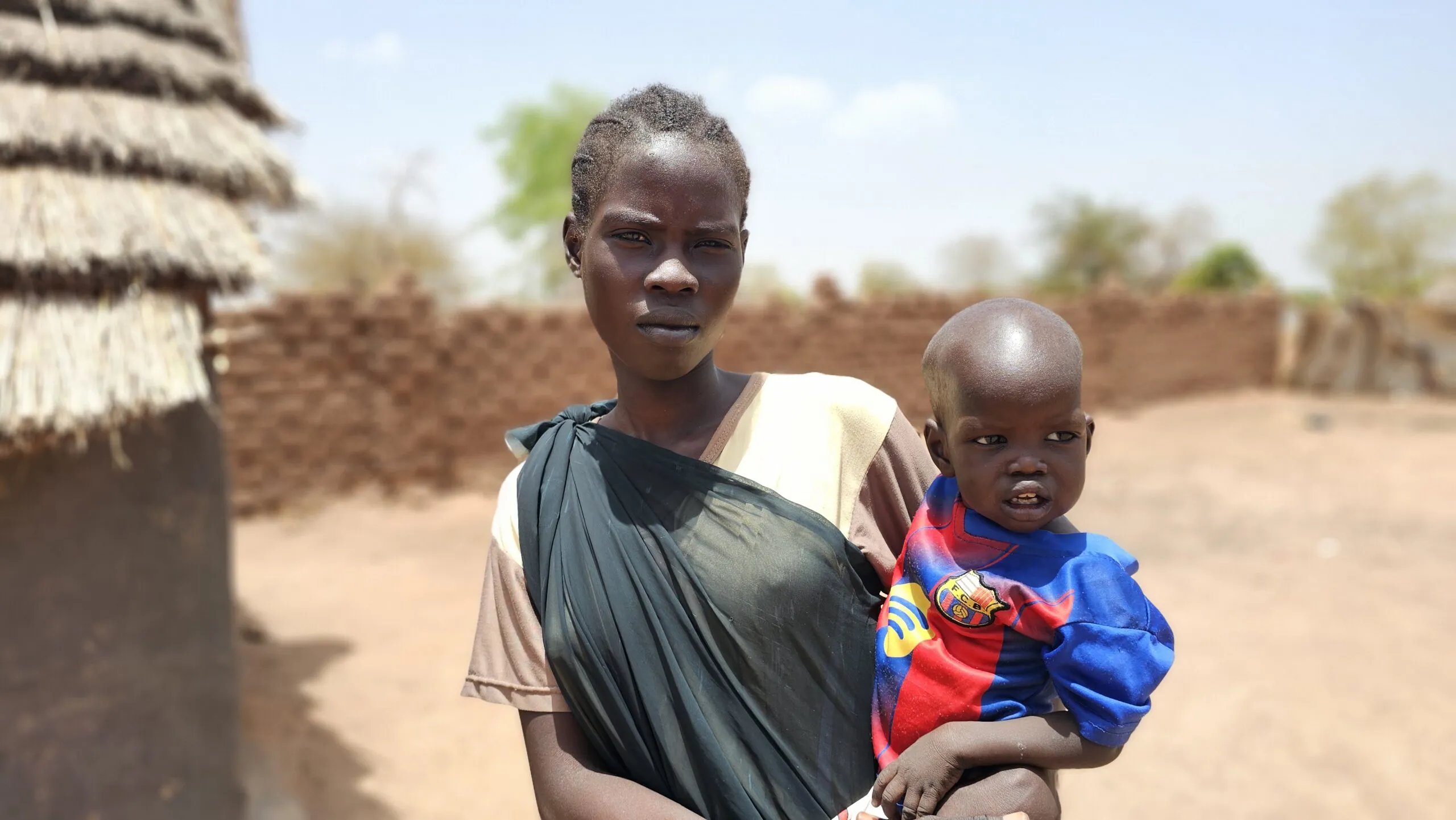
As the international community watches, the situation in South Sudan serves as a stark reminder that hunger is a symptom of a much broader systemic failure. For mothers like Athieng, Rebeca, and Aker, the solution is not just the arrival of a box of food; it is the restoration of the basic right to care. Until the health system is treated as an essential pillar of survival—rather than a secondary concern—the walk for survival will continue, and for many, the journey will remain a desperate race against time.

 Neng Nana
 Iffa Jayyana